

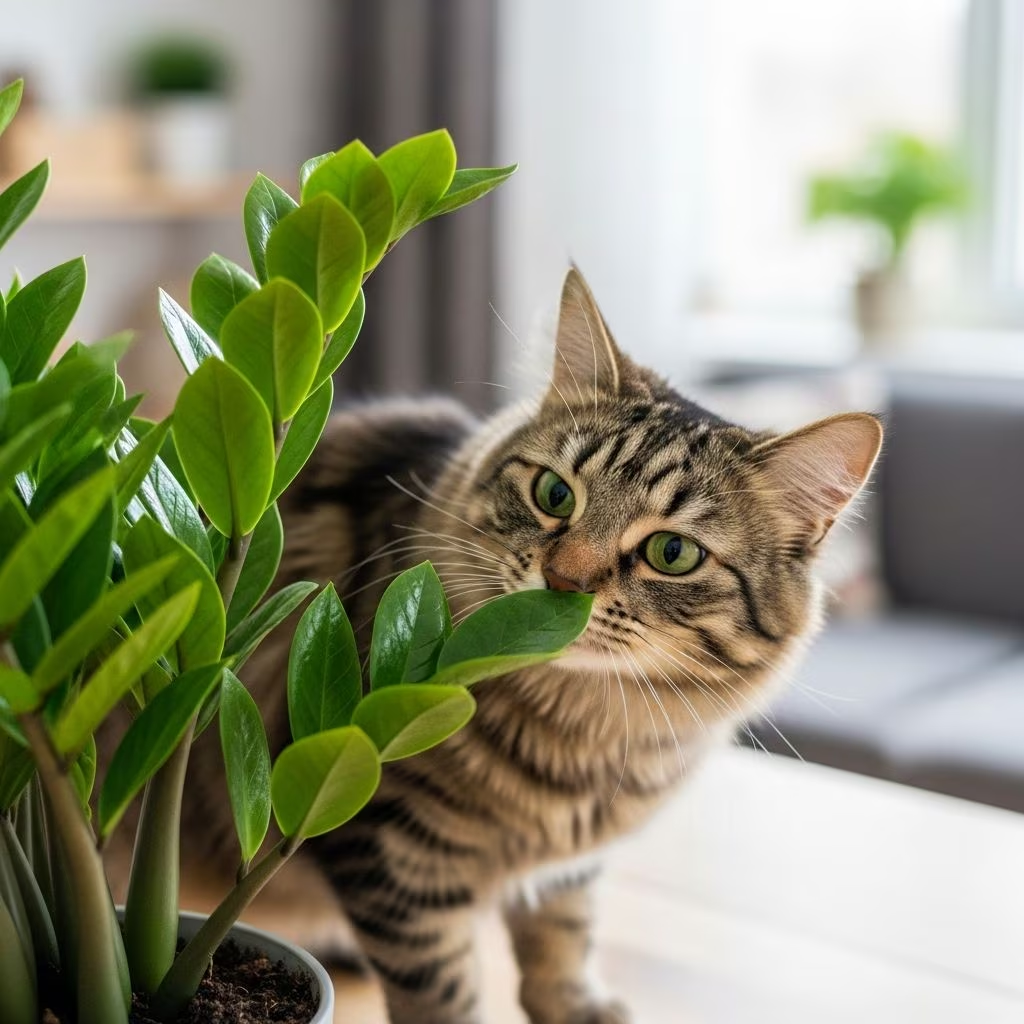
ZZ plants, prized for their low-maintenance appeal, harbor calcium oxalate crystals that make them a potential hazard for cats. These sharp crystals can cause oral irritation and digestive upset upon ingestion, though severe outcomes remain uncommon.
Understanding the ZZ Plant’s Appeal and Hidden Dangers
With glossy, dark green leaves and a tolerance for neglect, the ZZ plant (Zamioculcas zamiifolia) has become a favorite among indoor gardeners. Native to arid regions of Africa, it thrives in low light and infrequent watering, making it ideal for busy households. However, its membership in the Araceae family introduces risks due to insoluble calcium oxalate crystals embedded in all parts of the plant.
These crystals form needle-like structures known as raphides, which penetrate soft tissues when chewed. In cats, this leads to immediate discomfort rather than systemic poisoning, distinguishing ZZ plants from more lethal flora.
The Science of Calcium Oxalate in Plants
Calcium oxalate serves as a defense mechanism in many plants, deterring herbivores with its irritant properties. When a cat bites into a ZZ leaf, the crystals are released, embedding in the mouth’s mucous membranes and triggering histamine release from mast cells. This causes inflammation, pain, and excessive salivation.
Unlike soluble toxins that circulate through the bloodstream, these crystals remain localized, passing through the gastrointestinal tract without absorption. Veterinary toxicology confirms that while irritation occurs, the body expels them naturally in most cases.
| Plant Family | Key Toxin | Effect on Cats |
|---|---|---|
| Araceae (incl. ZZ) | Calcium Oxalate Crystals | Oral/gut irritation |
| Liliaceae (Lilies) | Unknown Compounds | Kidney failure |
| Solanaceae (Tomato) | Solanine | Neurological symptoms |
This table compares ZZ plant risks to other common houseplants, highlighting why ZZ exposure is milder.
Recognizing Symptoms of ZZ Plant Exposure in Cats
Cats may paw at their mouth, drool excessively, or refuse food after nibbling a ZZ plant. Gastrointestinal signs like vomiting or diarrhea typically follow within hours.
- Immediate oral signs: Pawing at mouth, drooling, reluctance to eat.
- Digestive issues: Vomiting, loose stools, reduced appetite.
- Rare severe reactions: Swelling leading to breathing difficulty or lethargy.
Monitor for 24-48 hours post-exposure, as symptoms usually peak early and resolve with supportive care.
How Severe Is the Risk? Assessing Real-World Impact
Veterinary data indicates ZZ plants rarely cause life-threatening issues in cats. Most incidents involve mild, self-limiting symptoms because felines typically sample rather than consume large quantities. A study on houseplant toxicities notes that Araceae family exposures lead to irritation in under 5% of cases escalating to veterinary intervention.
That said, kittens, seniors, or cats with pre-existing conditions face higher vulnerability. Always err on caution: even minor irritation can deter eating and hydration.
Immediate Steps If Your Cat Ingests ZZ Plant Material
- Remove access: Secure the plant immediately.
- Rinse mouth: Gently wipe or rinse with water if cooperative; avoid forcing.
- Offer soothing foods: Milk, yogurt, or bland diet to bind crystals.
- Contact professionals: Call vet or ASPCA Poison Control (888-426-4435).
- Monitor closely: Track symptoms; seek emergency care for breathing issues.
Do not induce vomiting without guidance, as crystals may worsen esophageal damage.
Prevention Strategies for Cat-Safe Homes
Proactive measures ensure harmony between cats and houseplants. Elevate ZZ plants on high shelves or hanging baskets beyond leaping range. Use pet-proof enclosures or rooms off-limits to felines.
- Train with deterrents like citrus sprays or aluminum foil around bases.
- Opt for motion-activated air puffs to discourage approaches.
- Supervise playtime near greenery.
For multi-plant homes, audit all specimens against ASPCA toxic lists.
Safe Plant Alternatives for Cat Lovers
Embrace these non-toxic options to maintain your green oasis:
| Plant Name | Care Level | Benefits |
|---|---|---|
| Spider Plant | Low | Air-purifying, dangling foliage |
| Parlor Palm | Medium | Tall, elegant, shade-tolerant |
| Boston Fern | Medium | Lush, humidity-loving |
| Calathea | Medium | Colorful patterns, pet-safe |
| Areca Palm | Low | Bamboo-like, brightens spaces |
These thrive indoors without risking feline health.
Debunking Online Myths About ZZ Plant Toxicity
Social media often exaggerates ZZ dangers, claiming instant lethality. Reputable sources like ASPCA omit ZZ from top toxic lists, affirming mild effects. Peer-reviewed analyses emphasize crystal-induced irritation over fatal poisoning, countering alarmist posts.
Cross-reference claims with vet-approved databases for accuracy.
Long-Term Health Considerations for Cats Around Plants
Repeated minor exposures compound stress, potentially leading to aversion or nutritional deficits. Integrate plant safety into routine home checks, especially during holidays when new decor arrives. Educate family on risks to prevent accidents.
FAQs: ZZ Plants and Cat Safety
Are ZZ plants fatal to cats?
No, they cause irritation but not death in typical exposures.
What if my cat licks a ZZ plant without chewing?
Surface contact rarely causes issues; monitor for any drooling.
Can I use ZZ plants if my cat ignores plants?
Better safe: cats’ curiosity can change suddenly.
How long do symptoms last?
Usually 12-24 hours with supportive care.
Are there treatments beyond home care?
Vets may prescribe anti-inflammatories or fluids for severe cases.
ZZ plants enhance homes but demand vigilance around cats. Prioritize prevention and quick response to keep both thriving.
References
- Are ZZ Plants Toxic to Cats? Vet-Reviewed Safety Facts — Hepper. 2023. https://articles.hepper.com/are-zz-plants-toxic-to-cats/
- ZZ Plants Toxic to Cats — Oreate AI Blog. 2023. https://www.oreateai.com/blog/zz-plants-toxic-to-cats/99f49a0e34f1e736c56ae055956f4bbb
- Are ZZ Plants Toxic to Cats? — Catster. 2023. https://www.catster.com/cat-health-care/are-zz-plants-toxic-to-cats/
- Toxicity of House Plants to Pet Animals — PMC (PubMed Central). 2023-05-24. https://pmc.ncbi.nlm.nih.gov/articles/PMC10220692/
- These Houseplants Can Cause Trouble for Your Pets — ASPCA. 2023. https://www.aspca.org/news/these-houseplants-can-cause-trouble-your-pets



