

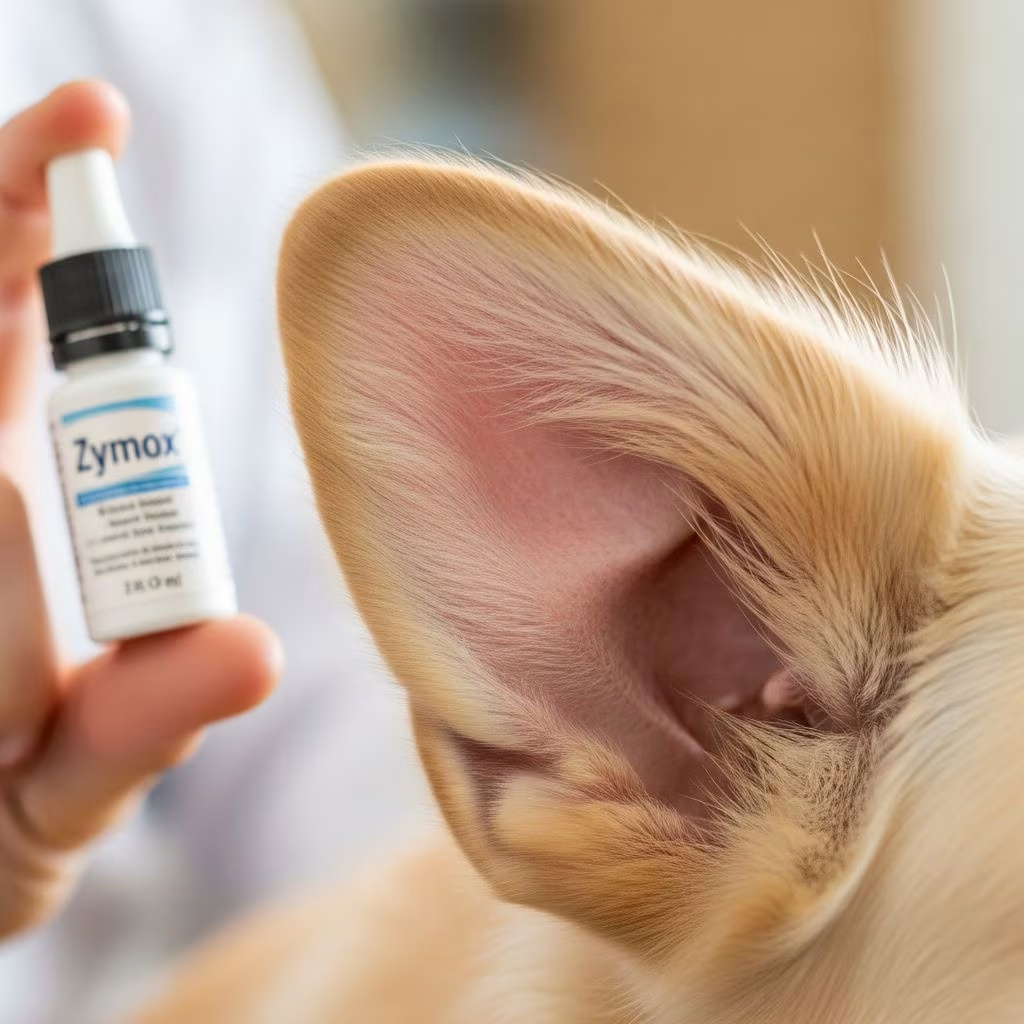
Dog ear infections, medically termed otitis externa, affect the outer ear canal and cause significant discomfort for pets. Zymox, an enzyme-based topical treatment, provides a non-antibiotic alternative that leverages the body’s natural defenses to combat bacteria, yeast, and fungi without promoting resistance.
Recognizing the Signs of Ear Trouble in Dogs
Early detection is crucial for preventing complications. Common indicators include excessive head shaking, as dogs try to alleviate itching or pain. Scratching at the ears or face often leads to further irritation and secondary injuries.
- Visible redness or swelling around the ear flap and canal entrance signals inflammation.
- Foul odor emanating from the ear suggests bacterial or yeast overgrowth.
- Discharge, ranging from waxy buildup to pus-like fluid, is a hallmark of infection.
- Sensitivity to touch, where dogs yelp or pull away when ears are handled.
- Head tilt or balance issues in advanced cases, indicating possible middle or inner ear involvement.
Breeds with floppy ears like Cocker Spaniels or Basset Hounds show these symptoms more frequently due to poor ventilation. Prompt veterinary examination, including ear cytology, confirms the presence of pathogens.
Root Causes Behind Canine Ear Infections
Ear infections rarely occur in isolation; underlying factors create an environment ripe for microbial proliferation. Allergies, both environmental and food-related, disrupt the ear’s skin barrier, allowing yeast like Malassezia or bacteria such as Pseudomonas to thrive.
| Primary Causes | Description | Common Examples |
|---|---|---|
| Allergies | Immune reactions inflame ear skin | Atopic dermatitis, food sensitivities |
| Parasites | Infestations irritate the canal | Ear mites (Otodectes cynotis) |
| Moisture | Trapped water alters pH | Swimming, bathing |
| Foreign Bodies | Debris causes trauma | Grass seeds, foxtails |
| Anatomy/Breed | Structural issues reduce airflow | Floppy ears, narrow canals |
Perpetuating factors like glandular hyperplasia from chronic inflammation worsen the cycle, leading to recurrent issues. Endocrine disorders such as hypothyroidism can also predispose dogs by altering skin health.
How Zymox Works: The Science of Enzyme Therapy
Zymox harnesses lysozyme, lactoperoxidase, and other bio-enzymes that mimic the ear’s natural antimicrobial system. These enzymes produce hydrogen peroxide in low amounts upon contact with pathogens, effectively lysing bacterial and yeast cell walls without harming healthy tissue. Unlike antibiotics, Zymox minimizes resistance risks, making it ideal for chronic cases.
Available in otic solutions with or without hydrocortisone, the plus-hydrocortisone variant adds anti-inflammatory benefits for swollen, painful ears. Studies on enzyme therapies support their efficacy in veterinary otitis management, aligning with recommendations for topical mainstay treatments.
Step-by-Step Guide to Using Zymox Effectively
Consult a veterinarian before starting Zymox to rule out ruptured eardrums, which contraindicate its use. Follow these steps for optimal results:
- Clean gently: Use a vet-recommended saline or ceruminolytic solution to remove debris. Avoid over-cleaning, as it strips protective waxes.
- Apply Zymox: Fill the canal with 5-10 drops (depending on dog size), massage the base of the ear for 30 seconds, and let the dog shake out excess.
- Dose schedule: Administer once daily for 7-14 days for active infections; twice daily for stubborn cases. No antibiotics or cleaners during treatment to preserve enzyme activity.
- Monitor progress: Improvement typically occurs within 3-5 days; full resolution in 1-2 weeks.
For maintenance, the low-dose Zymox flush prevents recurrence in prone dogs, applied weekly after cleaning.
Potential Side Effects and When to Seek Help
Zymox is generally well-tolerated, with rare mild stinging upon initial application. Discontinue if worsening occurs, such as increased discharge or balance loss, signaling deeper infection (otitis media/interna). Severe cases may require systemic antibiotics like enrofloxacin or antifungals such as itraconazole for 6-8 weeks. Surgery addresses structural abnormalities in refractory otitis.
Hospitalization with IV fluids aids dogs nauseous from inner ear involvement. Always pair Zymox with allergy testing or diet trials for underlying causes.
Preventive Strategies for Long-Term Ear Health
Proactive care reduces infection frequency by 50-70% in susceptible breeds. Key measures include:
- Regular drying: After water exposure, use absorbent towels or low-heat blow dryers held at a distance.
- Weekly cleaning: Employ hypoallergenic solutions; avoid alcohol-based products that irritate.
- Allergy management: Hypoallergenic diets, antihistamines, or immunotherapy as vet-recommended.
- Parasite control: Monthly ear mite preventives in high-risk environments.
- Breed-specific grooming: Trim hair in ear canals of spaniels and poodles for better airflow.
Annual vet ear exams catch issues early, especially for swimmers or allergy-prone dogs.
Real-World Success Stories and Vet Insights
Veterinarians report high success rates with Zymox in mild-to-moderate otitis, particularly yeast-driven cases resistant to traditional drops. One study analogue notes enzyme cleaners improve hearing post-debridement by clearing exudates. Pet owners note reduced vet visits after adopting routine Zymox flushing, emphasizing consistency.
FAQs on Zymox and Dog Ear Infections
Q: Can Zymox treat all ear infections?
A: Best for outer ear (otitis externa); vet evaluation needed for middle/inner ear involvement.
Q: Is Zymox safe for puppies or senior dogs?
A: Yes, from 4 weeks old, but confirm with a vet for any health conditions.
Q: How long until I see results?
A: Symptoms often ease in 3 days; complete treatment course prevents relapse.
Q: Does Zymox replace antibiotics?
A: It often does for uncomplicated cases, reducing resistance risks.
Q: What if my dog has a ruptured eardrum?
A: Do not use; systemic meds are safer.
Choosing the Right Zymox Product
Select based on symptoms: standard for clean infections, hydrocortisone-plus for itchy/inflamed ears. Flush versions suit prevention. Store at room temperature, away from light.
In summary, Zymox empowers pet owners with a safe, effective tool against ear infections, but integrates best within a holistic veterinary plan addressing root causes.
References
- Signs of Ear Infections in Dogs — PetNest Animal Hospital. 2024-08-02. https://petnestanimalhospital.com/2024/08/02/signs-of-ear-infections-in-dogs/
- Inner Ear Infection (Otitis Interna) in Dogs — VCA Animal Hospitals. https://vcahospitals.com/know-your-pet/inner-ear-infection-otitis-interna-in-dogs
- Common Causes & Treatment for Dog Ear Infections — Elanco. https://yourpetandyou.elanco.com/us/health-and-care/dog-ear-infections-causes-symptoms-treatment
- Canine otitis externa — Treatment and complications — PMC (National Library of Medicine). 2018-12-01. https://pmc.ncbi.nlm.nih.gov/articles/PMC6294027/
- Dog Ear Infections: Symptoms, Causes, Treatment — American Kennel Club. https://www.akc.org/expert-advice/health/dog-ear-infections/



