

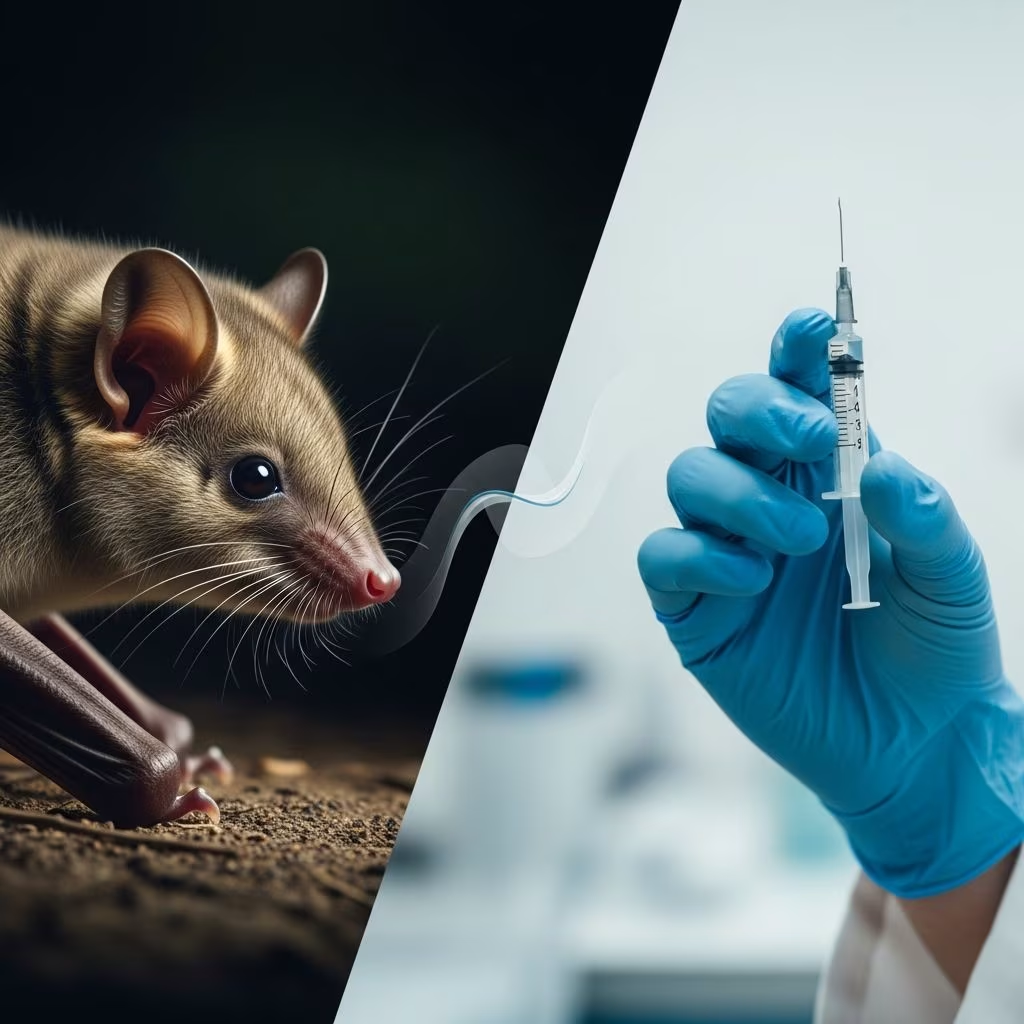
Zoonotic diseases represent a critical intersection between animal and human health, where pathogens transfer from animals to people, posing significant risks to global well-being. These illnesses, caused by bacteria, viruses, parasites, fungi, and prions, account for a substantial portion of emerging infectious diseases.
Understanding the Nature of Zoonoses
A zoonosis occurs when a pathogen naturally jumps from vertebrate animals to humans or vice versa, often through direct contact, contaminated food, water, or vectors like insects. This phenomenon underscores the ‘One Health’ concept, emphasizing interconnectedness of human, animal, and environmental health. Globally, zoonoses contribute to major outbreaks, from historical plagues to modern pandemics like COVID-19.
Humans encounter these risks through close proximity to animals in agriculture, companionship, or wildlife settings. Livestock, pets, rodents, bats, and birds serve as common reservoirs, amplifying transmission potential in densely populated areas.
Primary Pathogens Behind Zoonotic Threats
Zoonotic agents span multiple categories, each with unique transmission dynamics and clinical impacts.
Bacterial Zoonoses
Bacteria are among the most frequent culprits, often spreading via contaminated food, water, or direct contact. Key examples include:
- Anthrax: Caused by Bacillus anthracis, typically from livestock hides or meat; symptoms range from skin ulcers to severe respiratory failure.
- Brucellosis: From Brucella species in unpasteurized dairy or animal tissues; leads to undulating fever and joint pain.
- Salmonellosis and Campylobacteriosis: Common in poultry and reptiles; cause gastroenteritis, with over 90% of bacterial foodborne illnesses linked to these.
- Leptospirosis: Urine from infected rats or dogs contaminates water; results in fever, organ failure.
Viral Zoonoses
Viral pathogens often emerge suddenly, with high pandemic potential. Notable ones are:
- Rabies: Nearly 100% fatal without prompt treatment; transmitted via saliva from dogs, bats, or wildlife bites.
- Avian Influenza and Ebola: From birds and bats respectively; can cause severe respiratory distress or hemorrhagic fever.
- West Nile Virus and Hantavirus: Vector-borne or aerosolized from rodent droppings; lead to neurological issues or pulmonary syndrome.
Parasitic and Protozoal Zoonoses
Parasites thrive in intermediate hosts, infecting humans incidentally:
- Toxoplasmosis: Toxoplasma gondii from cat feces or undercooked meat; risks congenital defects.
- Malaria and Trypanosomiasis: Mosquito-vectored from primates or livestock; cause fever cycles and sleeping sickness.
- Hydatidosis: Echinococcus granulosus cysts from dogs/sheep; form in vital organs.
Fungal, Rickettsial, and Prion Diseases
Less common but notable:
- Ringworm: Dermatophyte fungi from pets; superficial skin infections.
- Q Fever: Coxiella burnetii aerosolized from birthing livestock; flu-like with pneumonia risk.
- Mad Cow Disease (vCJD): Prions from contaminated beef; neurodegenerative prionopathy.
Transmission Pathways: How Zoonoses Spread
Understanding routes is key to interruption. Common pathways include:
| Transmission Type | Description | Examples |
|---|---|---|
| Direct Contact | Touching infected animals, bites, scratches | Rabies, Cat Scratch Disease |
| Foodborne | Undercooked meat, unpasteurized milk, contaminated produce | Salmonella, Trichinosis |
| Waterborne | Contaminated water sources with feces/urine | Leptospirosis, Giardiasis |
| Vector-Borne | Ticks, mosquitoes, fleas | Lyme Disease, Plague |
| Aerosolized | Inhaled dust/particles from habitats | Q Fever, Hantavirus |
Pets like dogs, cats, and birds pose risks through scratches (e.g., Pasteurella) or feces (e.g., Toxoplasma). Livestock in farms amplify food chain threats.
High-Risk Groups and Global Impact
Vulnerable populations include farmers, veterinarians, abattoir workers, and immunocompromised individuals. Children and elderly face heightened risks from pets. Economically, zoonoses disrupt trade, agriculture, and healthcare; COVID-19 exemplified global costs.
Emerging zoonoses like MERS, SFTS, and SARS highlight mutation risks in animal reservoirs.
Prevention and Control Measures
Proactive strategies mitigate spread:
- Vaccination: Core for rabies, anthrax; livestock immunization curbs reservoirs.
- Hygiene Practices: Handwashing post-animal contact, cooking meats thoroughly.
- Vector Control: Insecticides, tick checks for outdoor activities.
- Surveillance: One Health monitoring detects outbreaks early.
- Education: Avoid raw milk, wildlife handling; pet deworming.
Case Studies: Notable Outbreaks
Recent events illustrate urgency:
- 2023 Montana poultry-linked Salmonella/Campylobacter: 72 cases, 11 hospitalizations.
- Avian flu waves threatening human spillover.
- Rabies persistence in dog populations despite vaccines.
Frequently Asked Questions (FAQs)
What is a zoonotic disease?
An infection transferring naturally between animals and humans.
Are pets a major source?
Yes, via scratches, feces, or saliva; regular vet care reduces risks.
Can zoonoses cause pandemics?
Absolutely, as with COVID-19 and Ebola.
How to prevent foodborne zoonoses?
Cook meats to safe temperatures, pasteurize milk.
What role does climate play?
Warming expands vector ranges, increasing outbreaks.
Integrating veterinary, medical, and environmental efforts is vital for zoonotic control, fostering resilient communities.
References
- Zoonotic Diseases: Etiology, Impact, and Control — PMC (National Library of Medicine). 2020-10-01. https://pmc.ncbi.nlm.nih.gov/articles/PMC7563794/
- Zoonotic Diseases — Montana DPHHS. 2023-12-01. https://dphhs.mt.gov/publichealth/cdepi/diseases/Zoonotic
- Zoonotic Diseases: Types, Transmission & Treatment — Cleveland Clinic. 2024-01-15. https://my.clevelandclinic.org/health/diseases/zoonotic-diseases
- Zoonoses — World Health Organization (WHO). 2024-05-20. https://www.who.int/news-room/fact-sheets/detail/zoonoses
- Five Zoonotic Diseases You Need to Know About — HealthforAnimals. 2023-11-10. https://healthforanimals.org/resources/newsletter/articles/five-zoonotic-diseases-you-need-to-know-about/
- Disease Transmitted from Animals to Humans — Minnesota Department of Health. 2024-02-01. https://www.health.state.mn.us/diseases/animal/zoo/index.html
- About Zoonotic Diseases | One Health — Centers for Disease Control and Prevention (CDC). 2024-06-15. https://www.cdc.gov/one-health/about/about-zoonotic-diseases.html



