
Zoonotic Diseases: Risks from Animals to Humans
Discover key zoonotic diseases transmitted from pets, livestock, and wildlife, their symptoms, prevention strategies, and global health impacts.
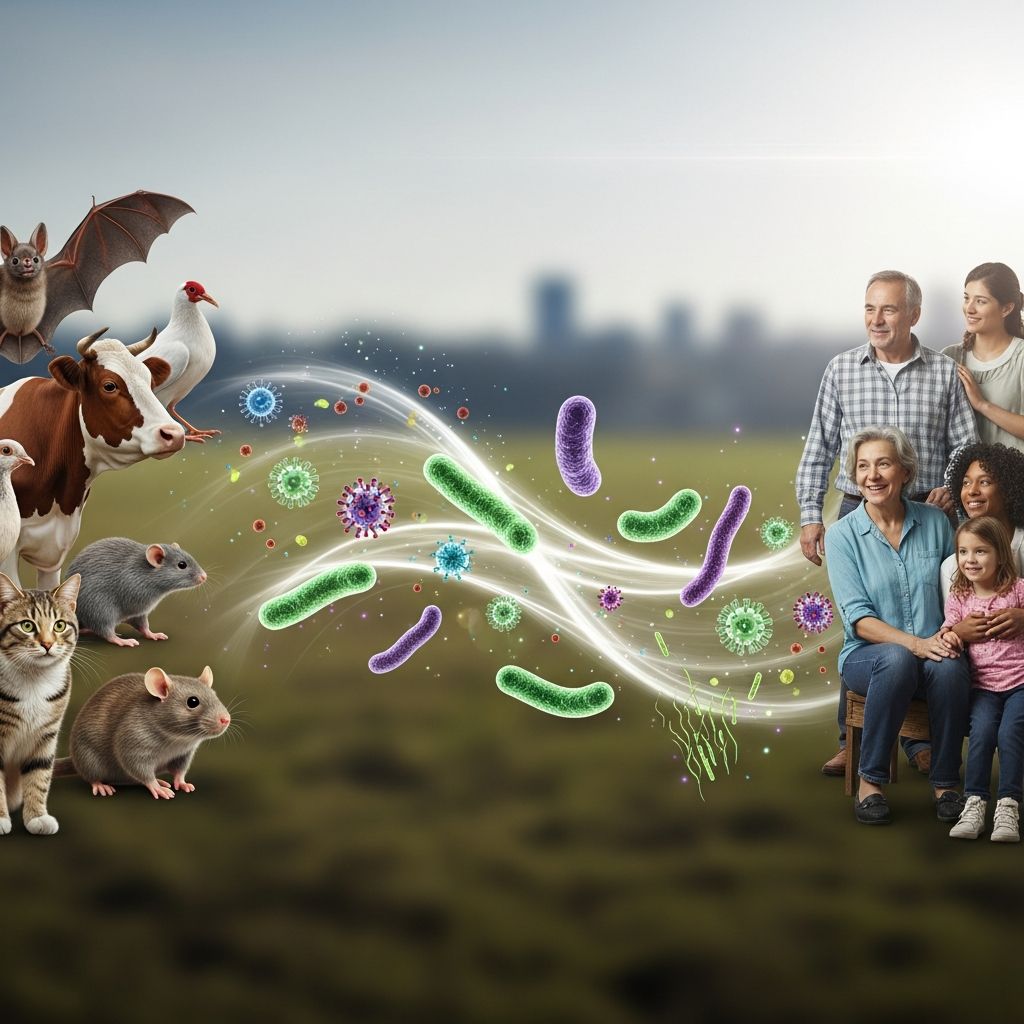
Zoonotic diseases, or zoonoses, represent illnesses that naturally transfer from animals to people, posing significant public health challenges worldwide. These infections span bacterial, viral, parasitic, and fungal origins, often emerging from close contact with pets, livestock, or wildlife. Understanding their transmission routes and symptoms empowers individuals to adopt preventive measures effectively.
Understanding Zoonotic Transmission Pathways
Transmission occurs through various mechanisms, including direct contact via bites or scratches, inhalation of aerosols, consumption of contaminated food or water, and vector bites like ticks or mosquitoes. Direct zoonoses, such as rabies from animal saliva, exemplify straightforward animal-to-human jumps, while others involve environmental contamination or intermediate hosts.
Companion animals like dogs and cats frequently harbor pathogens transferable to owners, especially through scratches or fecal matter. Livestock contributes via unpasteurized dairy or undercooked meat, and wildlife amplifies risks in rural or travel settings. Global trade and climate shifts exacerbate emergence of novel zoonoses.
Key Bacterial Zoonoses and Their Impacts
Bacterial zoonoses dominate reported cases due to their prevalence in domesticated animals. Prominent examples include:
- Brucellosis: Caused by Brucella species, primarily from cattle, sheep, goats, and pigs. Humans acquire it via raw milk, undercooked meat, or placental contact during birthing. Symptoms feature prolonged fever, joint pain, and fatigue, with up to 500,000 annual global cases.
- Leptospirosis: Leptospira bacteria from infected urine of dogs, rats, and livestock contaminate water sources. It manifests as fever, muscle aches, and severe organ involvement like kidney failure.
- Salmonellosis and Campylobacteriosis: Common in poultry, reptiles, and mammals; spread through feces-tainted food or handling. Gastrointestinal distress predominates.
These infections underscore the need for hygiene in animal handling and food preparation.
Viral Zoonoses: High-Profile Threats
Viral pathogens often spark pandemics due to rapid mutation and spread. Notable ones include:
- Rabies: Nearly 100% fatal post-symptoms, transmitted via saliva from dogs, bats, or wildlife bites. Early vaccination post-exposure is lifesaving.
- Avian Influenza: Bird flu strains like H5N1 pass through droplets or fomites from poultry. Human cases present respiratory failure risks.
- Emerging Coronaviruses: SARS, MERS, and COVID-19 originated in animal reservoirs, highlighting spillover potential from bats or camels.
| Disease | Primary Animal Source | Human Symptoms | Transmission Mode |
|---|---|---|---|
| Rabies | Dogs, bats | Neurological paralysis, hydrophobia | Bite, scratch |
| Avian Flu | Birds | Fever, cough, pneumonia | Droplets, contact |
| MERS | Camels | Severe respiratory distress | Droplets |
Parasitic Zoonoses: Hidden Dangers in Pets and Soil
Parasites thrive in animal intestines, contaminating environments where humans unwittingly ingest eggs or larvae. Critical examples:
- Toxoplasmosis: Toxoplasma gondii from cat feces or undercooked meat (pigs, sheep). Pregnant women face fetal risks like birth defects; others experience flu-like symptoms.
- Roundworms (Toxocariasis): Toxocara canis (dogs) and T. cati (cats) cause visceral or ocular larva migrans, leading to vision loss or organ damage in children.
- Hydatid Disease (Echinococcosis): Echinococcus granulosus from dogs and livestock forms cysts in human organs, causing pain and rupture risks.
Gardening or sandbox play heightens exposure; daily litter box cleaning mitigates cat-related risks.
Fungal and Rickettsial Zoonoses Overview
Fungal infections like ringworm (Microsporum from pets) cause itchy skin lesions via direct contact. More severe are blastomycosis (Blastomyces dermatitidis) and histoplasmosis from soil enriched with animal droppings, affecting lungs.
Rickettsial diseases, such as Rocky Mountain spotted fever from tick-infested dogs or rodents, feature fever, rash, and vascular damage. Q fever (Coxiella burnetii) from livestock birth products causes pneumonia.
Prevention Strategies for Everyday Protection
Robust prevention hinges on multifaceted approaches:
- Vaccinations: Core for rabies in pets and humans in endemic areas.
- Hygiene Practices: Handwashing post-animal contact, cooking meat thoroughly, pasteurizing dairy.
- Veterinary Care: Routine deworming, flea/tick control, and health screenings for pets.
- Environmental Controls: Avoid wild animal contact; secure garbage from rodents.
Public health campaigns emphasize these, particularly for immunocompromised individuals and children.
Global and Regional Zoonotic Hotspots
Over two-thirds of emerging infections stem from animals, with hotspots in Africa (Rift Valley fever, Ebola) and Asia (Nipah virus). Recent outbreaks include yellow fever in Sudan and West Nile in Tunisia. In the U.S., CDC tracks pet-related cases like MRSA and leptospirosis.
FAQs on Zoonotic Diseases
What are the most common zoonoses from pets?
Rabies, toxoplasmosis, ringworm, and salmonella top lists for dogs and cats.
Can vaccines prevent all zoonoses?
No, only specific ones like rabies have vaccines; hygiene prevents most others.
Are zoonoses a risk for pregnant women?
Yes, toxoplasmosis and listeriosis pose fetal threats; avoid raw foods and cat litter.
How do emerging zoonoses like COVID-19 arise?
Through animal-human interface at markets or farms, enabling viral adaptation.
What role do ticks play in zoonoses?
They vector Lyme disease, anaplasmosis, and babesiosis from deer and rodents.
References
- Zoonotic Diseases: Etiology, Impact, and Control — PMC – NIH. 2020-10-01. https://pmc.ncbi.nlm.nih.gov/articles/PMC7563794/
- Zoonotic infectious disease — Center for One Health Research – UW. 2023-01-15. https://cohr.deohs.washington.edu/zoonotic-infectious-disease
- Zoonotic disease: emerging public health threats in the Region — WHO EMRO. 2014-10-20. https://www.emro.who.int/about-who/rc61/zoonotic-diseases.html
- Five zoonotic diseases you need to know about — HealthforAnimals. 2018-07-10. https://healthforanimals.org/resources/newsletter/articles/five-zoonotic-diseases-you-need-to-know-about/
- Facts About Diseases that Can Spread Between Animals and People — CDC. 2025-01-01. https://www.cdc.gov/healthy-pets/diseases/index.html
- Zoonotic Diseases: Disease Transmitted from Animals to Humans — MN Dept. of Health. 2024-06-12. https://www.health.state.mn.us/diseases/animal/zoo/index.html
Similar Articles








Read full bio of Sneha Tete


