
Zoonoses: 4 Major Pathogen Types And Animal Hosts
Explore how animal pathogens jump to humans, key hosts, transmission routes, and prevention strategies for zoonotic threats.
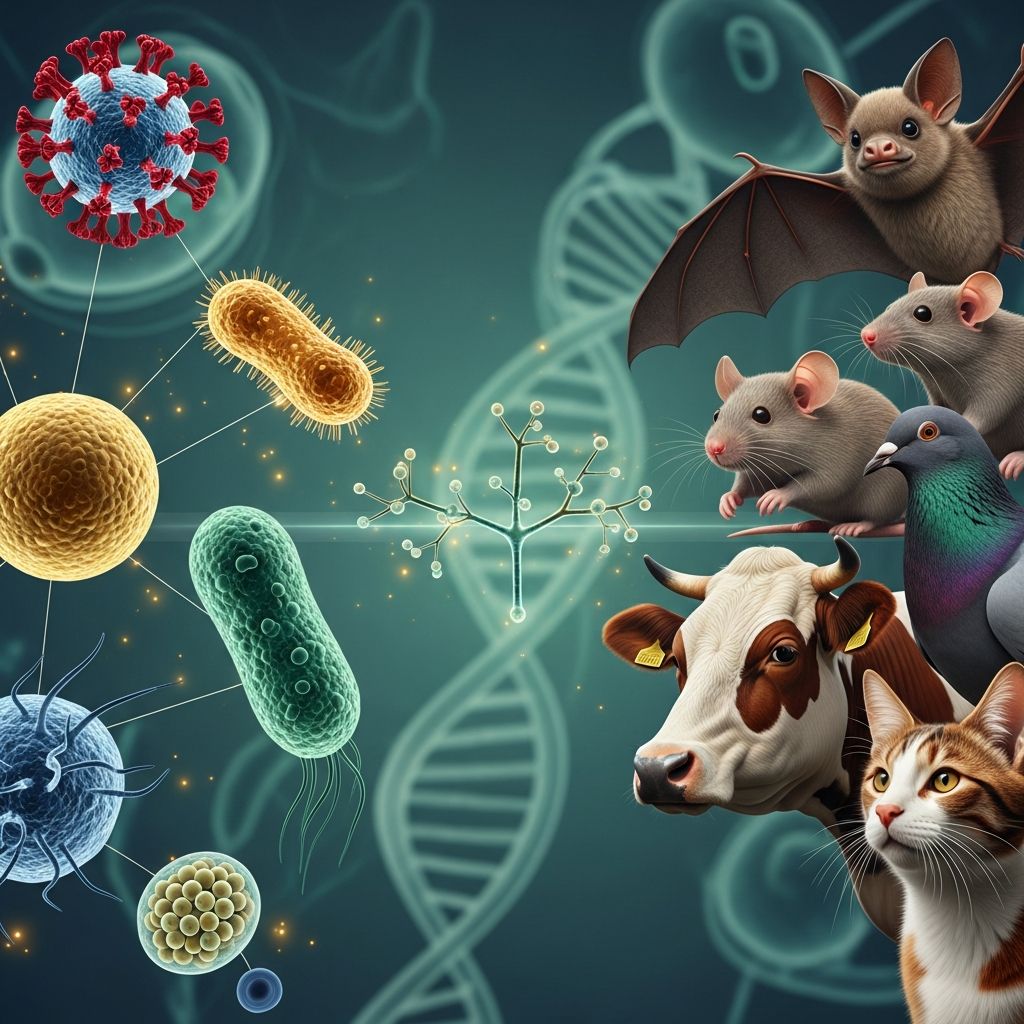
Zoonotic diseases, or zoonoses, represent infections that naturally transfer between vertebrate animals and humans, posing significant risks to global public health. These illnesses arise from bacteria, viruses, parasites, fungi, and other agents harbored in various animal species, often jumping species barriers through direct contact, contaminated food, water, or vectors like insects.
Understanding the Scope of Zoonotic Transmission
The interface between humans and animals has expanded due to urbanization, international travel, and agricultural intensification, amplifying zoonotic spillover events. Over 60% of emerging infectious diseases stem from animal origins, including major outbreaks like COVID-19, Ebola, and avian influenza. Animals serve as reservoirs, maintaining pathogens without overt symptoms, facilitating silent spread until human exposure occurs.
Transmission occurs via multiple pathways: direct contact through bites or scratches, indirect exposure to contaminated environments, vector-mediated bites from ticks or mosquitoes, and ingestion of tainted food or water. Pets, livestock, wildlife, and even exotic animals all contribute to this dynamic.
Major Categories of Zoonotic Pathogens
Zoonoses are classified by their etiological agents, each presenting unique challenges in diagnosis, treatment, and prevention. Below, we break down the primary groups with examples of pathogens, host animals, and human impacts.
Bacterial Zoonoses
Bacteria are among the most common zoonotic agents, often thriving in animal digestive tracts or skin. Key examples include:
- Salmonellosis: Caused by Salmonella spp., primarily from poultry, cattle, pigs, and reptiles. Humans experience fever, diarrhea, and abdominal cramps, with over 90% of bacterial foodborne illnesses linked to Salmonella and Campylobacter.
- Brucellosis: Brucella spp. from cattle, goats, sheep, and dogs leads to undulating fever, joint pain, and fatigue in humans.
- Leptospirosis: Leptospira interrogans from rodents, dogs, and livestock contaminates water, causing flu-like symptoms, jaundice, and organ failure.
These infections frequently link to pets and livestock, emphasizing hygiene in handling.
Viral Zoonoses
Viruses mutate rapidly, enabling cross-species jumps. Notable ones include:
- Rabies: Rhabdovirus from dogs, bats, raccoons, and foxes; nearly always fatal once symptomatic, transmitted via bites.
- Avian Influenza: Influenza A viruses from birds, causing respiratory distress and high mortality in severe cases.
- Ebola: Filoviruses from bats and primates, leading to hemorrhagic fever with fatality rates up to 90%.
Emerging viral zoonoses like SARS, MERS, and COVID-19 highlight the pandemic potential.
Parasitic Zoonoses
Parasites range from protozoa to helminths, often acquired through soil, water, or undercooked meat. Examples:
- Toxoplasmosis: Toxoplasma gondii from cats, pigs, sheep; causes lymphadenopathy, fever, and birth defects in pregnancy.
- Trichinosis: Trichinella spiralis from undercooked pork or wild game, resulting in muscle pain and fever.
- Hydatidosis: Echinococcus granulosus from dogs and livestock, forming cysts in organs like liver and lungs.
These often affect subcutaneous tissues or intestines, with chronic symptoms.
Fungal and Other Zoonoses
Fungi like Aspergillus spp. from birds and Blastomyces dermatitidis from dogs cause respiratory issues and skin lesions. Prion diseases, such as mad cow (BSE), transmit via contaminated beef, leading to neurodegenerative decline.
Animal Reservoirs: From Wildlife to Domestic Species
Different animals act as primary hosts, influencing transmission risks. Here’s a comparative overview:
| Animal Group | Key Pathogens | Common Zoonoses | Risk Factors |
|---|---|---|---|
| Livestock (cattle, sheep, pigs) | Brucella, Salmonella, Toxoplasma | Brucellosis, Salmonellosis, Toxoplasmosis | Raw milk consumption, undercooked meat |
| Pets (dogs, cats) | Rabies virus, Bartonella henselae, Hookworms | Rabies, Cat Scratch Disease, Ancylostomiasis | Bites, scratches, fecal contact |
| Wildlife (bats, rodents) | Ebolavirus, Leptospira, Hantavirus | Ebola, Leptospirosis, Hantavirus fever | Habitat encroachment, bushmeat |
| Birds & Poultry | Influenza A, Campylobacter, Chlamydia psittaci | Avian Flu, Campylobacteriosis, Psittacosis | Feather dust, egg handling |
| Reptiles/Amphibians | Salmonella | Salmonellosis | Tank water, handling without washing |
Livestock and pets pose the highest risks for domestic settings, while wildlife drives emerging threats.
Symptoms and Health Impacts in Humans
Zoonotic symptoms vary widely: mild gastrointestinal upset from Campylobacter to severe neurological damage from rabies. Common signs include fever, rash, respiratory distress, and organ involvement. Vulnerable groups—children, elderly, immunocompromised—face higher complication rates. Foodborne zoonoses alone sicken 1 in 6 Americans yearly.
Prevention and Control Measures
Effective strategies integrate One Health approaches, linking veterinary, human, and environmental health:
- Vaccination: Rabies vaccines for pets and post-exposure prophylaxis for humans.
- Hygiene Practices: Handwashing after animal contact, cooking meat thoroughly, avoiding raw milk.
- Vector Control: Tick repellents, mosquito nets for diseases like Lyme or West Nile.
- Surveillance: Monitoring animal populations for early detection.
- Education: Awareness for pet owners about risks from reptiles or birds.
Antibiotics treat bacterial cases, antivirals for some viruses, but prevention trumps cure.
Emerging Zoonotic Threats
Recent examples include COVID-19 (likely bat origin), monkeypox from rodents, and MRSA from livestock. Climate change and deforestation heighten spillover risks by altering animal-human interfaces.
Frequently Asked Questions (FAQs)
What is a zoonotic disease?
A zoonosis is an infectious disease transmitted naturally between animals and humans, caused by bacteria, viruses, parasites, or fungi.
Which animals are most likely to spread zoonoses?
Livestock, pets like dogs and cats, birds, rodents, bats, and reptiles are primary reservoirs.
How can I protect myself from zoonotic diseases?
Wash hands after animal contact, cook food properly, vaccinate pets, and avoid wildlife handling.
Are all animal diseases zoonotic?
No, only those capable of infecting humans qualify as zoonoses.
Can zoonoses spread from human to animal?
Yes, reverse zoonoses occur, like MRSA from humans to pets.
References
- Zoonotic Diseases: Etiology, Impact, and Control — PMC (National Library of Medicine). 2020-10-01. https://pmc.ncbi.nlm.nih.gov/articles/PMC7563794/
- Zoonotic Diseases (BI0113) — UNDRR. Accessed 2026. https://www.undrr.org/understanding-disaster-risk/terminology/hips/bi0113
- Zoonotic Diseases: Types, Transmission & Treatment — Cleveland Clinic. Accessed 2026. https://my.clevelandclinic.org/health/diseases/zoonotic-diseases
- What are zoonotic diseases? | Explainer with examples — GIDEON. Accessed 2026. https://www.gideononline.com/blogs/what-are-zoonotic-diseases-zoonoses/
- Zoonotic Diseases – Disease Transmitted from Animals to Humans — Minnesota Department of Health. Accessed 2026. https://www.health.state.mn.us/diseases/animal/zoo/index.html
- About Zoonotic Diseases | One Health — CDC. Accessed 2026. https://www.cdc.gov/one-health/about/about-zoonotic-diseases.html
- Zoonotic diseases and pets — American Veterinary Medical Association (AVMA). Accessed 2026. https://www.avma.org/resources-tools/one-health/zoonotic-diseases-and-pets
Similar Articles








Read full bio of Sneha Tete


