
Zoonoses: Animal-to-Human Disease Transmission
Explore how diseases jump from animals to humans, key transmission routes, common examples, and vital prevention strategies for safer coexistence.
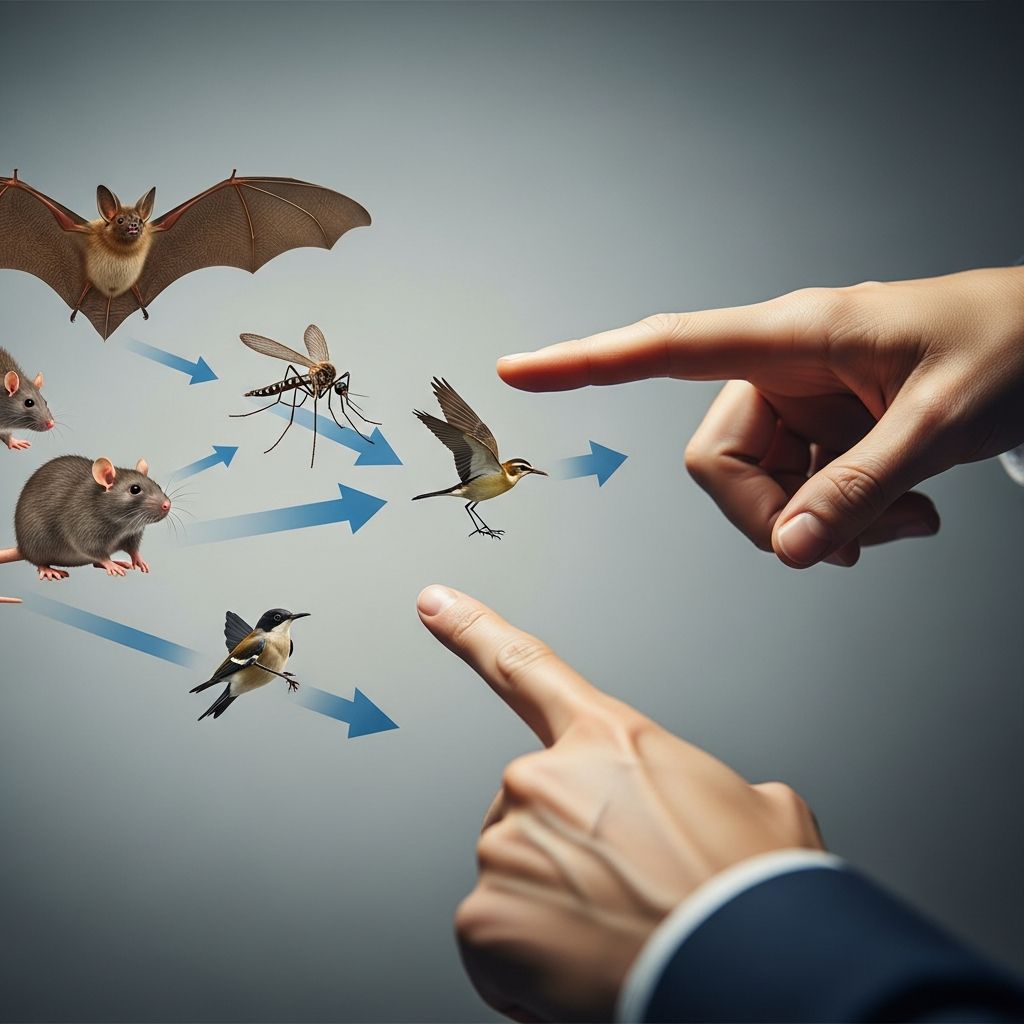
Zoonotic diseases, or zoonoses, represent infections that naturally transfer from vertebrate animals to humans or vice versa, posing significant public health challenges worldwide. These illnesses arise from pathogens such as bacteria, viruses, parasites, fungi, and prions, with over 60% of emerging infectious diseases classified as zoonotic. Understanding transmission dynamics is crucial for mitigating risks in our increasingly interconnected world with animals.
Defining Zoonotic Infections and Their Scope
A zoonosis occurs when a pathogen jumps species barriers, often from wildlife or domestic animals to people. Animals may show no symptoms yet harbor germs capable of causing severe human illness. Common carriers include livestock, pets, rodents, birds, and bats. The term derives from Greek ‘zoon’ meaning animal, highlighting the animal origin. Zoonoses can be bidirectional, but animal-to-human transmission dominates public health concerns.
Major Categories of Zoonotic Pathogens
Zoonoses span diverse etiologies, each with unique transmission patterns and impacts.
Bacterial Zoonoses
Bacteria are single-celled organisms releasing toxins that sicken humans. Prominent examples include anthrax, salmonellosis, tuberculosis, Lyme disease, brucellosis, plague, leptospirosis, campylobacteriosis, and Q fever. Pets commonly transmit brucellosis, campylobacteriosis, chlamydiosis, cat scratch fever (Bartonella henselae), salmonellosis, and MRSA. Foodborne bacteria like Salmonella spp. and Campylobacter spp. cause over 90% of bacterial food illnesses, with livestock as reservoirs.
Viral Zoonoses
Viruses hijack host cells to replicate. Key examples: rabies, AIDS origins, Ebola, avian influenza, West Nile fever, and emerging threats like MERS, SARS, and COVID-19. Rabies remains deadly without prompt treatment, often from bites. Emerging viral zoonoses include hantavirus, monkeypox, and rotavirus.
Parasitic Zoonoses
Parasites encompass worms, protozoa, and ectoparasites. Examples: toxoplasmosis (Toxoplasma gondii from cats, pigs), giardiasis, malaria, echinococcosis (hydatidosis from dogs/sheep), trichinosis, hookworms, and toxocariasis. Protozoal types like trypanosomiasis and balantidiasis affect multiple organs.
Fungal and Other Zoonoses
Fungi cause ringworm and aspergillosis (respiratory issues from birds/animals). Prions lead to mad cow disease (vCJD). Rickettsial (Q-fever), chlamydial (psittacosis), and mycoplasma infections also cross species.
| Disease | Pathogen | Animal Sources | Human Symptoms |
|---|---|---|---|
| Rabies | Rabies virus | Dogs, bats, wildlife | Fatal neurological failure |
| Salmonellosis | Salmonella spp. | Poultry, reptiles, livestock | Diarrhea, fever, cramps |
| Toxoplasmosis | Toxoplasma gondii | Cats, pigs, sheep | Lymphadenopathy, flu-like |
| Leptospirosis | Leptospira spp. | Rodents, dogs, livestock | Fever, jaundice, kidney failure |
| Brucellosis | Brucella spp. | Cattle, goats, pets | Fever, sweats, joint pain |
Primary Transmission Pathways
Zoonoses spread via multiple routes, demanding multifaceted prevention.
- Direct Contact: Skin breaks, bites, scratches expose humans to infected saliva, blood, or tissues. Rabies via bites, pasteurellosis from cat scratches exemplify this.
- Indirect Contact: Touching contaminated environments like animal bedding, soil, or habitats transfers germs.
- Vector-Borne: Insects/ticks (mosquitoes, fleas) carry pathogens; Lyme via ticks, plague via fleas.
- Foodborne: Consuming undercooked meat, unpasteurized dairy, or contaminated produce. Salmonella, E. coli STEC, Campylobacter, hepatitis E prevalent.
- Waterborne: Ingesting or contacting feces-contaminated water causes cryptosporidiosis, leptospirosis.
- Aerosol/Droplet: Inhaling respiratory secretions, as in avian influenza or Q fever.
Risks from Specific Animal Groups
Domestic Livestock and Wildlife
Cattle, sheep, goats host brucellosis, tuberculosis, Q fever. Buffaloes/dogs carry hydatidosis. Wildlife like bats (Ebola, rabies) and rodents (hantavirus, leptospirosis) pose higher risks due to unpredictability.
Pets and Companion Animals
Dogs/cats transmit rabies, toxoplasmosis, ringworm, hookworms. Reptiles/amphibians shed Salmonella. Frequent pet zoonoses: Lyme, leptospirosis, roundworms, tularemia.
Emerging Zoonotic Threats
Globalization, habitat loss, climate change fuel emergence. Notable: avian influenza, BSE, Ebola, West Nile, SFTS, MERS, SARS, COVID-19. Antimicrobial resistance (MRSA) complicates pet-human transmission. Over 1 in 6 Americans suffer foodborne zoonoses yearly.
Prevention and Control Measures
Effective strategies integrate One Health approaches, linking human, animal, environmental health.
- Vaccination: Rabies vaccines for pets/humans; livestock vaccines for brucellosis.
- Hygiene: Handwashing post-animal contact, cleaning habitats.
- Food Safety: Cook meat thoroughly, pasteurize milk, wash produce.
- Veterinary Care: Regular pet checkups, deworming, flea control.
- Vector Management: Tick repellents, insect screens.
- Surveillance: Reporting cases to authorities like CDC.
- Avoid High-Risk Contact: No wild animal handling; cook game meat.
Pregnant individuals, immunocompromised, children face heightened risks; extra caution advised.
Clinical Signs and Diagnosis in Humans
Symptoms vary: fever, diarrhea (foodborne), rashes (parasitic), respiratory distress (viral/fungal), neurological issues (rabies, prions). Diagnosis involves history of animal exposure, lab tests (serology, PCR). Early intervention critical for treatable zoonoses like leptospirosis (antibiotics).
Global Impact and Case Studies
Zoonoses burden healthcare systems; rabies kills ~59,000 yearly, mostly Asia/Africa. COVID-19 exemplifies pandemic potential from animal reservoirs. U.S. sees millions of foodborne cases annually.
Frequently Asked Questions (FAQs)
What is a zoonotic disease?
An infection transferring naturally between animals and humans via pathogens like viruses or bacteria.
How do most zoonoses spread to people?
Primarily direct contact, contaminated food/water, vectors, or environments.
Are pets a major source?
Yes, dogs, cats, reptiles transmit several, but vaccines/hygiene mitigate risks.
Can zoonoses be prevented at home?
Absolutely: wash hands, cook food properly, vaccinate pets, avoid wild animals.
What emerging zoonosis should we watch?
Avian flu, coronaviruses; surveillance key.
References
- Zoonotic Diseases: Etiology, Impact, and Control — National Center for Biotechnology Information (PMC). 2020-10-01. https://pmc.ncbi.nlm.nih.gov/articles/PMC7563794/
- Zoonotic Diseases (BI0113) — United Nations Office for Disaster Risk Reduction (UNDRR). Accessed 2026. https://www.undrr.org/understanding-disaster-risk/terminology/hips/bi0113
- Zoonotic Diseases: Types, Transmission & Treatment — Cleveland Clinic. Accessed 2026. https://my.clevelandclinic.org/health/diseases/zoonotic-diseases
- What are zoonotic diseases? | Explainer with examples — GIDEON (Infectious Diseases Database). Accessed 2026. https://www.gideononline.com/blogs/what-are-zoonotic-diseases-zoonoses/
- Zoonotic Diseases: Disease Transmitted from Animals to Humans — Minnesota Department of Health. Accessed 2026. https://www.health.state.mn.us/diseases/animal/zoo/index.html
- About Zoonotic Diseases | One Health — Centers for Disease Control and Prevention (CDC). Accessed 2026. https://www.cdc.gov/one-health/about/about-zoonotic-diseases.html
- Zoonotic diseases and pets — American Veterinary Medical Association (AVMA). Accessed 2026. https://www.avma.org/resources-tools/one-health/zoonotic-diseases-and-pets
Similar Articles








Read full bio of Sneha Tete


