
Zoo Animal Health Challenges: Expert Care Strategies
Essential guide to diagnosing, treating, and preventing common health issues in captive wildlife for optimal animal welfare.
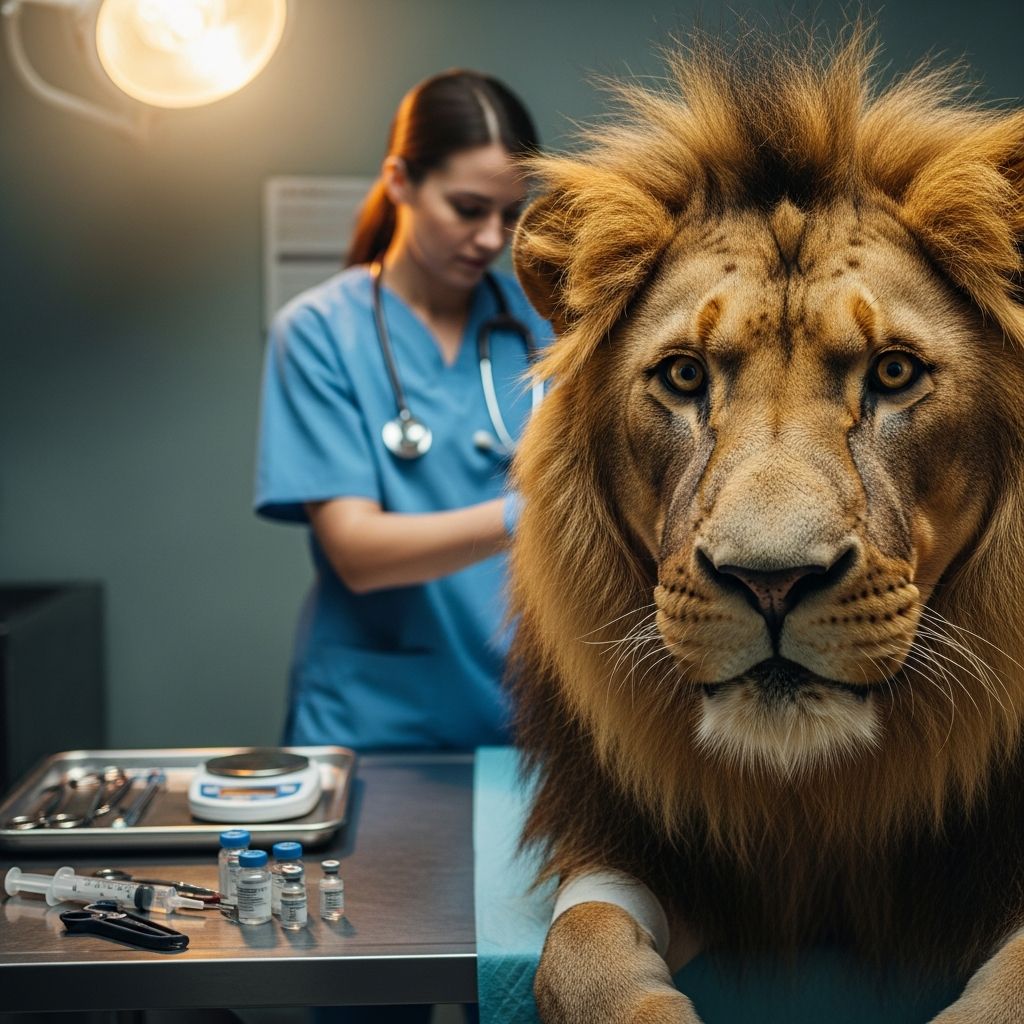
Captive wildlife in zoos face unique health hurdles that demand specialized veterinary approaches. Drawing from principles applied to related domestic species and human medicine, caretakers address issues like digestive upsets, injuries, and chronic conditions to promote longevity and well-being.
Prevalent Health Conditions in Captive Wildlife
Exotic animals commonly suffer from gastrointestinal disturbances, both acute and ongoing. These manifest as diarrhea, vomiting, or appetite loss, often triggered by dietary shifts, stress, or pathogens. Parasitic infestations in the gut exacerbate these problems, necessitating routine fecal checks and deworming protocols tailored to species.
Injuries from conspecific aggression or accidents rank high among concerns. Bite wounds, gashes, and skeletal damages like fractures or dislocations require prompt intervention to avert sepsis or lasting mobility issues. Abscesses from bacterial incursions, particularly in the skin or soft tissues, demand surgical drainage and antibiotics.
Reproductive complications, such as difficult births, pose risks especially in large mammals. Joint degeneration in older individuals mirrors osteoarthritis in pets, calling for pain management and mobility aids. Foreign objects ingested from enclosures irritate the digestive tract, while respiratory infections, including those from aspiration, affect lung function.
Infectious Respiratory Threats
Bacterial pneumonias challenge various taxa, with symptoms like coughing and lethargy. Fungal invasions, diagnosable via imaging, resist treatment but respond to nebulized or oral antifungals like itraconazole.
Strategies for Physical and Behavioral Management
Effective care hinges on safe handling. Keepers leverage positive reinforcement to train animals for voluntary participation in exams, sample collections, and shifts between areas. Such programs minimize stress and enhance compliance for tasks like blood draws or ultrasounds.
When training falls short, physical containment via chutes or squeeze devices enables procedures without full sedation. These methods suit brief interventions like vaccinations or minor wound care, prioritizing staff safety and animal comfort.
Advanced Diagnostic Approaches
Comprehensive histories precede visual and hands-on assessments, often under anesthesia for thoroughness. Lab tests on blood, feces, and urine reveal parasites, infections, or metabolic imbalances. Imaging modalities—X-rays, ultrasound, CT—pinpoint internal issues, while endoscopy offers direct views for biopsies or explorations.
| Diagnostic Tool | Applications | Species Suitability |
|---|---|---|
| Radiography | Bone fractures, lung patterns | Mammals, birds |
| Ultrasonography | Abdominal organs, pregnancies | Most taxa |
| CT Scans | Dental disease, tumors | Large animals |
| Endoscopy | GI tract, airways | Primates, carnivores |
Medication Delivery Techniques
Oral dosing suits chronic therapies but risks refusal. Injections into muscle or under skin provide reliable absorption, facilitated by trained behaviors. Intravenous lines, though challenging to maintain, support critical cases with fluids or drugs.
Anesthesia and Sedation Protocols
Sedatives like alpha-2 agonists and opioids enable procedures, reversible with antagonists for swift recovery. Alfaxalone offers broad applicability across classes, inducing smooth sedation. Dosages adjust per species weight and temperament, always with monitoring.
- Opioids: Etorphine for large herbivores, reversed by naltrexone.
- Alpha-2 Agonists: Medetomidine, countered by atipamezole.
- Dissociatives: Ketamine combinations for felids and primates.
Zoonotic Risks and Mitigation
Shared pathogens threaten staff and visitors. Tuberculosis, primarily from Mycobacterium tuberculosis, affects elephants and primates, detected via skin tests or imaging. Strict protocols govern testing and multi-drug therapies.CDC guidelines inform handling.
West Nile virus strikes birds and mammals, countered by vaccines in vulnerable groups. Iron overload in browsers like rhinos prompts low-iron diets and blood lettings.
Oral and Facial Infections
Lumpy jaw in ruminants and marsupials stems from trauma or rough forage, treated by abscess lancing, bone cleaning, and antibiotics guided by cultures.
Geriatric Care and End-of-Life Decisions
Aging populations benefit from routine health audits focusing on mobility, appetite, and mentation. Therapies borrow from companion animal orthopedics and oncology. Quality-of-life scales guide humane euthanasia when suffering outweighs joy.
Preventive Health Measures
Vaccinations target rabies, tetanus, and taxon-specific viruses. Nutrition optimizes to prevent deficiencies or excesses. Contraception via implants or surgery curbs overpopulation.
FAQs on Zoo Veterinary Practices
What are the most common injuries in zoo animals?
Traumatic wounds from fights or falls top the list, followed by fractures requiring immobilization.
How is tuberculosis managed in elephants?
Screening via trunk washes and dual-path tests, followed by extended antibiotic regimens if positive.
Can zoo animals be trained for medical procedures?
Yes, positive reinforcement yields voluntary participation in venipuncture, imaging, and dosing.
What role does imaging play in exotic vet care?
Essential for non-invasive diagnosis of abscesses, tumors, and skeletal issues across species.
How do vets handle geriatric zoo animals?
Through tailored pain relief, joint supplements, and regular welfare assessments.
References
- Clinical Care Programs for Zoo Animals — MSD Veterinary Manual, Meredith Martin Clancy, DVM. 2023. https://www.msdvetmanual.com/exotic-and-laboratory-animals/zoo-animals/clinical-care-programs-for-zoo-animals
- Common Disorders and Procedures of Zoo Animals — Merck Veterinary Manual, Meredith Martin Clancy, DVM. 2023. https://www.merckvetmanual.com/exotic-and-laboratory-animals/zoo-animals/common-disorders-and-procedures-of-zoo-animals
- Zoonotic Exposures: Bites, Scratches, and Other Hazards — Centers for Disease Control and Prevention (CDC). 2024-10-22. https://www.cdc.gov/yellow-book/hcp/environmental-hazards-risks/zoonotic-exposures.html
- Zoonotic-Related Diseases — StatPearls, NCBI Bookshelf, National Center for Biotechnology Information. 2023-07-17. https://www.ncbi.nlm.nih.gov/books/NBK570559/
- Preventive medicine for zoo animals (Proceedings) — dvm360. 2019. https://www.dvm360.com/view/preventive-medicine-zoo-animals-proceedings
Similar Articles








Read full bio of medha deb


