

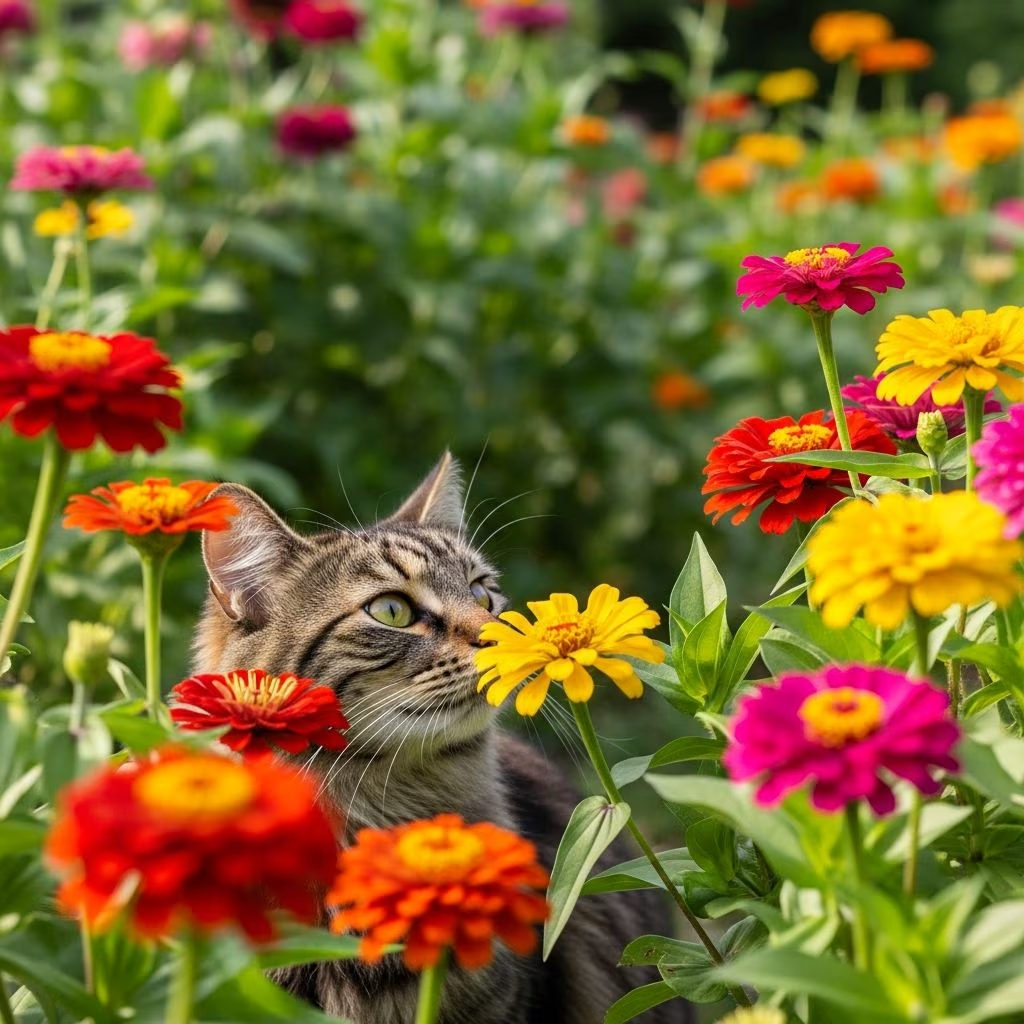
Vibrant zinnias brighten gardens without endangering cats, as all parts of these flowers are non-toxic to felines according to authoritative sources like the ASPCA. Cat owners can enjoy these hardy annuals knowing occasional nibbling won’t cause poisoning, though moderation remains key to avoid minor digestive upset.
Understanding Zinnia Safety for Felines
Zinnias belong to the Asteraceae family and thrive in sunny spots, producing daisy-like flowers in shades of red, pink, orange, yellow, and white. Native to Mexico and South America, they grow easily from seed, reaching heights from dwarf varieties under a foot to towering types over three feet. Their appeal lies in continuous blooming from summer into fall, attracting pollinators while posing no direct threat to cats.
Unlike many ornamentals, zinnias lack harmful compounds such as alkaloids or saponins that trigger feline toxicity. Veterinary experts confirm that ingestion of petals, leaves, stems, or seeds leads to no systemic poisoning. A cat munching a few blooms might experience mild gastrointestinal discomfort from plant fiber, similar to eating grass, but severe reactions are absent.
Gardening with cats introduces unique challenges, as felines often investigate greenery out of curiosity or boredom. Zinnias’ tough petals and slightly fuzzy leaves may deter heavy chewing compared to softer plants, but supervision prevents overindulgence. Planting them in raised beds or containers elevates blooms out of paw reach while maintaining visual impact.
Why Cats Chew on Plants and Zinnias
Feline plant-munching stems from instincts: fiber aids digestion, greenery mimics hunting prey, or boredom prompts exploration. Indoor cats, lacking outdoor stimuli, target houseplants most frequently. Outdoor adventurers extend this to garden flowers like zinnias.
- Dietary fiber need: Helps expel hairballs and promotes gut motility.
- Boredom relief: Chewing provides entertainment in sterile environments.
- Nutritional curiosity: Rare micronutrient seeking, though commercial diets suffice.
- Stress response: Anxiety leads to destructive habits like leaf stripping.
With zinnias, this behavior destroys aesthetics rather than health. A single plant yields dozens of flowers, so minor losses won’t devastate displays. Encourage alternatives like cat grass or wheatgrass, grown specifically for nibbling, to redirect impulses.
Spotting Trouble: Signs Your Cat May Have Plant Issues
Even safe zinnias warrant vigilance for indirect problems. Watch for these symptoms post-exposure:
| Symptom | Possible Cause | Action |
|---|---|---|
| Vomiting or diarrhea | Excess fiber intake | Withhold food 12 hours, offer water |
| Lethargy or drooling | Potential allergy or irritant | Monitor; vet if persists |
| Skin redness or itching | Pollen contact | Bathe cat gently |
| Respiratory sneezing | Pollen inhalation | Remove plant, air out space |
Severe signs like seizures, coma, or breathing difficulty signal unrelated toxins—rush to emergency care. For zinnias specifically, reactions stay mild. Document plant type, amount ingested, and timing for veterinary consults.
Building a Cat-Safe Floral Paradise
Expand beyond zinnias with these verified non-toxic companions, enhancing garden diversity safely:
- Snapdragons (Antirrhinum): Tall spikes in pastel hues; full sun lovers.
- Nasturtiums (Tropaeolum): Edible flowers with peppery taste; trail from pots.
- Sunflowers (Helianthus): Giant heads provide seeds; bird attractors.
- Orchids (various safe species): Elegant indoors; low light tolerant.
- Roses (Rosa, thorns aside): Fragrant blooms; prune regularly.
Avoid these common dangers:
- Lilies (Lilium): Pollen alone causes kidney failure.
- Tulips (Tulipa): Bulbs provoke vomiting, heart issues.
- Daffodils (Narcissus): Lycorine induces severe nausea.
- Chrysanthemums: Pyrethrins trigger drooling, dermatitis.
Consult ASPCA lists before additions. Mix heights and colors for layered appeal: zinnias at mid-level, sunflowers towering above, nasturtiums spilling edges.
Smart Strategies to Deter Plant Nibbling
Prevention preserves both plants and habits. Implement these feline-proofing tactics:
- Physical barriers: Chicken wire around bases or hanging baskets.
- Scent repellents: Citrus peels, coffee grounds—cats disdain strong odors.
- Texture tricks: Pebble mulch irritates paws.
- Enrichment boost: Puzzle feeders, scratching posts divert attention.
- Training cues: Gentle redirection with treats reinforces boundaries.
Indoor vases demand caution: stagnant water breeds bacteria, chemicals from preservatives harm if lapped. Use pet-safe floral food and change water daily. Shattered glass risks cuts—opt for stable placements.
Feline Allergies: Beyond Toxicity Concerns
Rarely, cats develop sensitivities to safe pollen like zinnias’. Allergens provoke immune responses mimicking toxicity. Common indicators include:
- Intense face rubbing against furniture.
- Over-grooming leading to bald patches.
- Eye discharge, watery noses.
- Ear wax buildup, head shaking.
- Skin rashes, scabs on flanks.
Vets diagnose via elimination trials or skin tests, prescribing antihistamines or hypoallergenic diets. Remove suspects promptly; symptoms often resolve quickly.
Growing Zinnias: Tips for Thriving Displays
Success with zinnias ensures abundant, safe blooms:
- Site selection: 6-8 hours full sun; well-drained soil.
- Seeding: Direct sow post-frost; thin to 12 inches apart.
- Watering: Deeply but infrequently; avoid foliage wetting to prevent mildew.
- Deadheading: Pinch faded flowers for reblooming.
- Pest control: Neem oil for aphids; hand-pick Japanese beetles.
Hybrids like Profusion series offer compact, disease-resistant options ideal for small yards or patios. Companion plant with marigolds for pest deterrence.
Common Myths About Cat-Plant Interactions
Misinformation abounds: some claim all flowers irritate cat stomachs—false for non-toxics in moderation. Others fear pollen universally—most cats tolerate it fine. Vase water toxicity holds true, but fresh arrangements minimize risks. Always verify with tox lists over anecdotes.
Frequently Asked Questions
Are all zinnia varieties safe for cats?
Yes, all Zinnia species are non-toxic per ASPCA, regardless of color or cultivar.
What if my cat eats a whole zinnia plant?
Likely just vomiting from bulk; no poisoning. Vet check for persistent issues.
Can zinnias cause allergies in cats?
Possible but uncommon; monitor for itching or sneezing.
Are cut zinnias safe in bouquets?
Flower safe, but watch vase water and chemicals.
What other annuals pair safely with zinnias?
Celosia, salvia, and petunias complement without risk.
Zinnias exemplify how pet owners balance beauty and safety, fostering harmonious homes where cats roam freely amid colorful havens.
References
- Are Zinnias Poisonous to Cats? Vet-Approved Safety Facts — Hepper. 2023. https://articles.hepper.com/are-zinnias-poisonous-to-cats/
- Are Zinnias Poisonous to Cats? Vet-Reviewed Houseplants Examined — Catster. 2023. https://www.catster.com/cat-health-care/are-zinnias-poisonous-to-cats/
- Pet-Friendly Blooms: A Guide to Toxic and Non-Toxic Flowers — OLFCO. 2023. https://olfco.ca/blogs/olfco/flowers-toxic-to-animals
- Pet-friendly flowers that are safe for cats — BetterPet. 2023. https://www.betterpet.com/learn/pet-friendly-flowers
- Zinnia – Toxic and Non-toxic Plants — ASPCA. 2023-01-29. https://www.aspca.org/pet-care/aspca-poison-control/toxic-and-non-toxic-plants/zinnia



