

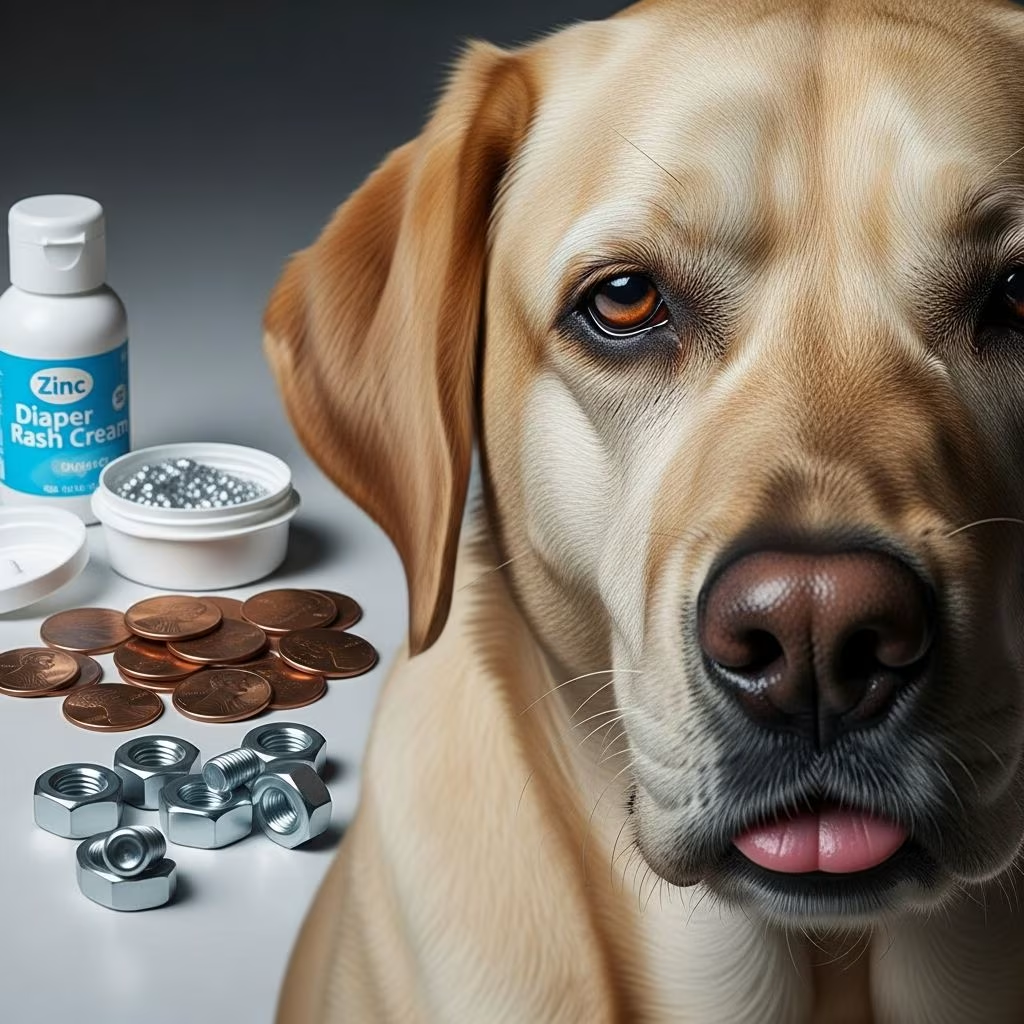
Zinc toxicity, also known as zinc poisoning, is a serious condition in dogs caused by excessive zinc ingestion, leading to gastrointestinal irritation, hemolytic anemia, and potential organ damage. Common sources include post-1982 U.S. pennies, zinc oxide creams, and hardware. Early veterinary intervention is critical for recovery, with treatments focusing on source removal, supportive care, and chelation therapy.
What Is Zinc Toxicity in Dogs?
Zinc toxicity occurs when dogs ingest excessive amounts of zinc, a trace mineral essential in small quantities but toxic in high doses. Zinc disrupts red blood cell integrity, causing hemolysis (rupture of red blood cells), gastrointestinal corrosion from zinc chloride formation, and secondary issues like pancreatitis or renal failure.
In dogs, toxicity manifests in two phases: an initial gastrointestinal phase with vomiting and diarrhea, followed by hemolytic anemia, weakness, and icterus (jaundice). Even low-dose chronic exposure, such as licking zinc oxide ointments, can lead to severe anemia over days.
Causes of Zinc Toxicity in Dogs
Dogs are curious chewers, making them prone to zinc ingestion from household items. Key causes include:
- Post-1982 pennies: These U.S. pennies contain 97.5% zinc coated with copper; gastric acid dissolves the coating, releasing zinc.
- Zinc oxide creams/ointments: Applied for skin issues, dogs lick them off, causing chronic toxicity.
- Hardware and nuts/bolts: Galvanized objects or zinc-coated metals from construction or toys.
- Supplements and veterinary products: Overdoses of zinc-containing multivitamins or eye ointments.
- Other sources: Batteries, certain paints, or heating pipes.
Small dogs are at higher risk due to dose-to-body-weight ratio; even one penny can be fatal for a 10-lb dog.
Symptoms of Zinc Toxicity in Dogs
Symptoms appear in phases, starting acutely or over days with chronic exposure.
Phase 1: Gastrointestinal Signs (Minutes to Days)
- Vomiting (often bloody or with zinc material)
- Diarrhea
- Anorexia and lethargy
- Abdominal pain
- Ulcers, melena (black tarry stools)
Zinc chloride irritates gastric/duodenal mucosa, prompting emesis.
Phase 2: Hemolytic Anemia and Systemic Signs (Hours to Days Later)
- Pale or icteric (yellow) gums/membranes
- Weakness, collapse
- Increased heart/respiratory rate
- Dark red/orange urine (hemoglobinuria)
- Fever, tachycardia
Heinz bodies (damaged RBCs) and spherocytosis confirm hemolysis.
Severe Complications
- Neurologic: Depression, tremors, seizures (rare)
- Pancreatitis, acute kidney injury, coagulopathies, liver dysfunction
| Symptom | Phase | Frequency |
|---|---|---|
| Vomiting | 1 | Common |
| Pale gums | 2 | Very common |
| Seizures | 2 (severe) | Rare |
| Renal failure | Complication | Variable |
Diagnosis of Zinc Toxicity in Dogs
Veterinarians diagnose via history, exam, and tests. Suspect if penny ingestion or compatible signs.
- History/Physical: Recent access to zinc sources; pale/icteric membranes, weakness.
- Radiographs: Detect metallic objects like pennies in GI tract.
- Bloodwork: Anemia (low PCV/Hct), Heinz bodies, elevated bilirubin, serum zinc >200 ppm (normal <200).
- Urinalysis: Hemoglobinuria, casts.
- Coags/Biochem: Prolonged APTT, elevated BUN/creatinine, amylase/lipase for pancreatitis.
Differentiate from other anemias (IMHA, babesiosis).
Treatment for Zinc Toxicity in Dogs
Treatment prioritizes stabilization, zinc source removal, and supportive care. Prognosis is good with prompt intervention.
1. Emergency Stabilization
- IV fluids (2x maintenance, balanced electrolytes) for dehydration/shock.
- Oxygen for dyspnea.
- Blood transfusion (whole blood or Oxyglobin) if PCV <20%.
2. GI Decontamination and Protection
- Emesis induction if early (<2 hrs, small object).
- Antacids (calcium carbonate) q2-4h until removal.
- Proton-pump inhibitors (omeprazole), sucralfate for ulcers.
- Antiemetics (maropitant), analgesics (opioids).
3. Zinc Source Removal
- Surgery/endoscopy for metallic objects.
4. Chelation Therapy (if severe)
- Calcium disodium EDTA: 100 mg/kg SC q6-12h (avoid if anuric).
- D-penicillamine or dimercaprol (less common).
5. Monitor and Treat Complications
- Serial CBC/chem for hemolysis, renal/hepatic function.
- Antibiotics if needed, antioxidants (SAMe).
Hospitalization lasts 1-5 days; full recovery possible.
Recovery and Prognosis for Dogs with Zinc Toxicity
Most dogs recover fully if treated early before organ damage. Severe hemolysis or delayed removal worsens outcome.
- Good prognostic factors: Early decontamination, mild anemia, no seizures.
- Poor: Renal failure, coagulopathy, massive ingestion.
Monitor zinc levels until normal; restrict exercise during recovery. Long-term issues rare with aggressive care.
Prevention of Zinc Toxicity in Dogs
- Store zinc products (creams, supplements) securely.
- Keep change, hardware out of reach—avoid leaving pennies in purses or toys.
- Supervise chewers; use bitter sprays on furniture.
- Educate on post-1982 pennies’ danger.
- Pet-proof home: Check batteries, galvanized items.
FAQs
Can one penny kill a dog?
Yes, especially small dogs; post-1982 pennies release toxic zinc levels in the stomach.
How quickly do zinc toxicity symptoms appear in dogs?
GI signs within hours; anemia 1-3 days later.
Is zinc toxicity reversible in dogs?
Yes, with prompt treatment—many recover fully.
What if my dog ate a zinc oxide cream?
Monitor for vomiting/diarrhea; seek vet if signs appear—chronic licking causes toxicity.
Can zinc toxicity cause kidney failure?
Yes, secondary to hemolysis/dehydration; treatable with fluids.
References
- Toxicology Brief: Too much of a good thing: Zinc toxicosis in dogs — dvm360. 2006. https://www.dvm360.com/view/toxicology-brief-too-much-good-thing-zinc-toxicosis-dogs
- Zinc toxicosis in a dog secondary to prolonged zinc oxide ingestion — PMC (NCBI). 2018-10-31. https://pmc.ncbi.nlm.nih.gov/articles/PMC6258521/
- Zinc Poisoning in Dogs — Vetster. Recent. https://vetster.com/en/conditions/dog/zinc-poisoning
- Zinc Poisoning Toxicity in Pets — VCA Animal Hospitals. Recent. https://vcahospitals.com/know-your-pet/zinc-poisoning-toxicity-in-pets
- Zinc Toxicosis from penny ingestion in dogs — ASPCApro (PDF). 2002. https://www.aspcapro.org/sites/default/files/zp-toxbrief_0202.pdf
- Zinc Toxicosis in Animals — Merck Veterinary Manual. Recent. https://www.merckvetmanual.com/toxicology/zinc-toxicosis/zinc-toxicosis-in-animals



