

Understanding Zinc-Responsive Dermatosis in Dogs
Zinc-responsive dermatosis is a skin condition in dogs that is directly associated with zinc deficiency or zinc malabsorption. This condition presents as one of two recognized clinical syndromes, each with distinct characteristics, affected breeds, and treatment approaches. Understanding the differences between these syndromes is crucial for dog owners and veterinarians to ensure proper diagnosis and management. The condition can significantly impact a dog’s quality of life, affecting both the skin and systemic health, but it is highly manageable with appropriate intervention and lifelong care in many cases.
The Two Syndromes of Zinc-Responsive Dermatosis
Syndrome I: Genetic Predisposition in Alaskan Breeds
Syndrome I represents a metabolic abnormality that is genetically predetermined in certain dog breeds. This syndrome is primarily seen in Alaskan breeds, with Siberian huskies being the most commonly affected breed, followed by Alaskan malamutes and other similar Northern breeds. This condition appears to involve an inherent metabolic dysfunction that impairs the dog’s ability to properly absorb and utilize zinc from their diet, even when adequate amounts are consumed. Dogs with Syndrome I have a lifelong predisposition to this condition and typically require permanent zinc supplementation to manage their symptoms effectively.
Syndrome II: Nutritional Deficiency in Large-Breed Dogs
Type 2 zinc-responsive dermatosis is primarily seen in fast-growing large- and giant-breed dogs, including Great Danes, German shepherds, Labrador retrievers, standard poodles, and Doberman pinschers. This condition is directly related to dietary supplements that interfere with zinc absorption by binding with zinc, specifically phytates (plant-based antioxidants) and calcium. Additionally, over-supplementation with vitamins and minerals has been linked to reduced zinc uptake in the gastrointestinal tract. Unlike Syndrome I, Syndrome II is often preventable or reversible through dietary modification and represents a nutritional imbalance rather than a genetic metabolic disorder.
Clinical Signs and Symptoms
Syndrome I Clinical Presentation
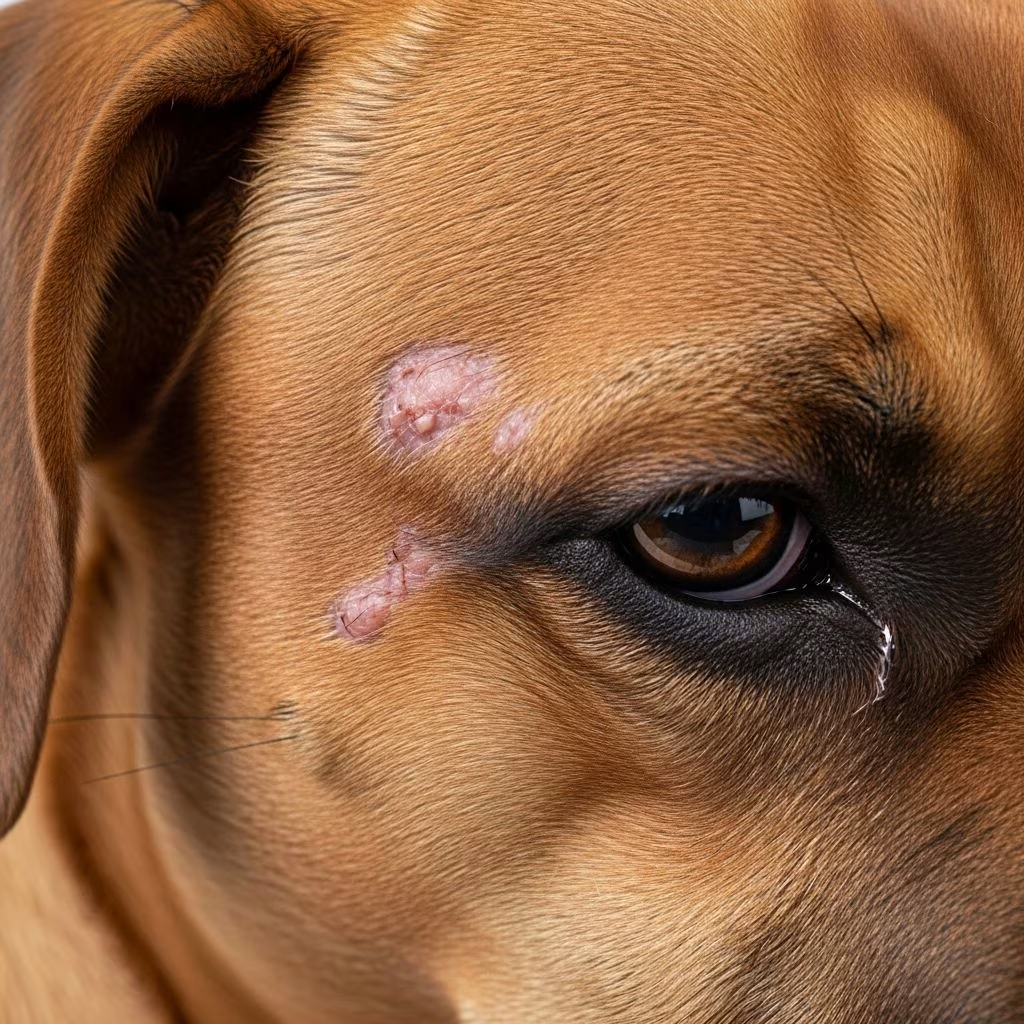
Dogs with Syndrome I typically present with distinctive clinical signs that are characteristic of the condition. The most common clinical manifestation is the development of periocular crusts, which are crusty lesions around the eyes. Additional symptoms include:
– Scaling and crusting on the face, ears, and other body areas- Lesions on the footpads and planum nasale (the moist surface of the nose)- Alopecia (hair loss) in affected areas- Secondary bacterial or fungal infections- Behavioral changes or depression- In severe cases, diarrhea and difficulty eating
Syndrome II Clinical Presentation
Dogs affected by Syndrome II may present with similar lesions as those seen in Alaskan breeds, but they may also develop thick crusts on their foot pads. When severely affected, dogs may experience poor appetite, lethargy, and enlarged lymph nodes. The progression of Syndrome II can be gradual, often correlating with the dog’s dietary intake and mineral supplementation levels. Clinical signs may include:
– Crusted and scaling skin lesions- Thickly crusted paw pad epithelium with fissures- Generalized lymphadenomegaly (enlarged lymph nodes)- Anorexia (loss of appetite)- Depression and reduced activity levels- Secondary skin infections- In some cases, respiratory infections and nasal discharge
Histopathological Findings
Skin biopsy specimens from dogs with zinc-responsive dermatosis reveal characteristic microscopic changes. The principal histopathological feature is parakeratosis, which was present in all dogs examined in clinical studies. Parakeratosis extending into hyperplastic follicular infundibula is a characteristic feature of the disease. Cases will also often show acanthosis of the epidermis and mixed perivascular, diffuse, and/or perifollicular inflammation in the dermis. Evidence of secondary pyoderma (folliculitis) can also be seen, indicating that bacterial infections frequently complicate the primary zinc deficiency.
Diagnosis of Zinc-Responsive Dermatosis
Diagnosis of zinc-responsive dermatosis relies on a combination of compatible history, signalment (breed and age), clinical signs, and histopathology of skin biopsy specimens. Serum and hair zinc levels have been shown to be reduced in dogs with zinc-responsive dermatosis, and measuring these levels can support the diagnosis. However, the most definitive diagnostic approach involves a response to zinc supplementation or dietary correction. When appropriate zinc therapy is initiated and the dog demonstrates clinical improvement, this confirms the diagnosis and guides ongoing management.
Veterinarians typically perform a thorough examination of the skin, looking for the characteristic periocular crusts and other lesions. A detailed dietary history is essential, particularly identifying any supplements being given that might interfere with zinc absorption. Skin biopsies are often recommended to rule out other dermatological conditions and to confirm the presence of parakeratosis and other characteristic histological changes.
Treatment Options for Zinc-Responsive Dermatosis
Dietary Management
Once a diagnosis of zinc-responsive dermatosis has been made, the first step in treatment is to ensure the dog’s food contains adequate levels of bioavailable zinc. This may mean changing diets to formulations specifically designed to provide optimal zinc bioavailability. Likewise, it is important to consider any nutritional supplements being given to the dog that may interfere with zinc absorption. Pet owners should work with their veterinarian to identify supplements containing phytates or excess calcium that might be limiting zinc availability.
For Syndrome II cases, dietary correction alone may be sufficient to resolve clinical signs, often within 6 weeks of modification. However, for Syndrome I cases, dietary management must be combined with zinc supplementation due to the inherent metabolic dysfunction.
Oral Zinc Supplementation
Zinc is available as an oral supplement and is best absorbed if tablets are first crushed and then mixed with food. Multiple formulations are available for oral supplementation, including:
– Zinc sulfate (oral)- Zinc methionine- Zinc gluconate
The recommended dosages for these formulations are:
| Zinc Formulation | Recommended Dose |
|---|---|
| Zinc Sulfate (oral) | 10 mg/kg once daily |
| Zinc Methionine | 1.7 mg/kg/day |
| Zinc Gluconate | 1.5 mg/kg/day of elemental zinc |
Zinc methionine and zinc gluconate are reported to cause less gastric irritation compared to zinc sulfate. An initial oral dosage of 1 mg/kg of elemental zinc per 24 hours is the usual recommended starting dose, given for four to six weeks to determine the response to treatment. If the response is poor, the dose may be increased by 50% per month until a response is produced. Some dogs showing a poor response may respond better to another zinc formulation.
With appropriate treatment, skin improvements in dogs with zinc-responsive dermatosis may be seen within a couple of weeks. Significant clinical improvement should be observed within 4 to 6 weeks of starting appropriate oral supplementation. It is best to plan for lifetime supplementation and management, particularly in dogs with Syndrome I.
Intravenous Zinc Supplementation
Some refractory cases that do not respond adequately to oral supplementation benefit from intravenous administration of zinc. Sterile zinc sulfate at 10 mg/kg to 15 mg/kg can be given weekly for four weeks and then every one to six months thereafter for maintenance. This treatment option is more expensive than oral supplementation and requires careful administration, as cardiac arrhythmias can occur if injections are given too fast. IV zinc is typically reserved for cases that have failed to respond to oral supplementation.
Adjunctive Therapies
Additional therapeutic options may support primary zinc supplementation:
– Essential fatty acids (omega-3 and omega-6) act to increase zinc absorption from the gastrointestinal tract- Systemic glucocorticoids at anti-inflammatory doses may increase gastrointestinal zinc absorption and reduce skin inflammation- Treatment of secondary pyoderma or Malassezia infections with appropriate antimicrobials- Low-dose prednisolone (0.25-0.5 mg/kg PO every 48 hours) for dogs that do not respond adequately to zinc supplementation alone
Expected Treatment Response and Prognosis
Dogs with Syndrome I usually show a complete resolution of clinical signs with zinc supplementation. In a retrospective study, 88% of dogs experienced resolution within 3 to 210 days after initiating therapy. However, most cases of Syndrome I zinc-responsive dermatosis require life-long supplementation. In Syndrome II, affected puppies usually respond to dietary correction alone, although supplementation can be considered to hasten resolution. Many times, skin lesions resolve within 6 weeks following dietary modification.
The prognosis is typically good for most dogs, although lifelong zinc supplementation may be needed in some cases, and lesions can wax and wane with season or changes in diet. Consistency in supplementation and dietary management is essential for long-term success.
Managing Side Effects
Vomiting is the most common adverse effect of zinc supplementation and occurred in a significant portion of dogs receiving therapy. To minimize gastrointestinal upset, it is recommended to crush zinc tablets and mix them with food, which also enhances absorption. Zinc methionine and zinc gluconate are reported to cause less gastric irritation than zinc sulfate. If vomiting persists, switching to a different zinc formulation or administering the medication with a small meal may help.
Frequently Asked Questions About Zinc-Responsive Dermatosis
Q: How long does it take to see improvement with zinc supplementation?
A: With treatment, skin improvements in dogs with zinc-responsive dermatosis may be seen within a couple of weeks. Significant clinical improvement should be observed within 4 to 6 weeks of starting appropriate oral supplementation.
Q: Do all dogs with zinc-responsive dermatosis need lifetime supplementation?
A: Dogs with Syndrome I require lifelong supplementation. However, dogs with Syndrome II may recover with dietary correction alone, though supplementation can hasten resolution.
Q: Which breeds are most commonly affected by zinc-responsive dermatosis?
A: Siberian huskies are the predominant breed affected by Syndrome I, while Syndrome II is seen in large- and giant-breed dogs including Great Danes, German shepherds, Labrador retrievers, standard poodles, and Doberman pinschers.
Q: What is the best way to administer oral zinc supplements?
A: Crush the zinc tablets and mix them with food to enhance absorption and minimize vomiting. This method is more effective than administering tablets whole.
Q: Can zinc-responsive dermatosis be prevented?
A: Syndrome II can be prevented through proper diet selection and avoiding excessive mineral supplementation. Syndrome I cannot be prevented due to its genetic nature, but early diagnosis and treatment can minimize clinical signs.
Q: What should I do if my dog doesn’t respond to oral zinc supplementation?
A: If your dog shows poor response to oral zinc, your veterinarian may increase the dose by 50%, try a different zinc formulation, add adjunctive therapies like essential fatty acids or glucocorticoids, or consider intravenous zinc supplementation.
References
- Zinc-responsive dermatosis in dogs: 41 cases and literature review — PubMed/National Center for Biotechnology Information. 2001. https://pubmed.ncbi.nlm.nih.gov/11360336/
- Zinc-Responsive Dermatosis in Dogs — VCA Animal Hospitals. 2024. https://vcahospitals.com/know-your-pet/zinc-responsive-dermatosis-in-dogs
- Canine zinc-responsive dermatosis — DVM360. 2024. https://www.dvm360.com/view/canine-zinc-responsive-dermatosis
- Zinc-Responsive Dermatosis in Dogs: Diagnosing & Treating — Clinician’s Brief. 2024. https://www.cliniciansbrief.com/article/zinc-responsive-dermatosis-dogs
- Zinc-responsive dermatosis — Vet Times. 2024. https://www.vettimes.com/news/vets/small-animal-vets/zinc-responsive-dermatosis
- Could it be zinc-responsive dermatosis? — Veterinary Practice. 2024. https://www.veterinary-practice.com/article/could-it-be-zinc-responsive-dermatosis



