Zinc-Responsive Dermatosis in Dogs: Causes, Symptoms & Treatment
Understanding zinc-responsive dermatosis: Learn about causes, clinical signs, diagnosis, and effective treatment options for your dog.
Understanding Zinc-Responsive Dermatosis in Dogs
Zinc-responsive dermatosis is a significant skin condition affecting dogs that responds positively to zinc supplementation or dietary modifications. This condition is recognized as one of the important metabolic and nutritional skin disorders in veterinary dermatology, characterized by specific histopathological changes and clinical presentations that vary depending on the underlying cause. Understanding this condition is essential for dog owners and veterinary professionals to ensure prompt diagnosis and appropriate management.
Zinc functions as a critical cofactor for numerous metalloenzymes involved in cellular functions and is closely linked with essential fatty acids. This role is particularly vital in maintaining epidermal integrity, where cells undergo rapid proliferation to replace those lost through natural shedding. Additionally, zinc plays essential roles in immunity, neurological function, and intestinal health, making deficiency particularly problematic in these systems.
Two Syndromes of Zinc-Responsive Dermatosis
Zinc-responsive dermatosis presents as two distinct clinical syndromes, each with different underlying causes and treatment approaches. Distinguishing between these syndromes is crucial for developing an appropriate management strategy.
Syndrome I: Metabolic Abnormality
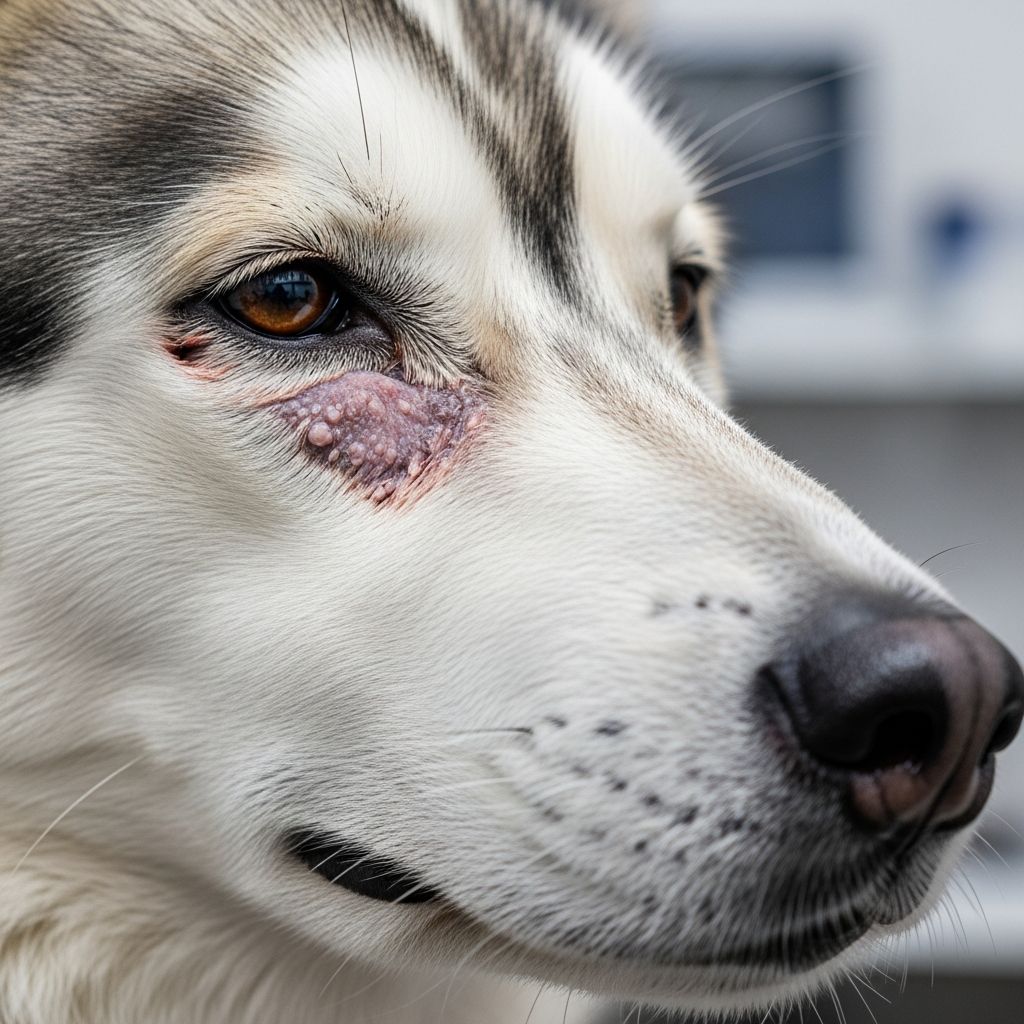
Syndrome I represents a metabolic disorder where the body has an intrinsic inability to absorb or metabolize zinc effectively, even when dietary zinc levels are adequate. This syndrome is predominantly observed in Siberian huskies and other Arctic breeds, though it can occasionally affect other dog breeds. The condition typically manifests early in a dog’s life and persists throughout the animal’s lifetime, requiring continuous supplementation and management.
Dogs with Syndrome I often develop characteristic clinical signs including periocular crusts, which are among the most common presentation features. These crusts typically develop around the eyes and can be quite pronounced. Additional clinical signs may include nasal crusting, scaling on the paws, lichenification, and erythema affecting various body areas. The severity of clinical manifestations can vary from mild to severe depending on individual factors and the adequacy of zinc supplementation.
Syndrome II: Nutritional Deficiency
Syndrome II is primarily observed in fast-growing large- and giant-breed dogs, including Great Danes, German shepherds, Labrador retrievers, standard poodles, and Doberman pinschers. This syndrome is directly related to dietary factors that interfere with zinc absorption, specifically compounds that bind with zinc in the gastrointestinal tract.
The primary culprits in Syndrome II include phytates, which are plant-based antioxidants found in various feed ingredients, and excessive dietary calcium. Additionally, over-supplementation with vitamins and minerals has been linked to reduced zinc uptake in the gastrointestinal tract. These factors create a functional zinc deficiency despite potentially adequate zinc content in the diet.
Dogs with Syndrome II may develop lesions similar to those seen in Alaskan breeds affected by Syndrome I, but they may also present with distinctive thick crusts on the foot pads and planum nasale epithelium with associated fissures. Severely affected dogs may experience poor appetite, lethargy, and enlarged lymph nodes. The good news is that Syndrome II often responds well to dietary modification alone, though supplementation may accelerate recovery.
Clinical Signs and Diagnosis
Clinical signs of zinc-responsive dermatosis are variable and depend on the syndrome type and severity of the deficiency. The most common presentation involves periocular crusts, which can be particularly striking in affected dogs. Other frequent clinical manifestations include scaling and crusting on the paws, nasal crusting, erythema, and lichenification of affected skin areas.
Diagnosis of zinc-responsive dermatosis relies on compatible history, signalment (breed, age), and clinical signs, supported by histopathology of skin biopsy specimens. The principal histopathological feature is parakeratosis, characterized by retention of nuclei in the stratum corneum. This finding was present in all cases in a retrospective study of 41 dogs with this condition. Biopsies often reveal parakeratosis extending into hyperplastic follicular infundibula, acanthosis of the epidermis, and mixed perivascular, diffuse, and perifollicular inflammation in the dermis. Serum and hair zinc levels may be reduced in affected dogs, though these are not definitive diagnostic markers.
A clinical response to zinc supplementation or dietary correction ultimately confirms the diagnosis, making therapeutic trial an important diagnostic tool in some cases.
Treatment Approaches
Treatment strategies differ significantly between the two syndromes, though both may involve zinc supplementation and dietary considerations.
Dietary Management
The first step in treating zinc-responsive dermatosis involves ensuring the dog’s food contains adequate levels of bioavailable zinc. For Syndrome II cases, this may mean changing to a diet formulated to minimize phytate and calcium content while maintaining appropriate levels of absorbable zinc. It is equally important to evaluate any nutritional supplements being given to the dog, as these may contain compounds that interfere with zinc absorption. Reducing or eliminating over-supplementation with vitamins and minerals is often beneficial.
Dietary modification alone frequently resolves skin lesions in Syndrome II cases within six weeks. For Syndrome I cases, dietary management provides important foundation support but typically requires additional zinc supplementation to achieve clinical improvement.
Zinc Supplementation Options
Zinc is available in several oral forms for supplementation, each with different bioavailability profiles and gastrointestinal tolerance characteristics. The most commonly used formulations include zinc sulfate, zinc methionine, and zinc gluconate.
Zinc methionine and zinc gluconate are reported to cause less gastric irritation compared to zinc sulfate, though zinc methionine has better oral bioavailability overall. Zinc sulfate remains the most widely used formulation due to cost considerations and widespread availability.
Dosing Recommendations
Dosing recommendations for zinc supplementation can vary based on whether the dose refers to elemental zinc content, zinc salt content, or amino acid complex content. This variation sometimes creates confusion in clinical practice. General dosing guidelines include:
– Zinc sulfate: 10 mg/kg once daily
– Zinc methionine: 1.7-2 mg/kg daily
– Zinc gluconate: 1.5-5 mg/kg daily
– General elemental zinc: 1-3 mg/kg daily
An initial oral dosage of 1 mg/kg of elemental zinc per 24 hours is typically the recommended starting dose, given for four to six weeks to determine treatment response. If the response is poor, the dose may be increased by 50% per month until clinical improvement is achieved.
Optimizing Absorption
Zinc supplementation is best absorbed when tablets are crushed and mixed with food rather than given as intact tablets. This approach enhances absorption while minimizing vomiting and gastric irritation. Vomiting is the most common adverse effect of zinc supplementation, occurring in approximately 5 out of 17 dogs in reported studies.
Some dogs benefit from concurrent essential fatty acid supplementation, which acts to increase zinc absorption from the gastrointestinal tract and may provide additional anti-inflammatory benefits for skin health.
Clinical Response Timeline
With appropriate treatment, skin improvements in dogs with zinc-responsive dermatosis may be seen within a couple of weeks of initiating therapy. However, significant clinical improvement should generally be observed within four to six weeks of starting appropriate oral supplementation. In a retrospective study, 88% of dogs experienced clinical resolution within three to 210 days after initiating therapy, though the timeline varies considerably among individuals.
Long-term Management
For Syndrome I cases, it is best to plan for lifetime supplementation and management. Most cases of Syndrome I zinc-responsive dermatosis require long-term zinc supplementation to maintain clinical improvement and prevent recurrence of lesions. Some dogs may experience seasonal variation in lesion severity, with exacerbations during certain times of year.
Syndrome II cases may not require lifelong supplementation if dietary modification is successful and the underlying factors causing interference with zinc absorption are eliminated. However, some affected dogs benefit from continued supplementation for several weeks to hasten complete resolution of skin lesions.
Advanced Treatment Options
Dogs that fail to respond adequately to oral zinc supplementation and dietary management may benefit from alternative or additional therapeutic approaches.
Glucocorticoid Therapy
Low-dose systemic glucocorticoids, such as prednisone at 0.25-0.5 mg/kg given every 48 hours, may help alleviate clinical signs in refractory cases. The beneficial effects of glucocorticoids may result from their anti-inflammatory effects on the skin or their ability to enhance gastrointestinal zinc absorption by inducing metallothionein production, a protein involved in zinc regulation.
Intravenous Zinc Administration
Some refractory cases benefit from intravenous administration of zinc when oral supplementation proves insufficient. Sterile zinc sulfate solution can be administered at 10-15 mg/kg weekly for four weeks, then every one to six months thereafter for maintenance. While this approach can be highly effective, it is expensive and requires careful administration, as cardiac arrhythmias can occur if injections are given too rapidly.
Addressing Secondary Infections
Secondary bacterial or Malassezia fungal infections frequently complicate zinc-responsive dermatosis lesions. Failure to address these secondary infections may significantly slow or prevent clinical resolution. Appropriate antimicrobial therapy targeting identified secondary infections should be implemented concurrently with zinc supplementation and dietary modifications.
Prognosis and Monitoring
The prognosis for zinc-responsive dermatosis is typically good for most dogs. Dogs with Syndrome I usually show complete resolution of clinical signs with appropriate zinc supplementation, though this requires ongoing management. Dogs with Syndrome II often respond well to dietary correction, with many achieving full resolution within six weeks of dietary modification.
Regular monitoring is important to assess treatment response and adjust therapy as needed. Dogs should be evaluated for improvement in skin lesions, resolution of clinical signs, and tolerance of supplementation. Some lesions may wax and wane with seasonal changes even during appropriate treatment, requiring vigilant monitoring and potential adjustment of supplementation levels.
Frequently Asked Questions
Q: What breeds are most commonly affected by zinc-responsive dermatosis?
A: Siberian huskies and other Arctic breeds are predominant in Syndrome I cases. Syndrome II primarily affects fast-growing large- and giant-breed dogs, including Great Danes, German shepherds, Labrador retrievers, standard poodles, and Doberman pinschers.
Q: How quickly can I expect to see improvement with zinc supplementation?
A: Skin improvements may be noticed within a couple of weeks of starting treatment, with significant clinical improvement typically observed within four to six weeks of appropriate supplementation.
Q: Is zinc supplementation necessary for life in all cases?
A: Syndrome I cases typically require lifetime supplementation. Syndrome II cases may not require long-term supplementation if dietary modification successfully eliminates factors interfering with zinc absorption, though supplementation for several weeks may accelerate recovery.
Q: Which zinc formulation is best for my dog?
A: No significant differences exist in response rates between formulations, though zinc methionine and zinc gluconate cause less gastrointestinal upset than zinc sulfate. Your veterinarian can help determine the best option based on your dog’s individual tolerance and response.
Q: Can dietary changes alone resolve zinc-responsive dermatosis?
A: Dietary changes may resolve Syndrome II cases within six weeks. However, Syndrome I cases typically require zinc supplementation in addition to appropriate diet management, as the underlying metabolic abnormality cannot be corrected through diet alone.
References
- Zinc-responsive dermatosis in dogs: 41 cases and literature review — National Center for Biotechnology Information/PubMed. 2001-09-15. https://pubmed.ncbi.nlm.nih.gov/11360336/
- Zinc-Responsive Dermatosis in Dogs — VCA Animal Hospitals. 2024. https://vcahospitals.com/know-your-pet/zinc-responsive-dermatosis-in-dogs
- Canine zinc-responsive dermatosis — DVM360. 2024. https://www.dvm360.com/view/canine-zinc-responsive-dermatosis
- Zinc-Responsive Dermatosis in Dogs: Diagnosing & Treating — Clinician’s Brief. 2024. https://www.cliniciansbrief.com/article/zinc-responsive-dermatosis-dogs
- Zinc-responsive dermatosis — Vet Times. 2024. https://www.vettimes.com/news/vets/small-animal-vets/zinc-responsive-dermatosis
Similar Articles








Read full bio of medha deb