
Zinc Poisoning in Pets
Learn how to spot, treat, and prevent zinc toxicity in dogs and cats to keep your furry friends safe from this hidden danger.
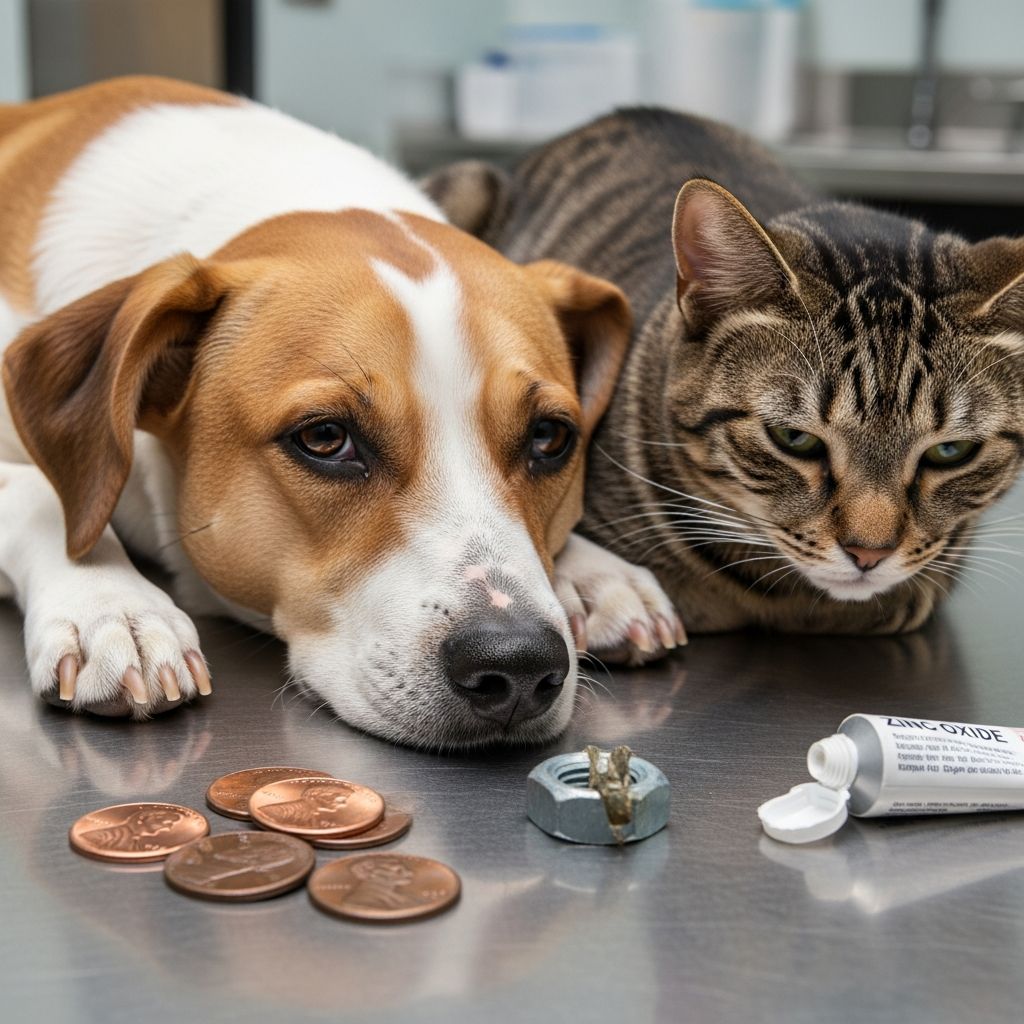
Zinc is an essential mineral for pets, but excessive exposure leads to serious toxicity. Dogs and cats can suffer from ingesting zinc-containing objects or products, resulting in gastrointestinal distress, hemolytic anemia, and potential organ failure. Early detection and intervention are critical for recovery.
Common Sources of Zinc Exposure
Household items often harbor zinc, posing risks to curious pets. Pennies minted after 1982 contain high zinc levels and are frequent culprits when chewed. Other sources include galvanized hardware, certain topical ointments, nutritional supplements, and metal nuts or screws.
- Coins, especially post-1982 U.S. pennies
- Galvanized bolts, nuts, and cage materials
- Zinc oxide creams for skin conditions
- Dietary supplements or multivitamins
- Electrical hardware or jewelry
Pets may encounter these during play or when left unsupervised near workshops or bathrooms. Recognizing these everyday dangers helps prevent accidental ingestion.
Recognizing the Signs of Zinc Toxicity
Symptoms appear in phases, starting with digestive issues and progressing to systemic effects. Initial signs emerge within hours to days, depending on the zinc form and amount ingested.
| Phase | Symptoms in Dogs and Cats |
|---|---|
| Early Gastrointestinal Phase | Vomiting, diarrhea, loss of appetite, lethargy, abdominal pain |
| Hemolytic Anemia Phase | Pale or jaundiced gums, orange-tinged urine or feces, weakness, increased thirst |
| Severe Complications | Anemia, seizures, jaundice, red/brown urine, coma, organ damage |
Owners often notice vomiting first, followed by depression and pale mucous membranes. Untreated cases lead to life-threatening hemolytic anemia, where zinc destroys red blood cells.
How Zinc Harms Pets: The Biological Impact
Zinc toxicity disrupts normal physiology. Ingested zinc corrodes in stomach acid, releasing ions absorbed into the bloodstream. These ions damage red blood cells, causing intravascular hemolysis and Heinz body formation. Additionally, zinc triggers gastrointestinal ulcers, pancreatitis, liver stress, and kidney injury.
Pathological changes include pancreatic necrosis, hepatic pigment accumulation, and hemoglobin buildup in kidneys. Small pets face higher risks due to lower body mass relative to exposure.
Diagnosis: Confirming Zinc Poisoning
Veterinarians use history, clinical signs, and diagnostics for confirmation. Radiographs detect metallic objects, while bloodwork reveals anemia, elevated liver enzymes, and high serum zinc levels. Urinalysis shows hemoglobinuria or bilirubin.
- Complete blood count (CBC): Checks for hemolytic anemia, polychromasia, Heinz bodies
- Serum biochemistry: Monitors liver/kidney function
- Radiographs or ultrasound: Locates foreign bodies
- Serum zinc levels: Confirms toxicity (though not always immediate)
Differential diagnoses include other toxicities or infections, but zinc-specific patterns guide accurate identification.
Emergency Treatment Protocols
Treatment prioritizes source removal, stabilization, and zinc elimination. Never induce vomiting at home; seek professional care immediately.
- Decontamination: Endoscopy or surgery removes metallic objects; gastric lavage for recent ingestion.
- Supportive Care: IV fluids combat dehydration; antacids (e.g., calcium carbonate) every 2-4 hours bind zinc.
- Hemolysis Management: Blood transfusions for severe anemia; proton pump inhibitors or sucralfate for ulcers.
- Chelation Therapy: Agents like calcium EDTA (100 mg/kg SC q6h) bind zinc, used cautiously to avoid renal harm.
Hospitalization lasts 2-4 days typically, with monitoring of CBC, electrolytes, and organ function every 24 hours.
Prognosis and Recovery Expectations
With prompt treatment, most pets recover fully within 2-4 days. Serum zinc normalizes post-source removal, but delays increase risks of permanent liver, kidney, or pancreatic damage.
Factors influencing outcomes:
- Time to intervention: Early action improves survival
- Severity: Mild cases resolve quickly; severe hemolysis may require prolonged care
- Pet size/species: Smaller cats often face worse prognoses
Follow-up bloodwork ensures no lingering effects. Most avoid long-term issues with aggressive therapy.
Prevention Strategies for Pet Owners
Proactive measures minimize risks. Store zinc sources securely and supervise pets around potential hazards.
- Keep coins, hardware, and supplements out of reach
- Use pet-safe cage materials; avoid galvanized metal
- Opt for veterinary-approved skin creams
- Educate family on dangers; pick up dropped pennies
- Regular vet check-ups for at-risk pets
Avoid human zinc supplements for pets without guidance, as needs differ.
FAQs on Zinc Toxicity in Pets
What should I do if my dog swallows a penny?
Contact your vet or poison hotline immediately. Radiographs confirm location; removal prevents toxicity.
Can cats get zinc poisoning from ointments?
Yes, licking zinc oxide creams causes absorption. Use pet-safe alternatives.
How long do symptoms take to appear?
Hours for GI signs; days for anemia, varying by dose.
Is chelation always needed?
No, primarily for confirmed high zinc levels post-stabilization.
What home remedies work?
None; professional care is essential. Delays worsen outcomes.
Long-Term Health Monitoring Post-Toxicity
Surviving pets need follow-ups at 1-2 weeks, then monthly if complications arise. Monitor for pancreatitis or renal issues via serial bloodwork. Nutritional support aids recovery, emphasizing balanced diets without excess minerals.
Owners should track appetite, stool color, and energy. Persistent jaundice or weakness warrants re-evaluation.
References
- Zinc Poisoning in Cats – Causes, Treatment and Associated… — Vetster. 2023. https://vetster.com/en/conditions/cat/zinc-poisoning
- Zinc Poisoning in Cats: Symptoms, Diagnosis, and Treatment — PetCareRx. 2023. https://www.petcarerx.com/article/zinc-poisoning-in-cats-symptoms-diagnosis-and-treatment/6663
- Zinc Toxicosis in Animals – Toxicology — Merck Veterinary Manual. 2023-10-15. https://www.merckvetmanual.com/toxicology/zinc-toxicosis/zinc-toxicosis-in-animals
- Zinc Toxicity in Dogs & Cats — Preventive Vet. 2023. https://www.preventivevet.com/pets/zinc-toxicity-in-dogs-and-cats
- Toxicology Brief: Too much of a good thing: Zinc toxicosis in dogs — dvm360. 2023. https://www.dvm360.com/view/toxicology-brief-too-much-good-thing-zinc-toxicosis-dogs
- Zinc Poisoning in Pets — VCA Animal Hospitals. 2023. https://vcahospitals.com/know-your-pet/zinc-poisoning-toxicity-in-pets
- Zinc Poisoning in Cats — PetMD. 2023. https://www.petmd.com/cat/conditions/toxicity/c_ct_zinc_toxicity
Similar Articles








Read full bio of Sneha Tete


