

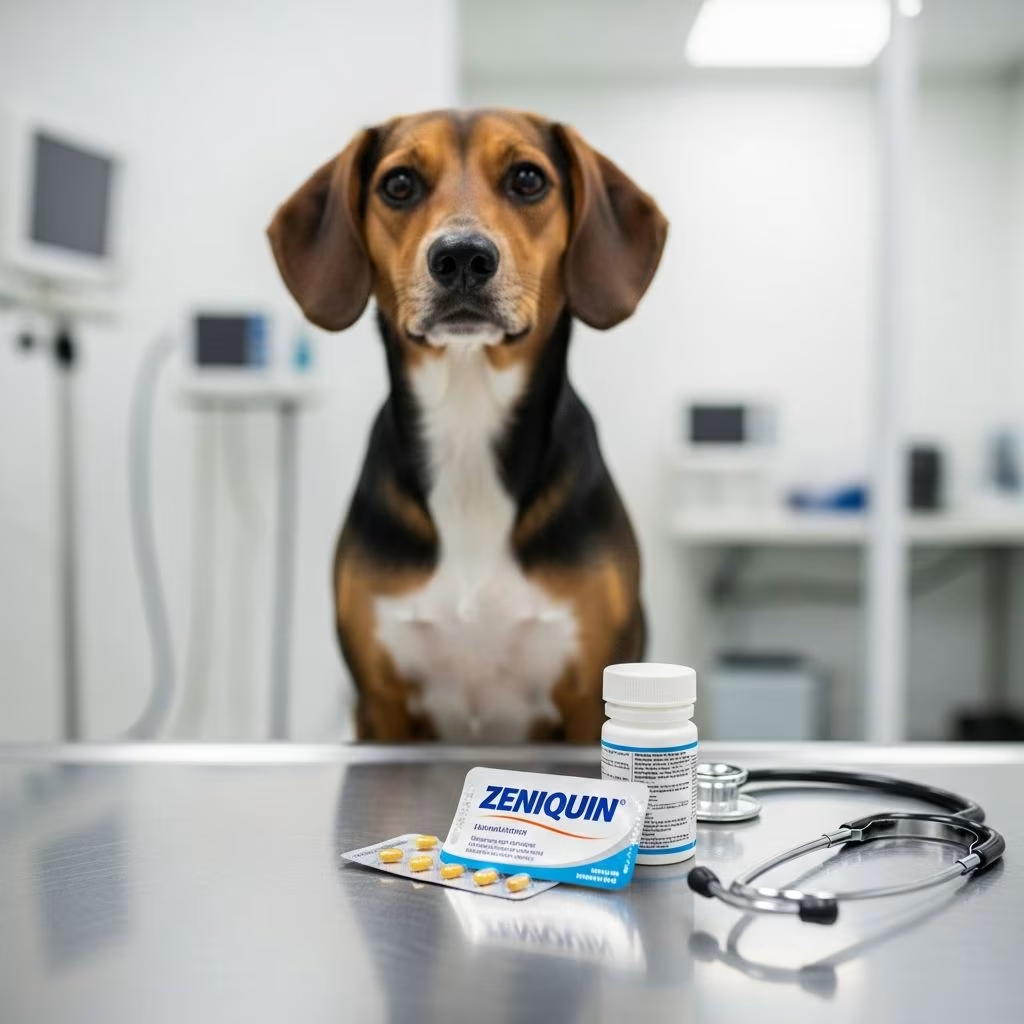
Zeniquin, a potent fluoroquinolone antibiotic, stands out as a key option for managing urinary tract infections (UTIs) in dogs, particularly when bacterial cultures indicate susceptibility. This medication targets a range of pathogens common in canine urinary issues, offering rapid relief and high efficacy in complicated cases.
Understanding Urinary Tract Infections in Dogs
UTIs occur when bacteria ascend the urinary tract, leading to inflammation in the bladder or kidneys. Dogs may exhibit symptoms like frequent urination, straining, blood in urine, or lethargy. Uncomplicated UTIs affect otherwise healthy animals, while complicated ones involve underlying conditions such as diabetes or prostate issues.
Early diagnosis through urinalysis and culture is crucial, as empirical treatment without testing risks resistance development. The International Society for Companion Animal Infectious Diseases (ISCAID) emphasizes culture-guided therapy to ensure success and stewardship.
How Zeniquin Works Against Bacterial Infections
As a concentration-dependent antibiotic, Zeniquin (marbofloxacin) inhibits bacterial DNA gyrase, halting replication. It excels in achieving high urinary concentrations, ideal for UTIs where peak levels 8-10 times above the minimum inhibitory concentration (MIC) are needed.
Unlike time-dependent drugs like beta-lactams, which require frequent dosing, Zeniquin’s once-daily administration boosts owner compliance. It’s particularly effective against prostate-penetrating bacteria in male dogs.
Indications and When to Use Zeniquin
Veterinarians prescribe Zeniquin for confirmed or suspected UTIs based on culture results showing susceptibility. It’s suitable for uncomplicated cases (3-5 days therapy) and complicated/recurrent ones (up to 4 weeks).
- Sporadic cystitis: Short courses suffice if symptoms resolve.
- Pyelonephritis: 10-14 days, often with initial IV support.
- Recurrent UTIs: Address underlying causes like stones or anatomical defects.
Avoid empirical use in simple cases; prefer amoxicillin or trimethoprim-sulfonamides first.
Dosing Guidelines for Optimal Results
Standard dosing is 5.5 mg/kg orally once daily for dogs over 1 year, not exceeding 200 mg per dose. Adjust for body weight and infection severity.
| Weight Range (kg) | Dose (mg) | Tablet Size |
|---|---|---|
| 1-4 | 27.5 | 1/2 of 50mg |
| 5-9 | 55 | 1 of 50mg |
| 10-24 | 110-136 | 1 of 100mg + 1/2 of 50mg |
| 25+ | Up to 200 | 2 of 100mg |
Administer with food to reduce GI upset. Complete the full course to prevent relapse.
Potential Side Effects and Safety Profile
Zeniquin is generally well-tolerated but can cause vomiting, diarrhea, or lethargy. Rare risks include cartilage damage in growing puppies (avoid under 1 year), ocular issues, or seizures in predisposed dogs.
- Monitor for hypersensitivity: Stop if rash or anaphylaxis occurs.
- Caution in breeding animals: May affect cartilage.
- Drug interactions: Avoid with antacids or sucralfate.
Hydrate patients to minimize crystalluria risk.
Alternatives to Zeniquin in UTI Management
Not all UTIs require fluoroquinolones. First-line options include:
| Drug Class | Examples | Best For | Duration |
|---|---|---|---|
| Beta-lactams | Amoxicillin, Cephalexin | Uncomplicated UTI | 3-7 days |
| Sulfa drugs | Trimethoprim-sulfamethoxazole | Empiric therapy | 3-10 days |
| Fluoroquinolones | Zeniquin, Enrofloxacin | Complicated/ Resistant | Up to 4 weeks |
| Nitrofurantoin | Nitrofurantoin | Lower UTI | 5 days |
Choose based on susceptibility; stewardship prioritizes narrower-spectrum agents.
Preventing Recurrent UTIs in Dogs
Recurrence affects up to 27% of cases. Strategies include:
- Addressing predispositions: Spay females, manage diabetes.
- Low-dose prophylaxis: Not routine, only post-resolution.
- Dietary management: Increase water intake, urine acidification if needed.
- Regular check-ups: Cytology over culture for screening.
ISCAID advises against prophylactic antibiotics post-catheter unless infection confirmed.
Monitoring Treatment Success
Resolution is confirmed by symptom relief. No routine post-therapy culture for uncomplicated cases, but recheck complicated ones 7-14 days after. Persistent signs warrant culture retest.
FAQs on Zeniquin and Dog UTIs
Can Zeniquin be used in puppies?
No, reserve for dogs over 1 year due to arthropathy risk.
How long until improvement?
Most show relief in 24-48 hours; complete course regardless.
Is Zeniquin safe for pregnant dogs?
Use only if benefits outweigh risks; consult vet.
What if culture shows resistance?
Switch per susceptibility; never continue ineffective therapy.
Can diet prevent UTIs?
Hydration helps, but no strong evidence for cranberry in dogs.
Antibiotic Stewardship in Veterinary Practice
Overuse fosters resistance. ISCAID and AVMA guidelines promote culture-directed, short-duration therapy to preserve fluoroquinolones like Zeniquin for resistant cases.
In summary, Zeniquin offers targeted power for canine UTIs when indicated, balancing efficacy with responsible use.
References
- Use of Antibiotics for Treating UTIs in Dogs and Cats — Today’s Veterinary Practice. 2023. https://todaysveterinarypractice.com/pharmacology/antibiotic-use-urinary-tract-infections-dogs-cats/
- Antimicrobial Use Guidelines for Treatment of Urinary Tract Disease — PMC/NCBI. 2011-08-15. https://pmc.ncbi.nlm.nih.gov/articles/PMC3134992/
- Diagnosis and Treatment of Urinary Tract Infections — Canadian Veterinary Medical Association. 2022. https://www.canadianveterinarians.net/media/rhvhkpea/antimicrobial-stewardship-and-zoonoses.pdf
- ISCAID Guidelines & management of bacterial urinary tract — VetGirl on the Run. 2023. https://vetgirlontherun.com/podcasts/iscaid-guidelines-bacterial-uti-part1-vetgirl-veterinary-podcasts/
- ISCAID Urinary Guidelines 2019 — NDSU Veterinary Diagnostic Lab. 2022-02. https://www.vdl.ndsu.edu/wp-content/uploads/2022/02/ISCAID-Urinary-Guidelines-2019.pdf
- AAFP/AAHA Antimicrobial Stewardship Guidelines — AVMA. 2023. https://www.avma.org/resources-tools/avma-policies/aafpaaha-antimicrobial-stewardship-guidelines
- Guidelines | ISCAID — ISCAID. 2019. https://www.iscaid.org/guidelines



