

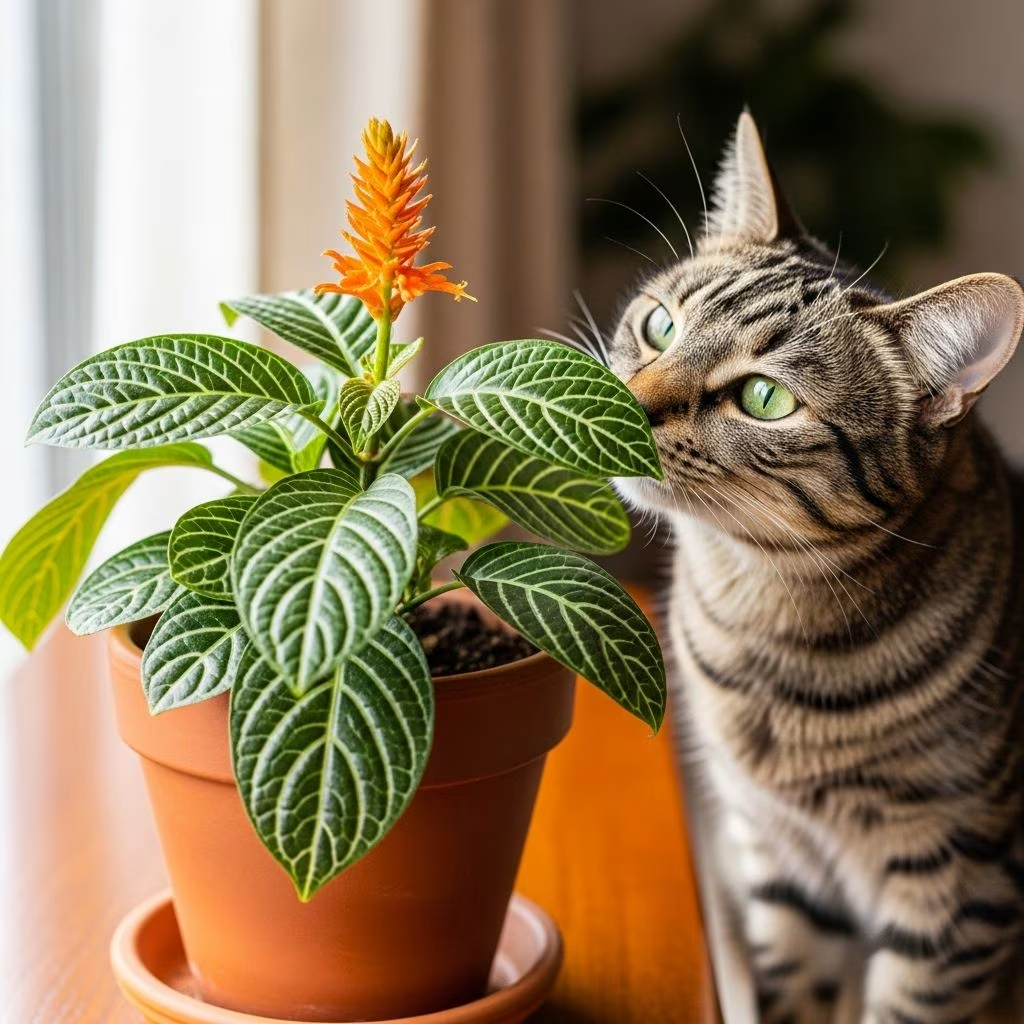
Haworthia zebra plants, with their striking white stripes on dark green leaves, offer a safe and stylish addition to homes with cats. According to the ASPCA, these succulents are non-toxic to cats, dogs, and horses. While occasional nibbling won’t cause poisoning, plant-eating can still lead to mild digestive irritation.
Understanding Haworthia Zebra Plants
Haworthia zebra, scientifically known as Haworthiopsis attenuata or Haworthia fasciata, forms compact rosettes of fleshy leaves marked by bumpy white bands resembling zebra stripes. Native to South Africa, these drought-tolerant succulents thrive indoors with bright indirect light and infrequent watering, making them ideal for beginners.
Unlike many succulents, Haworthia lacks the gel-filled leaves or sharp spines that deter chewing. Growing 4-8 inches tall, they produce small white flowers on tall stalks in optimal conditions. Their slow growth and low maintenance appeal to busy pet owners seeking greenery without high risks.
Why Zebra Plants Rank as Cat-Safe
The ASPCA explicitly lists Zebra Haworthia as non-toxic, meaning it contains no harmful compounds like saponins found in dangerous plants. Saponins act like soap in a cat’s gut, causing foaming, irritation, and severe symptoms—absent in Haworthia.
NC State Extension corroborates this safety profile, confirming no toxicity reports for cats. Vet-reviewed sources emphasize that while safe, moderation matters; cats aren’t designed to process fibrous plant material.
Potential Reactions from Cat Nibbling
Even non-toxic plants can provoke mild responses. Cats chewing Haworthia leaves may drool excessively, vomit once, or show loose stools due to fiber overload, not poison. These effects typically resolve without intervention.
- Drooling: From unfamiliar texture irritating the mouth.
- Vomiting: Single episode expels indigestible plant matter.
- Diarrhea: Temporary gut upset from bulk.
Monitor for persistence beyond 24 hours, as repeated issues signal other problems like toxic plant access.
Distinguishing Safe Haworthia from Toxic Imitators
Visual similarities confuse owners. Aloe vera, with thick gel-filled leaves and marginal teeth, tops the toxic list—causing vomiting, lethargy, and more. Haworthia features thinner, striped rosettes without gel.
| Feature | Haworthia Zebra (Safe) | Aloe Vera (Toxic) | Snake Plant (Toxic) |
|---|---|---|---|
| Leaf Shape | Triangular rosettes, white tubercles | Long, fleshy, spiky edges | Sword-like, upright |
| Texture | Firm, dry, bumpy | Gel-filled interior | Tough, fibrous |
| Toxicity | Non-toxic | Saponins, severe GI upset | Saponins, vomiting |
| Height | 4-8 inches | 1-2 feet | 2-4 feet |
ZZ plants and snake plants also mimic with stiff foliage but pack toxins leading to weakness and drooling. Always verify identifications.
Creating a Cat-Proof Plant Environment
Prevention beats cure. Elevate Haworthia on high shelves or hanging planters beyond leap range. Use pet-safe deterrents:
- Bitter sprays: Apply to leaves; citrus or aloe-based formulas repel without harm.
- Pot barriers: Aluminum foil or mesh atop soil deters digging.
- Distractions: Offer cat grass or toys to redirect chewing instincts.
- Room zoning: Designate plant-only areas inaccessible to pets.
Regular pruning removes tempting low leaves. Combine with other safe options like spider plants or Echeveria for variety.
Safe Succulent Alternatives for Cat Homes
Expand your collection confidently:
- Echeveria: Rosette-forming, colorful; non-toxic.
- Sempervivum (Hens & Chicks): Hardy clusters, safe.
- Spider Plant: Arching leaves, resilient to nibbles.
- African Violet: Soft blooms, no toxicity.
Avoid jade, ZZ, and lilies at all costs—lilies prove fatally toxic even in small amounts.
When to Contact a Veterinarian
Trust instincts over lists. Seek immediate care for:
- Persistent vomiting (3+ episodes).
- Bloody stools or severe diarrhea.
- Lethargy, tremors, breathing issues.
- Swollen mouth, jaundice, collapse.
ASPCA Poison Control or services like PangoVet offer 24/7 advice. Provide plant details for accurate guidance.
Caring for Haworthia with Feline Roommates
Maintain plant health to minimize appeal: water sparingly (soil fully dry between), use well-draining cactus mix, and provide 4-6 hours indirect sun. Fertilize lightly in spring. Healthy plants resist damage better.
Observe cat behavior; some chew from boredom or nutritional gaps—consult vets for diet tweaks.
FAQs on Zebra Plants and Cats
Can cats safely chew Haworthia leaves?
Non-toxic per ASPCA, but limit to avoid GI upset.
What if my cat vomits after eating zebra plant?
One-time is normal irritation; monitor and withhold food briefly. Repeat? Vet check.
How do I stop my cat from destroying my plants?
High shelves, deterrents, cat grass.
Is Haworthia safe for kittens?
Yes, but they’re more prone to exploration—extra precautions needed.
Any long-term effects from nibbling safe plants?
No toxicity, but chronic eating risks blockages; discourage habit.
Building a Thriving Pet-Safe Indoor Jungle
Balancing plants and pets enhances homes. Haworthia zebra proves succulents needn’t endanger cats. Prioritize education, observation, and barriers for harmony. Research expands options, ensuring lush spaces without worry.
References
- Are Zebra Plants Toxic to Cats? ASPCA Safe Succulent Facts — My Plant Factor. 2023. https://myplantfactor.com/zebra-plants-toxic-to-cats/
- Are Zebra Plants (Haworthia) Toxic to Cats? Vet-Approved Safety Tips — Hepper. 2023. https://articles.hepper.com/zebra-plants-haworthia-toxic-to-cats/
- Are Zebra Plants (Haworthia) Poisonous to Cats? Vet-Reviewed — Catster. 2023. https://www.catster.com/cat-health-care/are-zebra-plants-haworthia-poisonous-to-cats/
- Zebra Haworthia – Toxic and Non-toxic Plants — ASPCA. Accessed 2026. https://www.aspca.org/pet-care/aspca-poison-control/toxic-and-non-toxic-plants/zebra-haworthia
- 5 Toxic Houseplants for Cats & Safe Alternatives — Peak City Puppy. 2023. https://peakcitypuppy.com/5-toxic-houseplants-for-cats-safe-alternatives-for-your-home/
- Are Succulents Poisonous to Cats? — Gardenia.net. 2023. https://www.gardenia.net/guide/are-succulents-poisonous-to-cats



