
Zebra Finch Personality, Food & Care Guide
Complete guide to zebra finch care, personality, diet, and housing for pet bird owners.
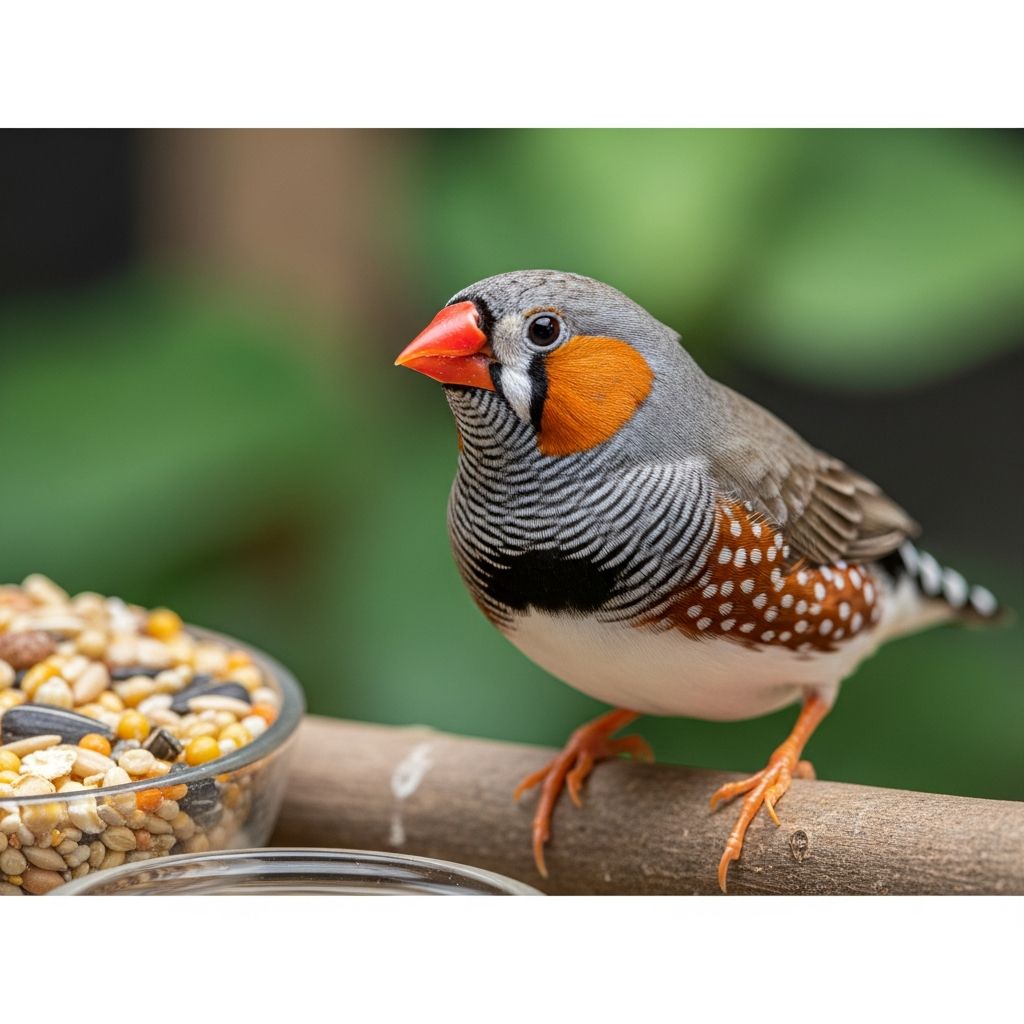
Understanding the Zebra Finch: A Complete Pet Care Guide
The zebra finch is a delightful and popular choice for bird enthusiasts and pet owners seeking a small, social, and engaging companion. These tiny songbirds, native to Australia and the southern Pacific region, have captured the hearts of aviculturists worldwide with their charming personalities, striking appearance, and relatively straightforward care requirements. Whether you are a first-time bird owner or an experienced aviculturist, understanding the nuances of zebra finch care will help ensure your feathered friend thrives in captivity.
Physical Characteristics and Appearance
The zebra finch is a small songbird that measures approximately 10 to 11 centimeters in length and weighs around 12 grams. Despite their diminutive size, these birds possess distinctive and attractive plumage that makes them instantly recognizable. The zebra finch gets its name from the zebra-like stripes across its neck, chest, and especially its black and white barred tail, which is one of their most striking features.
Male Zebra Finch Characteristics
Male zebra finches display far more vibrant and complex coloration compared to their female counterparts. The “normal” colored male, which is the most commonly occurring color variation, exhibits soft gray plumage on the head and back. Males feature distinctive black tear-drop markings underneath each eye, which are small black lines running straight down, creating their characteristic “tear” stripe appearance. One of the most notable features of males is their bright orange cheek patches, which contrast beautifully against their gray head. Additionally, males display black “mustache” markings that are thin black lines running along both sides of their beak.
The area between the mustache and tear-drop markings is typically white, and males sport a distinctive “bib” of tiny black stripes extending from their beak down to their chest. Their tails exhibit bold black and white stripes, and on their sides, they display chestnut-brown feathers with white spots. Most notably, male zebra finches have deep reddish-orange beaks that become particularly vibrant at maturity. They also have bright orange legs that complete their striking appearance.
Female Zebra Finch Characteristics
Female zebra finches display considerably less distinctive coloring than males. They have gray coloration across their entire body, presenting a more subdued appearance. While females lack the elaborate markings of males, they retain certain subtle features, including faint tear-drop markings and a lighter orange beak coloration compared to males. Their simpler, more uniform plumage makes them easier to distinguish from males but equally important members of a breeding pair or flock.
Color Varieties and Mutations
Beyond the standard gray coloration, zebra finches come in several color mutations that have been developed through selective breeding. These variations include Black-Breasted, Fawn, Grey Cheek, Fawn Cheek, Pied, and Silver varieties. The Black-Breasted variety features pronounced black cheek markings and a large black breast marking, along with much larger cheek patches and often lacks the traditional tear stripe under the eye. The Fawn variation often has fluffier feathers, a feature known as “buff,” which can make markings less distinct. Pied finches display random patches of white that block out usual markings across their body, and when two pied finches are bred together, the effect intensifies over generations. The Silver trait can be both dominant and recessive, affecting pigment across the bird’s coloration in different ways depending on the genetic inheritance.
Personality and Behavior
Zebra finches are known for their vibrant and engaging personalities, making them exceptional companions for bird lovers. These birds are highly social creatures that thrive in the company of other finches and their human caregivers. Unlike some pet birds that can be territorial or aggressive, zebra finches are generally friendly, gregarious, and remarkably personable.
Social Structure and Flock Behavior
In the wild, zebra finches live in large flocks of approximately 100 individuals, but during breeding season, these large groups break into smaller units of around 50 birds. These highly social birds spend most of their time hunting, roosting, and preening in close proximity to other flock members. Interestingly, zebra finches have the remarkable ability to recognize and distinguish individual members of their group by their unique songs. This recognition allows friendly members to visit nesting sites while unfamiliar birds are typically chased away from the defended territory. Although zebra finches sometimes travel together several miles in search of food and resources, they maintain a relatively small defended territory restricted to the area directly surrounding their nest site.
Communication Through Song and Vocalizations
Zebra finches are accomplished songbirds known for their complex and unique vocalizations. Male finches sing alone and in groups, creating intricate melodies that serve multiple purposes in their social structure. Male mating calls are typically described as soft and trilling, while warning calls are sharp and distinct. Beyond song, males perform a complicated courtship dance as part of the mating ritual to attract females. These birds also produce hissing noises when protecting their territory and mates, adding to their diverse communication repertoire.
Housing and Environmental Requirements
Proper housing is fundamental to the health and happiness of captive zebra finches. These active little birds require spacious accommodations that allow for flight and natural behaviors.
Cage Size and Design
While specific dimensions may vary based on the number of birds, a general guideline is to provide the largest cage possible. For a single pair or small group of zebra finches, a flight cage measuring at least 30 inches long by 18 inches wide by 18 inches tall is recommended. Larger aviaries are even better, as they allow for more flight space and social interaction. The cage should feature horizontal bars that allow the birds to climb and exercise, and spacing between bars should not exceed half an inch to prevent escape or injury. Avoid using plastic cages, as they are easily damaged by the birds’ active pecking and are difficult to clean thoroughly.
Perches and Environmental Enrichment
Multiple perches of varying diameters should be provided throughout the cage to exercise the birds’ feet and prevent pressure sores. Natural wooden perches are preferable to dowels. The cage should include various toys and enrichment items such as swings, bells, mirrors, and nesting materials. Zebra finches enjoy shredding paper and natural materials, so providing safe items for destructive play is important for mental stimulation.
Temperature, Lighting, and Humidity
Zebra finches are relatively hardy birds but prefer temperatures between 65 and 75 degrees Fahrenheit. They should not be exposed to temperatures below 60 degrees or drafts, which can cause stress and illness. A natural photoperiod of 12 hours of light and 12 hours of darkness is ideal for maintaining their circadian rhythms. Fluorescent lighting that includes full-spectrum bulbs helps ensure proper vitamin D metabolism and overall health. Humidity should be maintained at moderate levels, typically between 40 and 60 percent.
Nutrition and Diet
A balanced and varied diet is crucial for maintaining the health and longevity of pet zebra finches. In the wild, these birds are omnivores that consume a mixture of seeds, insects, and plant material.
Quality Seed Mix and Pellets
A high-quality commercial finch seed mix should form the foundation of your bird’s diet. Look for mixes that contain a variety of seeds such as millet, canary seed, nyjer seed, and safflower seed. Many aviculturists recommend supplementing seed with high-quality pellets designed specifically for small finches, as pellets provide more balanced nutrition and contain essential vitamins and minerals. Pellets should comprise approximately 25 to 50 percent of the daily food intake, with seeds making up the remainder.
Fresh Foods and Vegetables
Fresh foods are vital components of a zebra finch’s diet. Offer a variety of vegetables including dark leafy greens, carrots, broccoli, and squash several times per week. Fruits such as apples, berries, and melons can be offered in moderation due to their higher sugar content. Fresh foods should be washed thoroughly and offered in small quantities to prevent spoilage. Remove uneaten fresh food after a few hours to maintain cage hygiene.
Protein Sources and Supplements
Zebra finches require adequate protein for muscle maintenance and feather health. Live insects such as mealworms, crickets, and ant eggs are excellent natural protein sources that also provide mental stimulation through foraging behavior. These can be offered 2 to 3 times per week, particularly during breeding season. A variety of mineral blocks or cuttlebones should be available to ensure adequate calcium and mineral intake, especially for females during the breeding cycle.
Water and Hydration
Fresh, clean water must be available at all times. Water dishes should be changed daily, or more frequently if soiled with food or droppings. Some finches prefer drinking from a water bottle rather than a dish, so having both available allows them to choose their preferred method. During molting or warm weather, finches may increase their water consumption, so monitoring intake is important.
Breeding and Reproduction
Zebra finches have a highly flexible and opportunistic breeding strategy. Rather than following a strictly defined mating season, these birds breed in response to environmental cues, particularly rainfall. This adaptability in the wild translates to a unique breeding pattern in captivity.
Courtship and Pair Bonding
Male zebra finches engage in elaborate courtship behaviors to attract females. These include the production of unique songs that individual males construct, combined with a complicated courtship dance involving specific body movements and postures. Males form lifelong monogamous pair bonds with their mates, demonstrating strong partnership during breeding cycles. Interestingly, despite their monogamous behavior, DNA analysis has revealed that zebra finches occasionally engage in extra-pair copulations, adding complexity to their social dynamics.
Nesting and Egg Laying
Once a pair has bonded, they will begin gathering materials to construct a nest. An increase in the gathering of grasses and feathers indicates the beginning of the nesting phase. Zebra finches build nests using grasses and line them with feathers for comfort. In captivity, providing appropriate nesting boxes and nesting materials encourages natural breeding behavior. The female typically lays 4 to 6 eggs in a clutch, and both parents participate in incubation. The incubation period lasts approximately 14 days.
Chick Development and Fledging
Zebra finches are altricial birds, meaning their chicks are born relatively underdeveloped and require intensive parental care. Both parents take turns feeding the chicks regurgitated food rich in protein. Young zebra finches develop gray plumage similar to their mothers initially. Chicks typically fledge at approximately 3 weeks of age and begin to perch with their parents, though they often return to the nest at night. Approximately two weeks after fledging, the chicks become independent of their parents. At this time, many parent finches may be ready to rear another clutch of eggs, allowing for multiple breeding cycles per year under appropriate conditions.
Health and Veterinary Care
Maintaining the health of pet zebra finches requires attentiveness to signs of illness and provision of preventive care. Common health issues in captive finches include respiratory infections, parasites, and nutritional deficiencies. Regular observation of your birds’ behavior, appetite, and droppings helps identify problems early. Any signs of illness such as fluffed feathers, discharge from eyes or nostrils, labored breathing, or behavioral changes warrant immediate veterinary attention from an avian veterinarian. An annual wellness exam is recommended to catch potential health issues before they become serious.
Molting and Seasonal Changes
Zebra finches typically molt at approximately 3 weeks of age for their first molt, and then undergo regular molting cycles as they mature. Molting is a normal process where birds shed old feathers and grow new ones. During this period, birds may appear somewhat bedraggled and require extra nutrition, particularly protein and fat. Providing increased amounts of fresh foods, live insects, and high-fat seeds supports healthy feather growth. Molting can be stressful for birds, so minimizing environmental disturbances during this time is beneficial.
Common Care Mistakes to Avoid
Several common errors can compromise the wellbeing of zebra finches. Housing birds in cages that are too small restricts their natural flight behavior and contributes to stress and behavioral problems. Failing to provide environmental enrichment can lead to boredom and destructive behaviors. An inadequate diet consisting only of seed without fresh foods or pellets can result in nutritional deficiencies. Additionally, subjecting birds to extreme temperature fluctuations, exposure to smoke or fumes, or placing cages in areas with strong drafts can seriously compromise their health.
Frequently Asked Questions
Q: How long do zebra finches live in captivity?
A: With proper care, zebra finches typically live 5 to 9 years in captivity, with some individuals reaching 10 years or longer.
Q: Can zebra finches be kept singly, or do they need companions?
A: Zebra finches are highly social birds and thrive best when kept in pairs or small groups. Solitary finches often become stressed and may develop behavioral problems.
Q: What is the difference between male and female zebra finches?
A: Males display vibrant gray, orange, and black coloring with distinctive tear-drop markings and mustache stripes, while females have uniform gray plumage with subtle markings. Males also have red beaks, while females have orange beaks.
Q: How often should I clean the zebra finch cage?
A: Daily spot cleaning of soiled areas, droppings, and uneaten fresh food is essential. A complete cage cleaning with disinfection should occur weekly to maintain hygiene and prevent disease.
Q: Can zebra finches be housed with other bird species?
A: Zebra finches can sometimes coexist peacefully with other small finch species, but housing them exclusively with their own kind is safest to prevent aggression and ensure optimal social dynamics.
Q: Do zebra finches require a specific diet for breeding?
A: During breeding season, zebra finches benefit from increased protein through live insects, and additional calcium sources to support egg production and chick development.
References
- What to Know About the Zebra Finch — WebMD Pets. 2024. https://www.webmd.com/pets/what-to-know-zebra-finch
- Taeniopygia guttata (Zebra finch) — Animal Diversity Web, University of Michigan Museum of Zoology. 2024. https://animaldiversity.org/accounts/Taeniopygia_guttata/
- Zebra Finch — A-Z Animals. 2024. https://a-z-animals.com/animals/zebra-finch/
- Zebra Finch Varieties — Omlet. 2024. https://www.omlet.us/guide/finches_and_canaries/zebra_finch/varieties/
- Zebra Finch — Wikipedia. Last updated 2025. https://en.wikipedia.org/wiki/Zebra_finch
- Zebra Finches — Ark Animal Hospital. 2024. https://arkpetvet.net/veterinary_topics/c_332_zebra_finches.html
Similar Articles








Read full bio of medha deb


