

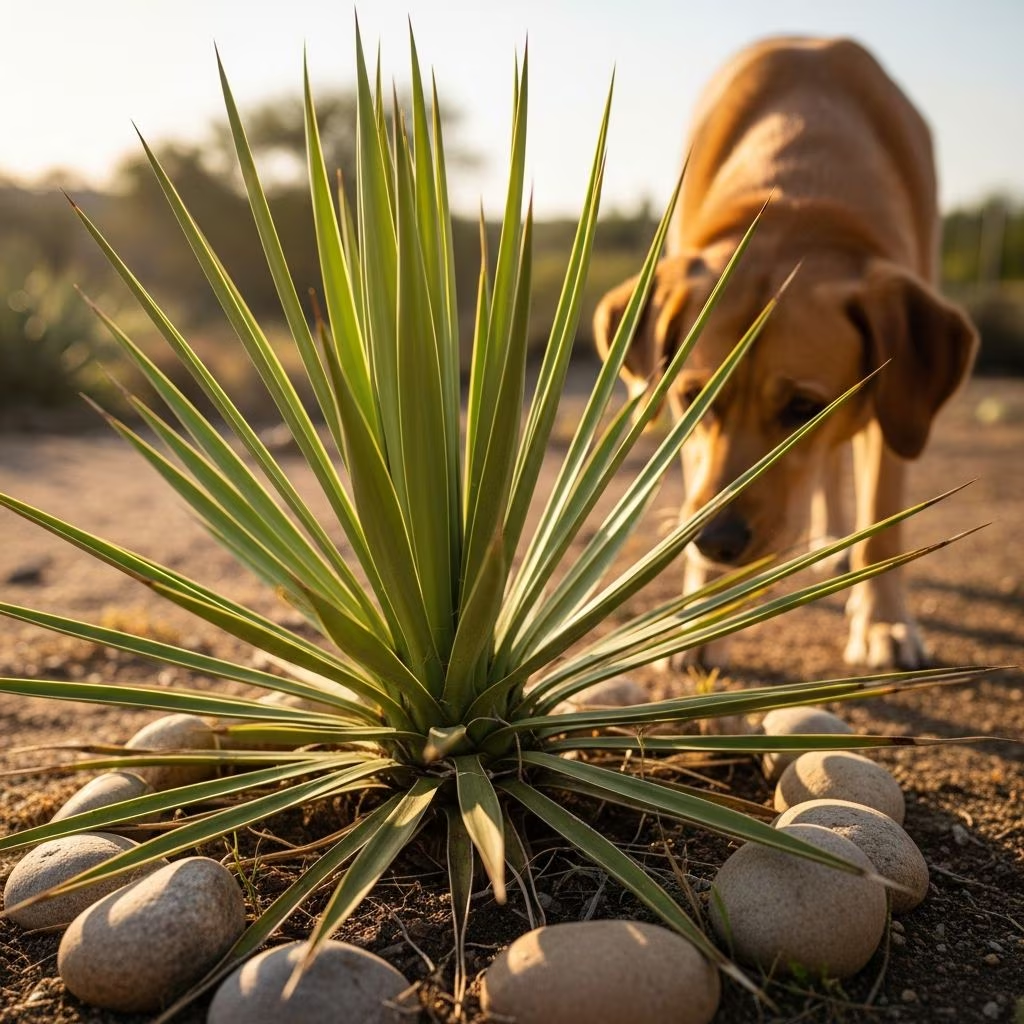
Yucca schidigera, a plant native to arid regions of North America, offers promising benefits for dogs, particularly in managing joint discomfort and minimizing waste odors. Derived from the yucca plant, its extracts are increasingly incorporated into pet nutrition for their anti-inflammatory and odor-neutralizing properties.
Origins and Composition of Yucca Schidigera
This resilient shrub thrives in desert environments, where it has been utilized by indigenous cultures for centuries in traditional remedies. Modern extracts are rich in saponins, polyphenols, and yuccaols—compounds responsible for its therapeutic effects. Saponins bind to ammonia and hydrogen sulfide in the gut, while polyphenols act as potent antioxidants.
Unlike the whole plant, which can be toxic if ingested raw, processed extracts are safe for canine use when dosed appropriately. These extracts maintain nutritional integrity without impacting mineral absorption or digestibility.
Primary Advantages for Canine Health
Yucca schidigera stands out for its dual role in addressing common dog issues. Here’s how it supports everyday pet care:
- Joint Support: Anti-inflammatory agents like resveratrol and yuccaols help alleviate arthritis symptoms, improving mobility in aging or active dogs.
- Odor Management: By reducing hydrogen sulfide and ammonia production, it significantly lessens stool and gas smells—ideal for multi-pet homes.
- Antioxidant Protection: Polyphenols combat free radicals, potentially safeguarding against oxidative stress linked to chronic conditions.
Research confirms these effects: a study adding yucca extract to dog diets improved fecal aroma without altering overall health metrics like pH or blood counts.
How Yucca Influences Gut and Joint Function
In the digestive tract, saponins from yucca promote better nutrient uptake by enhancing vitamin and mineral absorption. This leads to firmer stools and reduced waste odor, as observed in poultry and extended to pets. For joints, its natural anti-inflammatories mimic effects seen in human studies, targeting pain and swelling.
Pet food manufacturers add it at low levels (e.g., 125mg per kg of food) to achieve a 26% drop in fecal offensiveness without taste interference—perfect for finicky eaters.
| Benefit | Mechanism | Evidence Level |
|---|---|---|
| Stool Odor Reduction | Binds ammonia/hydrogen sulfide | Peer-reviewed study |
| Joint Relief | Anti-inflammatory polyphenols | Animal trials |
| Nutrient Digestibility | Saponin foaming aids absorption | Industry research |
Safe Dosage and Administration Methods
For supplements, start with 1/4 teaspoon of powder per 20 pounds of body weight daily, mixed into food. Commercial kibble often includes trace amounts, providing maintenance benefits without extra dosing. Always consult a vet for dogs with pre-existing conditions.
- Powder: Sprinkle on meals for targeted relief.
- Extracts: Liquid forms for precise dosing.
- Dog Food: Everyday inclusion for odor control.
Long-term use appears beneficial for gut health and inflammation, with studies showing sustained digestibility improvements.
Potential Drawbacks and Safety Considerations
While extracts are generally non-toxic, excessive intake from whole plant material can cause vomiting or weakness. Stick to formulated products to avoid risks. No impacts on growth or blood parameters noted in controlled trials. Pregnant dogs or those on medications should receive veterinary clearance.
Scientific Backing and Research Insights
Studies span decades: a 1997 trial demonstrated fecal odor amelioration in dogs. Recent pet food research highlights GI tract enhancements and joint support. Native uses for arthritis align with modern findings on saponins’ role in inflammation reduction.
Limitations exist—no large-scale canine arthritis trials yet—but extrapolations from related species are encouraging.
Integrating Yucca into Your Dog’s Routine
Choose reputable brands listing yucca schidigera extract. Combine with glucosamine for joints or probiotics for gut synergy. Monitor stool quality and mobility post-introduction; improvements often appear within weeks.
For seniors, it bridges gut-joint health links, fostering immunity via microbiome balance. Active breeds benefit from odor control during travel or boarding.
Frequently Asked Questions
Is yucca schidigera safe for daily use in dogs?
Yes, in proper doses via extracts or fortified foods; avoid whole plant ingestion.
Does it help with dog arthritis?
Its anti-inflammatories provide relief, supported by antioxidant effects.
How quickly does it reduce stool odors?
Effects can start in days, with studies showing marked improvement.
Can puppies take yucca supplements?
Best for adults; consult vets for young dogs due to developing systems.
Is it effective in wet vs. dry dog food?
Versatile in both, neutralizing odors regardless of format.
Choosing Quality Yucca Products
Look for third-party tested extracts standardized for saponins. Avoid fillers; opt for organic sources. User feedback praises palatability and results in multi-dog households.
References
- The ameliorating effect of Yucca schidigera extract on canine and feline faecal odour — JA Lowe. 1997-10-31. https://pubmed.ncbi.nlm.nih.gov/9368958/
- Improving pet food digestibility with yucca schidigera — Alltech. Accessed 2026. https://www.alltech.com/blog/improving-pet-food-digestibility-yucca-schidigera
- Yucca Schidigera for Dogs: Vet-Reviewed Facts & Uses — Dogster. Accessed 2026. https://www.dogster.com/dog-health-care/yucca-schidigera-for-dogs
- Yucca schidigera for dogs — Dogs Reformed HW. Accessed 2026. https://dogsreformedhw.com/yucca-schidigera-for-dogs/
- What’s Yucca Schidigera and Why Is It in My Pet’s Food? — Redbarn. Accessed 2026. https://www.redbarn.com/blogs/blog/whats-yucca-schidigera-and-why-is-it-in-my-pets-food



