

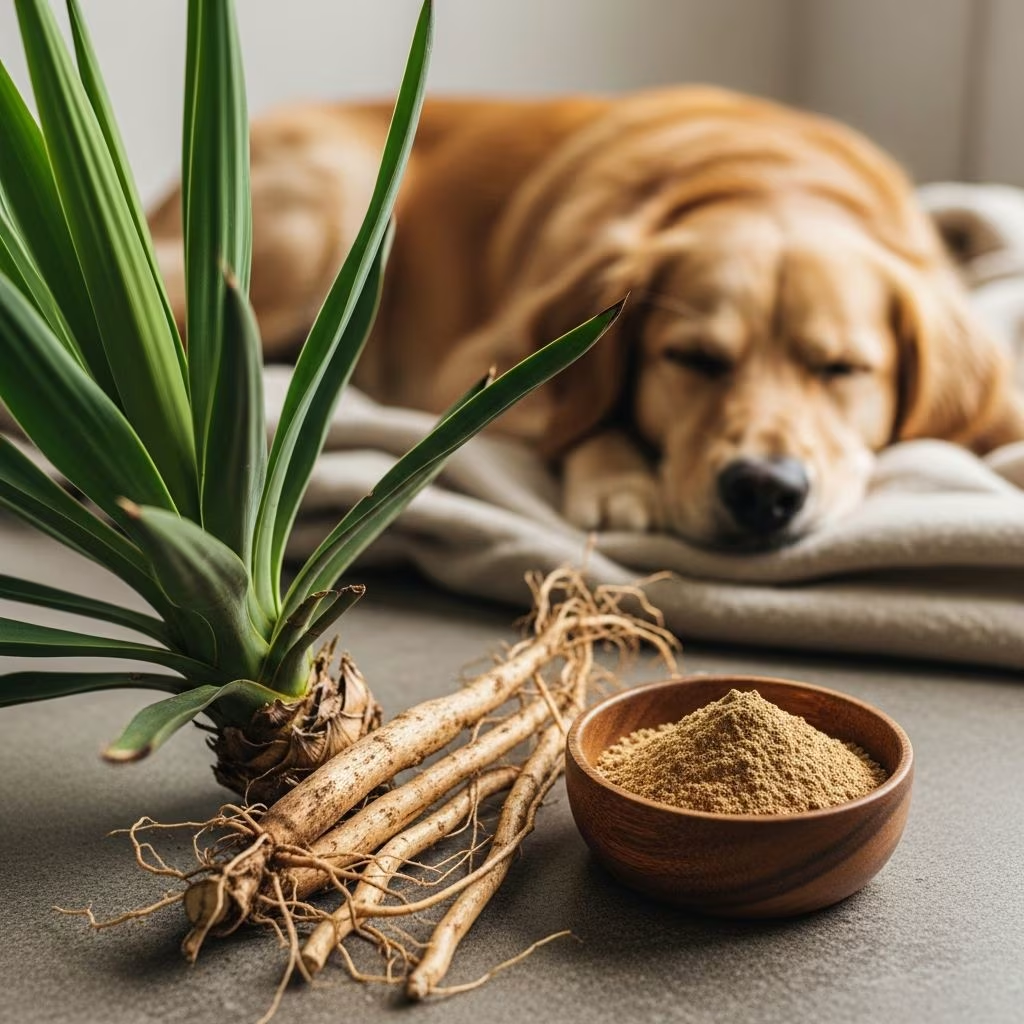
Arthritis affects many dogs as they age, causing stiffness, pain, and reduced mobility that can significantly impact their quality of life. Pet owners increasingly seek natural alternatives to traditional pharmaceuticals to manage their dogs’ chronic joint conditions. One herbal remedy gaining attention in the veterinary wellness community is yucca root, a plant-based supplement with potential anti-inflammatory and analgesic properties. Understanding how yucca root works and how to safely incorporate it into your dog’s care plan can help you make informed decisions about your pet’s arthritis management.
Understanding Canine Arthritis and Its Impact
Canine arthritis, also known as osteoarthritis or degenerative joint disease, develops when the protective cartilage lining joints deteriorates over time. This breakdown leads to inflammation, pain, and decreased range of motion. Older dogs are most commonly affected, though younger animals can develop arthritis following injuries or due to genetic predisposition. The condition typically progresses gradually, with affected dogs showing reluctance to move, limping, or difficulty rising after rest.
Traditional treatment approaches often rely on nonsteroidal anti-inflammatory drugs (NSAIDs) and pain medications. While these can be effective, some pet owners prefer exploring complementary therapies that work alongside or as alternatives to conventional medicine. This is where natural remedies like yucca root enter the conversation.
What Is Yucca Root and Where Does It Come From?
Yucca is a plant from the agave family, characterized by long, sword-like leaves and white bell-shaped flowers. The root of this plant has been used in traditional medicine for centuries, particularly in Southwestern and Mexican folk remedies. The plant thrives in arid climates and contains numerous bioactive compounds including saponins, which are naturally occurring substances with potential therapeutic applications.
In commercial pet health products, yucca root is typically available as a dried powder, extract, or ingredient in pre-formulated supplement blends. The supplement is relatively easy to find in health food stores and pet supply retailers, making it accessible for pet owners interested in natural arthritis management strategies.
The Active Compounds in Yucca Root
Yucca root contains several compounds that may contribute to its health benefits. The primary active constituents include saponins, which have been studied for their anti-inflammatory effects. Additionally, yucca root provides various vitamins and minerals including vitamins A, B, and C, along with calcium, potassium, and phosphorus—all nutrients important for joint and overall bone health.
These components work together to create a nutritional profile that theoretically supports joint function. The anti-inflammatory compounds help reduce swelling in affected joints, while the minerals support the structural integrity of cartilage and bone tissue. This multi-faceted approach distinguishes yucca root from single-action remedies.
How Yucca Root May Support Joint Health
The mechanisms by which yucca root may benefit arthritic dogs operate on several levels. First, the saponins present in yucca root exhibit anti-inflammatory properties that can help reduce joint inflammation—a primary driver of arthritis pain and stiffness. By decreasing inflammatory markers in affected joints, yucca root may help alleviate discomfort and improve mobility.
Second, yucca root appears to support the digestive absorption and passage of nutrients throughout the body. Enhanced nutrient absorption may allow other joint-supporting compounds to be more effectively utilized by the body. This indirect benefit can amplify the effects of other supplements or dietary components aimed at supporting joint health.
Third, the vitamin and mineral content of yucca root contributes to the overall nutritional status of the dog. Adequate levels of antioxidant vitamins like C and E help protect joint tissues from oxidative stress, which can accelerate cartilage breakdown and inflammation.
Comparing Yucca to Other Natural Joint Remedies
| Supplement | Primary Action | Best For | Typical Dosage |
|---|---|---|---|
| Yucca Root | Anti-inflammatory, nutrient support | Inflammation reduction and nutrient absorption | 1/4 teaspoon initially, adjusted based on response |
| Glucosamine & Chondroitin | Cartilage repair and maintenance | Cartilage preservation and joint support | Varies by product formulation |
| Omega-3 Fish Oil | Anti-inflammatory, circulation support | Reducing joint stiffness and inflammation | Based on EPA/DHA content |
| Boswellia | Anti-inflammatory pain relief | Clinical arthritis symptoms reduction | 5-10 mg per pound of body weight |
| Turmeric (Curcumin) | Antioxidant and anti-inflammatory | Inflammation and pain management | 0.5-1 teaspoon daily |
Proper Dosage and Administration Guidelines
Establishing the correct dosage of yucca root for your dog requires careful consideration of the animal’s size, age, and overall health status. Pet health professionals generally recommend starting with a conservative dose to assess your dog’s response and tolerance. For yucca root powder, introducing your dog to the supplement with an initial dose of approximately 1/4 teaspoon allows you to observe for any adverse reactions before gradually increasing to the full therapeutic dose.
The concentrated dose of yucca root should be tailored to your dog’s individual needs and body weight. Some formulations include specific dosing recommendations based on pounds of body weight. Yucca root is typically administered by mixing the powder with your dog’s regular food, making it relatively straightforward to incorporate into daily feeding routines.
Consistency is important when using yucca root, as with most natural supplements. Results may not be immediately apparent, with some dogs showing improvement within weeks while others require longer periods of supplementation before noticeable changes occur. Maintaining regular administration as recommended allows the supplement’s active compounds to build up in the dog’s system.
Complementary Approaches to Arthritis Management
While yucca root can be a valuable addition to arthritis management, it works most effectively as part of a comprehensive approach. Combining yucca supplementation with other evidence-based strategies creates a synergistic effect that may produce better outcomes than any single intervention.
Nutritional Support: Ensuring your dog receives a balanced diet rich in omega-3 fatty acids from sources like salmon and sardines helps reduce systemic inflammation. Bone broth, homemade or store-purchased, provides collagen and glycosaminoglycans that support joint tissue. Antioxidant-rich foods like blueberries and leafy greens help combat oxidative stress that exacerbates joint degeneration.
Physical Management: Low-impact exercise such as gentle walks and swimming helps maintain muscle strength around affected joints without excessive strain. Physical therapy and canine massage can alleviate pain, reduce muscle tension, and improve circulation to arthritic joints. Some dogs benefit from acupuncture or chiropractic adjustments performed by qualified practitioners specializing in animal care.
Environmental Modifications: Providing orthopedic bedding, using ramps to avoid jumping on furniture, and maintaining non-slip flooring reduces stress on compromised joints. Ensuring easy access to food, water, and resting areas minimizes the distance your dog must move throughout the day.
Thermal Therapy: Applying warm compresses before exercise helps relax muscles and improve flexibility, while cold therapy after activity can reduce inflammation and pain. These simple interventions are easy to implement at home and cost-effective.
Safety Considerations and Potential Side Effects
Generally, yucca root is considered safe for most dogs when administered at appropriate doses. However, like all supplements, it carries potential risks that responsible pet owners should understand. Some dogs may experience digestive upset when first introduced to yucca root, including mild diarrhea or constipation as their system adjusts to the new supplement.
Because yucca root contains saponins that can affect nutrient absorption in the digestive tract, very high doses given over extended periods could theoretically interfere with the absorption of certain minerals. Maintaining appropriate dosages and consulting with your veterinarian helps mitigate this risk.
Dogs with certain conditions, such as severe gastrointestinal issues or specific medication regimens, may not be suitable candidates for yucca supplementation. Additionally, pregnant or nursing dogs should not receive yucca root without veterinary guidance. Any dog with known plant allergies should be monitored carefully when introducing yucca for the first time.
When to Consult Your Veterinarian
Before starting your dog on any new supplement regimen, including yucca root, consulting with your primary veterinarian is essential. Your vet can assess your dog’s current health status, review existing medications, and ensure that yucca supplementation won’t interact with prescribed treatments or underlying conditions.
Some veterinarians specialize in holistic or integrative medicine and may have specific expertise with herbal supplements. A veterinarian trained in Traditional Chinese Veterinary Herbal Medicine can provide specialized guidance on using yucca root within a broader treatment framework. These professionals can help you develop a comprehensive arthritis management plan tailored to your dog’s unique situation.
During veterinary consultations, discuss your expectations for yucca root, including realistic timelines for seeing results. Your vet can help you monitor your dog’s response to supplementation and adjust dosages or recommend alternative approaches if needed.
Expected Timeline for Results
Pet owners often wonder how quickly yucca root will produce noticeable improvements in their dog’s arthritis symptoms. The timeline varies significantly between individual animals, influenced by factors such as the severity of arthritis, the dog’s age, overall health status, and whether other complementary treatments are being used simultaneously.
Some dogs show subtle improvements in mobility and reduced stiffness within several weeks of beginning yucca supplementation. Other animals may require 6 to 8 weeks or longer before significant changes become apparent. This delayed response is common with natural remedies and reflects the gradual reduction of inflammatory markers in the body.
Patience and consistent administration are crucial during this assessment period. Discontinuing yucca root prematurely may prevent you from seeing benefits that could develop with continued use. Keeping a journal documenting your dog’s mobility, pain levels, and overall demeanor helps you objectively track changes over time.
Frequently Asked Questions About Yucca Root for Dogs
Can yucca root be used long-term in dogs?
Yes, yucca root can typically be used as a long-term supplement for arthritis management. However, regular veterinary monitoring ensures that your dog continues to tolerate the supplement well and that it remains effective for your dog’s needs.
How does yucca root compare to prescription arthritis medications?
Yucca root works differently from NSAIDs and other prescription medications. While prescription drugs often provide faster, more dramatic pain relief, yucca root offers a gentler, longer-term approach with fewer potential side effects for many dogs. Many veterinarians recommend using both approaches in combination for optimal results.
Is yucca root effective for all types of arthritis?
Yucca root appears most beneficial for inflammatory arthritis conditions. Its effectiveness may vary depending on the underlying cause and severity of your dog’s arthritis. Consulting your veterinarian helps determine if yucca is appropriate for your dog’s specific arthritis type.
Can yucca root be combined with other supplements?
Many dogs benefit from combination approaches using yucca root alongside glucosamine, omega-3 fatty acids, and other joint-supporting supplements. Discuss any planned combinations with your veterinarian to ensure compatibility and appropriate dosing.
What should I look for when purchasing yucca root products?
Choose products from reputable manufacturers that provide quality assurance and transparent ingredient listings. Look for standardized extracts when available, as these provide consistent levels of active compounds between batches.
Creating a Holistic Arthritis Management Plan
Successfully managing canine arthritis requires thinking beyond any single supplement or treatment. Yucca root serves best as one component within a comprehensive strategy that addresses your dog’s physical, nutritional, and environmental needs. By combining yucca supplementation with appropriate exercise, dietary support, physical therapies, and veterinary oversight, you create the optimal conditions for managing your dog’s arthritis and maintaining quality of life.
The investment in exploring natural remedies like yucca root reflects a commitment to your dog’s long-term wellness. While results may develop gradually, many pet owners find that the gentle, side-effect-minimal approach of herbal supplementation offers meaningful improvements in their aging dog’s comfort and mobility, allowing additional years of active engagement and companionship.
References
- Natural Remedies for Dog Arthritis Pain — TPLO Info. Accessed March 2026. https://tploinfo.com/blog/natural-remedies-for-dog-arthritis-pain/
- Natural and Herbal Arthritis Remedies in Dogs — Wag! Accessed March 2026. https://wagwalking.com/treatment/natural-and-herbal-arthritis-remedies
- What Are the Best Natural Remedies for Dog Arthritis? — Pet Direct Pharmacy. Accessed March 2026. https://petdirectpharmacy.co.nz/blog/what-are-the-best-natural-remedies-for-dog-arthritis
- Natural Arthritis Guide and Herbs to Help Dogs — My Pet Nutritionist. Accessed March 2026. https://mypetnutritionist.com/post/natural-arthritis-guide-and-herbs-to-help-dogs/
- Natural Treatments for Managing Arthritis in Dogs — PetMD. Accessed March 2026. https://www.petmd.com/dog/conditions/natural-treatments-managing-arthritis-dogs
- Common Treatments for Dog Arthritis — GoodRx. Accessed March 2026. https://www.goodrx.com/pet-health/dog/dog-arthritis-tips-treatment-relief
- Dog Arthritis Home Care: Natural Remedies & Treatment Tips — OrthoDog. Accessed March 2026. https://orthodog.com/blogs/sit-stay-heal/how-to-help-a-dog-with-arthritis-at-home



