

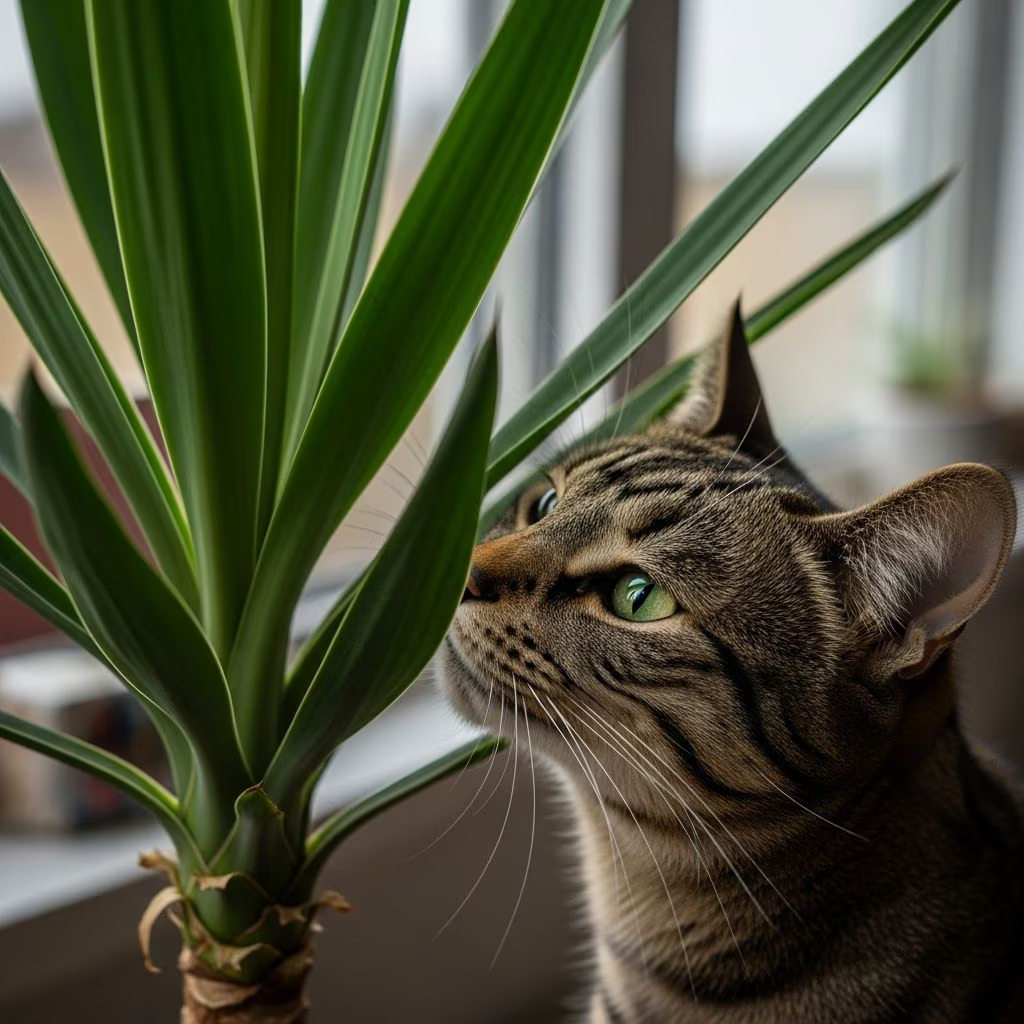
Many cat owners adorn their homes and gardens with yucca plants for their striking appearance and low-maintenance appeal. These desert natives feature sword-like leaves and towering flower stalks, making them favorites for indoor decor and outdoor landscaping. However, beneath their ornamental charm lies a significant risk for feline companions. Yucca plants harbor natural compounds that can trigger adverse reactions in cats, ranging from mild stomach upset to more concerning health issues.
The Hidden Dangers in Yucca Foliage
Yucca plants belong to the Agavaceae family and thrive in arid conditions, which explains their popularity in sunny windowsills and drought-tolerant gardens. Cats, known for their curious nature, often investigate plants by nibbling leaves or batting at them. This behavior can lead to accidental ingestion, exposing them to the plant’s defensive chemicals.
The primary culprits are saponins, soap-like substances distributed throughout the leaves, stems, and even roots. These compounds deter herbivores in the wild by irritating the digestive tract and disrupting cellular membranes. In cats, saponins provoke irritation upon contact with the mouth and stomach lining, leading to immediate discomfort.
- Saponins form foam-like bubbles in the gut, exacerbating nausea.
- Concentrated in leaf tips and edges, where cats most often chew.
- Low overall levels mean single small bites rarely cause severe harm, but repeated exposure accumulates risk.
Recognizing Symptoms of Yucca Exposure
If your cat has access to a yucca plant, monitor for telltale signs of ingestion. Symptoms typically appear within hours, starting with gastrointestinal distress. Vomiting is the most frequent initial response, as the body attempts to expel the irritants. This can be frothy or contain plant fragments, providing a clue to the source.
Diarrhea often follows, sometimes loose or watery, accompanied by increased salivation or drooling due to oral irritation. In milder cases, these resolve spontaneously within 24-48 hours as the saponins pass through the system. However, watch for escalation:
| Symptom | Severity Level | Action Needed |
|---|---|---|
| Vomiting, Diarrhea | Mild | Monitor hydration; offer bland diet |
| Drooling, Weakness | Moderate | Contact vet for advice |
| Lack of Coordination, Convulsions | Severe | Emergency vet visit |
Less common but serious indicators include lethargy, uncoordinated movements, and in extreme instances, seizures. These arise from dehydration, electrolyte imbalances, or rare systemic effects. Sharp edges on yucca leaves can also cause mechanical injuries, like mouth sores or punctures in the digestive tract.
Immediate Steps and Veterinary Interventions
Upon suspecting yucca ingestion, act promptly but calmly. Remove any plant remnants from your cat’s mouth and prevent further access. Offer small amounts of water to soothe the stomach, but avoid forcing food or inducing vomiting without professional guidance, as this can worsen irritation.
Most cases require supportive care: fluids to combat dehydration, anti-emetics for nausea, and probiotics to restore gut balance. Vets may administer activated charcoal to bind remaining toxins or conduct bloodwork to check for complications. In severe scenarios, hospitalization with IV fluids ensures recovery.
Call poison control hotlines like the ASPCA Animal Poison Control Center at (888) 426-4435 for immediate triage. Early intervention dramatically improves outcomes, with most cats bouncing back fully within days.
Why Yucca Extract Differs from the Whole Plant
Confusion arises because yucca extract appears in some premium cat foods and supplements. This processed form undergoes extraction that isolates beneficial steroidal saponins while removing toxic raw saponins. The result binds ammonia in the intestines, curbing fecal odors without gastrointestinal upset.
- Reduces stool smell by up to 50% in trials.
- Supports digestion by promoting beneficial bacteria.
- Anti-inflammatory effects may ease allergy symptoms like itching.
Manufacturers dilute extracts to safe concentrations, making them a staple in kibble formulas. Always verify labels, as unprocessed yucca remains hazardous.
Common Misidentifications: Yucca vs. Similar Plants
Yucca often gets mistaken for cassava (also called yuca), a root vegetable. Cassava contains cyanogenic glycosides, but at levels too low to seriously affect cats. True yucca poses the greater threat due to higher saponin potency.
Other look-alikes include agave and yuri lilies, but only yucca combines toxicity with feline appeal. Educate yourself on botanical distinctions: yucca’s fibrous leaves lack agave’s rosettes or cassava’s tubers.
Creating a Cat-Safe Environment
Prevention trumps treatment. Relocate yucca plants to high shelves, hanging baskets, or outdoor spots beyond jumping reach. Use deterrents like citrus sprays or aluminum foil around bases, as cats dislike the textures and scents.
Provide alternatives to satisfy chewing instincts:
- Cat grass or wheatgrass pots for safe nibbling.
- Interactive toys infused with catnip.
- Vertical gardens with non-toxic greenery like spider plants.
Opt for pet-friendly houseplants such as Boston ferns, parlor palms, or areca palms, verified safe by toxicology databases.
Long-Term Health Implications for Cats
While single exposures rarely cause lasting damage, chronic low-level ingestion stresses the liver and kidneys over time. Cats with pre-existing conditions like IBD or allergies face heightened vulnerability. Annual vet checkups, including blood panels, help detect subclinical issues early.
Nutritional support plays a role too. Diets with yucca extract or prebiotics bolster resilience against plant-related upsets, maintaining microbiome health.
Frequently Asked Questions
Can a small bite of yucca kill my cat?
Unlikely. Fatalities are exceedingly rare, requiring massive quantities. Mild symptoms predominate.
Is yucca safe outdoors if my cat stays inside?
Not entirely. Cats may sneak out or track debris indoors. Best to avoid altogether.
What if my cat ate yucca yesterday?
Observe for delayed symptoms like lethargy. Consult a vet if concerned, even without active signs.
Are all yucca species equally toxic?
Yes, saponins are ubiquitous across Yucca spp., though concentrations vary slightly.
Can yucca extract treat yucca poisoning?
No. Use only under vet supervision; it doesn’t counteract raw plant toxins.
Safe Plant Alternatives for Cat Lovers
| Plant Name | Toxicity Status | Benefits |
|---|---|---|
| Spider Plant | Non-toxic | Air-purifying, dangling appeal |
| Banana Plant | Non-toxic | Tropical vibe, sturdy leaves |
| Prayer Plant | Non-toxic | Foliage movement fascinates cats |
| Cat Thyme | Safe | Mild stimulant, chew-friendly |
These options mimic yucca’s aesthetics without risks, enhancing your home’s greenery safely.
In summary, while yucca plants enchant with their resilience and form, they imperil cats through saponin-induced toxicity. Vigilance, strategic placement, and vet partnerships keep felines thriving amid lush surroundings. Prioritize safety to ensure harmonious coexistence.
References
- Yucca Extract in Cat Food — Tippaws. 2023. https://www.tippaws.com/blogs/news/why-is-yucca-extract-in-cat-food
- Are Yucca Plants Toxic to Cats? — Catster. 2024-01-15. https://www.catster.com/cat-health-care/are-yucca-plants-toxic-to-cats/
- Top 10 Houseplants Poisonous to Cats — Chipman Road Animal Clinic. 2023. https://www.chipmanroadanimalclinic.com/top-10-houseplants-poisonous-to-cats
- Yucca – Toxic and Non-toxic Plants — ASPCA. 2025-06-01. https://www.aspca.org/pet-care/aspca-poison-control/toxic-and-non-toxic-plants/yucca
- Yucca Plant and Your Pets — Animal Poisons Helpline. 2024. https://www.animalpoisons.com.au/news/yucca-plant-and-your-pets/
- Plants Poisonous to Cats — Blue Cross. 2025-03-20. https://www.bluecross.org.uk/advice/cat/health-and-injuries/plants-poisonous-to-cats



