

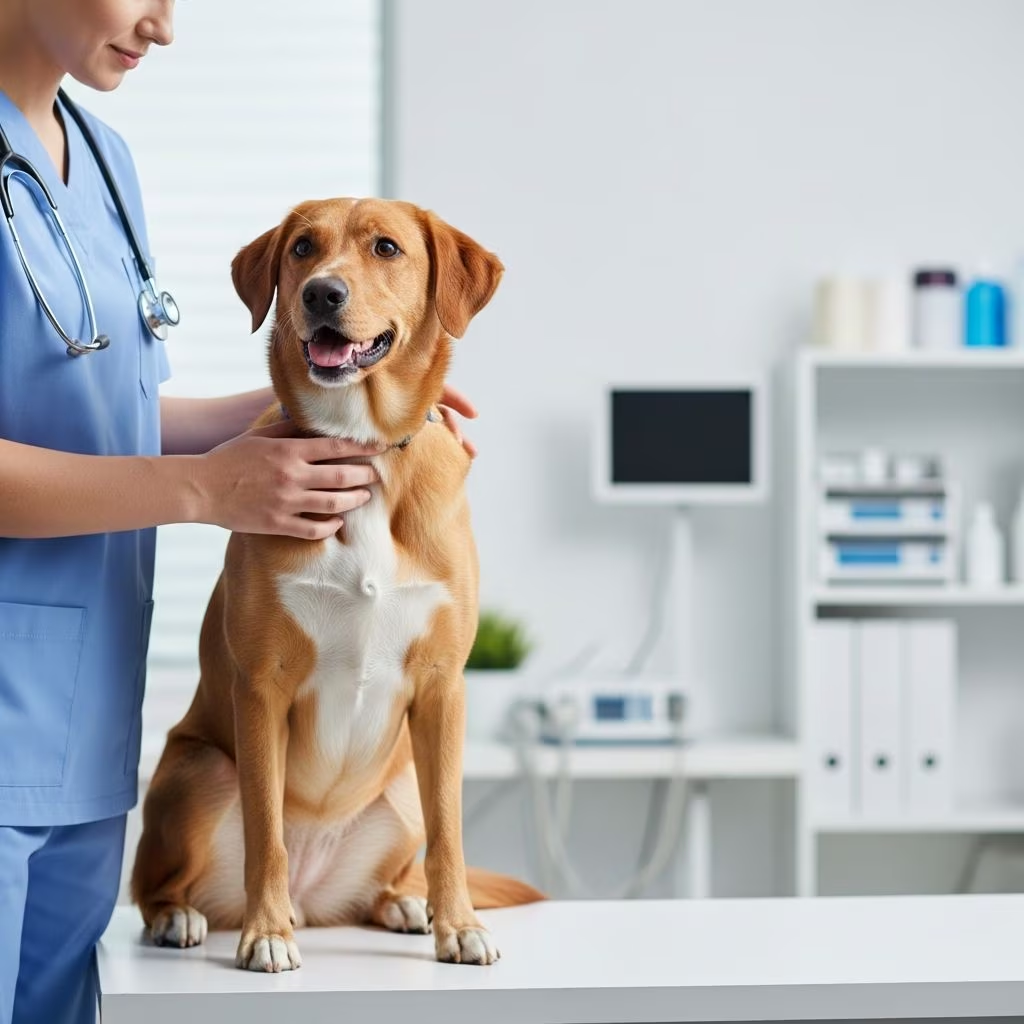
Routine veterinary check-ups are essential for keeping dogs healthy throughout their lives. These visits allow veterinarians to detect potential issues early, update preventive care, and provide tailored advice on nutrition and behavior. Understanding the process helps dog owners feel prepared and ensures their pets receive comprehensive care.
Why Regular Vet Visits Matter for Your Dog
Wellness exams serve as a foundation for long-term health management. They establish baselines for vital signs and body condition, enabling vets to track changes over time. For puppies, these visits focus on growth and early vaccinations, while adult and senior dogs benefit from screenings for age-related conditions like arthritis or organ dysfunction. Early detection through these exams can significantly extend a dog’s lifespan and improve quality of life.
Frequency recommendations vary by age: puppies need visits every 3-4 weeks until 16 weeks, adults annually, and seniors every 6 months. These schedules align with life stage needs, ensuring timely interventions.
Arriving at the Clinic: Check-In and History Review
The visit begins at reception, where staff record your dog’s details and any immediate concerns. Expect questions about daily routines, diet, exercise, and recent changes in appetite or behavior. Bringing prior medical records, vaccination history, and a fresh fecal sample aids efficiency.
- Diet and nutrition: What food, portion sizes, treats?
- Activity level: Walks, playtime, energy changes?
- Behavior notes: House training, aggression, anxiety?
- Environmental factors: Boarding, travel, exposure to other animals?
This discussion customizes the exam, highlighting breed-specific risks like hip dysplasia in large breeds.
The Comprehensive Physical Examination
The core of the visit is a head-to-tail assessment, typically lasting 10-15 minutes. Vets start with vital signs: weight, temperature (normal 100-102.5°F), heart rate (60-140 bpm), and respiration (10-30 breaths per minute).
Head and Sensory Check
Examination begins with eyes, ears, nose, and mouth. Clear corneas, no discharge, pink gums, and clean teeth indicate good health. Vets check for tartar buildup, bad breath signaling dental disease, or ear wax suggesting infections.
Body and Limb Inspection
Palpation follows, feeling for lumps, muscle tone, and joint mobility. Skin is assessed for fleas, dryness, or allergies; coat for shine and shedding patterns. Lymph nodes under legs and groin are probed for swelling.
| Area | Normal Findings | Red Flags |
|---|---|---|
| Eyes | Clear, moist, equal pupils | Cloudiness, redness, discharge |
| Ears | Clean, no odor | Wax, inflammation, head shaking |
| Mouth | Pink gums, no tartar | Loose teeth, bleeding, odor |
| Skin/Coat | Smooth, shiny | Bald spots, itching, parasites |
Torso and Rear Evaluation
Stethoscope listening detects heart murmurs or lung congestion. Abdominal palpation reveals pain, masses, or organ enlargement. Genitals and anal sacs are checked for discharge or impaction. Spine and tail are pressed for pain responses.
Vital Signs and Baseline Measurements
Accurate vitals provide reference points. Body condition scoring (1-9 scale) gauges ideal weight: 4-5 is optimal. Overweight dogs (6+) face diabetes risks; underweight (1-3) may indicate parasites or illness.
- Weight tracking: Monitors growth or obesity.
- Temperature: Detects fevers or infections.
- Heart/Respiration: Identifies cardiovascular issues.
Vaccination Strategies and Parasite Prevention
Vets review immunization status. Core vaccines protect against distemper, parvovirus, rabies. Lifestyle vaccines like bordetella suit social dogs. Puppies follow a series; adults get boosters every 1-3 years.
Parasite control includes heartworm testing (annual for dogs 7+ months), flea/tick preventives, and fecal exams for worms. The American Heartworm Society endorses yearly tests even on preventives to catch breakthroughs.
Diagnostic Tests: Going Beyond the Surface
Not every visit requires tests, but baselines are valuable, especially for adults/seniors.
- Fecal analysis: Screens intestinal parasites; yearly for adults.
- Blood panel (CBC/Chemistry): Checks organ function, anemia, infection; ideal for seniors.
- Urinalysis: Detects kidney issues, diabetes.
- Thyroid screening: For older dogs with lethargy.
X-rays may screen hips in at-risk breeds. These establish normals for future comparisons.
Age-Specific Wellness Priorities
Puppy Visits
Focus on deworming, socialization advice, and initial vaccines. Behavior counseling prevents future issues.
Adult Dog Care
Emphasizes spay/neuter discussions, dental health, and obesity prevention.
Senior Protocols
Every 6 months: arthritis checks, cancer screenings, cognitive assessments.
How to Prepare Your Dog for Success
Exercise beforehand reduces anxiety. Bring favorite toys/treats. Fast for bloodwork if advised. Note symptoms in a journal.
Post-visit, monitor for changes and administer medications promptly.
Home Health Monitoring Between Visits
Owners can replicate basics at home weekly.
- Eyes/Ears: Check clarity, discharge.
- Mouth: Inspect gums/teeth.
- Skin: Feel for lumps, fleas.
- Abdomen: Gentle press for pain.
- Heartbeat: Feel chest rhythm.
- Paws: Nails, pads, between toes.
Apps track weight trends. Consult vets for abnormalities.
Common Questions Answered
How long does a typical exam last?
20-40 minutes, longer with tests.
What if my dog is anxious?
Discuss sedatives or techs experienced with fearful pets.
Are wellness exams covered by insurance?
Many plans reimburse; check policy.
When to schedule unscheduled visits?
Lethargy, vomiting, limping warrant immediate care.
Cost expectations?
$50-150 basic exam; add $100+ for diagnostics.
Partnering with Your Vet for Lifelong Health
Open communication builds effective care plans. Ask about nutrition trials, training resources, or breed clubs. Consistent visits prevent crises, ensuring happy, healthy years.
References
- What Happens During a First Vet Checkup? A Step-by-Step Guide — Cain Hoy Veterinary Hospital. 2023. https://www.cainhoyvet.com/what-happens-first-vet-checkup/
- Giving Your Dog a Thorough Home Check-up — VCA Animal Hospitals. 2024. https://vcahospitals.com/know-your-pet/giving-your-dog-a-thorough-home-check-up
- Pet Wellness Exam | General Vet Visit — True Animal Vet. 2024. https://www.trueanimalvet.com/blog/what-happens-during-a-general-vet-visit.html
- Pet Wellness Exams: Costs and What To Expect — PetMD. 2024. https://www.petmd.com/general-health/pet-wellness-exams-how-prepare
- Canine Wellness Checkups — The Drake Center. 2023. https://www.thedrakecenter.com/services/dogs/canine-wellness-checkups



