

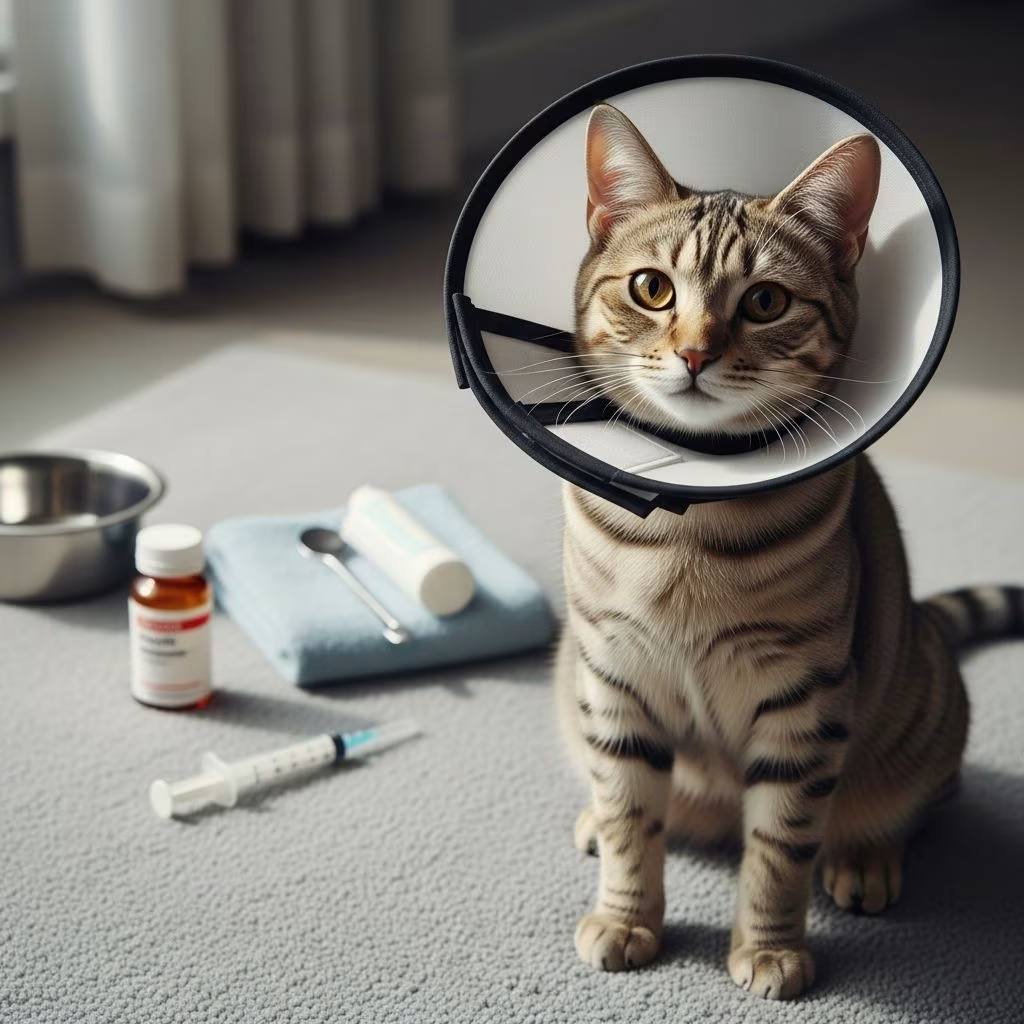
Spaying or neutering your cat is a responsible decision that offers lifelong health benefits, prevents unwanted litters, and can improve behavior. However, the surgery is just the beginning—proper post-operative care is crucial for a smooth recovery. This guide covers everything from immediate aftercare to long-term changes, helping you support your feline friend through healing.
Understanding Spay and Neuter Procedures
Spaying removes the ovaries and uterus in female cats, while neutering removes the testicles in males. Both are routine surgeries performed under general anesthesia, typically lasting 20-60 minutes depending on the cat’s age and health. Vets use absorbable sutures for incisions, which dissolve naturally, reducing the need for stitch removal. Pain medications like meloxicam or Onsior and anti-inflammatories are commonly prescribed to manage discomfort.
These procedures eliminate heat cycles in females and reduce roaming, aggression, and marking in males. Recovery focuses on preventing infection, controlling activity, and monitoring for complications.
Immediate Post-Surgery Care (Day 0)
Right after surgery, your cat will be groggy from anesthesia, exhibiting wobbly walking, drowsiness, and reduced appetite. This phase lasts several hours to a full day. Keep your cat in a quiet, warm recovery area away from other pets and children to minimize stress.
- Monitor breathing and alertness; contact your vet if unresponsive after 12 hours.
- Offer small amounts of water and 1/4 to 1/2 of normal food once alert, avoiding vomiting.
- Prevent licking by applying an E-collar (cone) immediately if provided.
For females, abdominal soreness is more pronounced; assist with litter box access if needed. Males recover faster externally but watch for scrotal swelling.
Recovery Timeline: Day-by-Day Expectations
Healing varies by sex and age, with males often bouncing back quicker than females. Use this table for a clear overview:
| Day | Neutered Males | Spayed Females |
|---|---|---|
| Day 0 | Groggy, wobbly, low appetite | Same + abdominal soreness |
| Day 1-2 | Licking risk, mild swelling | Confinement needed, litter help |
| Day 3-4 | Energy/appetite returns, scab forms | Incision sensitive, restrict activity |
| Day 6-10 | Normal but limit jumping | Recheck incision, indoor only |
| Day 14 | Fully healed | Vet check; lift restrictions if ok |
Males typically act normal in 2-3 days; females need 10-14 days of monitoring. Full internal healing can take up to 6 weeks.
Incision Care and Monitoring
The incision is small (1-2 inches for spays, tiny for neuters) and often covered with surgical glue or staples. Check daily for:
- Normal: Mild redness, scabbing, light bruising.
- Warning signs: Excessive swelling, pus/discharge, foul odor, opening of wound, or bleeding.
Clean gently with vet-approved antiseptic if dirty, but avoid if glued. Ensure the E-collar stays on for 7-10 days to prevent licking, which risks infection. Schedule a 10-14 day recheck for females.
Activity Restrictions and Confinement
Restricted movement prevents dehiscence (wound reopening) and internal issues. Confine to a small room, crate, or pen for 10-14 days.
- No jumping, running, or rough play—remove access to high surfaces.
- Leashed potty breaks only for males if needed; keep females fully indoors.
- Outdoor cats must stay inside 10-14 days minimum to avoid dirt and fights.
- Gradual reintroduction: Short supervised play after day 10 if healing well.
Create an enrichment zone with toys, scratching posts at ground level, and window perches.
Behavior Changes: What to Expect
Post-surgery shifts are common but mostly temporary. Use this table to gauge normality:
| Behavior | Normal? | Notes |
|---|---|---|
| Increased sleeping (1-2 days) | Yes | Anesthesia effect |
| Hiding/aggression | Yes (short-term) | Pain or fear |
| Reduced spraying (males) | Yes | Long-term benefit |
| Appetite increase | Yes | Monitor portions |
| Calmer demeanor | Yes | Less hormones |
| Weight gain | Yes (preventable) | Diet/exercise key |
Personality may mellow long-term, especially less territorial behavior. Watch for prolonged aggression, signaling pain.
Pain Management and Medications
Vets prescribe meds like gabapentin for pain and antibiotics if needed. Administer exactly as directed—never use human drugs, toxic to cats.
Signs of inadequate pain control: Restlessness, excessive meowing, pacing, or hiding. Comfort with soft bedding and quiet.
Diet, Litter, and Hygiene Tips
Maintain consistent food to avoid upset; small meals initially. Use low-dust litter to prevent tracking into incisions—keep box clean and accessible.
- Monitor stool/urine: Straining or blood warrants a vet call.
- Prevent weight gain with portion control and play post-recovery.
- Bathe only if vet advises; spot-clean fur.
Special Considerations
Kittens/Puppies: Extra supervision as they’re energetic.
Feral/Outdoor Cats: Keep confined 48 hours minimum; return to site when alert (12-48 hours).
Senior Cats: Slower healing; closer monitoring needed.
When to Call the Vet
Act fast on these red flags:
- No eating/drinking after 24-48 hours.
- Lethargy beyond day 2 or fever.
- Incision issues: Swelling > pea-size, discharge, heat.
- Vomiting, diarrhea, or breathing distress.
- Swollen/scabby scrotum in males beyond day 3.
Most issues are preventable with vigilance.
Long-Term Benefits and Lifestyle Adjustments
Post-recovery, expect reduced cancer risks, no heats, and calmer behavior. Adjust diet to prevent obesity—aim for measured kibble and interactive toys. Annual check-ups ensure ongoing health.
Frequently Asked Questions (FAQs)
Q: How long until my cat acts normal?
A: Males: 2-3 days; females: up to 10-14 days. Full energy returns gradually.
Q: When can my cat play or go outside?
A: Light play after 5-10 days (males sooner); outdoors after 14 days and vet approval. Indoor only initially.
Q: Will my cat’s personality change permanently?
A: Often calmer and less territorial long-term, but core traits remain.
Q: How do I prevent licking the incision?
A: Use E-collar 7-10 days; distract with toys; monitor closely.
Q: Is weight gain inevitable?
A: No—control portions and increase exercise post-recovery.
Q: What about feral cats post-surgery?
A: Confine 48 hours; release when alert. Use crates if extended care needed.
References
- Cat Spay & Neuter Recovery Guide — Bliss Animal Hospital. 2023. https://blissanimalhospital.com/blog/what-to-expect-after-cat-spay-or-neuter-surgery/
- Cat Spay Recovery: How Long Should Your Cat Rest After Surgery — Parker Animal Care. 2024. https://www.parkeranimalcare.com/how-long-should-a-cat-rest-after-being-spayed/
- Aftercare for Spayed/Neutered Dogs and Cats — Spay Neuter Vets. 2023. https://www.spayneutervets.com/blog/post-surgery-recovery-guide
- Post-Surgery Care — Alley Cat Allies. 2024. https://www.alleycat.org/community-cat-care/post-surgery-care/
- Spayed Cat Aftercare: How To Care For Your Cat After Surgery — PetMD. 2025. https://www.petmd.com/cat/general-health/spayed-cat-aftercare



