

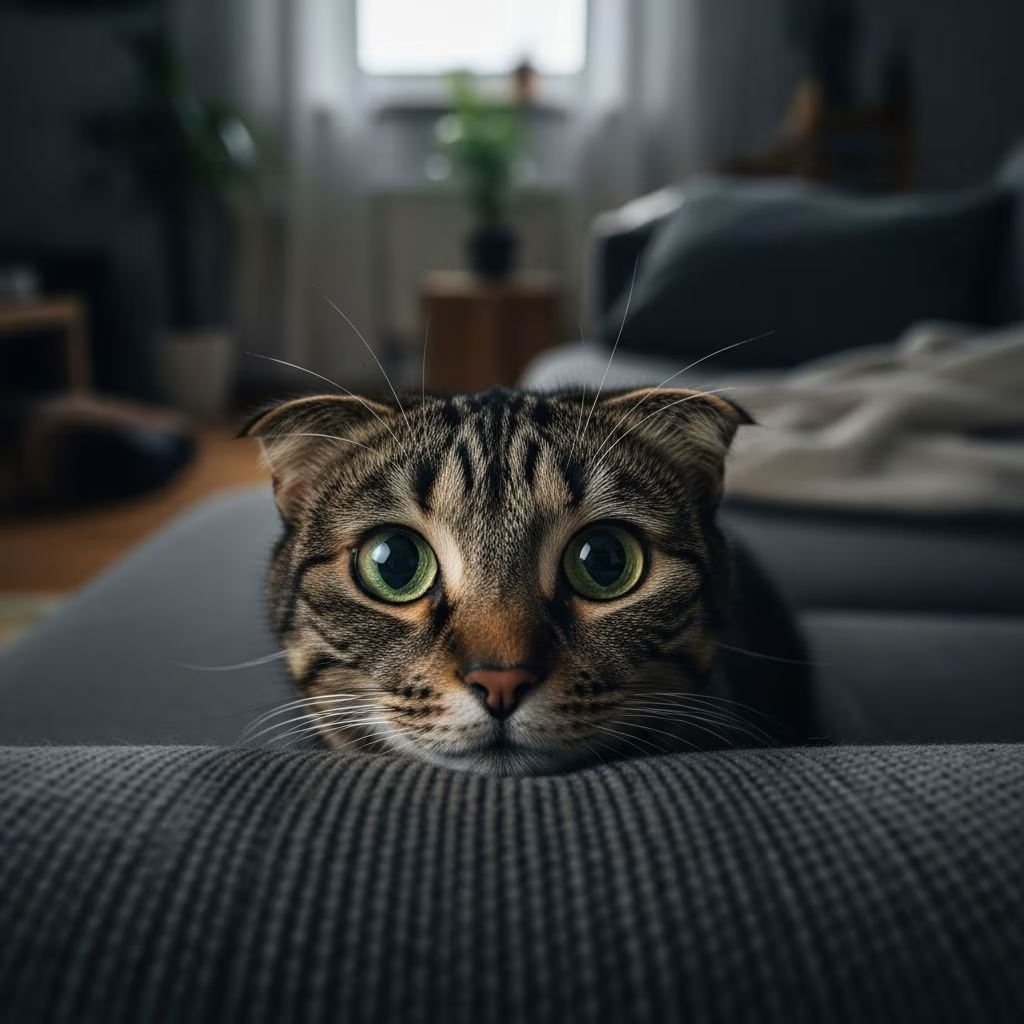
Cat anxiety is a common behavioral issue that affects many felines, manifesting in subtle or overt ways that can impact their quality of life and household harmony. Understanding the root causes, recognizing symptoms early, and implementing targeted treatments can significantly alleviate stress for your pet. This comprehensive guide draws from veterinary insights to help cat owners navigate and resolve anxiety effectively.
Signs Your Cat Is Anxious
Cats are masters of masking discomfort, but anxiety often reveals itself through distinct behavioral and physical cues. Unlike dogs, whose anxiety might be more vocal, cats tend to withdraw or act out subtly. Common signs include:
- Hiding or avoidance: Cats may retreat to inaccessible spots, avoiding interaction even with familiar people.
- Excessive vocalization: Increased meowing, yowling, or crying, especially when alone, signaling distress like separation anxiety.[10]
- Aggression or irritability: Sudden swats, hissing, or biting when previously tolerant, often triggered by minor stimuli.
- Elimination issues: Urinating or defecating outside the litter box, a classic stress indicator rather than a medical problem alone.
- Over-grooming or self-mutilation: Excessive licking leading to bald patches or skin wounds, stemming from compulsive stress relief.
- Appetite changes: Refusing food or eating too quickly, paired with weight fluctuations.
- Restlessness or pacing: Inability to settle, with dilated pupils, twitching tail, or flattened ears indicating heightened arousal.
These symptoms can mimic medical conditions, so a vet exam is crucial to rule out pain or illness before attributing behaviors solely to anxiety.
Why Do Cats Get Anxious?
Feline anxiety arises from perceived threats in a cat’s environment, often amplified by their evolutionary instincts as solitary hunters. Identifying triggers is key to management. Primary causes include:
- Environmental changes: Moving homes, new pets, babies, or renovations disrupt a cat’s secure territory, the most frequent trigger.
- Traumatic events: Abuse, loud noises like fireworks, or veterinary visits can imprint lasting fear responses.
- Illness or pain: Conditions like arthritis, dental disease, or hyperthyroidism heighten irritability and withdrawal; treating the root resolves behavioral issues.
- Improper socialization: Kittens missing the 2-7 week critical window for positive exposures develop lifelong fears of people, noises, or objects.
- Separation anxiety: Though less common than in dogs, some cats vocalize excessively or destroy items when owners leave.[10]
- Aging or neurological issues: Cognitive decline in seniors mimics anxiety with disorientation and vocalization.
Observing patterns—via logs or videos—helps pinpoint causes. For instance, anxiety peaking during owner absences points to separation issues.
How to Calm an Anxious Cat: Treatment Options
Treating cat anxiety requires a multimodal approach: environmental tweaks, behavior therapy, natural aids, and medications if needed. Consistency over 4-6 months yields results, with early intervention preventing chronicity.
Environmental Management
Create a low-stress haven by:
- Removing triggers: Confine scary stimuli like vacuums or strangers initially.
- Providing safe spaces: Cat trees, perches, and boxes offer elevated security; place in family areas for reassurance.
- Gradual introductions: Acclimate to changes slowly, e.g., new pets via scent swapping.
- Maintaining routines: Predictable feeding, play, and litter schedules reduce uncertainty.
Behavior Modification Techniques
These retrain responses under vet guidance:
- Desensitization: Expose to triggers at sub-threshold levels, e.g., play storm sounds softly until neutral, then amplify gradually.
- Counterconditioning: Pair fears with positives, like treats during vacuum demos, building new associations.
- Enrichment: Daily play with toys, puzzle feeders for mental stimulation, combating boredom-fueled stress.
Progress demands reading subtle cues like ear position to avoid overwhelming the cat.
Natural Remedies and Supplements
Non-pharma options ease mild cases:
- Pheromone therapy: Feliway diffusers mimic calming facial pheromones, reducing stress markers by up to 90% in studies.
- Calming supplements: L-theanine, chamomile, or valerian; vet-approved for safety.
- Music therapy: Classical or cat-specific tracks lower heart rates.
Medications for Severe Anxiety
For persistent cases, vets prescribe:
| Medication | Type | Use Case |
|---|---|---|
| Fluoxetine (Prozac) | SSRI Antidepressant | Long-term daily for chronic anxiety; takes weeks to work. |
| Gabapentin | Fast-acting sedative | Pre-vet visits or events; calms without full sedation. |
| Alprazolam (Xanax) | Benzodiazepine | Short-term situational relief. |
| Clomipramine | Tricyclic | Spraying or separation anxiety. |
Compounded flavors improve compliance; monitor for side effects like lethargy. Combine with therapy for best outcomes; some cats wean off after months.
Prevention Tips for a Stress-Free Feline Life
Proactive steps minimize risks:
- Socialize kittens early with gentle handling and exposures.
- Offer multi-level environments and hiding spots from day one.
- Regular vet checkups catch medical contributors early.
- Use pheromone products during transitions like moves.
- Enforce daily interactive play to build confidence.
For multi-cat homes, provide ample resources (litter boxes, bowls) per cat plus one to curb competition.
When to See a Vet or Behaviorist
Consult a professional if symptoms persist >2 weeks, include self-harm, or disrupt eating/sleeping. Vets rule out medical issues via exams/bloodwork, then refer to behaviorists for complex cases. Untreated anxiety worsens, potentially leading to depression or injury.
Frequently Asked Questions (FAQs)
Can all cats develop anxiety?
Yes, any cat can experience anxiety regardless of breed or personality; skittish ones are more prone, but confident cats suffer from sudden changes.
Is cat anxiety curable?
Fully curable in mild cases via management; severe ones are manageable long-term with meds and therapy, rarely resolving completely without intervention.
How long does treatment take?
4-6 months minimum for behavior changes; meds may continue years or taper off.
Do pheromones really work?
Yes, clinical evidence shows reduced stress behaviors in 70-90% of cats.
Can diet help anxious cats?
Nutrient blends with tryptophan or omega-3s support calm; consult vets for recommendations.
References
- Managing Anxiety in Cats — Small Door Veterinary. 2023. https://www.smalldoorvet.com/learning-center/medical/managing-anxiety-in-cats
- Easing Feline Stress: Simple Solutions for Anxious Cats — Wedgewood Pharmacy. 2024. https://www.wedgewood.com/blog/easing-feline-stress-simple-solutions-for-anxious-cats/
- The Ultimate Guide to Cat Anxiety — PetMD. 2024-05-15. https://www.petmd.com/cat/conditions/behavioral/c_ct_fear_phobia_anxiety
- How to Recognize and Manage Anxiety in Cats — GoodRx. 2024. https://www.goodrx.com/pet-health/cat/anxiety-in-cats
- Anxiety Disorders in Cats — PetMD. 2023. https://www.petmd.com/cat/conditions/behavioral/anxiety-disorders-cats
- Cat Anxiety: Signs, Symptoms & Treatment — Purina. 2024. https://www.purina.com/articles/cat/health/symptoms/cat-anxiety



