

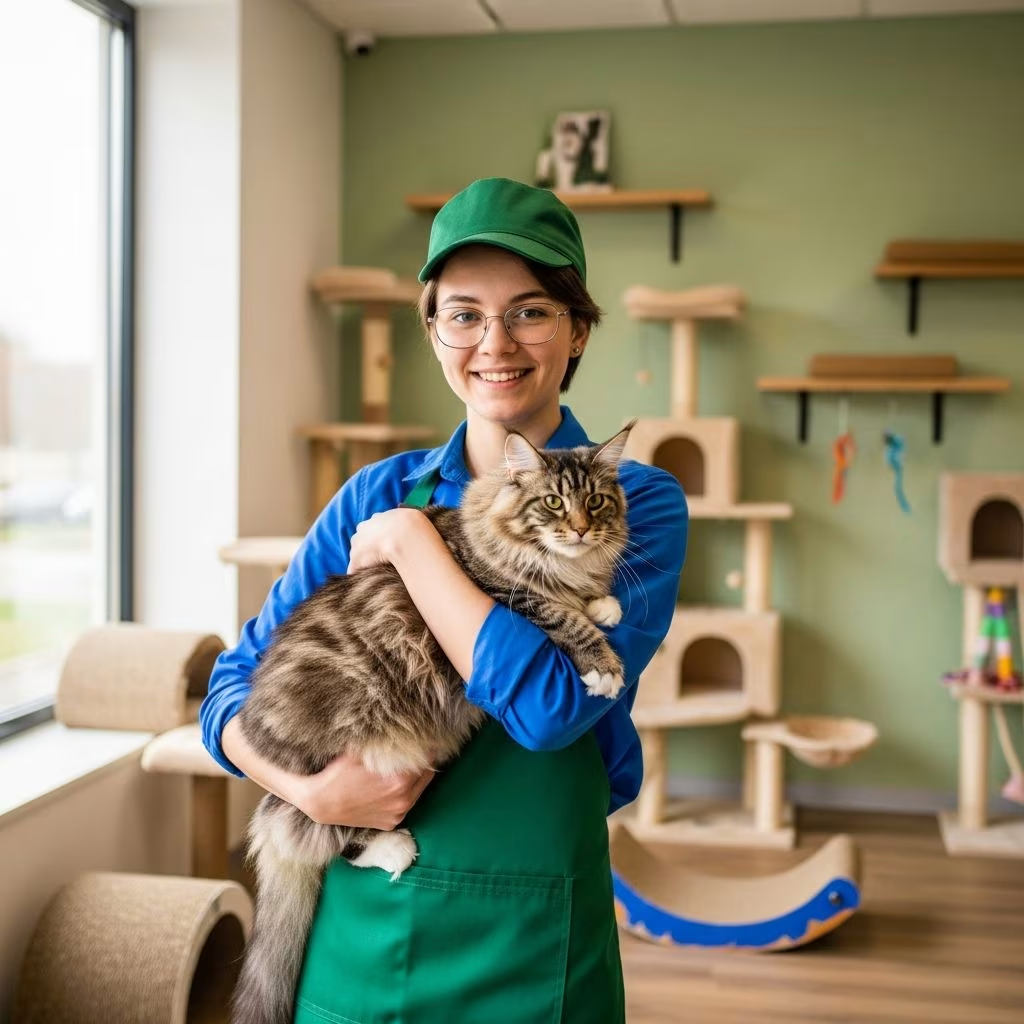
Teaching children about business entrepreneurship while allowing them to earn money is an excellent way to build financial literacy and work ethic. A cat-sitting service represents one of the most accessible entry points for young entrepreneurs looking to start their first venture. Unlike many business ideas that require significant startup capital or specialized equipment, a feline care service can begin with minimal investment and leverage skills your child likely already possesses or can quickly develop.
Why Cat Care Services Make Excellent First Businesses for Young People
The pet care industry continues to grow as more households rely on professional services to manage their animals’ needs. Cats, in particular, represent a substantial market segment within this industry. Many pet owners struggle to find reliable, trustworthy individuals to care for their cats while traveling, working extended hours, or managing health issues.
Low startup costs represent one of the most compelling advantages of this business model. Your child can begin operations with investments ranging from $500 to $5,000, depending on the tools and marketing strategies chosen. This accessibility makes it realistic for young entrepreneurs without substantial personal savings to launch professionally.
The flexibility inherent in cat-sitting work allows young entrepreneurs to balance their service with school, sports, or other commitments. They can accept jobs that fit their schedule, scale their workload up or down seasonally, and maintain ultimate control over their time management.
Perhaps most importantly, this business model builds confidence and practical life skills. Young people learn client communication, responsibility, financial management, and problem-solving through real-world application rather than classroom theory.
Building a Foundation: Gaining Experience and Credibility
Before your child launches their professional service, they should develop genuine expertise in feline behavior and care. This groundwork phase establishes credibility that clients will recognize and trust.
Volunteering at animal shelters provides hands-on experience with diverse cat personalities, health conditions, and behavioral challenges. Shelters need reliable help and typically offer flexible volunteer schedules suitable for young people. This experience teaches proper handling techniques, safety protocols, and how to recognize signs of illness or distress in cats.
Your child can also build practical experience through informal pet sitting for friends and family. These low-stakes opportunities allow them to develop routines, learn about different household setups, and handle unexpected situations in a forgiving environment. Satisfied friends and neighbors often become the first paid clients and provide valuable references.
Formal education and certification strengthen your child’s market position significantly. While not legally required to operate a cat-sitting business, certifications demonstrate commitment to professional standards:
- Pet first aid and CPR certification from organizations like the Red Cross equips young sitters with emergency response knowledge
- Pet-sitting specific training through organizations like Pet Sitters International provides business and care guidance
- Basic animal behavior courses help young entrepreneurs understand feline communication and stress signals
These credentials cost relatively little but provide substantial marketing advantages. Parents should research local options, as many veterinary clinics, community colleges, and animal organizations offer affordable certification programs.
Establishing the Business Structure
Even if your child plans to work part-time or seasonally, formalizing the business creates important protections and simplifies taxes. Registering a business with local and federal authorities keeps operations above board and prevents complications later.
Choosing a business structure represents the first official step. Most young entrepreneurs beginning a pet-sitting business select between two options:
- Sole Proprietorship: The simplest structure where your child operates as an individual business owner. This requires minimal registration and costs but offers no legal separation between personal and business assets.
- Limited Liability Company (LLC): A slightly more formal structure that costs more but separates personal assets from business liability and provides legal protection against certain lawsuits.
Your child’s age, expected revenue, and risk tolerance should guide this decision. Consult with a local small business advisor or accountant for recommendations specific to your state.
Registration fees typically range from $50 to $300, depending on your state and chosen structure. Your state’s Secretary of State office or Business Bureau handles registration. Your child will also need to obtain an Employee Identification Number (EIN) from the IRS—a free process that functions like a Social Security number for their business and simplifies tax filing.
Developing Professional Documentation and Systems
Professionalism distinguishes successful pet-sitting businesses from casual arrangements. Implementing proper documentation systems builds trust with clients and protects everyone involved.
A comprehensive service agreement outlines basic terms including payment schedules, cancellation policies, and visit frequency. This prevents misunderstandings and sets clear expectations from the start.
Client profile forms gather essential information: owner contact details, emergency contacts, veterinarian information, and special instructions for the household. This documentation ensures your child has critical information readily available and demonstrates professionalism to potential customers.
Pet profile documentation captures important details about each cat: behavioral tendencies, dietary requirements, medication schedules, known allergies, and preferences regarding handling or environmental adjustments. This information prevents accidents and shows owners that your child takes their pet’s wellbeing seriously.
A veterinary release form grants your child permission to transport a cat to emergency veterinary care if needed during a sitting visit. This crucial document protects both the pet and your child by establishing that the owner authorized emergency medical intervention.
Payment authorization forms allow your child to securely maintain credit card information for clients who prefer automatic billing. This streamlines the payment process while maintaining security standards.
Household rules documentation clarifies which areas of the home your child can access, where spare keys are located, and any rules about the cat’s location or furniture access. This prevents misunderstandings and shows respect for the client’s property and preferences.
Selecting Technology and Tools for Business Management
Pet owners increasingly expect online scheduling, payments, and appointment reminders. Implementing accessible technology distinguishes professional services from informal arrangements and meets client expectations.
Booking and scheduling software allows clients to view your child’s availability and book appointments independently. Purpose-built pet-sitting software like Time To Pet or Walkies streamlines pet business operations, while general business tools like Pocketsuite offer versatile scheduling functionality. Many services offer free or affordable plans for small operations.
Payment processing solutions should be secure and convenient. All-in-one business software often includes invoicing and payment portals. Alternatively, point-of-sale apps like Square handle payments, though transaction fees may apply. Offering multiple payment options increases client convenience.
Communication platforms keep your child connected with clients. Email, text messaging, or pet-specific app notifications provide visit confirmations, updates, and emergency contact methods. Reliable communication builds confidence in your child’s professionalism.
Building an Online Presence and Marketing Strategy
Pet sitters have two main options as the hub of their online marketing: building a website or joining a pet care app. Each approach offers distinct advantages and disadvantages.
Pet care app platforms like Rover, Care.com, or Wag provide built-in client traffic and trust systems. These platforms charge commission fees but require less technical setup and marketing effort. Young entrepreneurs can start earning quickly through established marketplaces.
Independent websites require more initial work but avoid commission fees and provide complete control over branding and messaging. Your child might use affordable website builders like Wix, Squarespace, or even social media platforms to establish an online presence.
Local marketing efforts often prove most effective for neighborhood-based services. Strategies include posting flyers at veterinary clinics, pet stores, and community centers; creating social media profiles; and asking satisfied clients for referrals and reviews. Word-of-mouth recommendations remain powerful in pet services.
Determining Appropriate Service Offerings and Pricing
Your child should clearly define what services their business will provide. Will they offer traditional pet-sitting visits only, or additional services such as daily feeding, medication administration, enrichment play, or litter box maintenance?
Different service levels command different pricing. A basic 20-minute check-in visit differs significantly from an extended afternoon play session with environmental enrichment activities. Your child should develop service tier options that match their capabilities and client needs.
Pricing decisions require market research. Your child should investigate what other pet sitters charge locally for comparable services. Factors affecting appropriate rates include:
- Geographic location and local cost of living
- Specific services included in each visit
- Your child’s certifications and experience level
- Travel distance to client homes
- Seasonal demand variations
- Special requirements (multiple cats, medical needs, behavioral challenges)
Your child should position their pricing competitively while reflecting the genuine value provided. Underpricing damages the business’s perceived professionalism and sustainability, while overpricing relative to local competition creates market barriers.
Managing Finances and Understanding Tax Obligations
Teaching your child about business finances represents one of the most valuable educational components of this venture. They should maintain clear records of income and expenses from day one.
Income tracking should record every payment received, including the date, client name, service provided, and amount. This documentation satisfies tax requirements and helps your child monitor business growth.
Expense documentation includes business registration fees, marketing costs, software subscriptions, equipment purchases, and mileage to client homes. Keeping receipts and records allows your child to claim legitimate business deductions.
Tax considerations depend on your state, business structure, and income level. Your child will likely need to file self-employment taxes if net income exceeds certain thresholds. Consult with a tax professional or use resources from your state’s small business administration to ensure compliance. Many young entrepreneurs benefit from opening a separate business bank account to track finances clearly.
Building Client Relationships and Handling Challenges
Success in service businesses depends heavily on reliability and communication. Your child should establish consistent routines, arrive for appointments punctually, and provide regular updates to clients about their cats.
During initial consultations and meet-and-greets, your child should spend time learning each cat’s personality, preferences, and any behavioral quirks. Cats vary tremendously in how they prefer interaction—some enjoy extensive play while others prefer quiet companionship. Understanding individual preferences allows your child to provide personalized care that satisfies both the cat and its owner.
Handling unexpected situations builds professional credibility. If a cat seems ill, your child should know to contact the owner and veterinarian rather than attempting self-treatment. If a cat escapes during a visit, your child should immediately notify the owner and help search. These crisis responses demonstrate genuine care and responsibility.
Gathering client testimonials and reviews after positive experiences provides social proof that attracts future customers. Satisfied clients willing to recommend your child’s service represent invaluable marketing assets.
Safety and Liability Considerations
Young entrepreneurs operating pet-sitting businesses should understand basic safety protocols and liability concerns. This includes proper handling techniques to prevent cat scratches or bites, understanding which human foods are toxic to felines, and recognizing emergency situations requiring immediate veterinary attention.
Your child should also understand that business liability insurance, while not legally required in all jurisdictions, provides important protection. This insurance covers accidents or injuries that might occur during visits, protecting both your child and their clients.
Frequently Asked Questions
At what age can children start a pet-sitting business?
Most children aged 10 and older can begin informal pet-sitting for family friends with proper training and supervision. More formal business operations work best for teenagers aged 14 and older who can handle administrative tasks, client communication, and independent decision-making.
How much can a young person earn from cat-sitting?
Earnings depend on local rates, visit frequency, and client base. A young entrepreneur might earn $15 to $30 per visit initially, scaling to higher rates with experience and certifications. Building a consistent client base of 5-10 regular cats could generate meaningful part-time income.
What if a client’s cat gets sick during a visit?
Your child should immediately contact the owner and follow their instructions. The veterinary release form grants permission to seek emergency care if the owner cannot be reached. Your child should never attempt medical treatment.
How should young entrepreneurs handle difficult clients?
Clear communication, documented policies, and professional boundaries address most client conflicts. Your child should maintain calm, listen to concerns, and work toward solutions. Some difficult clients may not be worth retaining.
Can young entrepreneurs run this business year-round?
Yes, though demand often peaks during holiday periods when owners travel. Your child can adjust availability seasonally or maintain a steady client base throughout the year.
References
- How to Start a Pet Sitting Business (and Make It Profitable) — Pet Care Insurance. 2024. https://www.petcareins.com/blog/how-to-start-a-pet-sitting-business
- The Costs to Start a Pet Sitting or Dog Walking Business in 2024 — Time To Pet. 2024. https://www.timetopet.com/blog/the-costs-to-start-a-pet-sitting-or-dog-walking-business
- The Professional Pet Sitter’s Startup Guide — Pet Sitters International. https://www.petsit.com/the-professional-pet-sitters-startup-guide-1
- Pet Sitting Business Plan — Pet Sitters International. https://www.petsit.com/creating-a-pet-sitting-business-plan
- Business Quick Start Guide: Pet or House Sitting — California Secretary of State. https://calosba.ca.gov/wp-content/uploads/BQSG_PET-OR-HOUSE-SITTING.pdf



