

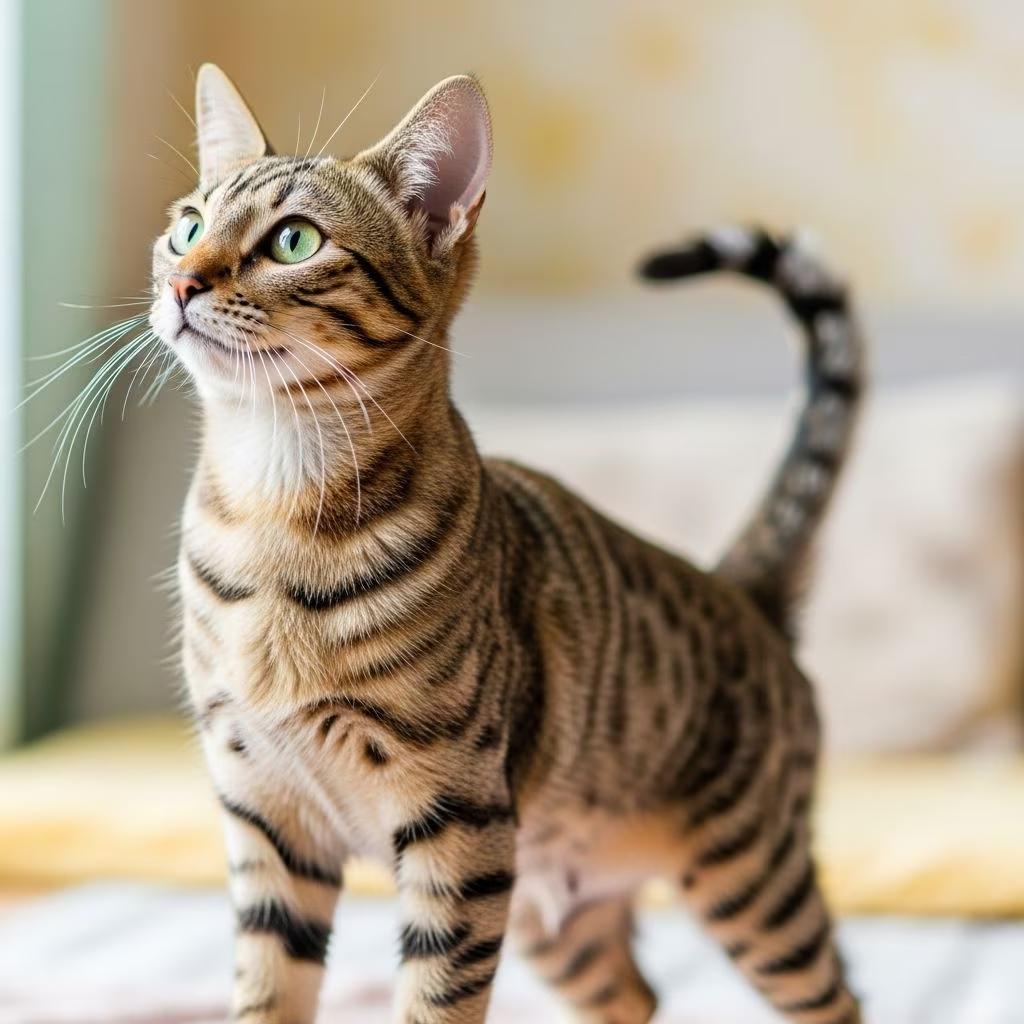
What to Expect With a Young Cat in Heat
When your young female cat reaches a certain age, she will eventually enter her first heat cycle, marking the beginning of her reproductive years. Understanding what to expect during this time is crucial for any cat owner. The heat cycle, scientifically known as estrus, is a natural and normal part of a female cat’s life. However, the behavioral changes that accompany this cycle can be surprising, overwhelming, and even alarming for unprepared pet parents. This comprehensive guide will help you recognize the signs, understand the stages, and learn how to care for your kitten during this significant phase of her development.
When To Expect Going Into Heat
Most female cats experience their first heat cycle when they are close to 80 percent of their adult body size. For shorthaired cat breeds, this typically occurs around 6 months of age. However, the timing can vary significantly depending on several factors, including breed, individual development, and environmental conditions.
Some kittens may go into heat as early as 4 months of age, while others, particularly longhaired breeds, may not experience their first heat until around 18 months old, though this is less common. Siamese cats are particularly notorious for coming into heat at an unusually early age, sometimes as young as 4 months. The timing of a cat’s first heat cycle can also be influenced by daylight hours and temperature, as cats are seasonal breeders. In regions with longer daylight hours during spring and summer, cats tend to come into heat more frequently.
Understanding these variations helps cat owners avoid surprises and plan appropriate preventive measures, such as spaying, if they do not intend to breed their cats.
Breaking Down The Heat Cycle
The feline heat cycle consists of four distinct stages, each with unique characteristics and behavioral patterns. Understanding these stages will help you better comprehend what your kitten is experiencing and how to respond appropriately.
Stage 1: Proestrus
The first stage of the heat cycle is proestrus, which typically lasts one to two days. During this brief period, your cat may display subtle changes in behavior. She may become restless or, conversely, more affectionate than usual. You might notice changes to her meow, which may sound slightly different from her normal vocalizations. Her pupils may dilate, and she may groom herself more frequently. Male cats may begin to show interest during this phase, but the female cat is not yet receptive to mating. Hormones are beginning to rise, preparing her body for the upcoming fertile period.
Stage 2: Estrus
The second stage is estrus, which is the actual “heat” period. This is when your kitten becomes fertile and capable of becoming pregnant. Estrus typically lasts four to six days, though it can extend anywhere from a few days to two weeks depending on whether mating occurs and other individual factors. This is the most dramatic stage of the heat cycle, characterized by significant behavioral changes that catch many cat owners off guard.
During estrus, your kitten’s meows become dramatically louder and more frequent, often reaching a point where they become nonstop and very insistent. Some cat owners describe this as an almost constant vocal marathon, with loud meows continuing both day and night. The vocalizations often sound unusual compared to her normal meow, sometimes resembling cries of distress or pain, which can alarm unfamiliar owners.
Your kitten’s behavior during estrus becomes noticeably unusual. While she may suddenly become extremely affectionate, seeking constant attention and affection, she may simultaneously become irritable. She might grab at you with claws extended or bite if picked up unexpectedly. She will frequently roll on the floor, sometimes while crying out, and may position herself with her rear end raised while treading with her hind paws—a posture known as lordosis that signals receptivity to mating. She may also rub against furniture and household items more intensely than usual.
One important distinction between cats and dogs is that cats do not show the bloody discharge associated with dogs in heat, so behavioral changes are often the first indication that your kitten has reached puberty.
Stage 3: Metestrus (Interestrus)
If your cat does not become pregnant during estrus, she enters the metestrus or interestrus stage, which lasts approximately 8 to 14 days. During this phase, behavioral signs subside, and your cat returns to more normal activity levels. This is essentially a resting period before the cycle begins again. If mating did not occur, your cat will typically return to heat every two to three weeks during the breeding season.
Stage 4: Anestrus
The final stage is anestrus, the resting phase with no signs of heat. This stage is typically more prominent during winter months when daylight hours are shorter. During anestrus, your cat will not exhibit any behavioral signs of heat and will not be fertile. This is the longest stage of the cycle and provides a break before the cycle potentially begins again when conditions are favorable.
Common Behavioral Signs During Heat
Recognizing the signs of heat is essential for any cat owner. While each cat may display varying degrees of these behaviors, most cats in heat exhibit some combination of the following:
Increased Vocalization
One of the most obvious and often startling signs is increased meowing and yowling. Your cat may produce loud, continuous meows that sound distinctly different from her normal vocalizations. Some owners describe the sound as almost mournful or distressed, though your cat is not in pain.
Physical Restlessness
Your kitten may pace constantly, unable to settle down. She may roll on the floor repeatedly, twist her body, and arch her back in exaggerated stretches. This restlessness reflects her internal hormonal state and her instinctual drive to find a mate.
Postural Changes
Your cat may adopt distinctive postures, particularly the lordosis position with her front legs pressed down and rear end raised, often with her tail held to the side. This posture makes her appear to be in a play bow and is a clear signal of readiness for mating.
Increased Affection
Many cats become extremely affectionate during heat, constantly rubbing against their owners, furniture, and other objects. This behavior serves the dual purpose of seeking comfort and spreading her scent to signal her reproductive status.
Escape Attempts
Your cat may make determined attempts to escape the house, driven by her instinctual need to find a male cat. She may scratch at doors, windows, or screens with increased intensity. This behavior can put her at risk of injury or escape, so securing all exits is important.
Urine Spraying and Marking
Some cats may spray urine or mark territory more frequently during heat. This behavior helps broadcast her reproductive status to male cats in the area.
Loss of Appetite
While some cats become extremely affectionate, others may show decreased appetite, though they typically maintain adequate nutrition despite this temporary change.
Important Considerations for Young Cats
It is crucial to understand that while a cat can become pregnant during her first heat cycle, ideally, cats should not be bred until they are at least one year of age to allow for full growth and maturation. A pregnancy in a very young cat can be physically taxing and may compromise her own development. If you do not intend to breed your cat, spaying is highly recommended to prevent unwanted pregnancies and to eliminate the recurring heat cycles.
Managing Your Cat During Heat
During your cat’s heat cycle, several strategies can help make the experience more manageable for both you and your kitten:
– Keep your cat indoors to prevent unwanted mating and escape- Provide extra attention and affection to help soothe her restlessness- Ensure all doors and windows are securely closed- Consider using pheromone diffusers designed to calm cats- Maintain a consistent routine and provide interactive play to help burn energy- Avoid punishing your cat for her natural behaviors during heat- Consult with your veterinarian about safe options for managing heat cycles
The Role of Spaying
The most effective way to prevent heat cycles and their associated behavioral changes is spaying (ovariohysterectomy), a surgical procedure that removes the ovaries and uterus. Spaying not only eliminates heat cycles but also prevents unwanted pregnancies, reduces the risk of certain reproductive cancers, and may help with behavioral issues. Most veterinarians recommend spaying before the first heat cycle if breeding is not planned, though the procedure can be performed at any age. Discuss the timing and benefits of spaying with your veterinarian.
When to Contact Your Veterinarian
While heat cycles are a normal part of cat reproduction, certain situations warrant veterinary attention:
– If heat cycles appear abnormally frequent or prolonged- If you suspect your cat may be pregnant- If your cat shows signs of infection or illness during or after heat- If behavioral changes seem severe or are causing significant concern- If you wish to discuss spaying or other reproductive management options
Frequently Asked Questions
Q: How often will my cat go into heat?
A: If your cat is not spayed and does not become pregnant, she will typically return to heat every two to three weeks during the breeding season, which generally runs from February to October in most regions, though indoor cats may cycle year-round.
Q: Can a cat get pregnant during her first heat?
A: Yes, cats can become pregnant during their first heat cycle, though this is not ideal as they have not yet reached full physical maturity. Breeding should ideally wait until a cat is at least one year old.
Q: Is a cat in heat in pain?
A: No, a cat in heat is not in pain, though she may feel uncomfortable, unsettled, or “under the weather” due to hormonal changes. The vocalizations and behaviors might sound distressed, but they reflect her reproductive instincts rather than physical pain.
Q: Why does my cat in heat sound like she’s in pain?
A: The loud, sometimes mournful-sounding meows are part of her instinctive behavior to attract male cats. This is her way of communicating her reproductive status, not an indication of physical distress.
Q: What age should I have my cat spayed?
A: Most veterinarians recommend spaying before the first heat cycle, typically around 5-6 months of age, though the procedure can be performed at any age. Consult your veterinarian for the best timing based on your individual cat.
Q: Can indoor cats go into heat?
A: Yes, indoor cats go into heat. In fact, indoor cats may cycle more frequently year-round due to artificial lighting and controlled temperatures that mimic longer daylight hours.
Q: How long does a heat cycle last?
A: A complete heat cycle typically lasts 2-3 weeks, though individual stages vary. The estrus stage itself (the most dramatic phase) usually lasts 4-6 days but can range from a few days to two weeks.
References
- Signs Your Cat Is In Heat and How To Care For Them — Pumpkin Pet Care. 2024. https://www.pumpkin.care/post/signs-your-cat-is-in-heat
- What To Expect With A Young Cat In Heat — Chewy Education. 2024. https://www.chewy.com/education/cat/health-and-wellness/what-to-expect-with-a-young-cat-in–heat
- Cats in heat/coming into season — People’s Dispensary for Sick Animals (PDSA). 2024. https://www.pdsa.org.uk/pet-help-and-advice/pet-health-hub/conditions/seasons-in-cats
- Estrous Cycles in Cats — VCA Animal Hospitals. 2024. https://vcahospitals.com/know-your-pet/estrus-cycles-in-cats
- The Stages of a Heat Cycle in Cats: A Complete Guide — Heads Up for Tails. 2024. https://headsupfortails.com/blogs/cats/cat-in-heat-signs-stages-care



