
Young Bird Health Guide: Essential Care Tips For Owners
Essential insights into preventing and managing health challenges in baby pet birds for responsible ownership.
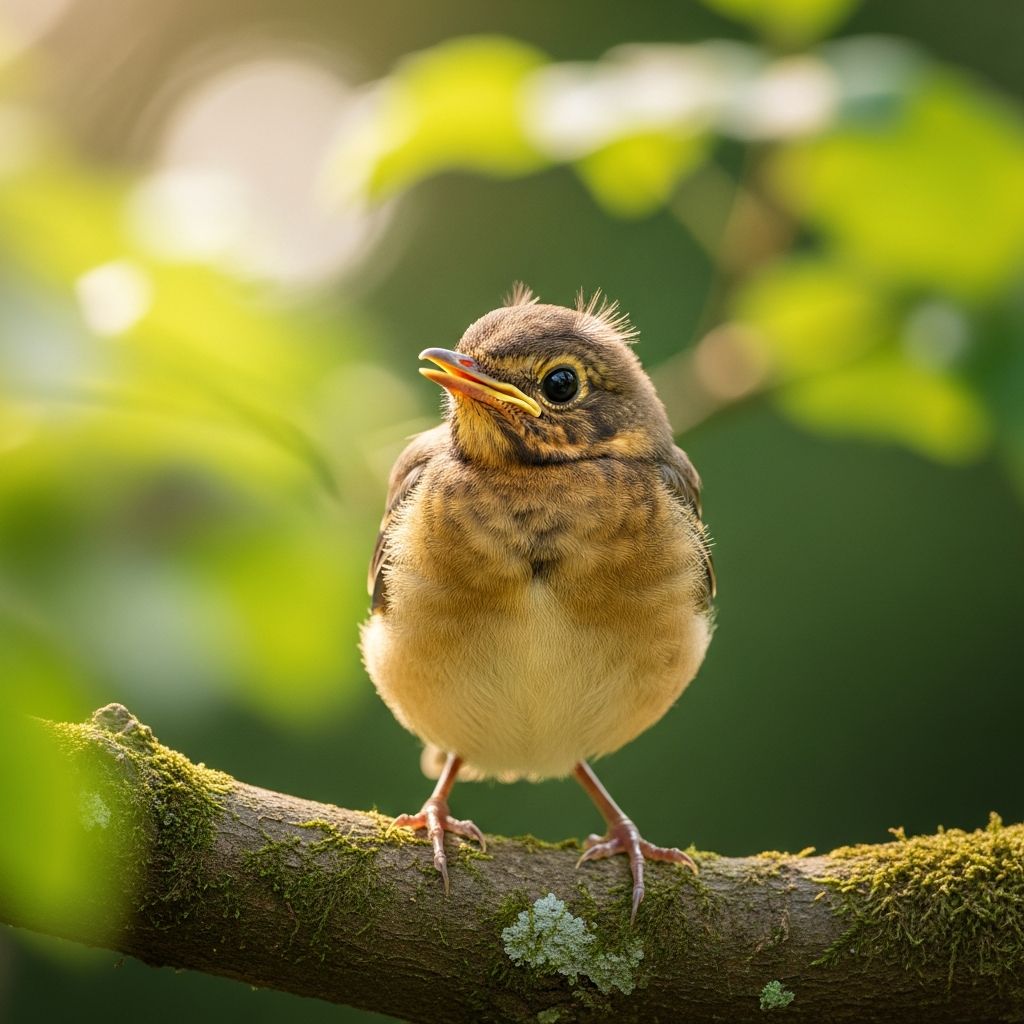
Keeping young pet birds healthy requires understanding their unique vulnerabilities during early development stages. Baby birds, especially hand-fed chicks, face numerous challenges that can impact growth and survival. This guide covers key health concerns, offering owners actionable knowledge to promote wellness.
Understanding Early Life Vulnerabilities in Pet Birds
Newly hatched or hand-reared pet birds experience rapid growth, making them susceptible to environmental stressors, nutritional imbalances, and infections. Factors like improper feeding techniques, poor hygiene, and exposure to pathogens heighten risks. Owners must monitor weight gain, activity levels, and droppings daily to catch issues early.
- Daily Monitoring Essentials: Check crop emptying within 4-6 hours post-feeding, ensure bright eyes and alert behavior.
- Ideal Environment: Maintain 85-95°F (29-35°C) brooder temperature, 40-60% humidity, and minimal disturbances.
- Nutrition Basics: Use species-specific formulas, warmed to 105°F (40°C), fed every 2-4 hours based on age.
Respiratory Challenges in Nestlings
Breathing difficulties often arise from aspirated formula, bacterial invasions, or fungal overgrowth in the airways of young birds. These conditions manifest as open-mouth breathing, tail bobbing, or nasal discharge, signaling urgent intervention.
Symptoms progress quickly in chicks, leading to lethargy and weight loss if untreated. Diagnosis involves auscultation, radiographs showing lung patterns, and swabs for microbial identification.
| Symptom | Possible Cause | Initial Action |
|---|---|---|
| Increased respiratory rate | Aspiration or infection | Oxygen support, warmth |
| Depression, poor appetite | Pneumonia development | Ne bulization, antibiotics |
| Dehydration signs | Secondary fluid loss | Subcutaneous fluids |
Treatment prioritizes supportive care: supplemental oxygen in an incubator, nebulized saline with antibiotics like enrofloxacin, and anti-inflammatories. Prognosis improves with prompt action, though severe cases carry risks.
Bacterial Threats to Developing Chicks
Bacteria such as Escherichia coli or Salmonella commonly infect the crop and intestines of pediatric birds, often from contaminated formula or unclean equipment. Infected chicks show slowed crop motility, vomiting curds, and systemic weakness.
Gram staining of crop contents reveals gram-negative rods, guiding targeted antibiotic therapy. Supportive measures include prokinetics to stimulate digestion and hydration via injection.
- Culture results direct choices like amoxicillin or trimethoprim-sulfa.
- Monitor for secondary fungal blooms post-antibiotics.
Fungal Overgrowth in Baby Birds
Candida species thrive in chicks under antibiotic pressure, poor nutrition, or stress, causing thick crop walls and regurgitation. Oral plaques and weight stagnation are hallmarks.
Cytology confirms diagnosis with budding yeast forms. Nystatin or fluconazole administered orally resolves most cases, with formula adjustments to reduce sugars that feed fungi.
Prophylactic antifungals during bacterial treatments prevent complications, ensuring steady growth.
Viral Infections Impacting Growth
Viruses pose severe threats to young psittacines. Polyomavirus halts feather development and causes abdominal swelling; avian bornavirus leads to nerve damage and digestion woes; circovirus weakens immunity, causing beak malformations.
PCR testing on blood or tissues confirms these. No cures exist, but vaccination against polyoma and strict quarantine limit spread. Affected chicks often require euthanasia if symptoms advance.
Crop and Digestion Disorders
Crop stasis from overfeeding, cold formula, or obstructions delays nutrient absorption, fostering bacterial proliferation. Palpate for doughy fullness; flush gently if needed.
Burns from hot formula scar the mucosa, while foreign objects like bedding fibers cause blockages. Endoscopy visualizes issues; surgical removal for stubborn cases.
Trauma from Feeding Mishaps
Syringe or tube misuse punctures the esophagus, spilling formula into tissues and causing neck swelling, shock, and infection. History of recent feeding plus swelling guides diagnosis.
Gentle handling, cooling oxygen, and minimal feedings aid recovery. Adjust techniques: soft tubes, proper angles, slow injection rates.
Liver Conditions and Failure to Thrive
Hepatic lipidosis stems from starvation or imbalanced diets, yellowing fats overload the liver, impairing function. Ultrasound detects enlargement; bloodwork shows elevated enzymes.
Emulsified feeds and hepatoprotectants like silymarin support reversal. Failure to thrive encompasses multifactorial stunting; comprehensive exams uncover roots like parasites or genetics.
Beak and Structural Abnormalities
Scissors beaks or crossed mandibles arise from hand-rearing errors or nutrition deficits. Early splinting or filing corrects mild cases; surgery for severe.
Choanal atresia blocks nasal passages; stenting with tubes restores airflow surgically.
Preventive Strategies for Healthy Chicks
Hygiene tops prevention: sterilize utensils, use fresh formula batches. Quarantine new birds 45 days. Vaccinate against known viruses per avian vet protocols.
- Socialize gently to reduce stress.
- Track growth charts species-specifically.
- Annual avian vet checkups.
When to Seek Veterinary Help
Intervene immediately for sustained crop retention, respiratory distress, or sudden weight drops. Avian specialists offer advanced diagnostics like endoscopy and cultures unavailable elsewhere.
FAQs
What causes most crop issues in hand-fed chicks?
Improper temperature, volume, or frequency of feedings, plus bacterial contamination.
Can young birds recover from viral diseases?
Supportive care aids symptom management, but many viruses lack cures and carry poor prognoses.
How do I prevent yeast infections during antibiotics?
Administer prophylactic antifungals like nystatin from day one of therapy.
Is psittacosis a risk for baby pet birds?
Yes, this zoonotic bacteria causes respiratory illness; test and treat with doxycycline.
What supportive care boosts survival odds?
Warmth, fluids, oxygen, and nutrition tailored to condition severity.
References
- Pet Birds and Psittacosis Infection — American Academy of Pediatrics. 2023-10-01. https://www.healthychildren.org/English/health-issues/conditions/from-insects-animals/Pages/Pet-Birds-and-Psittacosis-Infection.aspx
- Pediatric Diseases of Pet Birds — Merck Veterinary Manual. 2024-05-15. https://www.merckvetmanual.com/exotic-and-laboratory-animals/pet-birds/pediatric-diseases-of-pet-birds
- Parrot Fever (Psittacosis) — Long Beach Animal Hospital. 2023-08-20. https://lbah.com/avian/parrot-fever-psittacosis/
- Chlamydophilosis in Birds — VCA Animal Hospitals. 2024-02-10. https://vcahospitals.com/know-your-pet/chlamydophilosis-in-birds
- About Psittacosis — Centers for Disease Control and Prevention. 2025-01-15. https://www.cdc.gov/psittacosis/about/index.html
Similar Articles








Read full bio of Sneha Tete


