

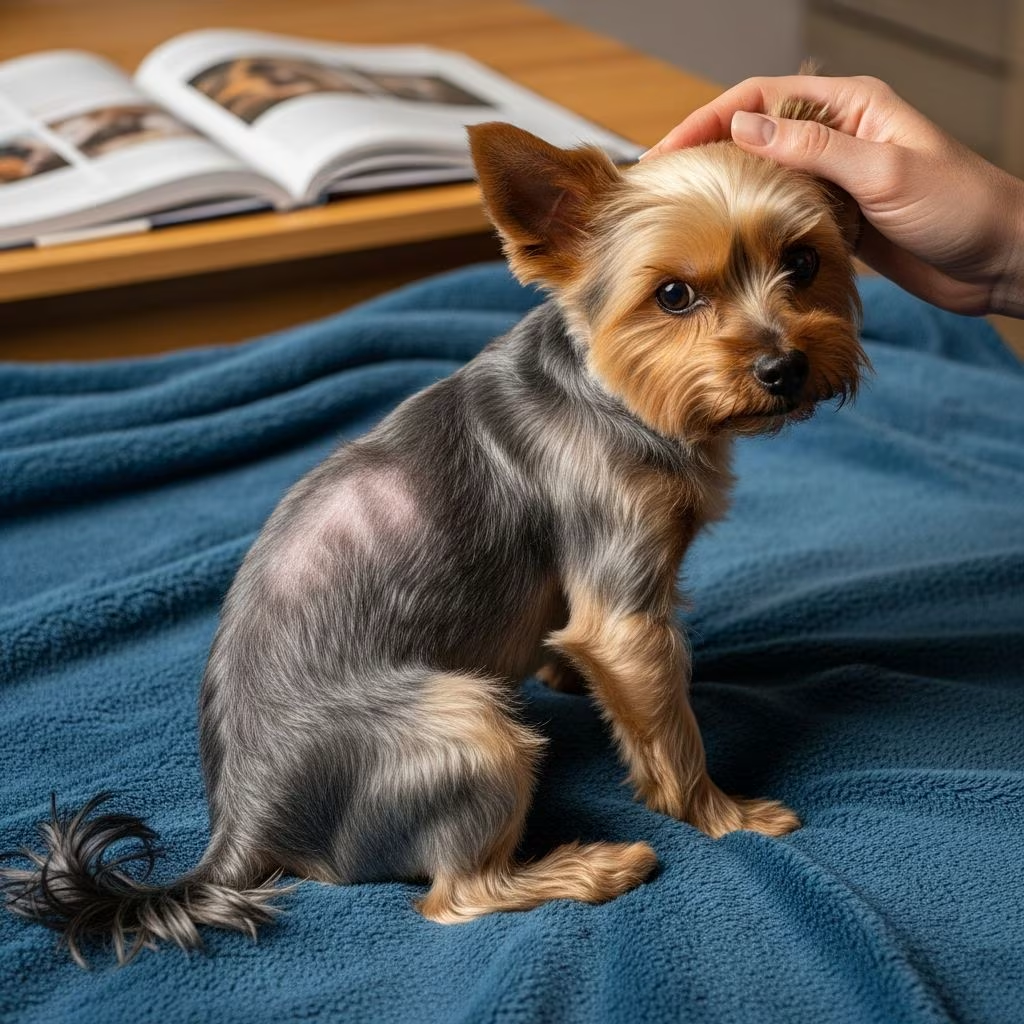
When considering a Yorkshire Terrier as a companion, one of the first questions potential owners ask concerns shedding. Unlike many dog breeds that go through predictable seasonal shedding cycles, Yorkies follow a different pattern entirely. Understanding the nuances of their coat and hair loss patterns is essential for maintaining a clean home and ensuring your pet’s wellbeing.
Understanding the Yorkie Coat Structure
The key to comprehending Yorkshire Terrier shedding lies in understanding their unique coat composition. Yorkies possess hair rather than fur, a distinction that fundamentally alters how their coats grow and shed throughout the year. Unlike many dog breeds with thick, coarse fur that grows in bursts followed by intensive shedding periods, the Yorkshire Terrier’s coat consists of fine, silky strands that more closely resemble human hair than traditional dog fur.
This hair is characterized by its delicate texture and extended length potential. Each individual strand can grow continuously without being shed and replaced with a shorter replacement hair. The growth cycle of Yorkie hair operates on a consistent basis year-round, distributing the natural hair renewal process evenly across all seasons rather than concentrating it into specific periods.
The Reality of Yorkie Shedding
Despite their reputation as low or non-shedding dogs, Yorkshire Terriers do shed—just not in the manner that most dog owners might expect. The confusion arises because Yorkie shedding is substantially less noticeable than what owners of heavy-shedding breeds experience. This reduced visibility doesn’t mean no hair loss occurs; rather, it reflects how their hair behaves during the natural renewal process.
When Yorkies shed, the loose hairs often become trapped within their existing coat rather than falling freely to furniture and clothing. This characteristic means you’re less likely to notice tumbleweeds of hair around your home. Instead, the evidence of shedding becomes most apparent during grooming sessions or bathing, when brushing pulls out the loose hairs that have accumulated in the coat. This is precisely why regular grooming is so important for Yorkshire Terrier ownership.
The continuous, year-round shedding of Yorkies serves an important purpose. This natural renewal keeps their coat healthy, shiny, and vibrant. Without this ongoing process, your adult dog would retain a dull, dry coat resembling what puppies have, making the grooming routine essential for maintaining coat quality.
Factors Influencing Increased Hair Loss
While Yorkshire Terriers are generally light shedders, several factors can trigger noticeably increased hair loss beyond their normal baseline. Recognizing these triggers helps owners determine whether additional shedding represents normal variation or indicates an underlying concern requiring veterinary attention.
Nutritional Influences
Diet plays a significant role in coat health and shedding patterns. A balanced diet rich in high-quality proteins and omega fatty acids supports skin integrity and promotes a robust, healthy coat that sheds less excessively. Conversely, dietary deficiencies or food intolerances can compromise coat health and increase shedding. Dogs with undiagnosed food sensitivities may experience inflammation that manifests as increased hair loss and skin irritation.
Hormonal Changes and Reproductive Cycles
Female Yorkshire Terriers often experience increased shedding during heat cycles and following pregnancy. These hormonal fluctuations affect the entire body, including hair growth cycles and coat thickness. During pregnancy and immediately after, some Yorkies shed noticeably more than their baseline. This temporary increase typically resolves once hormonal balance normalizes, and the coat regrows without intervention.
Parasitic Infestations
External parasites such as fleas, mites, and lice can devastate a Yorkie’s skin and coat, resulting in excessive shedding and hair loss. Flea infestations are particularly problematic because they often trigger flea allergy dermatitis—an allergic reaction to flea saliva that causes intense itching and scratching. This compulsive scratching leads to significant hair loss and can create bald patches if left untreated. Effective parasite prevention is critical for protecting your Yorkie’s coat.
Stress and Emotional Factors
Psychological stress can influence shedding patterns in Yorkshire Terriers. Changes in environment, household dynamics, or daily routines can trigger stress responses that manifest as increased hair loss. Identifying and minimizing stressors contributes to overall coat health and reduces excess shedding.
Health Conditions
Underlying health issues can significantly increase shedding beyond normal levels. Conditions such as Cushing’s disease, thyroid disorders, and other systemic illnesses affect coat quality and hair retention. If you notice abnormal shedding patterns, consulting your veterinarian is essential for ruling out medical causes.
Grooming: The Essential Defense Against Matting
Regular grooming serves multiple purposes for Yorkshire Terrier owners. Beyond maintaining appearance, grooming directly impacts coat health and prevents serious complications. Since loose hairs accumulate within the coat rather than falling out naturally, removing them through brushing prevents matting and tangling.
When loose hairs aren’t removed during grooming, they entangle with live hairs, creating knots and mats that can pull painfully on the skin and create ideal environments for parasites and infection. Consistent grooming—ideally several times weekly for Yorkies with longer coats—prevents these problems while simultaneously removing excess shed hair that might otherwise accumulate.
Is a Yorkie Right for Allergy Sufferers?
The minimal shedding of Yorkshire Terriers makes them appealing candidates for people with dog allergies. However, “hypoallergenic” remains a misleading term when applied to any dog breed. While Yorkies shed far less than heavy-shedding breeds like Golden Retrievers or German Shepherds, they still shed and produce dander.
Individuals with severe dog allergies may still experience reactions to Yorkshire Terriers, though typically with less severity than with other breeds. If you have allergies and are considering a Yorkie, spending time with the breed before committing to ownership helps determine your personal tolerance level.
Comparing Yorkie Shedding to Other Breeds
| Breed Type | Shedding Level | Coat Characteristics |
|---|---|---|
| Yorkshire Terrier | Minimal/Low | Fine hair, continuous growth, year-round renewal |
| Golden Retriever | Heavy | Thick double coat, seasonal shedding bursts |
| Australian Shepherd | Heavy | Dense double coat, significant seasonal shedding |
| Poodle | Minimal | Curly coat, continuous growth like Yorkie |
Recognizing Abnormal Hair Loss
Understanding what constitutes normal shedding for your Yorkie helps identify problems early. Normal hair loss occurs gradually and is most noticeable during grooming sessions. Abnormal shedding presents differently and warrants veterinary evaluation. Signs include:
- Visible bald patches or areas of thinning
- Sudden, dramatic increases in loose hair during grooming
- Hair loss accompanied by skin irritation, redness, or odor
- Excessive scratching or signs of discomfort
- Hair loss in irregular patterns rather than even distribution
Maintenance Tips for Optimal Coat Health
Keeping your Yorkshire Terrier’s coat in peak condition involves several proactive strategies:
- Brush regularly: Several times weekly maintains coat health and removes loose hair before it creates mats
- Provide quality nutrition: High-quality protein and omega fatty acids support coat vitality and minimize excessive shedding
- Maintain parasite prevention: Regular flea, tick, and mite prevention protects skin and coat from parasitic damage
- Schedule professional grooming: Periodic professional grooming complements home maintenance and addresses coat issues
- Monitor stress levels: Maintain consistent routines and minimize household stressors that trigger increased shedding
- Ensure regular veterinary checkups: Professional evaluation identifies health issues affecting coat quality before they become severe
Frequently Asked Questions
Q: Do all Yorkshire Terriers shed the same amount?
A: Individual Yorkies may have slight variations in shedding levels based on genetics, health status, and coat length. Dogs with longer coats sometimes show more visible shedding during grooming, though the actual amount of hair loss may be similar to those with shorter cuts.
Q: Can I reduce my Yorkie’s shedding?
A: While you cannot eliminate natural hair renewal, you can minimize excess shedding through proper nutrition, regular grooming, parasite prevention, and stress management. These practices keep shedding at its lowest natural level.
Q: Why does my Yorkie shed more after bathing?
A: Bathing and the subsequent grooming loosen accumulated shed hair, making it easier to remove. This isn’t abnormal shedding but rather visibility of hair that was already loose in the coat.
Q: Should I be concerned about sudden shedding increases?
A: Yes. Sudden, significant increases in shedding warrant veterinary evaluation to rule out parasites, allergies, hormonal imbalances, or other health conditions.
Conclusion
Yorkshire Terriers represent an excellent choice for owners seeking a dog with minimal shedding. Their hair-like coat, continuous year-round renewal process, and fine texture result in far less noticeable hair loss compared to traditional double-coated breeds. However, understanding that Yorkies do shed—just differently—helps set realistic expectations and ensures appropriate care.
By maintaining consistent grooming routines, providing quality nutrition, preventing parasites, and monitoring for signs of abnormal hair loss, you can keep your Yorkshire Terrier’s coat healthy and vibrant throughout their life. Regular veterinary checkups and attention to changes in shedding patterns ensure early detection of potential health issues, protecting both your dog’s wellbeing and your home’s cleanliness.
References
- Do Yorkies Shed? — PetGuide360.com. 2025-03-23. https://www.youtube.com/watch?v=b7aAmerlqMQ
- Do Yorkies Shed? Yorkie Coat Care 101 — Native Pet. https://nativepet.com/blogs/health/do-yorkies-shed
- What to Know About Yorkshire Terriers — WebMD Pets. https://www.webmd.com/pets/dogs/know-about-yorkshire-terriers
- Yorkie Shedding — Yorkshire Terrier Information Center. https://www.yorkieinfocenter.com/yorkie-shedding
- Do Yorkies Shed? The Answer Might Surprise You — Rover.com. https://www.rover.com/blog/yorkies-shed-answer-might-surprise/



