

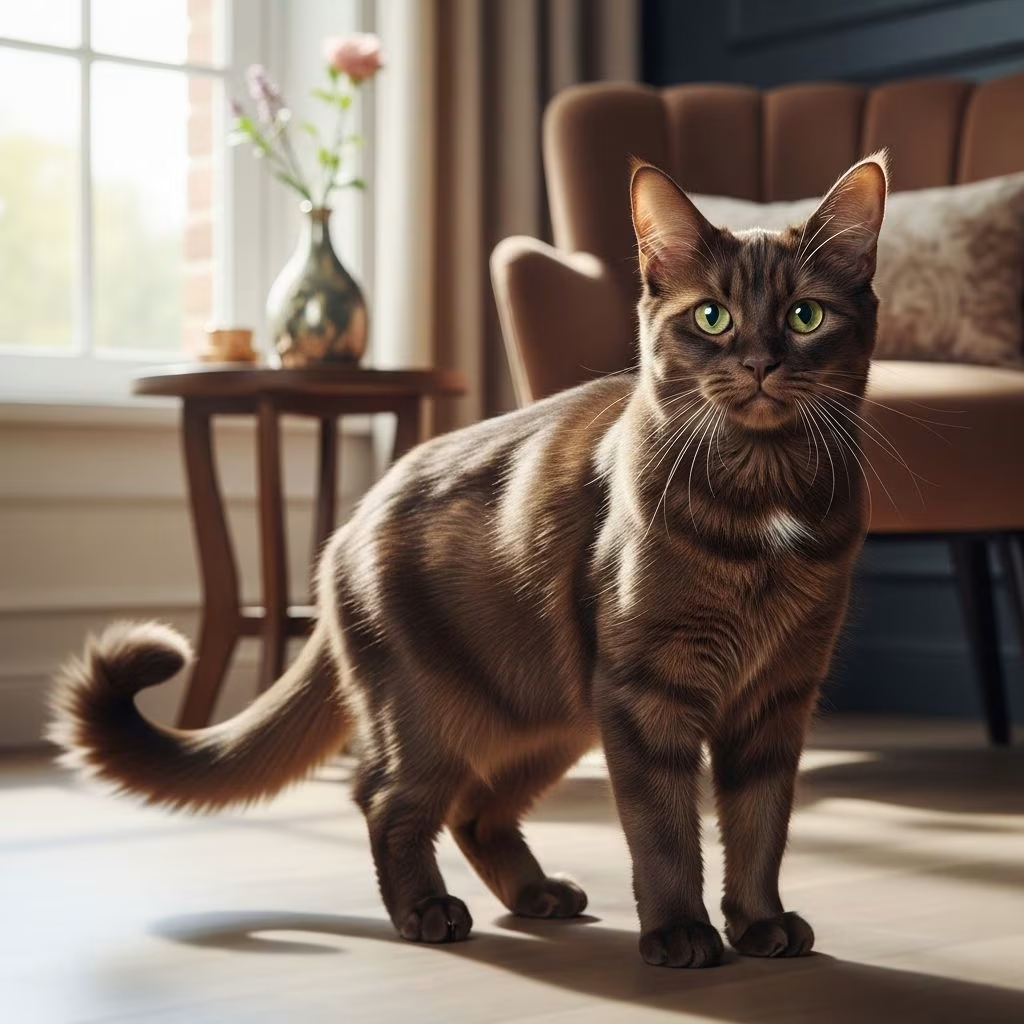
The York Chocolate cat stands out as a rare and captivating breed, celebrated for its luxurious semi-long coat in shades of rich chocolate and its endearing, people-oriented personality. Originating from humble farm beginnings in New York, this American show cat combines robustness with elegance, making it a cherished choice for dedicated pet owners who value companionship and playfulness.
Origins and Development of the Breed
The story of the York Chocolate cat begins in the early 1980s on a farm in New York State, where a black long-haired female cat gave birth to a litter that included a striking kitten with a chocolate-colored coat. This kitten, named Minky, became the foundation of the breed when bred back to her black mother and later with other cats, producing more chocolate-hued offspring. The breed’s developer selectively bred these cats to emphasize the unique coat color and long fur, distinguishing them from typical barn cats.
By the mid-1980s, the York Chocolate gained recognition from cat fancies. The World Cat Federation granted it experimental status, followed by championship recognition. Although never widely popular, the breed developed a niche following among enthusiasts drawn to its distinctive appearance and friendly demeanor. Today, it remains rare, with limited breeders preserving its standards. The breed’s lineage traces to hardy farm cats, blending Siamese-like structure with plush coats, resulting in a resilient yet refined feline.
Distinctive Physical Features
York Chocolate cats possess a medium-to-large build, characterized by firm muscles, solid bones, and a sturdy frame. Males typically weigh 14 to 16 pounds, while females range from 10 to 12 pounds, giving them a substantial presence without excess bulk. Their body is rectangular with a deep chest, long thin yet powerful legs, and small rounded paws often tufted between the toes for added charm.
The head forms a modified wedge, longer than wide, with a rounded skull, prominent whisker pads, and medium-sized ears set wide apart. These ears are slightly rounded at the tips and furnished with fur inside and out, contributing to an alert expression. The eyes are large, oval or almond-shaped, in shades of yellow, green, gold, or hazel, enhancing their expressive gaze.
The hallmark of the breed is its coat: a semi-long, silky, downy fur that lies close to the body, thicker at the ruff around the neck and chest, and puffier on the tail, resembling a feather duster. Primarily solid chocolate brown—ranging from deep mahogany to lighter tones—it may include white markings on the chest, belly, or paws. Kittens often start with lighter lavender hues that darken with age. The undercoat is soft and non-matting, though regular grooming helps manage shedding.
| Feature | Description |
|---|---|
| Size | Males: 14-16 lbs; Females: 10-12 lbs |
| Coat | Semi-long, silky chocolate; possible white accents |
| Eyes | Oval, yellow/green/gold/hazel |
| Build | Muscular, rectangular, sturdy legs |
Sociable Temperament and Daily Behavior
Renowned for dog-like loyalty, York Chocolate cats thrive on human interaction, often shadowing their owners from room to room and seeking laps for cuddles. They are cheerful, energetic, and vocal, using chirps and meows to communicate desires for play or attention. Highly intelligent, they excel at puzzle toys, fetch, and interactive games, showcasing curiosity and adaptability.
These cats balance independence with affection; they manage alone if needed but prefer family involvement. Gentle and even-tempered, they suit households with children, tolerating playful handling better than many breeds. They bond deeply with one favorite person yet extend warmth to all family members. While shy initially with strangers, they warm up quickly.
- Playful Energy: Active and mischievous, needing daily stimulation to prevent boredom.
- Affectionate Nature: Loves petting sessions and cozy naps.
- Social Compatibility: Harmonizes with dogs and other cats; supervise around small pets like rodents.
Compatibility with Families and Other Pets
York Chocolates make excellent family pets due to their patient, tolerant disposition. They enjoy children’s company, engaging in gentle play without aggression. Their farm cat heritage instills strong hunting instincts, so they may view tiny animals as prey—keep hamster cages secure.
In multi-pet homes, they integrate well with dogs and larger animals, often forming playful bonds. Early socialization ensures confident adults. Not ideal for constant solitude, they may vocalize excessively if left alone long hours, signaling a need for companionship.
Grooming and Maintenance Needs
The plush coat requires weekly brushing to distribute oils, remove loose fur, and minimize shedding. Bathing is occasional, as their fur resists dirt. Check ears weekly for wax buildup, trim nails bi-monthly, and brush teeth regularly to prevent dental issues. Their tidy grooming habits keep them low-maintenance compared to other longhairs.
Provide scratching posts to maintain claw health and environmental enrichment like cat trees for climbing. Daily play sessions—15-30 minutes—channel their energy, preventing destructive behaviors.
Health Considerations and Lifespan
Robust from farm roots, York Chocolates enjoy a lifespan of 12-15 years with proper care. They face low genetic risks but screen for hypertrophic cardiomyopathy (HCM), polycystic kidney disease (PKD), and hip dysplasia, common in larger breeds. Reputable breeders provide health clearances.
Maintain a balanced diet for weight control, given their size. Annual vet checkups, vaccinations, and parasite prevention are essential. Their active lifestyle supports heart health, but monitor for obesity in indoor-only cats.
Bringing Home a York Chocolate Kitten
Rare availability means thorough breeder research. Seek those affiliated with registries like CFA or TICA, offering health guarantees, pedigrees, and socialization records. Kittens start light-coated, darkening over months, and need early handling for outgoing adults. Prepare with kitten-proofing, quality food, litter box, and toys.
Adoption costs range higher due to rarity; expect extensive waitlists. Ethical sources prioritize temperament and health over profit.
Nutrition and Exercise Essentials
Feed high-protein, grain-free kibble or wet food suited for large breeds, portioned to prevent overeating—about 1/2 to 3/4 cup dry daily for adults, split into meals. Fresh water always. Exercise via interactive toys mimics hunting, keeping them fit and mentally sharp.
Common Myths and Facts
- Myth: High-maintenance groomers. Fact: Minimal matting; weekly brushing suffices.
- Myth: Overly shy. Fact: Social with family; brief caution around new people.
- Myth: Fragile health. Fact: Hardy farm descendants with few breed-specific issues.
Frequently Asked Questions (FAQs)
Are York Chocolate cats hypoallergenic?
No, they shed moderately despite silky fur; not ideal for severe allergies.
How vocal are York Chocolate cats?
Quite talkative, using meows to engage owners.
Do they get along with dogs?
Yes, often forming strong interspecies friendships.
What’s the best home for a York Chocolate?
Active families offering playtime and affection; not for long workdays alone.
Can they live indoors only?
Yes, with ample enrichment to satisfy hunting instincts.
References
- All about York Chocolate cat breed — Animalia.bio. Accessed 2026. https://animalia.bio/pets/york-chocolate-cat
- Traits, characteristics, health of York Chocolate Cat breed — KingPet. Accessed 2026. https://www.kingpet.com/breeds/cat/2050-York-Chocolate
- York Chocolate Cat Breed — AmarPet. 2024-02-01. https://amarpet.com/blogs/york-chocolate-cat-breed
- York Chocolate Cat Breed: Info, Pictures, Temperament & More — Catster. Accessed 2026. https://www.catster.com/cat-breeds/york-chocolate-cat/
- York Chocolate — PetMD. Accessed 2026. https://www.petmd.com/cat/breeds/c_ct_york_chocolate
- York Chocolate – Wikipedia — Wikipedia. Accessed 2026. https://en.wikipedia.org/wiki/York_Chocolate



