

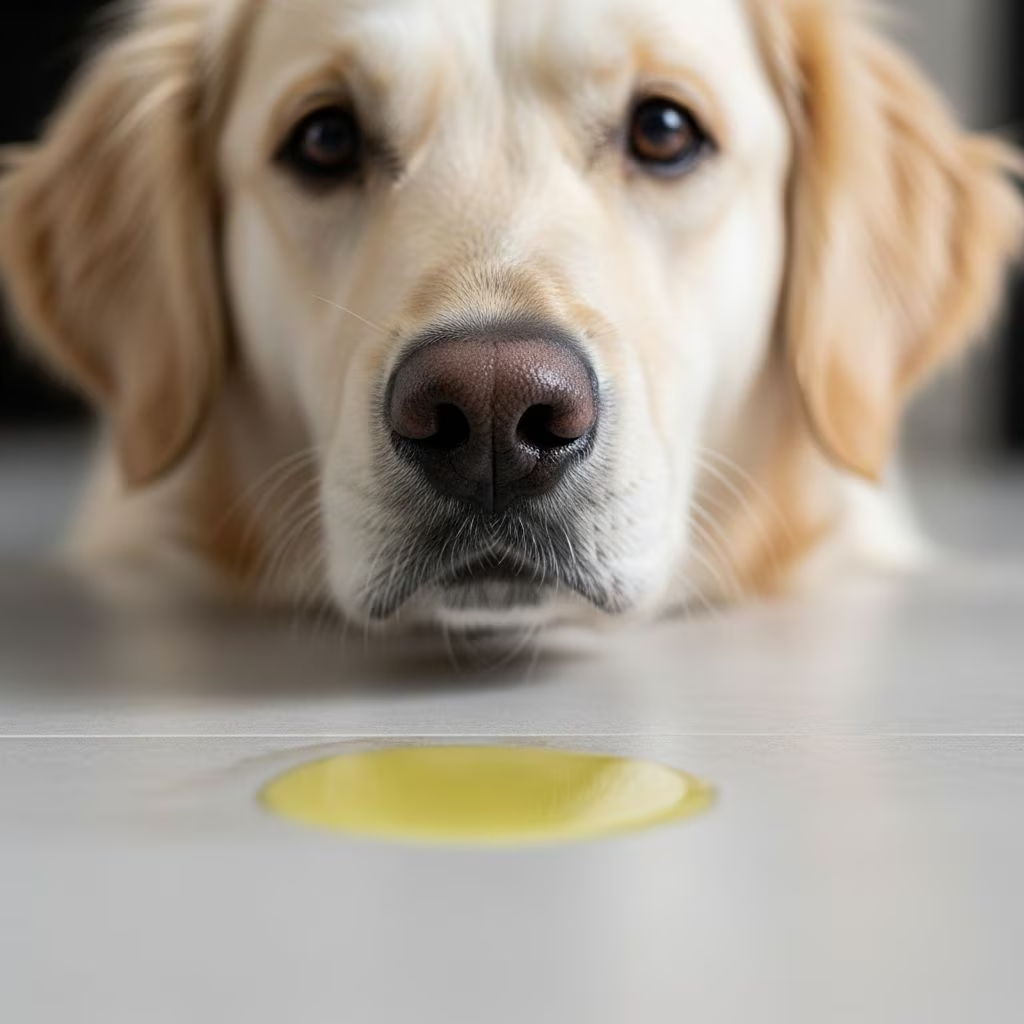
Dogs vomiting yellow liquid typically indicates the presence of bile, a digestive fluid from the liver that mixes with stomach contents when the stomach is empty. This common issue ranges from benign hunger-related irritation to signs of serious illness requiring immediate attention.
Understanding Bile and Its Role in Digestion
Bile is a vital yellowish-green fluid produced by the liver and stored in the gallbladder. It emulsifies fats, aiding their breakdown and nutrient absorption in the intestines. When bile refluxes into an empty stomach, it irritates the lining, leading to expulsion as foamy yellow vomit, often in the morning after overnight fasting.
This reflux happens because the pyloric sphincter, which separates the stomach from the small intestine, may relax inappropriately, allowing bile to flow backward. The result is a frothy, low-odor mixture of bile, gastric acid, and mucus.
Primary Causes of Yellow Vomiting
Several factors contribute to this symptom. Identifying the underlying trigger is key to effective management.
Bilious Vomiting Syndrome (BVS)
BVS, also called reflux gastritis, occurs when prolonged fasting causes bile to enter the stomach, irritating its sensitive lining. Dogs often vomit yellow foam first thing in the morning, accompanied by lip-licking, restlessness, or drooling.
While not life-threatening, repeated episodes can lead to dehydration and discomfort. Risk factors include single daily feedings or long intervals between meals.
Empty Stomach Irritation
Simply going too long without food prompts bile buildup. Dogs fed once daily are prone, vomiting bile before breakfast. Smaller, frequent meals often resolve this without further intervention.
Gastrointestinal Disorders
- Gastritis: Inflammation of the stomach lining from toxins, spoiled food, or foreign objects causes acute yellow vomiting and appetite loss.
- Inflammatory Bowel Disease (IBD): Chronic gut inflammation leads to persistent bile vomiting, diarrhea, and weight loss. Diagnosis involves imaging and biopsies.
- Acid Reflux: Bile and acid backup irritates the esophagus and stomach.
Pancreatitis
Inflammation of the pancreas, often from fatty foods, triggers severe yellow or bile-tinged vomiting, abdominal pain, lethargy, and diarrhea. This requires hospitalization with fluids and pain management.
Obstructions and Blockages
Foreign objects, tumors, or intestinal twists block digestion, causing repeated yellow vomiting as only bile remains. Symptoms include bloating, pain, and collapse—treat as an emergency needing surgery.
Other Serious Conditions
- Addison’s Disease: Adrenal gland insufficiency causes vomiting, weakness, and electrolyte imbalances.
- Liver or Gallbladder Issues: Disrupt bile production, leading to jaundice and yellow vomit.
- Infections and Parasites: Bacterial, viral, or parasitic invasions inflame the gut.
- Food Allergies: Novel proteins or intolerances provoke bile expulsion.
Recognizing Symptoms and Severity
Monitor for accompanying signs to gauge urgency:
| Symptom | Possible Cause | Urgency Level |
|---|---|---|
| Isolated morning yellow foam | BVS or hunger | Low – Vet consult recommended |
| Repeated vomiting, diarrhea, pain | Pancreatitis, GI disease | High – Seek care promptly |
| Lethargy, bloating, collapse | Blockage | Emergency – Immediate vet |
| Jaundice, weight loss | Liver disease | High – Diagnostic tests needed |
Single episodes may self-resolve, but persistence beyond 24 hours, blood in vomit, or behavioral changes demand professional evaluation.
When to Contact a Veterinarian
Call your vet if vomiting occurs more than twice daily, lasts over 24 hours, or includes blood, severe pain, dehydration (dry gums, sunken eyes), or neurological signs. Puppies, seniors, and dogs with pre-existing conditions face higher risks.
Urgent care is essential for suspected obstructions or pancreatitis, where delays can lead to complications like sepsis.
Diagnostic Approaches
Vets start with a history and physical exam, then may recommend:
- Bloodwork for organ function, electrolytes, and infection markers.
- Imaging (X-rays, ultrasound) to detect blockages or inflammation.
- Endoscopy or biopsies for chronic cases.
- Fecal tests for parasites.
Treatment Strategies
Tailored to the cause:
For BVS and Hunger Vomiting
Feed small meals late at night and upon waking. Prokinetic drugs like metoclopramide enhance stomach emptying; antacids reduce irritation.
Medical Management
- Antibiotics or anti-inflammatories for infections/gastritis.
- IV fluids and pain relief for pancreatitis.
- Surgery for obstructions.
- Hypoallergenic diets for allergies.
Supportive Home Care
Withhold food 12-24 hours post-vomiting, then reintroduce bland diet (boiled chicken/rice). Ensure hydration with ice cubes or electrolyte solutions. Avoid human foods.
Prevention Tips for Healthy Digestion
- Consistent Feeding: 2-3 small meals daily prevents bile buildup.
- Diet Quality: Use vet-approved food; avoid table scraps.
- Toxin Awareness: Secure trash, plants, and chemicals.
- Regular Checkups: Early detection of issues like allergies or IBD.
- Exercise: Promotes gut motility.
FAQs
Is yellow vomit always serious in dogs?
No, occasional morning bile from an empty stomach is common, but frequent or accompanied symptoms warrant a vet visit.
How do I stop bilious vomiting at home?
Try late-night snacks and divided meals. Consult a vet for persistent cases.
Can diet changes cure BVS?
Often yes; frequent small meals reduce bile reflux effectively.
What if my dog vomits yellow after eating?
This suggests gastritis, allergies, or pancreatitis—seek vet care.
Is yellow foam vomit different from solid yellow?
Foamy indicates empty stomach bile; solid may include undigested food or other issues.
Long-Term Monitoring and Prognosis
Most cases resolve with simple adjustments, but chronic conditions like IBD or liver disease need ongoing management. Track episodes in a journal noting timing, frequency, and diet for vet discussions. Prognosis is excellent for BVS and hunger-related vomiting, good for treatable GI issues, but guarded for obstructions or advanced diseases if delayed.
Maintaining a healthy weight, routine deworming, and vaccinations minimizes risks. Owners play a crucial role in early detection through vigilant observation.
References
- Why is My Dog Throwing Up Yellow Foam? — Cherry Creek Vet. 2023. https://www.cherrycreekvet.com/blog/why-is-my-dog-throwing-up-yellow-foam/
- Why Is My Dog Throwing Up Yellow? Is It an Emergency? — UrgentVet. 2024. https://urgentvet.com/dog-throwing-up-yellow-bile/
- Why Is My Dog Throwing Up Yellow Vomit? — Lincolnway Vet. 2023. https://lincolnwayvet.com/blog/why-is-my-dog-throwing-up-yellow-vomit/
- My Dog Throwing Up Yellow Bile? What do I do? — Fetch Vets. 2024. https://fetchvets.com/blog/dog-throwing-up-yellow-bile/
- Pet Throwing Up Yellow Foam? — Caring Paws Animal Hospital. 2023. https://www.caringpawsanimalhospital.com/blog/why-is-my-pet-throwing-up-yellow-foam/
- Is Your Dog Throwing Up Yellow? Causes and Next Steps — Comal Pet Hospital. 2022. https://comalpethospital.com/?p=5967
- Dog Throwing Up Yellow: Urgent Symptoms & What to Do Now — GSVS. 2024. https://www.gsvs.org/woodbridge-nj/blog/dog-throwing-up-yellow-urgent-care/



