

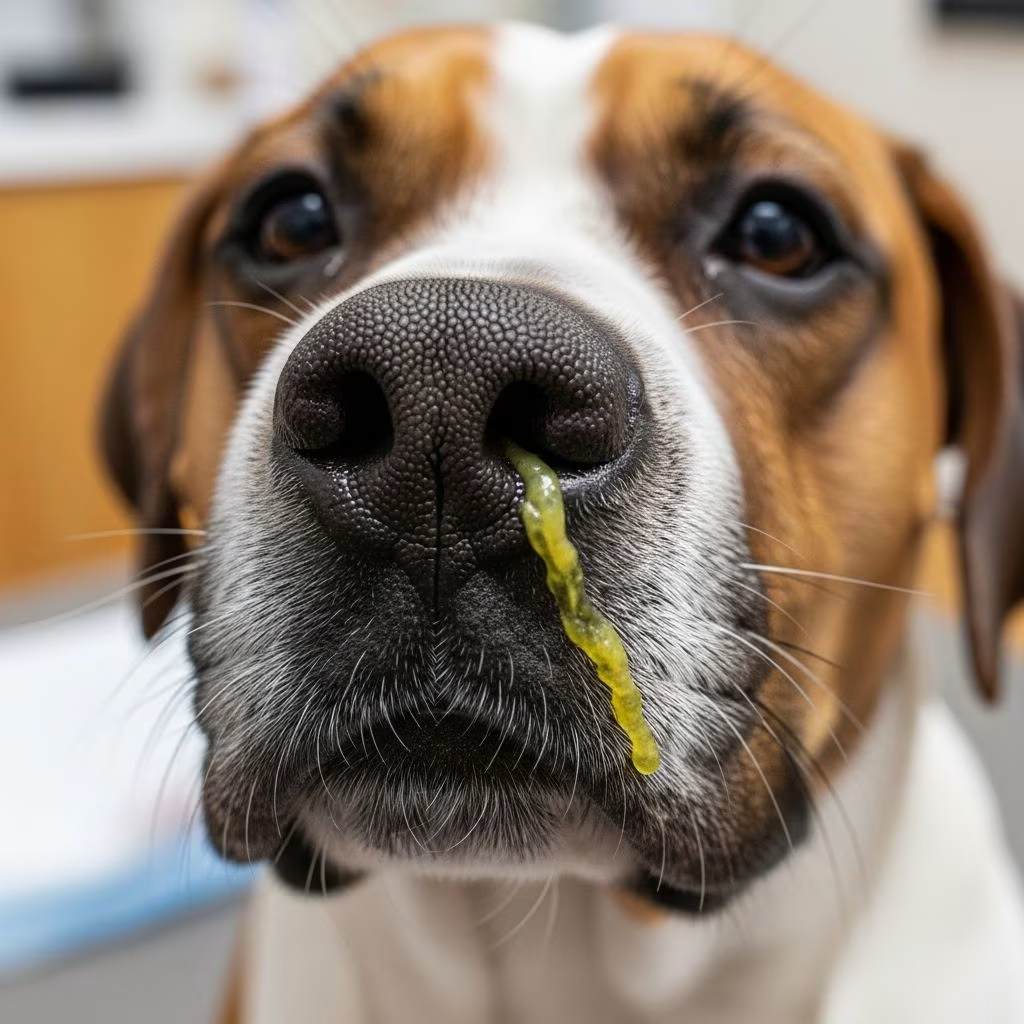
When you notice your dog has a runny nose, it’s natural to wonder whether it’s a minor concern or a sign of something more serious. The color and consistency of your dog’s nasal discharge can provide valuable clues about what might be happening with your pet’s health. While a clear runny nose might indicate something minor like allergies or environmental irritation, yellow or green discharge typically signals a bacterial or fungal infection that warrants closer attention and often requires veterinary evaluation.
What Different Colors of Nasal Discharge Mean
The appearance of your dog’s nose discharge is one of the most important diagnostic indicators available to pet owners. Understanding what different colors and consistencies mean can help you determine whether your dog needs immediate veterinary care or if home monitoring is appropriate.
Clear and Watery Discharge
Clear, watery nasal discharge is generally the least concerning type and often indicates mild environmental irritation or seasonal allergies. Dogs experiencing this type of discharge may have been exposed to pollen, dust, mold, or other allergens. This discharge typically comes and goes and may worsen during specific seasons. Environmental triggers like air pollution, smoke, or household chemicals can also cause clear nasal secretions.
Additionally, dogs may naturally produce clear nasal discharge after vigorous exercise, play sessions, or when exposed to cold air. This temporary discharge usually clears on its own and is not accompanied by other symptoms like fever or lethargy.
Thick, Yellow, or Green Discharge
When nasal discharge becomes thick, yellow, or green in color, this represents a significant shift that demands attention. This type of discharge almost always indicates a bacterial or fungal infection of the upper respiratory tract. The color change occurs because the discharge contains pus and inflammatory cells responding to the infection.
Dogs with colored discharge often exhibit accompanying symptoms such as fever, loss of appetite, and lethargy. Some dogs may also develop an unpleasant odor associated with the discharge. The consistency becomes more mucous-like or even sticky, particularly when the discharge has been present for several days.
Bloody or Blood-Tinged Discharge
Bloody nasal discharge represents a more serious situation requiring prompt veterinary evaluation. This may indicate trauma to the nasal passages, foreign objects lodged in the nose, or in some cases, more serious underlying conditions. Blood-tinged discharge warrants same-day veterinary attention to rule out severe health issues.
Primary Causes of Infection-Related Nasal Discharge
Understanding the specific conditions that cause yellow or green nasal discharge helps you recognize when your dog needs professional care.
Bacterial and Fungal Infections
Bacterial infections represent the most common cause of colored nasal discharge in dogs. These infections develop in the upper respiratory tract and produce purulent (pus-containing) discharge that appears yellow or green. Fungal infections, while less common, can produce similar discharge characteristics.
Dogs may develop these infections after exposure to other sick animals, through environmental contamination, or as a secondary infection following an initial viral illness. Respiratory infections are particularly common in unvaccinated puppies, elderly dogs, and those with compromised immune systems.
Kennel Cough and Other Common Respiratory Illnesses
Kennel cough, also known as infectious tracheobronchitis, frequently causes nasal discharge in dogs. This highly contagious condition spreads rapidly among dogs in close quarters such as boarding facilities, dog parks, and grooming salons. While kennel cough typically begins with a dry cough, it can progress to produce nasal discharge.
Canine influenza and other viral respiratory infections can also cause nasal discharge, particularly if secondary bacterial infections develop. Dogs with these conditions often show systemic symptoms like fever, coughing, sneezing, and overall malaise.
Canine Distemper
One of the more serious conditions associated with yellow or green nasal discharge is canine distemper. Distemper can produce thick, sticky yellow discharge and is potentially fatal if left untreated. This serious viral disease is largely preventable through vaccination, which is typically administered starting at 8 weeks of age.
Distemper presents with multiple symptoms beyond nasal discharge, including fever, pneumonia, neurological signs, and hardened footpads. Any dog showing signs of distemper requires immediate emergency veterinary care and intensive treatment with antibiotics and supportive medications.
Secondary Health Conditions Contributing to Nasal Discharge
Beyond primary respiratory infections, several other health issues can cause or contribute to nasal discharge with colored mucus.
Dental Disease and Oral Infections
Dental disease can unexpectedly lead to nasal discharge, particularly when tooth root infections develop. The inflammation and infection associated with severe dental problems can affect the tissues and sinuses near the nasal passages, resulting in discharge. Dogs with dental disease often have bad breath accompanying the nasal symptoms.
Foreign Objects in the Nasal Passages
Grass seeds, plant material, and small objects can become lodged in a dog’s nasal passages, causing irritation and discharge. Foreign body obstructions typically affect one nostril more than the other and may cause excessive pawing at the face and sneezing. While the initial discharge might be clear or blood-tinged, secondary bacterial infections can cause the discharge to become colored.
Nasal Mites and Parasites
Microscopic mites can inhabit a dog’s nasal passages and sinuses, causing irritation and discharge. Nasal mites are less common but should be considered, particularly in dogs with chronic nasal symptoms that haven’t responded to standard treatment approaches.
Nasal Tumors and Polyps
While less common, nasal tumors and polyps can produce nasal discharge. These growths are more frequently seen in senior dogs and may cause persistent discharge, sometimes with blood content. Malignant tumors are more prevalent in older male dogs, and any chronic, one-sided discharge warrants imaging studies to rule out neoplasia.
Recognizing When Veterinary Care Is Essential
| Symptom or Characteristic | Action Required |
|---|---|
| Clear discharge lasting less than one week | Monitor at home; schedule routine vet visit if persistent |
| Yellow or green discharge | Schedule veterinary appointment within 24-48 hours |
| Bloody discharge or discharge with odor | Contact veterinarian same day for evaluation |
| Discharge with fever and lethargy | Seek veterinary care promptly; consider emergency clinic if after hours |
| One-sided discharge with facial swelling | Emergency veterinary evaluation recommended |
| Chronic discharge lasting more than two weeks | Schedule comprehensive veterinary examination |
Diagnostic Approach Your Veterinarian Will Take
When you bring your dog to the veterinarian for nasal discharge evaluation, your vet will take a systematic approach to determine the underlying cause. The diagnostic process typically begins with a thorough history, including when the symptoms started, whether discharge is from one or both nostrils, and what other symptoms your dog is experiencing.
Physical examination may reveal fever, nasal congestion, facial swelling, or discharge character. Your veterinarian may perform nasal swabs to culture bacteria or fungi, take radiographs to identify foreign objects or anatomical abnormalities, or recommend more advanced imaging like CT scans for chronic cases.
Blood work can help identify systemic infections or immune system involvement. In some cases, rhinoscopy (direct visualization of the nasal passages) may be recommended to identify polyps, tumors, or foreign bodies not visible on imaging.
Treatment Approaches for Colored Nasal Discharge
Treatment depends entirely on the underlying cause of your dog’s nasal discharge. Bacterial infections typically respond to targeted antibiotic therapy, often guided by culture and sensitivity testing for optimal results. Fungal infections may require antifungal medications administered either systemically or topically.
Supportive care is essential for all dogs with nasal discharge, including maintaining hydration, providing nutritious food, and ensuring appropriate rest. Some dogs benefit from humidification to ease nasal congestion. Nonsteroidal anti-inflammatory medications may reduce inflammation and discomfort.
If a foreign object is identified, removal under sedation or anesthesia is necessary. Dental disease requires appropriate dental treatment, which may involve tooth extraction. Distemper requires intensive hospitalization and supportive care, including antibiotics for secondary infections.
Frequently Asked Questions About Dog Nasal Discharge
How long can nasal discharge last in dogs?
Temporary clear discharge may resolve within a few days, while infection-related discharge typically persists until treated. Chronic discharge lasting more than two weeks always warrants veterinary evaluation to identify underlying causes.
Can allergies cause yellow discharge in dogs?
Pure allergies typically cause only clear discharge. Yellow or green discharge suggests secondary bacterial infection has developed, even if allergies were the initial trigger. This situation requires antibiotic treatment.
Is a runny nose contagious between dogs?
If the discharge is caused by infectious conditions like kennel cough or canine influenza, yes, it is highly contagious. Dogs with respiratory infections should be isolated from other dogs until symptoms resolve and veterinary clearance is obtained.
What home remedies help with dog nasal discharge?
While supportive care at home is valuable, colored discharge requires professional veterinary treatment. Clear discharge can be managed with environmental modifications, increased humidity, and monitoring, but any persistent symptoms need veterinary evaluation.
Should I be worried if my dog has nasal discharge?
The level of concern depends on the discharge characteristics. Clear discharge is usually minor, but yellow, green, or bloody discharge warrants prompt veterinary attention. Any discharge accompanied by fever, lethargy, or loss of appetite requires same-day evaluation.
Prevention and Long-Term Management
Keeping your dog’s vaccinations current is the most important step in preventing serious respiratory infections. Ensure your dog receives appropriate vaccines for distemper, kennel cough, and canine influenza based on your veterinarian’s recommendations and your dog’s lifestyle.
Avoid exposing your dog to sick animals, and use caution at locations where many dogs gather. Maintain good dental health through regular brushing and professional cleanings to prevent dental disease. Provide a clean living environment free from irritants like smoke and excessive dust.
If your dog has chronic allergies causing clear discharge, work with your veterinarian to identify and minimize exposure to triggers. Regular veterinary check-ups allow early detection of nasal issues before they become serious.
References
- Why is my dog’s nose runny? — Wag! Walking. https://wagwalking.com/condition/nasal-discharge
- Nasal Discharge in Dogs: Causes, Symptoms & When to See a Vet — Spot and Tango. https://www.spotandtango.com/blog/nasal-discharge-in-dogs
- My Dog Has a Runny Nose – Is He Sick? — Bay-Porte Animal Hospital. https://www.bay-porte.com/blog/dog-runny-nose
- Teary Eyes and Runny Nose in Dogs: Causes & Treatment — Vetic. https://vetic.in/blog/pet-health/teary-eyes-and-runny-nose-in-dogs-can-these-be-more-than-allergies/
- Dog Runny Nose (Nasal Discharge): Causes and Treatments — WebMD Pets. https://www.webmd.com/pets/dogs/my-dog-has-discharge-from-nose
- Why is my dog’s nose running? — Petbarn PetSpot. https://www.petbarn.com.au/petspot/dog/dog-runny-nose/
- Nasal Discharge in Dogs: Causes, Symptoms, Diagnosis, Cures — Total Vet. https://total.vet/dog-nasal-discharge/



