

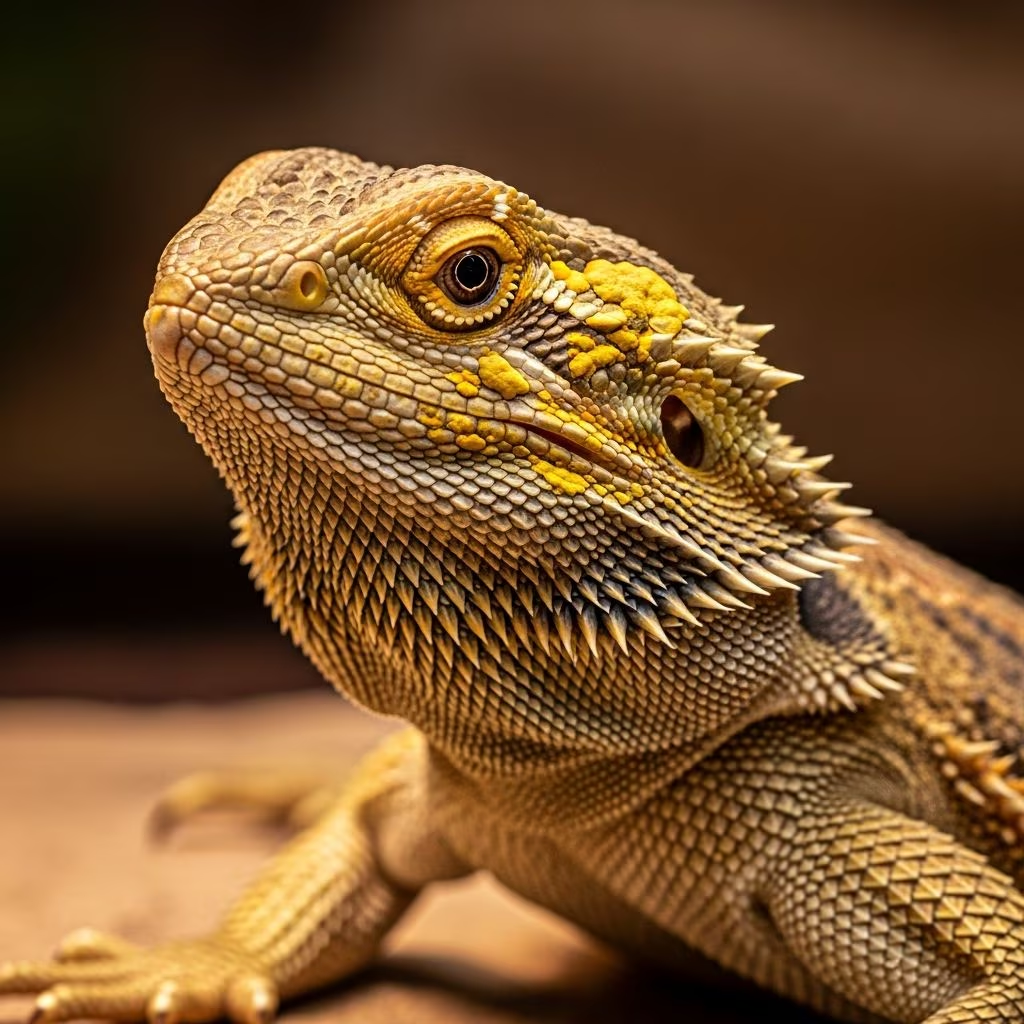
Bearded dragons make wonderful pets, but like any animal, they require attentive care and knowledge about potential health threats. Among the most serious conditions a bearded dragon owner may encounter is yellow fungus, a fungal infection that demands immediate attention and specialized treatment. This comprehensive guide explores everything pet owners need to know about identifying, treating, and preventing this dangerous condition.
Understanding the Fungal Infection
Yellow fungus represents one of the more severe health challenges in captive reptile populations. The condition, scientifically known as dermatitis caused by Nannizziopsis guarroi, is a systemic fungal infection that progressively damages the skin and can penetrate deeper tissues if left untreated. Unlike many fungal infections that remain superficial, this particular pathogen has the capacity to invade muscle tissue, bone, and internal organs, making it particularly dangerous for bearded dragons.
The infection earned its common name from the characteristic appearance of the lesions it creates on an affected dragon’s skin. However, it’s important to note that the visible presentation varies—while some dragons develop distinctly yellow lesions, others may display brown, gray, or even dark crusty patches instead.
Recognizing the Warning Signs
Early detection is crucial for managing yellow fungus effectively. The disease typically begins internally, which means by the time visible skin changes appear, the infection has already been progressing internally for some time. Understanding the full range of symptoms helps owners seek veterinary care at the earliest possible stage.
Initial Indicators
The earliest signs of yellow fungus infection are often subtle and may be overlooked:
- Decreased or absent appetite
- Lethargy and reduced activity levels
- Progressive weight loss despite available food
- General listlessness and behavioral changes
Advanced Visible Symptoms
As the infection progresses, more pronounced symptoms become evident:
- Yellow, brown, or gray discolored patches on the scales
- Crusty or cracked appearance to affected skin areas
- Darkened or blackened limbs and body areas
- Open weeping sores and lesions
- Abnormal or excessive shedding patterns
- Sunken or recessed eye appearance
- Slow healing of wounds or sores
The most characteristic sign is what appears as “popcorn butter” splotches across the dragon’s skin, though this presentation is not universal across all infected dragons.
Root Causes and Risk Factors
Understanding how bearded dragons contract yellow fungus is essential for prevention. The infection spreads primarily through direct or indirect contact with infected reptiles, and several environmental and management factors increase susceptibility:
Environmental and Husbandry Issues
Poor living conditions create an ideal environment for fungal proliferation. Inadequate temperature gradients, improper humidity levels, unsanitary enclosures, and accumulated waste can all compromise a dragon’s immune system and create conditions favorable to fungal growth.
Nutritional Deficiencies
A suboptimal diet lacking essential nutrients weakens the immune system, reducing the body’s natural ability to fight off fungal infections. Proper nutrition is fundamental to maintaining health and disease resistance.
Compromised Immunity
Conditions that suppress immune function, including prolonged antibiotic use, stress, and other concurrent illnesses, increase vulnerability to fungal infection.
Housing Arrangements
Cohabitation with other bearded dragons or reptiles significantly increases infection risk. Bearded dragons are inherently solitary animals and should never be housed together, as this creates stress and facilitates disease transmission between individuals.
Acquisition from High-Risk Sources
Many documented cases of yellow fungus involve recently acquired dragons that had been in contact with other reptiles at breeding facilities or pet stores, suggesting these settings may harbor the fungus.
Transmission and Contagiousness
Yellow fungus is highly contagious among reptiles, spreading readily between individuals through direct contact or contaminated surfaces and equipment. The risk of transmission from an infected reptile to humans is extremely low, though basic hygiene practices should always be observed when handling any reptile.
Diagnostic Approach and Veterinary Evaluation
If an owner suspects yellow fungus, immediate veterinary consultation is essential. A reptile veterinarian will typically perform multiple diagnostic tests to confirm the infection and rule out other conditions that may present similarly. Fungal cultures are commonly used to identify the specific pathogen involved, allowing for targeted treatment recommendations.
Treatment Options and Prognosis
Unfortunately, yellow fungus currently has no complete cure, but several treatment approaches can slow progression and improve quality of life. The success of treatment depends heavily on how early the infection is detected and how aggressively it is managed.
Antifungal Medications
Systemic antifungal medications form the foundation of treatment. Voriconazole has traditionally been the treatment of choice for bearded dragons with Nannizziopsis guarroi infection, though it is not 100% effective for all cases. Newer research has shown promise with terbinafine, an alternative antifungal that works through a different mechanism and may prove effective when standard treatments fail.
Topical and Supportive Treatments
In conjunction with oral medications, treatment regimens typically include topical antifungal applications and medicated soaks. These treatments are intense and often require extended periods of administration to achieve any improvement. Supportive therapy, including assistance with feeding and environmental modifications to reduce stress, may be necessary throughout treatment.
Surgical Intervention
In advanced cases where lesions have become severe or extensive, surgical removal of affected tissue may be recommended as part of a comprehensive treatment plan.
Life Expectancy with Treatment
Dragons diagnosed with yellow fungus and receiving treatment typically survive between 12 and 18 months following diagnosis, though this timeline varies significantly based on disease severity and how early intervention begins. Early detection and aggressive treatment provide the best opportunity for extended survival.
When Euthanasia May Be Considered
In severe, advanced cases where the infection has caused extensive tissue damage or significant suffering, euthanasia may be the most humane option. This decision should be made in consultation with a veterinarian after thoroughly discussing all available options, their realistic benefits, and associated risks.
Prevention Strategies for Dragon Owners
The positive news is that yellow fungus is highly preventable through proper husbandry practices and responsible pet ownership. Implementing these strategies dramatically reduces the risk of infection:
Housing Requirements
Maintain separate enclosures for each dragon. Never house multiple bearded dragons together, and do not cohabitate them with other reptile species. Solitary housing eliminates the primary transmission route for fungal infections.
Hygiene and Sanitation
Maintain a clean enclosure environment by regularly removing feces, uneaten food, and shed skin. Periodically disinfect enclosure furniture, feeders, and water dishes using reptile-safe cleaners.
Temperature and Humidity Management
Provide appropriate temperature gradients with proper basking spots and cooler areas. Maintain humidity levels suitable for your specific dragon species. Proper environmental conditions support immune function and prevent stress-related immune suppression.
Nutritional Support
Offer a varied diet appropriate for your dragon’s age and life stage, including properly gut-loaded insects and nutritious vegetables. Supplement with calcium and vitamin D3 as recommended by your veterinarian to maintain optimal health.
Quarantine New Acquisitions
When bringing a new dragon home, quarantine it separately for several weeks before introducing it to any shared spaces or equipment. This precaution prevents the introduction of pathogens from breeding facilities or pet stores.
Equipment Hygiene
Never share feeders, water dishes, substrate, or decorations between dragons. If equipment must be shared between separate enclosures, thoroughly disinfect it between uses.
Minimize Stress
Provide adequate hiding places, maintain consistent day-night cycles, and minimize unnecessary handling. Stress suppresses immune function, making dragons more vulnerable to infections.
When to Contact Your Veterinarian
Any signs of illness warrant veterinary evaluation. Contact a reptile veterinarian immediately if your dragon displays unexplained weight loss, appetite changes, lethargy, visible skin lesions, unusual shedding patterns, or behavioral changes. Early veterinary intervention is critical for the best possible outcomes.
Frequently Asked Questions
Can yellow fungus be completely cured?
Currently, there is no known cure for yellow fungus, but with early detection and aggressive treatment, the progression can be slowed significantly to extend life quality and longevity.
Is it safe to keep an infected dragon with other pets?
No. An infected dragon should be kept in complete isolation from other reptiles to prevent transmission. Non-reptile pets pose minimal risk, but strict hygiene should still be observed.
How long does treatment typically last?
Treatment is often long-term, potentially lasting several months or longer. Consistent veterinary monitoring and medication administration are essential throughout the treatment period.
What is the success rate for treatment?
Success rates vary considerably based on disease stage at detection, the specific fungal strain, and the individual dragon’s response to medication. Earlier detection generally correlates with better outcomes.
References
- Bearded Dragon Yellow Fungus: Symptoms, Treatments & More — Dragons Diet. Accessed February 2026. https://dragonsdiet.com/blogs/dragon-care/bearded-dragon-yellow-fungus-symptoms-treatments-more
- Yellow Fungus In Bearded Dragons — Reptile Supply. Accessed February 2026. https://reptilesupply.com/blogs/bearded-dragons/yellow-fungus-in-bearded-dragons
- Fungal Infection in a Bearded Dragon — Veterinary Medicine at Illinois, University of Illinois College of Veterinary Medicine. Accessed February 2026. https://vetmed.illinois.edu/pet-health-columns/fungal-problem-bearded-dragon/
- Reptilian Fungal Infections: Diagnosing Yellow Fungus Disease — Reptile Health Resources. Accessed February 2026. http://www.midogtest.com/blog/yellow-fungus-disease-reptile/



