

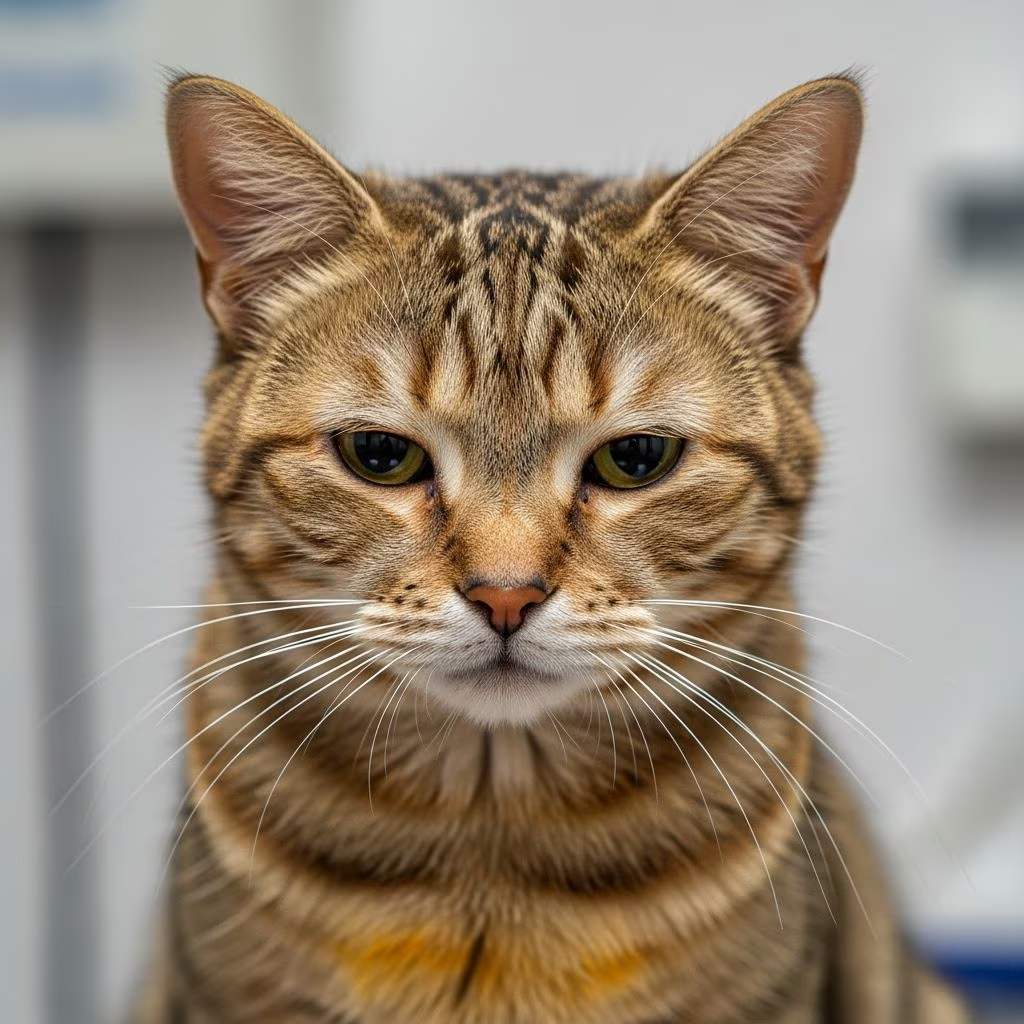
Yellow fat disease, clinically termed pansteatitis or steatitis, represents a significant health concern for feline companions, primarily stemming from nutritional imbalances that provoke widespread inflammation in body fat. This condition manifests through the accumulation of ceroid pigment in adipocytes, leading to painful swellings and systemic distress, particularly in diets overloaded with polyunsaturated fatty acids from sources like fish while deficient in protective antioxidants such as vitamin E.
The Pathophysiology Behind Fat Inflammation
At its core, yellow fat disease disrupts normal fat metabolism in cats. When felines consume excessive amounts of unsaturated fats—common in oily fish, organ meats, or poorly processed commercial foods—without sufficient vitamin E, lipid peroxidation occurs. This oxidative process generates toxic byproducts that infiltrate fat cells, triggering an intense inflammatory response. Macrophages and neutrophils infiltrate the adipose tissue, resulting in necrosis and the characteristic yellow-brown discoloration due to ceroid pigment deposition.
Research highlights how this peroxidation cascade not only affects subcutaneous fat but can extend to visceral depots around organs like the kidneys and liver, exacerbating the disease’s severity. In severe instances, cats exhibit multi-organ involvement, with pathological findings revealing fat vacuoles in renal tubules and ceroid-laden hepatocytes.
Common Triggers and Risk Factors
Several dietary and environmental elements predispose cats to this ailment. Diets heavy in tuna, pork brains, beef liver, or chicken—especially if rancid or heat-processed, which destroys vitamin E—are prime culprits. Obesity amplifies vulnerability by increasing fat stores susceptible to peroxidation, while concurrent conditions like diabetes impair fat handling.
- High polyunsaturated fat intake: From fish-based homemade meals or spoiled commercial products.
- Vitamin E deficiency: Essential antioxidant lacking in unbalanced rations.
- Obesity: Excess body fat promotes ceroid buildup.
- Genetic or breed factors: Reports in Siberian cats suggest possible hereditary sensitivities, though not fully confirmed.
- Raw or undercooked meats: Introduce pro-oxidants that deplete protective nutrients.
Young cats, particularly those under two years, appear more prone, possibly due to rapid growth demands on nutrient reserves.
Recognizing Clinical Manifestations
Early detection hinges on owners noticing behavioral shifts and physical changes. Affected cats often present with fever, profound lethargy, and anorexia, refusing food amid escalating discomfort. Palpation reveals firm, painful subcutaneous nodules across the thorax, abdomen, flanks, and limbs, evoking hyperesthesia where even light touch elicits vocalization or aggression.
Advanced stages bring mobility loss, with cats hunkered in hunched postures to minimize fat movement-induced pain. Systemic signs include icterus (yellowing of gums and skin), dehydration from poor intake, and occasional vomiting or diarrhea. Hematological profiles typically show neutrophilic leukocytosis—elevated white cells signaling infection-like inflammation—alongside spiked liver enzymes like ALT and ALP.
| Symptom | Frequency | Severity |
|---|---|---|
| Painful nodules | Common (90%+ cases) | High |
| Fever & lethargy | Common | Moderate to High |
| Anorexia | Frequent | High |
| Hyperesthesia | Moderate | High |
| Icterus | Occasional | Variable |
This table summarizes hallmark signs from documented cases, underscoring the need for prompt veterinary intervention.
Diagnostic Approaches for Confirmation
Veterinarians employ a multi-faceted strategy to differentiate yellow fat disease from mimics like abscesses, tumors, or infectious panniculitis. Initial exams include full bloodwork revealing leukocytosis (e.g., neutrophils >17 x 10^9/L), hyperbilirubinemia, and hypoalbuminemia. Ultrasonography detects hyperechoic fat masses, while fine-needle aspirates yield oily, yellow fluid rich in degenerate neutrophils.
Definitive diagnosis requires biopsy: excised fat appears firm and yellowish, with histopathology confirming steatitis, adipocyte necrosis, and ceroid pigmentation under microscopy. In fatal cases, necropsy unveils widespread fat necrosis and organ infiltration, as seen in a Siberian queen with renal tubular damage.
Comprehensive Treatment Protocols
Therapy centers on correcting the nutritional deficit and alleviating inflammation. Immediate dietary overhaul eliminates offending fats, replacing with balanced, vitamin E-fortified commercial formulas. Oral alpha-tocopherol supplementation—at least 30 mg daily for cats—neutralizes peroxides and halts progression, often yielding improvement within days.
Supportive care encompasses:
- Analgesics: NSAIDs like piroxicam (0.3 mg/kg) for pain control, avoiding steroids unless visceral involvement demands them.
- Fluids: Intravenous if dehydrated, to combat anorexia-induced weakness.
- Antibiotics: Rarely beneficial despite fever, reserved for secondary infections.
- Handling minimization: Bed rest reduces agony from fat manipulation.
Prognosis brightens with early intervention; mild cases resolve in 2-4 weeks, but delayed diagnosis risks fatality from organ failure.
Prevention Strategies for Cat Owners
Foremost, provide AAFCO-approved complete diets eschewing excessive fish or raw meats. Supplement vitamin E (10-20 IU/kg diet) for high-fat homemade feeds, and monitor weight to forestall obesity. Routine check-ups catch subclinical risks, especially in fish-fed or obese cats.
Avoid rancid foods by storing properly and discarding spoiled items. For breeders, scrutinize parental histories, as familial clusters occur.
Insights from Recent Case Studies
A 2023 African report detailed a 9-month-old Siberian with nodules, icterus, and leukocytosis from a tuna-milk-meat diet; despite analgesics, systemic necrosis proved fatal, highlighting diagnostic delays’ perils. Contrastingly, controlled supplementation in early-diagnosed UK cases achieved full recovery, affirming vitamin E’s efficacy.
Equine parallels in 20 cases showed similar fat discoloration around kidneys, treatable with corticosteroids, suggesting cross-species mechanistic overlaps.
Frequently Asked Questions (FAQs)
What exactly causes yellow fat disease in my cat?
It arises from diets rich in unsaturated fats (e.g., fish) but poor in vitamin E, sparking fat cell inflammation.
Can yellow fat disease be fatal?
Yes, if untreated, it leads to organ damage and death, but early care yields high survival rates.
How long does recovery take?
With diet changes and vitamin E, symptoms often abate in 1-4 weeks.
Is it contagious?
No, it’s purely nutritional, not infectious.
Which cats are most at risk?
Young, obese ones on fish-heavy or homemade diets.
Long-Term Management and Monitoring
Post-recovery, lifelong balanced nutrition prevents relapse. Quarterly bloodwork tracks liver function, and owners should log diet changes. Emerging research probes genetic markers for at-risk breeds, promising tailored preventives.
In summary, vigilance over feline diets empowers owners to sidestep this debilitating yet preventable disorder, ensuring vibrant health.
References
- Pathological Findings of Feline Pansteatitis (Yellow Fat Disease) in a 9-Month-Old Siberian Queen — Veterinary Science and Medicine. 2023. https://veterinaryscimed.com/pathological-findings-of-feline-pansteatitis-yellow-fat-disease-in-a-9-month-old-siberian-queen/
- Steatitis (Yellow Fat Disease) in Cats: A Closer Look — PetCareRx. 2023. https://www.petcarerx.com/article/steatitis-yellow-fat-disease-in-cats-a-closer-look/6910
- Yellow Fat Disease in Cats and Other Animals — Merck Veterinary Manual. 2023. https://www.merckvetmanual.com/musculoskeletal-system/myopathies-in-small-animals/yellow-fat-disease-in-cats-and-other-animals
- Yellow fat disease (steatitis) in 20 equids — AAEP. 2024-08. https://aaep.org/wp-content/uploads/2024/08/Yellow-fat-disease-Paulussen.pdf
- Steatitis (Yellow Fat Disease) in Cats: A 2025 Veterinary Guide — AskAVet. 2025. https://askavet.com/blogs/news/steatitis-yellow-fat-disease-in-cats-a-2025-veterinary-guide-to-causes-symptoms-treatment-%F0%9F%90%B1
- Feline pansteatitis: a report of five cases — PubMed. 1996-08-01. https://pubmed.ncbi.nlm.nih.gov/8767699/



