Yellow-Faced Parrotlets: Ideal Pet Birds
Discover the vibrant world of yellow-faced parrotlets, small parrots with big personalities perfect for dedicated bird enthusiasts.
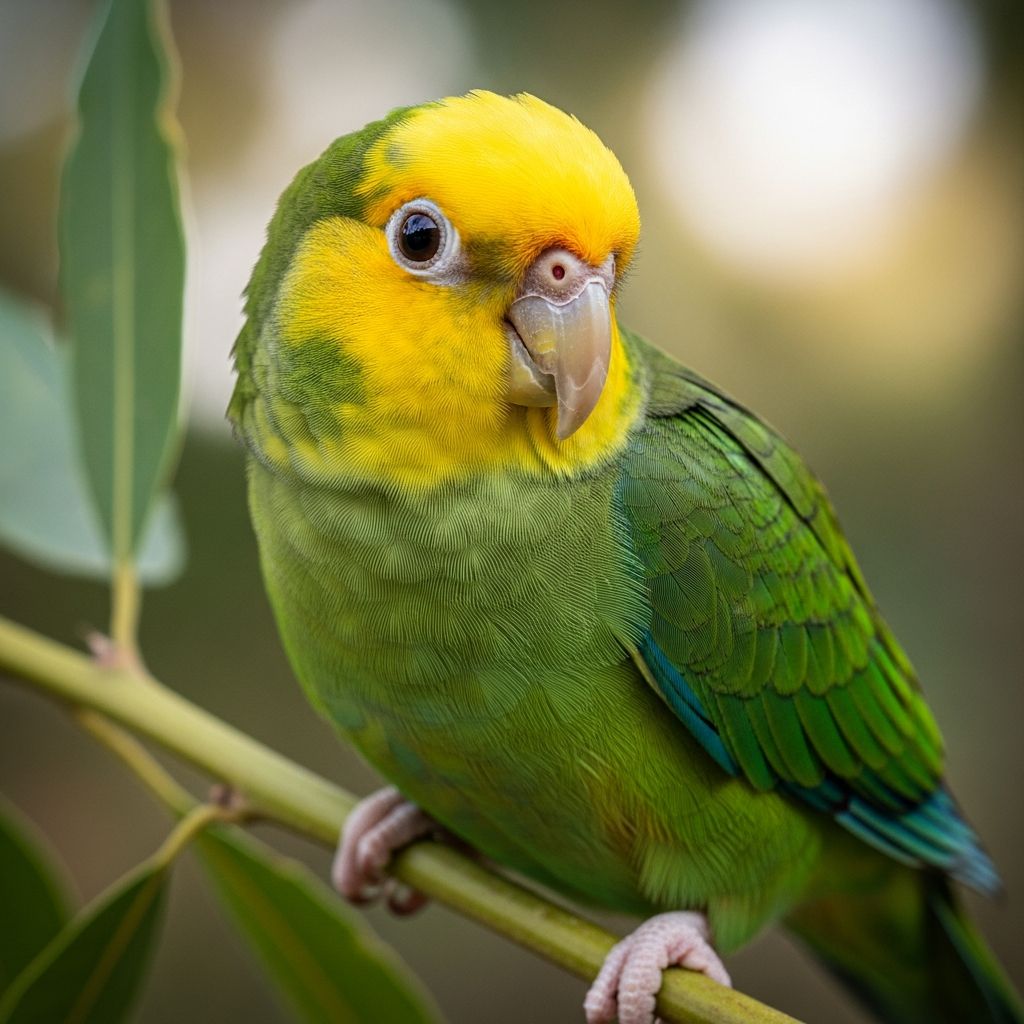
Yellow-faced parrotlets, known scientifically as Forpus xanthops, captivate bird enthusiasts with their compact size and lively demeanor. Native to arid regions of Mexico and Central America, these small parrots measure about 5 inches in length and weigh around 30 grams, making them among the tiniest parrot species suitable for home companionship. Despite their diminutive stature, they possess the intelligence and charisma of much larger parrots, forming deep bonds with owners who provide proper care.
Understanding the Unique Traits of Yellow-Faced Parrotlets
These birds feature striking plumage: males display vivid yellow faces contrasting with green bodies, while females show subtler yellow tones amid olive-green feathers. Their short, squared tails and sturdy beaks enable adept seed-cracking and climbing. Yellow-faced parrotlets thrive in social flocks in the wild, mirroring this need in captivity through daily interaction. They vocalize with sharp chirps and whistles rather than complex mimicry, though some learn basic words with consistent training.
Expect high energy levels; these parrots demand mental challenges to prevent boredom-induced behaviors like feather plucking. Their playful nature suits apartments, but owners must commit to several hours of engagement daily. Lifespans reach 15-20 years with optimal husbandry, underscoring the importance of long-term dedication.
Creating the Perfect Living Space
A suitable enclosure forms the foundation of yellow-faced parrotlet care. Select a cage at least 24x18x18 inches with bar spacing no wider than 1/2 inch to prevent escapes or head injuries. Horizontal bars facilitate climbing, essential for foot health and exercise.
Position the cage in a quiet, draft-free room away from kitchens, where fumes pose respiratory risks. Ideal spots include living areas for family visibility, ensuring 10-12 hours of unobstructed daylight and 12 hours of darkness nightly to regulate sleep cycles. Cover the cage at night to minimize disturbances.
Essential Cage Accessories
- Perches: Provide 2-3 perches of varying diameters (1/2 to 1 inch) using natural branches like apple or willow for foot gymnastics. Avoid placing over dishes to prevent contamination.
- Toys: Include shreddable items, swings, bells, and foraging puzzles rotated weekly to sustain interest. Parrot kabobs and wooden chews prevent beak overgrowth.
- Bedding: Use paper liners or recycled bedding changed daily for hygiene.
- Dishes: Stainless steel bowls for food and water, cleaned daily.
Daily out-of-cage time (1-2 hours supervised) on play stands encourages stretching wings and socialization. Secure all latches, as these clever birds manipulate mechanisms.
Nutrition Essentials for Vibrant Health
A balanced diet mirrors their wild foraging: 60-70% high-quality pellets, 20-30% fresh vegetables and fruits, and 10% seeds/nuts. Formulated pellets like those from reputable avian brands supply complete nutrition, preventing deficiencies.
| Food Category | Examples | Frequency | Notes |
|---|---|---|---|
| Pellets | Tropican or similar extruded | Daily staple | Main diet base |
| Vegetables | Kale, carrots, broccoli | Daily | Chop finely |
| Fruits | Apple, berries (no pits) | 2-3x/week | Small portions |
| Seeds/Nuts | Millet spray, almonds | Treats | Limit to avoid obesity |
| Supplements | Calcium block, spirulina | As needed | For molting/breeding |
Avoid toxic foods: avocado, chocolate, caffeine, salty snacks. Fresh water refilled daily supports hydration. Supplements like spirulina boost immunity and feather quality, especially during molt.
Daily Grooming and Hygiene Routines
Maintain feather condition through 2-3 weekly baths via shallow warm water bowls or fine misting. Many parrotlets relish splashing, aiding dust removal and skin health. Dry thoroughly post-bath to avert chills.
Monitor nails and beak; trim if overgrown by a vet. Provide cuttlebones for self-trimming calcium. Weekly deep cleans of cage and accessories with avian-safe disinfectants prevent bacterial buildup.
Training and Socialization Strategies
Yellow-faced parrotlets excel in training due to parrot intelligence. Start with basics like “step up” using positive reinforcement: treats and praise. Sessions of 10-15 minutes daily build trust and vocabulary.
Socialize early by introducing varied people, sounds, and toys. This curbs fear aggression. Pair birds only if compatible to combat loneliness, but monitor for bonding issues.
Common Training Milestones
- Week 1: Acclimate to hands, target training.
- Month 1: Step up/down, simple tricks.
- Ongoing: Wave, fetch toys, mimic phrases.
Preventing Behavioral Problems
Boredom triggers screaming or plucking. Combat with enrichment: puzzle feeders, novel toys, flight time. If solo, consider a companion post-vet approval. Stress from changes manifests as appetite loss; maintain routines.
Health Monitoring and Veterinary Care
Annual avian vet exams detect issues early. Watch for lethargy, fluffed feathers, diarrhea, or nasal discharge—signs of illness birds conceal.
Common concerns: obesity from seed excess, bumblefoot from poor perches, respiratory infections from drafts. Vaccinations unnecessary, but fecal tests screen parasites.
Breeding Considerations for Enthusiasts
Breeding requires proven pairs in spacious aviaries (minimum 4x2x2 feet). Provide nesting boxes with soft bedding. High-protein diets like Tropican support parents and chicks hand-fed after 3 weeks. Success demands expertise; novices consult breeders.
Frequently Asked Questions (FAQs)
Are yellow-faced parrotlets good for beginners?
Yes, their small size suits novices, but daily interaction is non-negotiable due to high intelligence.
How do I stop feather plucking?
Increase stimulation, check diet, vet exam for mites or stress. Companions help solo birds.
Can they talk?
Limited; some say 10-20 words clearly with training.
What is the best cage size?
Minimum 24x18x18 inches for activity.
Do they need a mate?
Not always; attentive owners suffice, but pairs prevent boredom.
Choosing Your Yellow-Faced Parrotlet
Source from reputable breeders verifying parent health and DNA sexing. Hand-fed babies bond best. Quarantine new birds 30 days. Budget $200-400 purchase, plus $300/year ongoing costs.
These parrots reward commitment with unwavering loyalty, transforming homes into joyful aviaries.
References
- Parrotlet – Profile & Care Guide — Parrot Essentials. 2023. https://parrotessentials.co.uk/blog/parrotlet-profile-care-guide
- Parrotlets — Hagen Avicultural Research Institute (HARI). 2024. https://hari.ca/bird-species/parrotlets/
- A Set-up Guide for Your New Pet Parrotlet — PetSmart. 2023. https://www.petsmart.com/learning-center/bird-care/a-set-up-guide-for-your-new-pet-parrotlet/A0189.html
- Pacific Parrotlet Personality, Food & Care — Lafeber Co. 2024. https://lafeber.com/pet-birds/species/pacific-parrotlet/
- Parrotlet Care — Animal Humane Society. 2022. https://www.animalhumanesociety.org/resource/parrotlet-care
Similar Articles






Read full bio of medha deb