

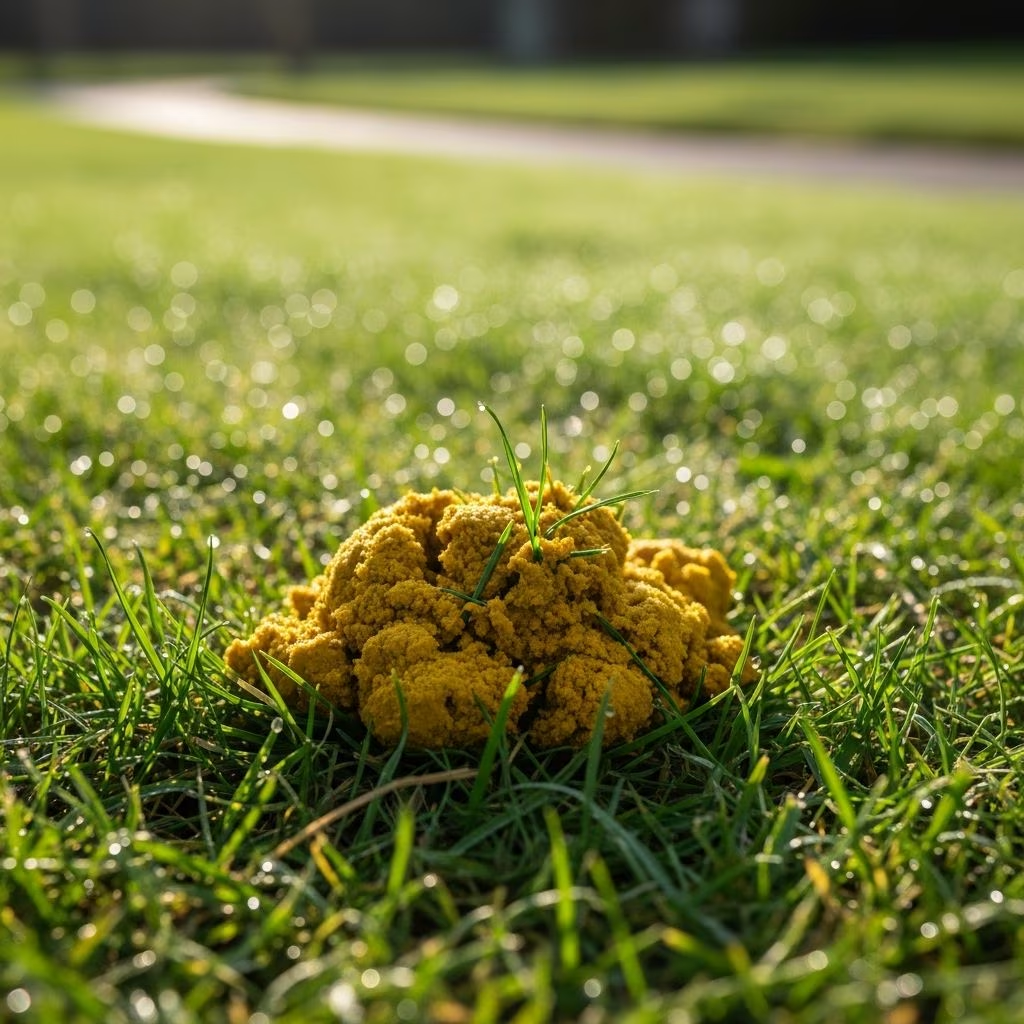
Noticing your dog’s stool has turned yellow can be concerning for any pet owner. While a single episode of yellow poop might not warrant immediate alarm, this discoloration typically indicates that something in your dog’s digestive system isn’t functioning as it should. Understanding the potential causes—ranging from minor dietary adjustments to more serious health conditions—empowers you to make informed decisions about your pet’s care.
Yellow stool in dogs fundamentally stems from a disruption in how bile is processed during digestion. Bile, produced by the liver and stored in the gallbladder, plays a crucial role in breaking down fats and transforming waste products to their typical brown color. When this process goes awry, the yellow pigments in bile remain visible in your dog’s feces.
The Role of Bile in Your Dog’s Digestive System
To understand why your dog’s poop turns yellow, it helps to grasp how normal digestion works. The liver continuously produces bile, a greenish-yellow fluid that aids in fat digestion and cholesterol metabolism. This bile gets stored in the gallbladder until your dog eats, at which point it’s released into the small intestine. As food moves through the digestive tract, beneficial bacteria transform bile pigments, converting them to the stercobilin compound that gives healthy dog stool its characteristic brown color.
When food moves too rapidly through the intestines, bile doesn’t have sufficient time to be fully processed and reabsorbed. Additionally, if the liver isn’t producing adequate bile, the gallbladder is blocked, or beneficial gut bacteria are depleted, the bile pigments remain in their yellow form and appear in your dog’s stool.
Common Dietary and Lifestyle Triggers
Rapid Dietary Transitions
One of the most frequent culprits behind yellow stool is an abrupt change in your dog’s diet. Dogs have sensitive digestive systems that require time to adjust to new proteins, fats, and fiber levels. Switching brands, introducing new treats, or changing your dog’s food type without a gradual transition can accelerate gut movement and prevent proper bile processing. Veterinarians typically recommend transitioning over 7-10 days, gradually mixing increasing amounts of new food with the old formula.
Food Sensitivities and Intolerances
Food intolerance differs from food allergies in that it doesn’t involve the immune system but rather the digestive system’s inability to properly break down certain ingredients. Common problematic ingredients include certain proteins, dairy, grains, or excessive fat. When your dog’s digestive tract struggles to process these components, food may move through too quickly, resulting in yellow or greasy stools. Additionally, the inflammation caused by food sensitivity can interfere with normal bile secretion and processing.
Consuming Inappropriate Items
Dogs are notorious for eating things they shouldn’t. Consuming sticks, foreign objects, garbage, or unusually rich human foods can irritate the intestinal lining and accelerate digestive transit. This rapid movement prevents complete bile processing, leaving stools yellow or even slightly mucus-coated.
Gastrointestinal Infections and Inflammation
Bacterial and Viral Infections
Gastroenteritis, inflammation of the stomach and intestines, represents another common cause of yellow stool. Bacterial infections, viral pathogens, or parasitic infestations can all trigger this condition. Dogs with gastroenteritis typically experience multiple episodes of vomiting and diarrhea alongside yellow stools. Lethargy and loss of appetite often accompany these infections. In puppies, particularly those not fully vaccinated, yellow diarrhea combined with vomiting can indicate parvovirus, a serious viral infection requiring emergency veterinary treatment.
Parasitic Infections
Intestinal parasites such as roundworms, hookworms, or giardia can cause food to move too quickly through the digestive system. Puppies and dogs with compromised immune systems face heightened vulnerability to parasitic complications. Beyond yellow stools, parasitic infections may cause vomiting, weight loss, and general malaise. Regular parasite prevention and periodic fecal examinations are essential components of preventive pet care.
Inflammatory Bowel Disease and Irritable Bowel Syndrome
Inflammatory Bowel Disease (IBD) involves chronic inflammation of the intestinal lining that disrupts normal digestive processes and bile handling. Irritable Bowel Syndrome (IBS), while often used interchangeably with IBD, is technically a separate diagnosis of exclusion made after ruling out infections, parasites, and other underlying diseases. Both conditions can produce yellow, soft, or mucus-laden stools. These disorders may be triggered by dietary changes, stress, routine alterations, or other environmental factors. Dogs with IBD typically show persistent or recurring symptoms that don’t resolve with simple dietary adjustments.
Pancreatic and Hepatic Complications
Pancreatitis
The pancreas produces digestive enzymes and hormones that regulate metabolism and glucose levels. Pancreatitis occurs when inflammation causes digestive enzymes to activate prematurely within the pancreas rather than in the small intestine where they’re needed. This condition frequently develops after consumption of fatty foods and is more common in overweight dogs. Symptoms include severe abdominal pain, loss of appetite, vomiting, diarrhea, fever, and lethargy. Yellow or bright orange stool is a hallmark sign because the inflammation disrupts both bile production and normal digestive function. Pancreatitis can range from mild to severe, with acute cases requiring hospitalization.
Liver Disease and Jaundice
The liver synthesizes bile and plays a central role in nutrient metabolism and detoxification. When liver function deteriorates, bile production decreases or bile cannot be properly excreted. This results in pale or light yellow stools and may be accompanied by jaundicing—a yellowing of the skin, eyes, and mucous membranes. Additional symptoms include vomiting, decreased appetite, unexplained weight loss, and behavioral changes. Liver disease can stem from various causes including viral infections, toxin exposure, genetic predisposition, or age-related decline.
Gallbladder Dysfunction
The gallbladder stores and concentrates bile for release during digestion. Gallstone formation, bile duct obstruction, or gallbladder inflammation can prevent bile from reaching the intestines effectively. When bile mixes improperly with stool, the result is yellow or pale-colored feces. Greasy, clay-colored, or pale yellow stools often suggest gallbladder problems. Some dogs develop gallbladder disease secondary to other conditions like pancreatitis or liver disease.
When Yellow Stool Requires Veterinary Attention
| Symptom Pattern | Urgency Level | Recommended Action |
|---|---|---|
| Single episode of yellow stool, otherwise healthy | Low | Monitor; schedule routine vet visit if continues |
| Yellow stool lasting 2-3 days with normal behavior | Moderate | Schedule appointment within week; check for dietary changes |
| Recurring yellow stool with vomiting, lethargy, or appetite loss | High | Contact vet within 24-48 hours for examination |
| Yellow stool with jaundiced eyes/skin or severe abdominal pain | Urgent | Seek emergency veterinary care immediately |
| Puppy with yellow diarrhea and vomiting (unvaccinated) | Urgent | Emergency vet evaluation for parvovirus |
Red Flags Requiring Immediate Attention
- Yellow stool accompanied by yellowing of the eyes, skin, or gums
- Persistent vomiting, especially if vomit appears yellow or green
- Severe abdominal pain or distension
- Signs of dehydration (dry gums, sunken eyes, lethargy)
- Unexplained weight loss or prolonged loss of appetite
- Pale, greasy stools that persist beyond a few days
- Blood in stool accompanying yellow discoloration
- Fever in conjunction with gastrointestinal symptoms
Diagnostic Approaches Your Veterinarian May Use
When you bring your dog to the veterinarian for yellow stool evaluation, the vet will conduct a thorough physical examination and gather a detailed history. Diagnostic procedures may include blood work to assess liver and pancreatic function, fecal examination to detect parasites or bacteria, abdominal imaging such as ultrasound or radiographs, or bile acid testing. In some cases, intestinal biopsy may be necessary to diagnose conditions like IBD. The specific tests recommended depend on your dog’s age, overall health status, duration of symptoms, and physical examination findings.
Treatment Approaches and Home Management
Dietary Management
Once serious underlying conditions are ruled out, dietary modifications often help normalize stool color. If a dietary change triggered the yellow stool, reverting to the previous food or transitioning more gradually to a new diet can help. Some dogs benefit from limited-ingredient diets that eliminate common allergens. Adding digestive support through probiotics, prebiotics, or fiber supplements can restore healthy gut microbiota and improve bile processing. Your veterinarian may recommend prescription digestive care diets formulated for sensitive stomachs.
Medical Treatment
Treatment depends entirely on the underlying cause. Infections require appropriate antibiotics or antiparasitic medications. Pancreatitis management involves pain relief, anti-inflammatory medications, and strict dietary restrictions on fat. Liver disease treatment varies based on the specific condition but may include hepatoprotective supplements, dietary modifications, and management of any secondary conditions. Gallbladder disease might require surgical removal in severe cases or medical management in others.
Supportive Care
During recovery from yellow stool episodes, ensure your dog maintains adequate hydration and receives appropriate nutrition. Temporarily feeding smaller, more frequent meals can ease digestive strain. Avoiding treats and human foods helps prevent further irritation. Stress reduction and maintaining regular routines support digestive health, particularly for dogs prone to stress-related gastrointestinal issues.
Prevention Strategies for Healthy Digestion
- Transition dietary changes gradually over 7-10 days to allow digestive adaptation
- Maintain consistent feeding schedules and portion sizes appropriate for your dog’s size and activity level
- Keep your dog’s parasite prevention current with regular fecal examinations
- Prevent access to garbage, toxic substances, and inappropriate food items
- Provide a high-quality diet appropriate for your dog’s age, size, and health status
- Monitor for early signs of digestive upset and address promptly
- Manage stress through regular exercise, play, and consistent routines
- Maintain up-to-date vaccinations, particularly for puppies
- Consider probiotic supplements under veterinary guidance for dogs prone to digestive issues
Frequently Asked Questions
Is yellow dog poop always a sign of a serious problem?
Not necessarily. While yellow stool indicates some disruption in normal digestion, the cause may be as simple as a minor dietary indiscretion or temporary upset stomach. However, persistent yellow stool, especially when accompanied by other symptoms, warrants veterinary evaluation to rule out serious conditions.
How long should I wait before contacting my vet about yellow stool?
If your dog has a single episode of yellow stool but appears otherwise healthy and maintains normal appetite and energy, you can monitor for 24-48 hours. However, if yellow stool persists beyond a few days, occurs repeatedly, or accompanies other symptoms, schedule a veterinary appointment promptly.
Can yellow stool resolve on its own?
Minor cases caused by dietary changes or minor digestive upset may resolve independently, particularly if you identify and eliminate the trigger. However, yellow stool caused by infections, parasites, or organ dysfunction requires professional treatment for resolution.
What foods are most likely to cause yellow stool?
Foods that are high in fat, dairy products, sudden protein changes, or ingredients your dog is sensitive to are common culprits. Rich human foods and treats also frequently trigger yellow stool in susceptible dogs.
Should I change my dog’s diet if they have yellow stool?
Don’t make abrupt dietary changes without veterinary guidance. If you recently changed your dog’s food, reverting to the previous diet or transitioning more gradually may help. However, if the yellow stool isn’t diet-related, random dietary changes could worsen the situation. Consult your veterinarian before making adjustments.
Are certain dog breeds more prone to yellow stool issues?
While any dog can experience yellow stool, certain breeds show predisposition to specific conditions. For example, some breeds have higher incidence of pancreatitis or inflammatory bowel disease. Discuss breed-specific health concerns with your veterinarian.
Conclusion
Yellow dog stool serves as an important signal that your pet’s digestive system needs attention. While occasional episodes may resolve without intervention, especially following identified dietary triggers, persistent or symptomatic yellow stool demands professional evaluation. By understanding the range of potential causes—from simple food sensitivities to complex organ dysfunction—and recognizing warning signs requiring urgent care, you can provide your dog with timely, appropriate treatment. Work closely with your veterinarian to diagnose the underlying cause and develop an effective management plan that restores your dog’s digestive health and stool color to normal.
References
- Yellow Dog Poop: Causes and When to Worry — PawPail. Accessed January 2026. https://pawpail.com/blogs/dog-care/yellow-dog-poop-causes-and-when-to-worry
- Yellow Dog Poo Explained: Causes, Symptoms, and Vet Advice — PetCircle. Accessed January 2026. https://www.petcircle.com.au/discover/yellow-dog-poo
- What Do Yellow Bowel Movements in Dogs Mean? — Animal Biome. Accessed January 2026. https://www.animalbiome.com/blogs/dog/what-do-yellow-bowel-movements-in-dogs-mean
- Why Your Dog’s Poop Is Yellow and When It’s a Problem — Poo Squad. Accessed January 2026. https://www.poosquad.com/dog-poop-yellow-causes/
- Yellow Dog Poop: What Does It Mean? — Pumpkin Pet Insurance. Accessed January 2026. https://www.pumpkin.care/post/yellow-dog-poop



