
Yellow Colored Pet Birds: Species Guide & Care
Discover vibrant yellow pet bird species with expert care tips and behavior insights.
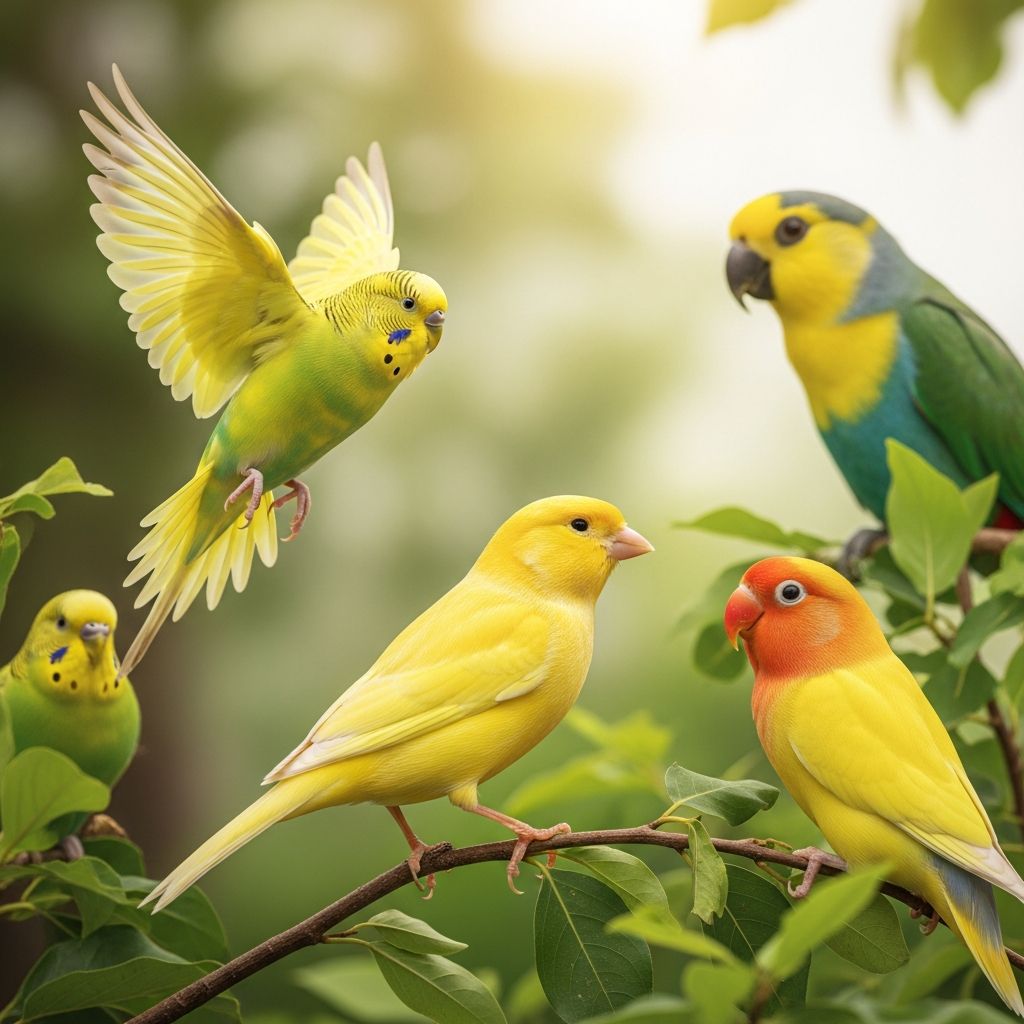
Yellow Colored Pet Birds: A Complete Guide
Yellow pet birds captivate bird enthusiasts with their striking plumage and vibrant personalities. From compact mini macaws to intelligent Amazon parrots, yellow-colored birds offer diverse options for potential pet owners. Whether you’re drawn to their aesthetic appeal or their engaging behaviors, understanding the specific characteristics and care requirements of yellow bird species is essential before making a commitment. This guide explores the most popular yellow-colored pet birds and provides comprehensive information for prospective owners.
Understanding Yellow Bird Species
Yellow coloration appears across multiple parrot families, each with distinct characteristics, temperaments, and care needs. These birds range significantly in size, from smaller conures to large macaws, and exhibit varying levels of sociability and vocalization. The presence of yellow markings often indicates specific subspecies within larger bird families, making identification and targeted care planning more nuanced.
The Yellow-Collared Macaw
The yellow-collared macaw represents one of the most popular choices among bird owners seeking a macaw experience in a more manageable size. Often designated as a “mini macaw” due to its smaller stature compared to larger macaw species like the blue-and-gold or scarlet macaw, this species shares many behavioral and physical characteristics with its larger relatives while offering practical advantages for home environments.
Size and Temperament
Mini macaws, including the yellow-collared variety, maintain the intelligence, playfulness, and social bonding capacity of their larger counterparts while requiring less space and producing somewhat less noise. These birds are highly social creatures that form strong bonds with their owners and require substantial daily interaction and mental stimulation. Their compact size makes them more manageable for many pet owners, particularly those living in apartments or homes with space limitations.
Behavioral Characteristics
Yellow-collared macaws display complex behaviors that reflect their high intelligence. They enjoy play, problem-solving activities, and engaging with toys designed for their cognitive level. These birds demonstrate significant personalities and can live for several decades, requiring lifelong commitment from their owners. Many owners report that their yellow-collared macaws develop distinct preferences for specific toys, foods, and interactive activities.
Yellow-Sided Conures
Yellow-sided conures represent another popular yellow pet bird option, offering smaller size, affordability, and engaging personalities. These birds attract owners seeking lively companions without the space demands or financial investment required by larger macaw species.
Nutritional Requirements
Proper nutrition forms the foundation of health for yellow-sided conures. Young conures, including four-month-old birds, can access mixed seeds and pellets throughout the day, supplemented with sprouted seeds several times weekly and fresh fruit daily. Owners should monitor consumption patterns, as conures may nibble continuously throughout the day. A balanced diet should include pellets as the primary component, with fresh fruits and vegetables comprising no more than 20% of total intake. Loose seed mixes should be avoided in favor of fresh, hulled seeds or foraging diets that encourage natural feeding behaviors.
Feeding Best Practices
Young yellow-sided conures thrive when offered structured feeding schedules combined with constant access to quality nutrition. Unlike some species prone to obesity, healthy conures regulate their intake when nutritional needs are met through high-quality pellets. Owners should provide variety in fruits and vegetables while maintaining consistent portion sizes and monitoring weight regularly. Sprouted seeds offer nutritional benefits and enrichment value, making them an excellent occasional supplement.
Yellow Shouldered Amazon Parrots
Yellow shouldered Amazon parrots represent the larger end of the yellow pet bird spectrum, offering significant intelligence, longevity, and social complexity. These birds require experienced owners prepared for their demanding nature and decades-long lifespan.
Feeding Guidelines for Amazons
Yellow shouldered Amazon parrots thrive on diets structured around freely available pellets as the primary nutrition source. These birds rarely overeat when their nutritional needs are fully met through quality pellets, eliminating the need for strict portion control that characterizes some other species. Owners should provide variety through fresh fruits, vegetables, and occasional nuts while ensuring pellets remain the dietary foundation. Amazon parrots demonstrate preferences for specific foods and textures, making dietary enrichment an important aspect of their overall care.
Behavioral and Social Needs
Yellow shouldered Amazons are highly social birds requiring substantial daily interaction with their owners. These birds develop complex relationships with their caregivers and can become aggressive if their social and emotional needs are not adequately met. They demonstrate remarkable vocal abilities and engage in extensive vocalizations, particularly during dawn and dusk hours. Owners must be prepared for noise levels and ongoing behavioral management needs.
Yellow-Naped Amazon Parrots
Yellow-naped Amazons, identifiable by distinctive yellow coloring on the nape of their necks, rank among the most intelligent and emotionally complex pet birds available. These birds require careful handling and understanding of their behavioral patterns to ensure positive owner-bird relationships.
Understanding Hormonal Behavior
Yellow-naped Amazons exhibit hormonal behaviors that significantly impact their temperament and interaction patterns. During breeding seasons or when stimulated by specific environmental conditions, these birds may display aggression and territorial behavior. Owners who fail to respect their bird’s space during these periods risk serious injury. Hormonal behavior serves as an important warning system, and respecting a bird’s boundaries becomes critical for safe cohabitation.
Social Structure and Compatibility
Yellow-naped Amazons are highly social birds that may be housed in the same room as other bird species but should never have direct contact without careful supervision. Birds from different continents, such as cockatoos and yellow-naped Amazons, lack natural instincts for interacting with each other. Introducing multiple bird species requires extensive planning and careful management to prevent aggression and territorial conflicts.
The Senegal Parrot
While not exclusively yellow, Senegal parrots feature distinctive yellow irises and body markings that contribute to their striking appearance. These birds possess blocky heads and an intense gaze that might suggest an aloof temperament, yet their actual behavior often contradicts this visual impression.
Appearance and Personality Distinction
The contrast between Senegal parrots’ serious appearance and their actual personalities makes them particularly interesting companions. Their yellow irises create an intense expression, yet these birds often display playful, engaging behaviors. This disconnect between appearance and temperament reminds owners not to judge a bird’s personality solely by its physical features.
Choosing the Right Yellow Pet Bird
Selecting an appropriate yellow pet bird requires careful consideration of multiple factors:
Space and Housing Considerations
Mini macaws and conures require significantly less space than full-sized Amazon parrots, making them suitable for apartment dwellings. Larger Amazons and full-sized macaws need dedicated areas with substantial cage space and room for flight and exercise. Prospective owners should honestly assess available living space before selecting a species.
Time and Social Commitment
All yellow pet birds require daily interaction, but larger species like Amazons demand several hours of daily engagement. Owners with limited time should consider smaller species like conures that remain engaged despite less intensive interaction schedules.
Lifespan and Long-Term Commitment
Yellow-collared macaws and Amazon parrots commonly live twenty to forty years or longer, requiring owners prepared for multi-decade commitments. Younger birds require more intensive training and socialization, while established birds may present behavioral challenges requiring patience and understanding.
Budget and Financial Planning
Initial purchase costs vary dramatically, from several hundred dollars for conures to thousands for premium macaws. Ongoing expenses include quality pellets, veterinary care, toys, and enrichment items. Larger birds typically require greater financial investment throughout their lifespans.
Care Requirements Across Yellow Bird Species
Environmental Setup
Yellow pet birds thrive in environments with appropriate lighting, temperature control, and air quality. Natural light cycles promote healthy circadian rhythms, while temperatures between 65-75°F suit most species. Stainless steel cages with appropriate bar spacing prevent injury while accommodating natural behaviors like climbing and flight.
Enrichment and Mental Stimulation
Intelligence distinguishes pet birds from simpler companion animals, making enrichment central to their well-being. Toys requiring problem-solving, foraging activities, and novel experiences prevent boredom and associated behavioral problems. Enrichment activities should rotate regularly to maintain novelty and engagement.
Veterinary Care
Annual wellness examinations with avian veterinarians ensure early detection of health issues. Yellow pet birds require specialized avian care, as traditional veterinarians often lack expertise in bird-specific conditions and treatments. Establishing relationships with qualified avian veterinarians before emergencies occur ensures access to appropriate care.
Frequently Asked Questions
Q: What is the lifespan of a yellow-collared macaw?
A: Yellow-collared macaws typically live 20-40 years or longer with proper care, making them lifelong companions requiring significant commitment.
Q: Can yellow pet birds be housed together?
A: Different species can live in the same room but require separate cages and should not have unsupervised contact, as they lack natural instincts for peaceful coexistence.
Q: How much space does a yellow-shouldered Amazon need?
A: Amazon parrots require large cages with adequate space for movement, climbing, and flight. Minimum dimensions vary by species but should be evaluated with avian veterinarians.
Q: Are yellow pet birds loud?
A: Yes, most yellow pet birds are vocal, particularly during dawn and dusk hours. Noise levels vary by species, with conures being moderately vocal and larger macaws producing louder calls.
Q: What should I feed a yellow-sided conure?
A: Yellow-sided conures should eat quality pellets as their primary diet, supplemented with fresh fruits and vegetables comprising no more than 20% of intake, along with occasional sprouted seeds.
Q: How do I manage hormonal behavior in yellow-naped Amazons?
A: Respecting the bird’s space during hormonal periods is essential. Avoiding inappropriate petting and maintaining consistent sleep schedules helps manage behavioral issues.
Conclusion
Yellow pet birds offer diverse options for bird enthusiasts, from compact mini macaws to intelligent Amazon parrots. Each species presents distinct advantages and challenges, requiring careful consideration before adoption. By understanding specific species characteristics, nutritional requirements, behavioral patterns, and care demands, prospective owners can make informed decisions leading to rewarding, long-term relationships with their feathered companions. Yellow pet birds reward their owners with personality, intelligence, and companionship, making them exceptional additions to homes prepared for their unique and demanding needs.
References
- Yellow Colored Pet Birds — Lafeber Company. Accessed 2025-11-28. https://lafeber.com/pet-birds/color/yellow/
- How much should I be feeding my yellow sided conure — Lafeber Company. Accessed 2025-11-28. https://lafeber.com/pet-birds/questions/how-much-should-i-be-feeding-my-yellow-sided-conure/
- Feeding guide for yellow shouldered Amazon parrot — Lafeber Company. Accessed 2025-11-28. https://lafeber.com/pet-birds/questions/feeding-guide-for-yellow-shouldered-amazon-parrot/
- Yellow double headed Amazon — Lafeber Company. Accessed 2025-11-28. https://lafeber.com/pet-birds/questions/yellow-double-headed-amazon-she-is-13-years-old-i-have-gotten-her-from-a-family-that-had-her-5-years/
- Introducing a Cockatoo and Yellow Nape Amazon — Lafeber Company. Accessed 2025-11-28. https://lafeber.com/pet-birds/questions/introducing-a-cockatoo-and-yellow-nape-amazon/
- Yellow Nape — Lafeber Company. Accessed 2025-11-28. https://lafeber.com/pet-birds/questions/yellow-nape/
Similar Articles








Read full bio of Sneha Tete


