

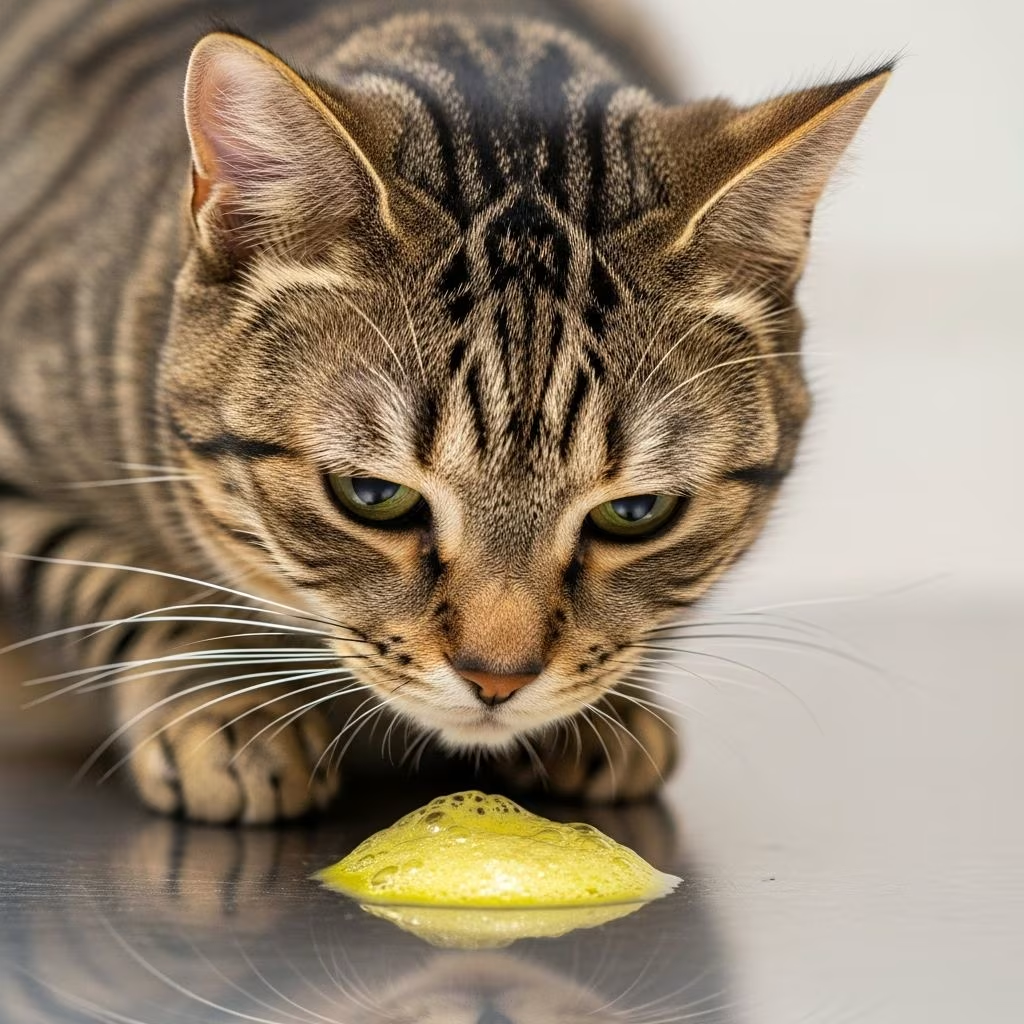
If you’ve noticed your cat bringing up yellow liquid, you’re likely concerned about their health. This type of vomiting is more common than many cat owners realize, and while it can sometimes indicate a minor issue, it occasionally signals something requiring veterinary attention. The yellow substance your cat is expelling is bile, a digestive fluid that plays an important role in how your cat’s body processes food. Understanding what triggers this symptom can help you determine whether your feline companion needs immediate medical intervention or if simple lifestyle adjustments might resolve the issue.
What Is Bile and Why Does It Matter?
Bile is a specialized digestive fluid manufactured by the liver and stored within the gallbladder, a small organ that releases this substance when needed during the digestive process. This fluid contains bilirubin, a pigment created when the liver breaks down aging red blood cells, which gives bile its characteristic yellow color. The primary function of bile is to assist in breaking down dietary fats and facilitating nutrient absorption as food moves through the small intestine.
Under normal circumstances, bile remains in the gallbladder and small intestine where it belongs. However, when certain conditions develop, bile can enter the stomach and be expelled as vomit. This happens because bile irritates the stomach lining, triggering the vomiting reflex. Recognizing this symptom early can be crucial for identifying whether your cat has a benign condition or requires professional medical evaluation.
Primary Causes of Yellow Vomit in Cats
Extended Periods Without Food
The most frequently encountered reason cats vomit yellow liquid is prolonged fasting. When a cat’s stomach remains empty for extended periods, the stomach lining becomes irritated by accumulated bile. This situation can develop if your cat skips meals, maintains irregular eating patterns, is preparing for a surgical procedure, or is simply being particularly selective about food.
Cats are naturally designed to consume small portions throughout the day rather than consuming large meals infrequently. This anatomical reality means that when feeding schedules become irregular or gaps between meals lengthen, gastrointestinal distress often follows. A condition sometimes referred to as bilious vomiting syndrome develops when bile buildup inflames the stomach lining. This condition is entirely preventable through consistent, regular feeding schedules.
Dietary Indiscretion and Inappropriate Consumption
Cats are naturally curious animals that sometimes consume items they shouldn’t. This might include spoiled food, indigestible materials, certain plants, or substances containing yellow food dyes. When cats ingest these problematic items, the gastrointestinal tract responds with inflammation and vomiting. Additionally, if your cat has consumed something yellow in color—such as a marker, certain foods with artificial coloring, or other household items—the vomit itself might appear yellow even without bile involvement.
Foreign object ingestion represents a more serious category of dietary indiscretion. When cats swallow string, plastic, or other non-food items, these objects can create blockages within the digestive tract, preventing normal food passage and causing bile vomiting.
Gastrointestinal Tract Inflammation
Various inflammatory conditions affecting the digestive system can trigger yellow vomiting. Gastritis, which involves stomach inflammation, and enteritis, which affects the intestines, can result from infections, consumption of spoiled food, or exposure to toxins. These conditions create an irritated digestive environment that leads to vomiting. Inflammatory bowel disease (IBD), a chronic condition affecting some cats, similarly produces bile vomiting as a symptom.
Hairball-Related Issues
Through their meticulous grooming habits, cats regularly ingest their own hair, which can accumulate into hairballs. While many hairballs pass through the digestive system without incident, some create blockages or partial obstructions. When this occurs, the stomach attempts to clear the obstruction by expelling its contents, including bile. Regular grooming and hairball prevention products can significantly reduce this issue.
Food Sensitivities and Allergic Reactions
Certain cats develop adverse reactions to specific food ingredients, creating gastrointestinal upset that manifests as bile vomiting. These food sensitivities or allergies can develop at any point in a cat’s life and may require dietary modification. Working with your veterinarian to identify problematic ingredients through elimination diets or transitioning to hypoallergenic formulations can resolve this cause.
Serious Health Conditions Associated with Yellow Vomit
While many instances of yellow vomiting resolve with simple interventions, this symptom can sometimes indicate serious underlying health issues requiring professional treatment.
Liver and Gallbladder Dysfunction
Disease affecting the liver or gallbladder can result in excess bile entering the stomach. This might stem from inflammation, infection, or blockage of the bile ducts. Cats experiencing these conditions often exhibit additional symptoms including jaundice (yellowing of the eyes and skin), reduced appetite, and unexplained weight loss.
Pancreatic Inflammation
Pancreatitis, involving inflammation of the pancreas, can obstruct the normal flow of bile through its designated duct. When this occurs, bile backs up into the stomach, causing vomiting. Affected cats frequently experience abdominal pain, lethargy, diarrhea, and diminished appetite alongside the yellow vomiting.
Kidney Disease
Senior cats commonly develop kidney disease, which causes toxins to accumulate in the bloodstream. The combination of an empty stomach—due to reduced appetite—and increased stomach acid production in affected cats creates conditions favorable for bile vomiting. Additional symptoms typically include increased thirst, more frequent urination, and weight loss.
Diabetes Mellitus
This hormonal disorder, particularly common in older cats, frequently causes bile vomiting due to elevated blood sugar levels affecting normal digestion. Diabetic cats typically display increased water consumption, more frequent urination, and rapid weight loss alongside the vomiting.
Intestinal Blockages
Obstructions within the intestinal tract prevent normal food passage and can cause severe bile vomiting. Cats with blockages typically appear ill, refuse food, and may display signs of abdominal pain. These situations constitute medical emergencies requiring immediate veterinary intervention.
Less Common Conditions
Hiatal hernias and acid reflux disease can occasionally result in bile vomiting, though these conditions occur less frequently in cats than in other species.
Distinguishing Benign from Serious Yellow Vomit
| Characteristic | Likely Benign | Potentially Serious |
|---|---|---|
| Frequency | Occasional episodes, weeks apart | Multiple times daily or persistent over 24 hours |
| Overall Behavior | Cat appears normal, playful, alert | Lethargy, decreased activity, apparent discomfort |
| Appetite | Normal eating patterns between episodes | Reduced appetite or complete refusal to eat |
| Additional Symptoms | None present | Abdominal pain, diarrhea, weight loss, jaundice |
| Triggering Factor | Identifiable (missed meal, dietary change) | No clear trigger, spontaneous occurrence |
Practical Prevention Strategies
- Establish Consistent Feeding Schedules: Feed your cat at the same times each day, providing smaller meals more frequently rather than single large portions.
- Choose High-Quality Nutrition: Select balanced, complete cat foods appropriate for your cat’s age and health status.
- Regular Grooming: Brush your cat frequently to remove loose hair and reduce hairball formation.
- Environmental Safety: Remove potential hazards including toxic plants, small objects, string, and plastic that cats might ingest.
- Monitor Dietary Changes: Introduce new foods gradually over several days to allow the digestive system to adjust.
- Dental Health: Maintain oral health, as poor dental condition can reduce eating enthusiasm.
- Weight Management: Maintain appropriate body weight through proper nutrition and exercise.
- Stress Reduction: Minimize environmental stressors that might affect eating patterns.
When to Seek Veterinary Care
Not all instances of yellow vomiting require professional evaluation, but certain situations demand immediate veterinary attention. Contact your veterinarian if your cat vomits multiple times within a single day, if vomiting persists beyond 24 hours, if your cat appears lethargic or in pain, or if vomiting accompanies other symptoms such as diarrhea, reduced appetite, or weight loss.
Additionally, if you suspect your cat has ingested a foreign object, if vomit contains blood, if your cat is straining or showing obvious signs of abdominal discomfort, or if this represents a change from your cat’s normal behavior pattern, professional evaluation is warranted.
Diagnostic and Treatment Approaches
When you bring your cat to the veterinarian, they will conduct a physical examination and ask detailed questions about symptom onset, frequency, and associated circumstances. Diagnostic testing might include blood work to evaluate liver, kidney, and pancreatic function, abdominal imaging to identify blockages or organ abnormalities, and fecal analysis.
Treatment approaches depend entirely on the underlying cause. For simple cases related to empty stomachs, feeding schedule adjustments typically resolve the issue. More complex conditions require specific interventions ranging from dietary modifications for food sensitivities, to medications for inflammatory conditions, to surgical intervention for blockages or severe organ disease.
Frequently Asked Questions
Is occasional yellow vomiting normal in cats?
Occasional bile vomiting in otherwise healthy cats that occurs infrequently—perhaps once or twice monthly—and when the cat has gone without food for extended periods can be considered within the normal range. However, if frequency increases or symptoms develop, veterinary evaluation is appropriate.
Can I prevent yellow vomiting entirely?
While you cannot prevent all instances, you can significantly reduce frequency through consistent feeding schedules, appropriate food selection, environmental safety measures, and regular grooming. Cats with underlying medical conditions may require ongoing management.
What’s the difference between vomiting and regurgitation?
Vomiting involves active stomach contractions and typically produces partially digested food or bile, while regurgitation involves passive return of undigested food from the esophagus without active muscle involvement. This distinction helps your veterinarian narrow diagnostic possibilities.
Should I fast my cat after yellow vomiting?
Unlike dogs, cats should not be fasted for extended periods. After a vomiting episode, offer small amounts of bland food within a few hours, then return to regular feeding schedules. Prolonged fasting actually increases the likelihood of future bile vomiting.
Are certain cat breeds more prone to this condition?
While any cat can experience bile vomiting, some breeds may have predispositions to specific underlying conditions. Your veterinarian can discuss breed-specific risk factors relevant to your individual cat.
Moving Forward with Your Cat’s Health
Yellow vomiting in cats ranges from a minor nuisance caused by feeding schedule inconsistencies to a symptom indicating serious medical conditions requiring professional care. By understanding the potential causes, recognizing warning signs, and maintaining consistent preventive practices, you can help protect your feline companion’s digestive health. When in doubt, consulting your veterinarian provides peace of mind and ensures your cat receives appropriate care based on individual circumstances. Your attentiveness to changes in your cat’s behavior and health status, combined with professional guidance when needed, creates the foundation for optimal feline wellness.
References
- Why Is My Cat Throwing Up Yellow Liquid? — PetMD. 2024. https://www.petmd.com/cat/general-health/why-is-my-cat-throwing-up-yellow-liquid



