

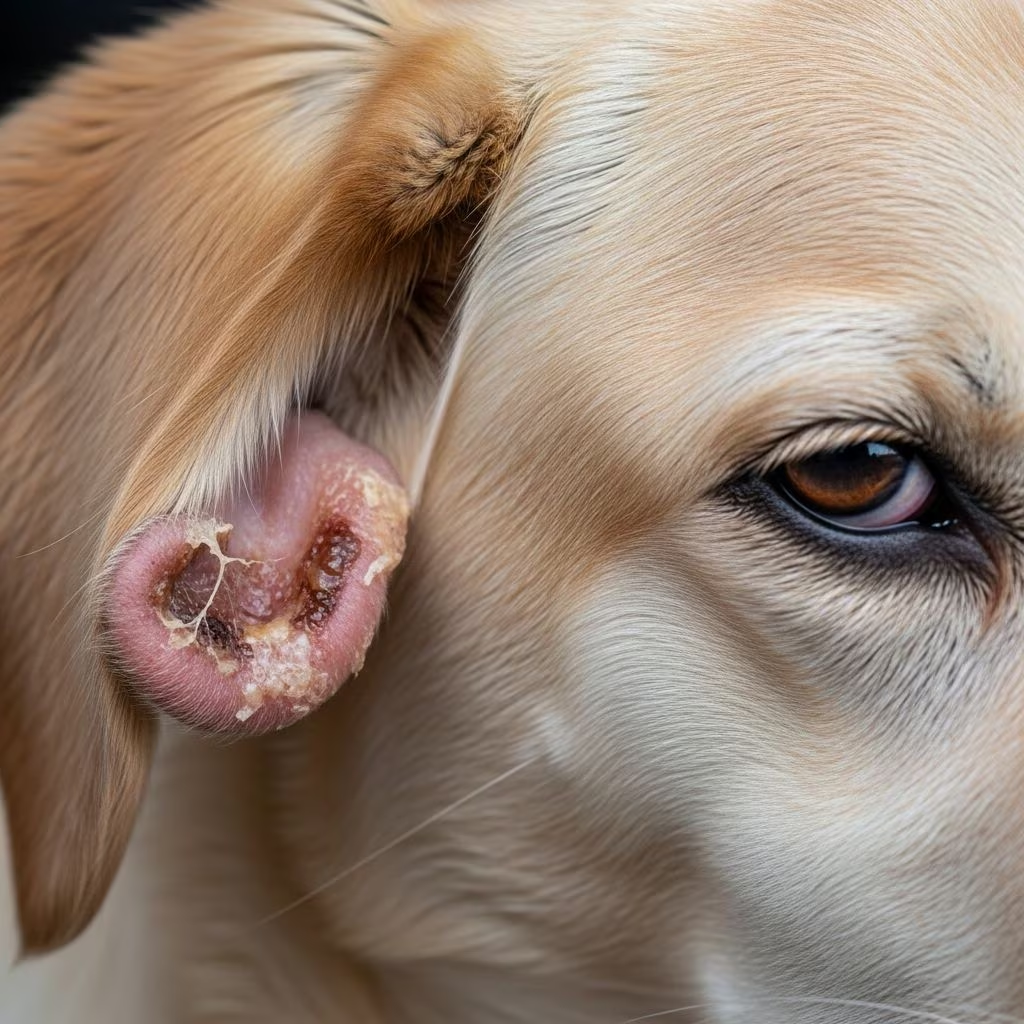
Understanding Yeast Infections in Dogs
Yeast infections are one of the most common skin conditions affecting dogs, causing significant discomfort and frustration for both pets and their owners. These fungal infections can develop on various parts of your dog’s body, including the skin, paws, and ears. Understanding what causes yeast infections, recognizing the symptoms early, and knowing the available treatment options can help you provide your dog with the care they need to recover quickly and comfortably.
Yeast is a naturally occurring fungus that lives on your dog’s skin. When the balance of microorganisms on the skin is disrupted, yeast can multiply rapidly and cause an infection. This overgrowth leads to inflammation, irritation, and the characteristic symptoms that dog owners often notice.
Common Symptoms of Yeast Infections in Dogs
Recognizing the early signs of a yeast infection can help you seek treatment before the condition worsens. The symptoms of yeast infections in dogs can vary depending on the affected area and the severity of the infection, but there are several telltale signs to watch for.
Primary Symptoms
The most common symptoms of yeast infections in dogs include:
- Musty odor: One of the most distinctive signs is a characteristic musty smell, often described as similar to stale corn chips or a cheesy scent. This odor is usually the first indicator that your dog may have a yeast infection.
- Excessive itching and scratching: Dogs with yeast infections often experience intense itching that can be limited to specific areas or affect their entire body. You may notice your dog constantly licking, biting, or scratching affected areas.
- Redness and inflammation: The skin in affected areas typically appears red, swollen, and irritated. There may also be visible warmth in these regions.
- Skin discoloration: Hyperpigmentation, or darkening of the skin, is common in areas affected by yeast infections. The skin may also appear thickened, resembling elephant skin.
- Flaky or scaly skin: Crusty or scaly patches often develop on the infected areas, giving the skin a rough, uncomfortable appearance.
- Hair loss: Continuous scratching and licking can lead to hair loss and bald patches in affected regions.
- Saliva staining: Prolonged licking can cause the hair to become stained a pinkish-brown color from minerals in the dog’s saliva.
Location-Specific Symptoms
Depending on where the yeast infection develops, your dog may exhibit additional symptoms. For ear yeast infections, watch for head tilting, excessive ear scratching, ear shaking, and in severe cases, hearing loss. For paw infections, you may notice your dog limping or favoring one or more paws.
What Causes Yeast Infections in Dogs?
Yeast infections don’t occur randomly. Several underlying factors can create an environment where yeast thrives and overgrows. Understanding these causes can help you take preventative measures to reduce the likelihood of recurrence.
Contributing Factors to Yeast Overgrowth
- Allergies: Food allergies and environmental allergies are among the most common underlying causes of yeast infections. When a dog’s immune system reacts to allergens, it creates inflammation that disrupts the skin’s natural balance.
- Weakened immune system: Dogs with compromised immune systems are more susceptible to yeast overgrowth. This can result from age, illness, stress, or certain medications.
- Moisture and humidity: Yeast thrives in warm, moist environments. Dogs with skin folds, those living in humid climates, or those with excessive ear wax buildup are at higher risk.
- Poor hygiene: Irregular bathing or inadequate grooming can allow yeast to accumulate on the skin.
- Antibiotic use: Antibiotics can disrupt the balance of beneficial bacteria on the skin, allowing yeast to proliferate.
- Skin conditions: Other dermatological issues such as seborrhea or atopic dermatitis can predispose dogs to yeast infections.
- Poor diet: A diet lacking in essential nutrients or containing excessive carbohydrates may contribute to yeast overgrowth.
Diagnosing Yeast Infections
If you suspect your dog has a yeast infection, it’s essential to schedule a veterinary appointment for proper diagnosis. Your veterinarian will conduct a thorough examination and may perform specific tests to confirm the presence of yeast and rule out other conditions.
Your vet may use a cytology test, which involves taking a sample from the affected area and examining it under a microscope to identify yeast cells. In some cases, a fungal culture may be performed to determine the specific type of yeast present and its sensitivity to various treatments. These diagnostic steps ensure that your dog receives the most appropriate and effective treatment.
Treatment Options for Dog Yeast Infections
The good news is that yeast infections in dogs are highly treatable. Your veterinarian will develop a treatment plan tailored to your dog’s specific situation, taking into account the severity of the infection, the affected areas, and any underlying conditions.
Topical Treatments
Medicated shampoos are often the first line of treatment for yeast infections. These shampoos contain antifungal and antibacterial ingredients that help eliminate yeast and soothe irritated skin. For the initial treatment phase, typically lasting 4-8 weeks, you should bathe your dog every 2-3 days with the medicated shampoo. It’s important to allow the shampoo to contact the skin for 10-15 minutes before rinsing with lukewarm water, as this contact time is crucial for effectiveness. Once the condition improves, maintenance bathing every 7-14 days is usually sufficient to prevent recurrence.
Antifungal creams and ointments are applied directly to localized affected areas. These are particularly useful when only one or two small areas are infected. Topical sprays and mousses are also available and can be applied daily as directed by your veterinarian.
Paw soaks can be especially helpful for paw infections. Veterinarian-recommended solutions can soothe irritation and cleanse the area, promoting healing and comfort.
Oral Medications
For more severe, chronic, or widespread yeast infections, your veterinarian may prescribe oral antifungal medications. Common oral antifungals include ketoconazole, fluconazole, itraconazole, and terbinafine. These systemic medications work throughout the dog’s body to combat the infection from within. Treatment typically lasts several months, and due to potential side effects from prolonged use, your veterinarian may recommend regular blood tests to monitor your dog’s health.
Combination Therapy
Most dogs with advanced or chronic yeast dermatitis benefit from a combination of oral and topical treatments. This dual approach addresses the infection more effectively and provides faster relief from symptoms. Additionally, your veterinarian may prescribe medications such as corticosteroids or cyclosporine to manage inflammation and itching while the antifungal therapy takes effect.
Treating Secondary Infections
Many dogs with yeast dermatitis also develop bacterial skin infections (pyoderma). These require separate treatment with antibiotics, typically lasting 4-12 weeks. Your veterinarian will address both the yeast and bacterial infections to ensure complete healing.
Ear Infection Treatment
Ear yeast infections are common in dogs with generalized yeast dermatitis. Treatment typically involves an ear cleaner and topical ear medication. Regular weekly cleaning helps decrease the likelihood of recurrence. Treatment of ear infections usually takes 2-4 weeks. In severe cases where yeast infections have caused chronic ear issues leading to deafness, your veterinarian may recommend total ear canal ablation surgery.
Managing Underlying Causes
Treating only the yeast infection without addressing the underlying cause often leads to recurrence. This is why your veterinarian will work to identify and manage the root problem.
Dietary Management
If food allergies are contributing to the yeast infection, your veterinarian may recommend a hypoallergenic diet to eliminate common allergens. Probiotics can also help restore the natural balance of beneficial bacteria and yeast in your dog’s system, reducing yeast overgrowth. A high-quality diet rich in essential fatty acids and nutrients supports skin health and strengthens the immune system.
Immunotherapy
For dogs with yeast hypersensitivity, immunotherapy may be recommended. This treatment attempts to reprogram the dog’s immune system so it doesn’t overreact to naturally occurring yeast. Immunotherapy can be administered by injection or orally, and it provides long-term disease control for many dogs.
Prevention Strategies
While not all yeast infections can be prevented, several strategies can significantly reduce their occurrence:
- Maintain regular grooming and bathing routines using gentle, pH-balanced products
- Keep your dog’s ears dry and clean, especially after swimming or bathing
- Provide a nutritious, high-quality diet appropriate for your dog’s age and health status
- Manage allergies through dietary adjustments or medications as recommended by your veterinarian
- Maintain a healthy weight through proper exercise and nutrition
- Reduce stress through consistent routines and adequate exercise
- Address any skin fold areas with extra attention to dryness and cleanliness
- Use preventative ear cleansers if your dog is prone to ear infections
Recovery Timeline and Expectations
The recovery timeline for yeast infections varies depending on the severity and extent of the infection. Localized infections may improve within a few weeks with topical treatment, while chronic or widespread infections may require 2-3 months or longer to fully resolve. It’s important to continue treatment for at least 7-10 days beyond when symptoms disappear to prevent recurrence. Be patient with the process and maintain consistent treatment as directed by your veterinarian, even if improvement is gradual.
Frequently Asked Questions About Yeast Infections in Dogs
Q: Can yeast infections in dogs be contagious to humans?
A: While the yeast species that affect dogs (typically Malassezia) are not typically pathogenic to humans with healthy immune systems, it’s still good practice to maintain proper hygiene when handling an infected dog, such as washing your hands after contact.
Q: How long does yeast infection treatment typically take?
A: Treatment duration varies. Mild localized infections may improve in 2-4 weeks, while chronic or widespread infections can take 2-3 months or longer. Always continue treatment as directed, even after symptoms resolve.
Q: Can diet changes help prevent yeast infections?
A: Yes, a high-quality diet rich in omega-3 fatty acids, probiotics, and essential nutrients supports skin health and immune function, potentially reducing yeast infection recurrence.
Q: Are certain dog breeds more prone to yeast infections?
A: Breeds with skin folds, droopy ears, or genetic predisposition to allergies (such as Bulldogs, Cocker Spaniels, and Basset Hounds) tend to experience more yeast infections.
Q: What should I do if my dog’s yeast infection keeps returning?
A: Recurring infections indicate an underlying cause that needs addressing. Work with your veterinarian to identify allergies, dietary issues, or immune problems contributing to recurrence. Immunotherapy or long-term preventative treatment may be necessary.
Q: Can I use over-the-counter products to treat my dog’s yeast infection?
A: While some over-the-counter products may provide temporary relief, prescription-strength antifungal treatments prescribed by your veterinarian are typically more effective and specifically tailored to your dog’s needs.
References
- Yeast Dermatitis in Dogs — VCA Animal Hospitals. 2024. https://vcahospitals.com/know-your-pet/yeast-dermatitis-in-dogs
- Yeast Infection in Dogs: Causes, Treatment, and Prevention — WebMD Pets. 2024. https://www.webmd.com/pets/dogs/yeast-infection-in-dogs-causes-treatment-and-prevention
- Treating Yeast Infections in Dogs — Zoetis Petcare. 2024. https://www.zoetispetcare.com/blog/article/treating-yeast-infections-in-dogs
- Dog Yeast Infection on Paw: Symptoms & Treatments — Mills Animal Hospital. 2024. https://millsmarietta.com/blog/dog-yeast-infection-on-paw/
- Yeast Infections in Dogs — Small Door Veterinary. 2024. https://www.smalldoorvet.com/learning-center/medical/yeast-infections-in-dogs
- How to Spot and Treat Yeast Infections in Dogs — Vets4Pets. 2024. https://www.vets4pets.com/pet-health-advice/dog-advice/yeast-infections-in-dogs/



