

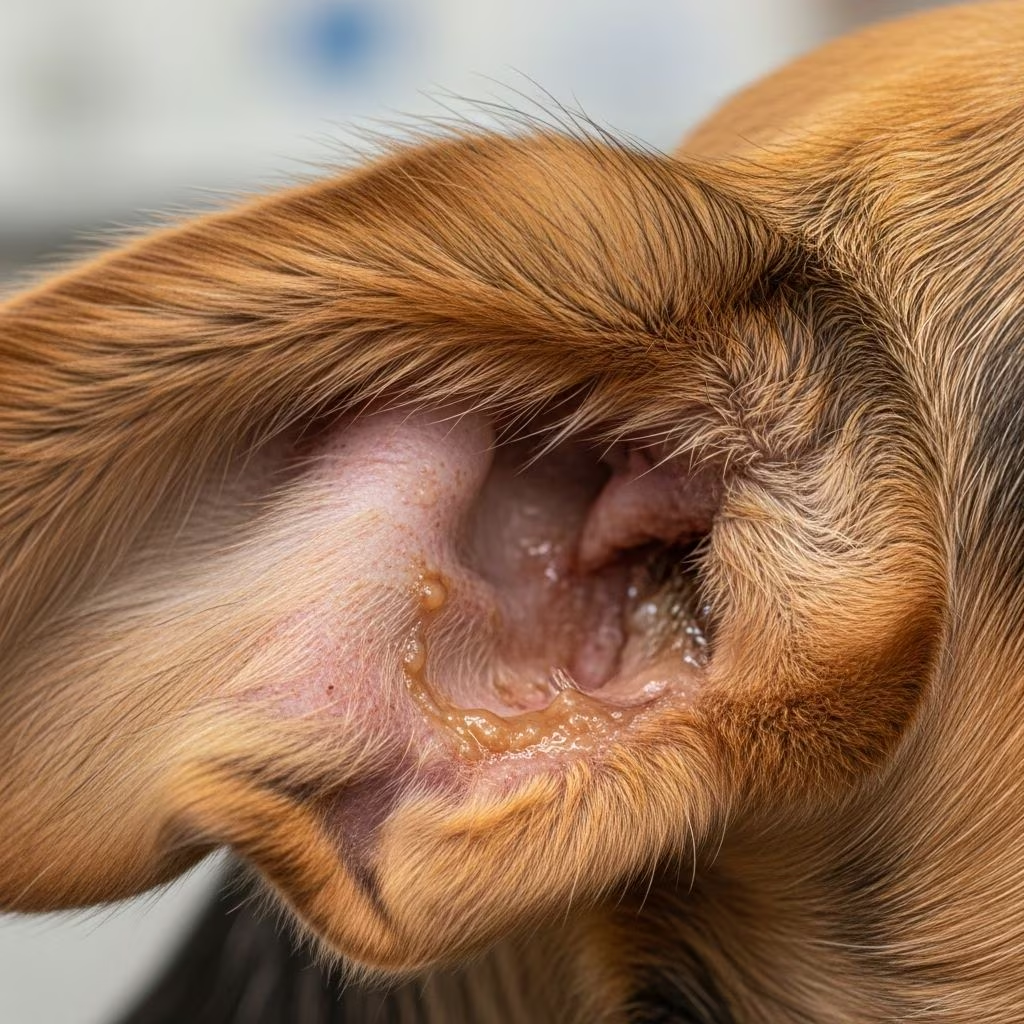
Yeast infections represent a frequent dermatological challenge for dogs, often manifesting as persistent itching, unusual odors, and skin changes. These conditions arise from an overgrowth of naturally occurring yeast, primarily Malassezia, thriving in warm, moist environments on a dog’s body. While not typically life-threatening, untreated infections can lead to secondary complications like bacterial invasions or chronic discomfort, making early recognition essential for pet owners.
Recognizing the Signs of Yeast Overgrowth
Early detection hinges on observing behavioral and physical cues. Dogs with yeast issues often exhibit relentless scratching or licking, targeting areas like paws, ears, armpits, or groin. This stems from intense pruritus, or itching, that disrupts daily comfort.
- Intense Itching and Scratching: Affected dogs may chew paws obsessively or rub against furniture, leading to hair loss and raw skin.
- Distinct Musty Odor: A hallmark is the strong, cheesy or yeasty smell emanating from infected sites, noticeable even from a distance.
- Skin Changes: Look for redness, swelling, greasy texture, or darkened pigmentation. Over time, skin may thicken, resembling elephant hide, with flaky or crusty patches.
- Discoloration: Saliva from licking causes reddish-brown staining on fur, especially around paws and ears.
- Paw-Specific Symptoms: Redness between toes, moist pads, limping, or scaly skin signal paw infections.
- Ear Involvement: Brown, waxy discharge, head shaking, or tilting indicates yeast otitis.
These symptoms can mimic allergies or bacterial issues, so veterinary confirmation via skin scrapings or cytology is crucial.
Common Locations for Yeast Infections
Yeast favors humid, poorly ventilated body zones. Paws trap moisture from walks or baths, ears accumulate wax, and skin folds retain sweat.
| Body Area | Key Signs | Why Susceptible |
|---|---|---|
| Paws | Licking, redness, odor, discoloration | Moisture from grass, rain; allergies weaken barriers |
| Ears | Waxy discharge, smell, head shaking | Trapped wax/moisture; prior bacterial infections |
| Skin Folds (armpits, groin) | Red, moist, itchy patches | Heat, humidity, poor air circulation |
| General Body | Thickened, greasy skin; hair loss | Immune issues, high-carb diets |
What Triggers Yeast Overgrowth in Canines?
Normally, yeast maintains balance with skin bacteria. Disruptions allow proliferation. Key contributors include:
- Allergies: Food or environmental triggers (pollen, dust) inflame skin, creating entry points. Hypersensitivity to yeast itself perpetuates cycles.
- Moisture and Hygiene: Wet paws post-swim or infrequent drying foster growth. Poor grooming traps debris.
- Immune Compromise: Conditions like hypothyroidism, diabetes, or corticosteroid use suppress defenses.
- Dietary Factors: High-sugar/carb foods feed yeast; antibiotics kill good bacteria, unbalancing flora.
- Environmental Stressors: Heat, humidity, smoke, or mold exacerbate risks, especially seasonally.
Breeds like Cocker Spaniels, Westies, or Basset Hounds with floppy ears or oily skin are predisposed.
Veterinary Diagnosis: Confirming Yeast Issues
Don’t self-diagnose—symptoms overlap with mites or fleas. Vets perform:
- Skin cytology: Tape or swab reveals yeast under microscope.
- Culture tests for confirmation.
- Allergy or endocrine panels for root causes.
Early diagnosis prevents progression to chronic dermatitis.
Treatment Strategies: Restoring Balance
Treatment targets yeast elimination while addressing origins. Duration: 4-12 weeks or longer; complete courses to avoid resistance.
Topical Therapies
- Medicated Shampoos: Antifungal formulas with chlorhexidine or miconazole; bathe 1-2x weekly.
- Creams/Ointments: Apply to paws/ears; ketoconazole or clotrimazole kills locally.
- Paw Soaks: Epsom salt or vet solutions dry and cleanse.
- Wipe Wipes: Daily alcohol-free cleaners for maintenance.
Systemic Medications
For widespread cases:
- Oral Antifungals: Fluconazole, ketoconazole, terbinafine; liver monitoring via bloodwork required.
- Short-term Steroids: Reduce inflammation; taper to avoid rebound.
Supportive Care
- Diet Change: Hypoallergenic or low-carb to curb allergies/yeast fuel.
- Probiotics: Rebalance gut/skin microbiome.
- E-collars: Prevent licking to aid healing.
Monitor for side effects; recurrence signals unresolved allergies.
Preventing Recurrence: Long-Term Management
Proactive steps minimize flare-ups:
- Dry paws thoroughly after wetting; use towels or dryers.
- Weekly antifungal shampoos for at-risk dogs.
- Allergy testing/treatment; novel protein diets.
- Weight control to reduce skin folds.
- Probiotics and omega-3 supplements for skin health.
- Avoid unnecessary antibiotics/steroids.
Regular vet check-ups catch issues early.
When to Seek Urgent Vet Care
Escalate if: non-stop scratching leads to wounds, odor intensifies, lethargy appears, or symptoms persist post-treatment. Prompt intervention halts complications like sepsis.
Frequently Asked Questions (FAQs)
Can yeast infections spread between dogs or to humans?
Rarely; Malassezia pachydermatis is dog-specific but hygiene prevents zoonotic risks.
How long do treatments take?
Typically 4-12 weeks; continue 7-10 days post-symptom resolution.
Is diet linked to yeast problems?
Yes, carbs/sugars promote growth; switch to vet-recommended formulas.
Are home remedies effective?
Vinegar soaks or coconut oil offer mild relief but consult vets first—avoid unproven cures.
What breeds are most prone?
Those with skin folds or allergies: Bulldogs, Retrievers, Spaniels.
References
- Dog Paw Yeast Infection: Symptoms and Treatment — Comal Pet Hospital. 2023. https://comalpethospital.com/blog/dog-yeast-infection-paw/
- Yeast Infections in Dogs: Causes, Symptoms and Treatments — CareCredit. 2024. https://www.carecredit.com/well-u/health-wellness/dog-yeast-infection/
- Dog Yeast Infection on Paw: Symptoms & Treatments — Mills Animal Hospital. 2023. https://millsmarietta.com/blog/dog-yeast-infection-on-paw/
- Causes, Symptoms, and Treatment of Yeast Infection on Dog Paws — Levan Road Vet. 2023. https://levanroadvet.com/blog/paws-yeast-infection/
- How to Spot and Treat Yeast Infections in Dogs — Vets4Pets. 2024. https://www.vets4pets.com/pet-health-advice/dog-advice/yeast-infections-in-dogs/
- Yeast Dermatitis in Dogs: Signs and Treatment — Germantown Animal Hospital. 2022-03-15. https://www.germantownah.com/site/blog-memphis-vet/2022/03/15/yeast-dog-dermatitis
- Yeast Infections in Dogs: Types, Signs, Causes & Treatment — UrgentVet. 2024. https://urgentvet.com/dog-yeast-infection-types-signs-causes-treatment/
- Yeast Infection in Dog Ears, Skin, and Paws — PetMD. 2024. https://www.petmd.com/dog/conditions/skin/yeast-infections-dogs
- Yeast Infections in Dogs — Small Door Veterinary. 2024. https://www.smalldoorvet.com/learning-center/medical/yeast-infections-in-dogs



