

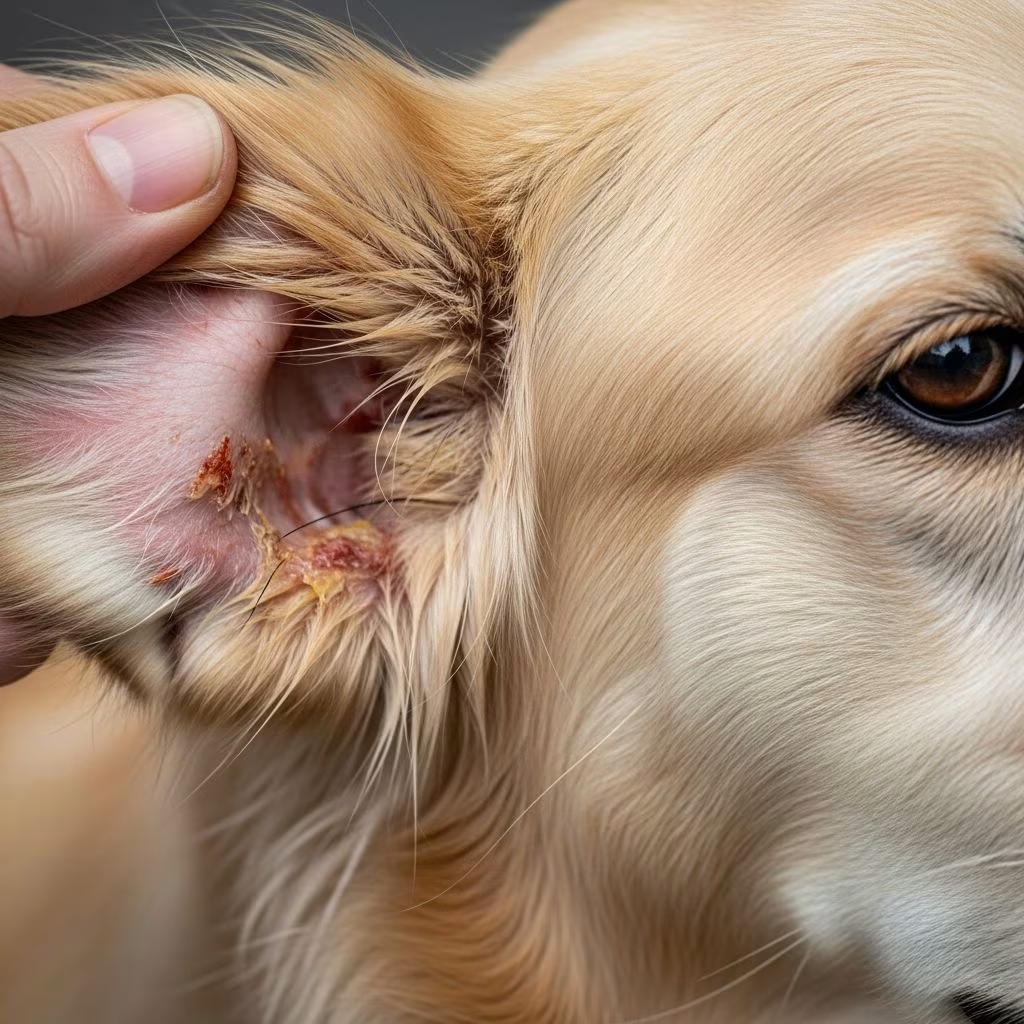
Yeast infections represent a frequent dermatological challenge for dogs, often manifesting as persistent itching, foul odors, and skin changes in areas prone to moisture retention such as ears, paws, and skin folds. These conditions arise from an overgrowth of naturally occurring yeast like Malassezia, triggered by imbalances in the skin’s microbial ecosystem. Understanding the underlying factors and prompt intervention can significantly improve your dog’s quality of life.
Understanding the Nature of Yeast Overgrowth
Yeast, particularly Malassezia pachydermatis, exists harmlessly on canine skin under normal circumstances. However, when environmental or internal factors disrupt the skin’s barrier or immune defenses, this yeast proliferates excessively, leading to inflammation and discomfort. Unlike bacterial infections, yeast issues thrive in warm, humid conditions and produce characteristic greasy residues and distinctive smells.
This overgrowth is not merely superficial; it can signal deeper health concerns. Veterinary dermatology emphasizes that recurrent cases often link to allergies, endocrine disorders, or dietary influences, necessitating a holistic diagnostic approach.
Primary Causes Behind Yeast Proliferation
Several factors contribute to yeast dominance on a dog’s body. Moisture accumulation from swimming, rainy walks, or poor drying after baths creates ideal breeding grounds. Allergies—whether to pollen, food proteins, or fleas—compromise skin integrity, allowing yeast to invade. Systemic issues like hypothyroidism, diabetes, or immunosuppression further heighten vulnerability by weakening natural defenses.
- Environmental Moisture: Frequent exposure to wet grass, puddles, or humid climates fosters yeast growth, especially between toes or in ear canals.
- Allergic Reactions: Atopic dermatitis or food sensitivities inflame skin, disrupting microbial balance.
- Immune and Hormonal Imbalances: Conditions reducing immune response enable unchecked yeast multiplication.
- Antibiotic Overuse: These drugs kill beneficial bacteria, permitting yeast to flourish.
- Dietary Factors: High-carbohydrate foods may indirectly support yeast by altering gut flora, though evidence varies.
Recognizing Early Warning Signs
Early detection hinges on observing behavioral and physical cues. Dogs with yeast issues often exhibit obsessive paw licking, head shaking for ear involvement, or rubbing against furniture. Visually, affected areas show redness, greasiness, and hyperpigmentation; a musty “corn chip” odor is a hallmark.
| Body Area | Common Symptoms | Behavioral Indicators |
|---|---|---|
| Paws | Red, scaly pads; thickened skin; brown discoloration | Constant licking/chewing; limping |
| Ears | Dark, waxy discharge; inflamed canals | Head shaking; scratching |
| Skin Folds | Greasy, odorous patches; crusting | Rubbing; restlessness |
Untreated, these progress to chronic thickening (lichenification) and secondary bacterial infections, complicating recovery.
Diagnostic Approaches by Veterinarians
Diagnosis begins with a thorough history and physical exam, focusing on lesion distribution. Cytology—via skin scrapings or tape preps examined under a microscope—confirms yeast presence through characteristic budding cells. Culture tests differentiate yeast from bacteria, while allergy panels or bloodwork uncover root causes like hypothyroidism.
For ear infections, otoscopic exams and deep swabs are standard. In persistent cases, biopsies provide definitive insights into chronic changes.
Effective Treatment Strategies
Treatment targets both the yeast and predisposing factors, typically combining topical, systemic, and supportive therapies. Duration often spans weeks to months, with follow-ups essential to prevent relapse.
Topical Therapies
Antifungal shampoos containing chlorhexidine, miconazole, or ketoconazole reduce surface yeast loads. Weekly medicated baths, paw soaks in diluted solutions, and wipes maintain hygiene. Creams or sprays deliver targeted relief to paws and folds.
Systemic Medications
Oral antifungals like fluconazole, itraconazole, or terbinafine address severe or multifocal infections. Concurrent antibiotics treat pyoderma, and anti-itch drugs (e.g., Apoquel, Cytopoint) alleviate discomfort during healing.
Supportive and Adjunctive Care
- Probiotics, including Saccharomyces boulardii, restore microbial balance and combat gut-related contributions.
- Dietary shifts to hypoallergenic or low-carb formulas if allergies suspected.
- Enzymes between meals aid yeast cell wall breakdown, easing die-off symptoms like temporary worsening (Herxheimer reaction).
Immunotherapy for yeast-hypersensitive dogs reprograms overreactions via injections or drops.
Preventive Measures for Long-Term Skin Health
Proactive steps minimize recurrence. Daily paw drying post-walks, using breathable booties in wet weather, and routine ear cleaning with vet-approved solutions are key. Allergen avoidance through flea control, air purifiers, and novel protein diets helps. Regular grooming prevents moisture trapping in dense coats.[10]
Monitor weight and endocrine health via annual checkups, as obesity exacerbates folds. Holistic supplements like omega-3 fatty acids bolster skin barriers.
Special Focus: Yeast in Paws and Ears
Paw-Specific Management
Paws demand vigilant care due to constant ground contact. Trim hair between pads, apply antifungals post-soak, and use e-collars to curb licking. In humid regions, vigilance peaks.
Ear Yeast Challenges
Ear infections may require flushing under sedation for severe buildup. Chronic cases risk stenosis or ablation surgery if deafness ensues.
Frequently Asked Questions (FAQs)
What does a yeast infection smell like on a dog?
A musty, yeasty or corn chip-like odor, especially from paws or ears.
Can yeast infections resolve without vet treatment?
Rarely; they often worsen, inviting secondary issues. Professional care ensures complete resolution.
How long do treatments take?
Typically 4-12 weeks, extended 7-10 days post-clearance.
Are home remedies effective?
Supportive like apple cider vinegar rinses or coconut oil, but not substitutes for vet antifungals.
Is diet linked to yeast issues?
Indirectly; high-sugar diets may promote overgrowth via gut dysbiosis.
Monitoring Progress and When to Seek Help
Track improvements in odor, itching, and appearance weekly. Worsening despite treatment, spreading lesions, or systemic signs (lethargy, appetite loss) warrant immediate vet return. Tailored plans yield best outcomes.[10]
References
- Yeast Dermatitis in Dogs — VCA Animal Hospitals. 2023. https://vcahospitals.com/know-your-pet/yeast-dermatitis-in-dogs
- Dog Paw Yeast Infection: Symptoms & Treatments — Mills Animal Hospital. 2024. https://millsmarietta.com/blog/dog-yeast-infection-on-paw/
- Yeast Dermatitis in Dogs: Signs and Treatment — Germantown Animal Hospital. 2022-03-15. https://www.germantownah.com/site/blog-memphis-vet/2022/03/15/yeast-dog-dermatitis
- Dog Paw Yeast Infection — Brinker Animal Hospital. 2024. https://brinkervet.com/blog/dog-paw-yeast-infection/
- Yeast Infection in Dog Ears, Skin, and Paws — PetMD. 2023. https://www.petmd.com/dog/conditions/skin/yeast-infections-dogs
- How To Manage Yeast Infection In Dogs — Dogs Naturally Magazine. 2024. https://www.dogsnaturallymagazine.com/itchy-dog-yeast-infection/



