

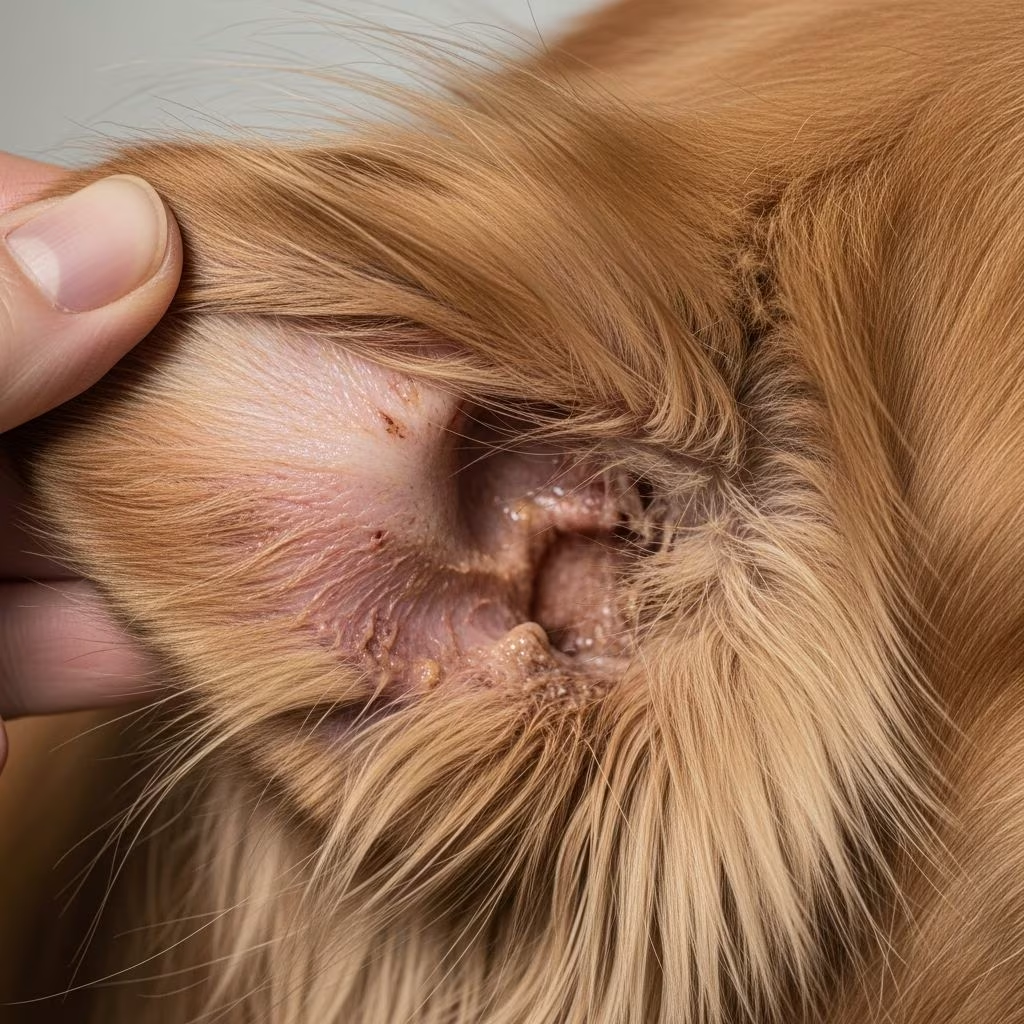
Yeast infections represent a frequent dermatological challenge for dogs, primarily driven by an overgrowth of naturally occurring fungi like Malassezia on the skin, ears, or paws. These conditions thrive in warm, moist environments and can cause significant discomfort if not addressed promptly.
Understanding the Nature of Canine Yeast Overgrowth
Yeast organisms exist harmlessly on a dog’s body in small amounts, maintaining balance with beneficial bacteria. Disruptions allow proliferation, leading to infections known as yeast dermatitis. This overgrowth alters skin pH, producing inflammation and secondary issues like bacterial co-infections.
Commonly affected breeds include those with floppy ears (e.g., Cocker Spaniels, Labrador Retrievers) or skin folds (e.g., Bulldogs, Shar-Peis), as these trap moisture. Any dog, however, faces risk under certain conditions.
Primary Causes Behind Yeast Proliferation in Dogs
Several factors contribute to yeast dominance:
- Allergies: Food sensitivities or environmental triggers (pollen, dust) weaken skin barriers, promoting yeast growth.
- Moisture Trapping: Frequent swimming, high humidity, or interdigital webbing on paws creates ideal breeding grounds.
- Immune Compromises: Conditions like hypothyroidism or medications (steroids, antibiotics) disrupt microbial equilibrium.
- Dietary Influences: High-carbohydrate foods may exacerbate issues by feeding yeast.
- Poor Hygiene: Infrequent cleaning allows dirt and oils to accumulate.
Ear-specific causes include foreign bodies, polyps, or eardrum damage, while paw infections often stem from grass allergies or compulsive licking.
Recognizing Key Symptoms Across Body Areas
Early detection hinges on observing behavioral and physical changes. Symptoms vary by location but share traits like itchiness and odor.
Skin Manifestations
- Intense itching leading to self-trauma
- Red, inflamed patches
- Greasy, thickened ‘elephant skin’
- Scaly, crusty lesions
- Musty, bread-like smell
- Hair loss and hyperpigmentation
Ear-Specific Indicators
Yeast otitis externa presents with head shaking, brown waxy discharge, foul odor, and pain upon manipulation. Chronic cases may cause hearing loss or require surgical intervention.
Paw and Pad Warnings
| Symptom | Description |
|---|---|
| Redness/Swelling | Inflammation between toes or on pads |
| Excessive Licking | Often due to allergies or anxiety |
| Odor | Distinct musty scent |
| Discoloration | Brownish staining on fur |
| Limping | Pain from cracked skin |
If multiple signs appear, veterinary evaluation is crucial to rule out differentials like bacterial pyoderma or mites.
Diagnostic Approaches by Veterinarians
Vets perform skin scrapings, cytology (staining samples to visualize yeast under microscope), fungal cultures, or allergy testing. Ear exams may involve otoscopy to check for deeper issues. Biopsies are reserved for refractory cases.
Addressing root causes, such as allergies via elimination diets or immunotherapy, enhances long-term success.
Comprehensive Treatment Strategies
Treatment combines eliminating yeast, managing inflammation, and preventing recurrence. Duration varies from weeks to months.
Topical Therapies
- Antifungal shampoos (e.g., chlorhexidine, miconazole) used 1-2 times weekly
- Creams/ointments applied directly to lesions
- Ear cleaners with antifungals followed by drops
- Paw soaks in diluted vinegar or Epsom salts
- Wipes or mousses for maintenance
Systemic Options for Severe Cases
Oral antifungals like fluconazole, itraconazole, ketoconazole, or terbinafine target widespread infections. Liver monitoring via bloodwork is essential due to potential toxicity. Antibiotics treat concurrent bacteria, while anti-itch meds (Apoquel, Cytopoint, steroids) provide relief.
Supportive Dietary Interventions
Hypoallergenic or novel protein diets reduce allergic triggers. Probiotics restore gut flora, indirectly aiding skin health. Avoid sugar-rich foods.
For hypersensitive dogs, immunotherapy reprograms immune responses to yeast allergens.
Prevention Tactics for Long-Term Skin Health
Proactive measures minimize risks:
- Dry ears and paws thoroughly after baths or swims
- Use hypoallergenic bedding and regular grooming
- Maintain balanced, low-carb diets
- Control allergies with vet-guided testing
- Avoid unnecessary antibiotics
- Weekly antifungal wipes in prone areas
Breeds with predispositions benefit from routine vet dermatology checks.
Frequently Asked Questions (FAQs)
Can yeast infections resolve without treatment?
No, untreated infections worsen, causing pain, secondary infections, and chronic skin changes. Prompt vet care is essential.
How long do treatments take?
Topical therapies may clear mild cases in 1-2 weeks; oral meds require 1-3 months. Complete courses prevent relapse.[10]
Are yeast infections contagious to humans or other pets?
Generally no, as they stem from the dog’s own flora imbalance, though hygiene prevents spread in multi-pet homes.
What home remedies help?
Vinegar soaks (1:1 water) or coconut oil may soothe mildly, but never substitute professional diagnosis/treatment.
Do food allergies always cause yeast issues?
Not always, but they are a leading factor; trial diets under vet supervision can identify triggers.
Potential Complications and When to Seek Urgent Care
Watch for limping, lethargy, appetite loss, or spreading lesions signaling systemic involvement. Chronic cases risk elephant skin or ear canal stenosis, sometimes needing surgery like total ear ablation.
Regular monitoring post-treatment ensures no recurrence, especially in allergy-prone dogs.
References
- Yeast Infections in Dogs: Causes, Symptoms and Treatments — CareCredit. 2023. https://www.carecredit.com/well-u/health-wellness/dog-yeast-infection/
- Dog Yeast Infection on Paw: Symptoms & Treatments — Mills Animal Hospital. 2023. https://millsmarietta.com/blog/dog-yeast-infection-on-paw/
- Yeast Infections in Dogs: Types, Signs, Causes & Treatment — UrgentVet. 2023. https://urgentvet.com/dog-yeast-infection-types-signs-causes-treatment/
- Yeast Dermatitis in Dogs — VCA Animal Hospitals. 2023. https://vcahospitals.com/know-your-pet/yeast-dermatitis-in-dogs
- Yeast Infection in Dogs: Common Causes, Symptoms & Treatment — Purina. 2023. https://www.purina.com/articles/dog/health/skin-fur-ears/yeast-infection-in-dogs



