
Yeast Infections on Dog Paws
Discover how to spot, treat, and prevent yeast infections affecting your dog's paws for healthier, happier walks.
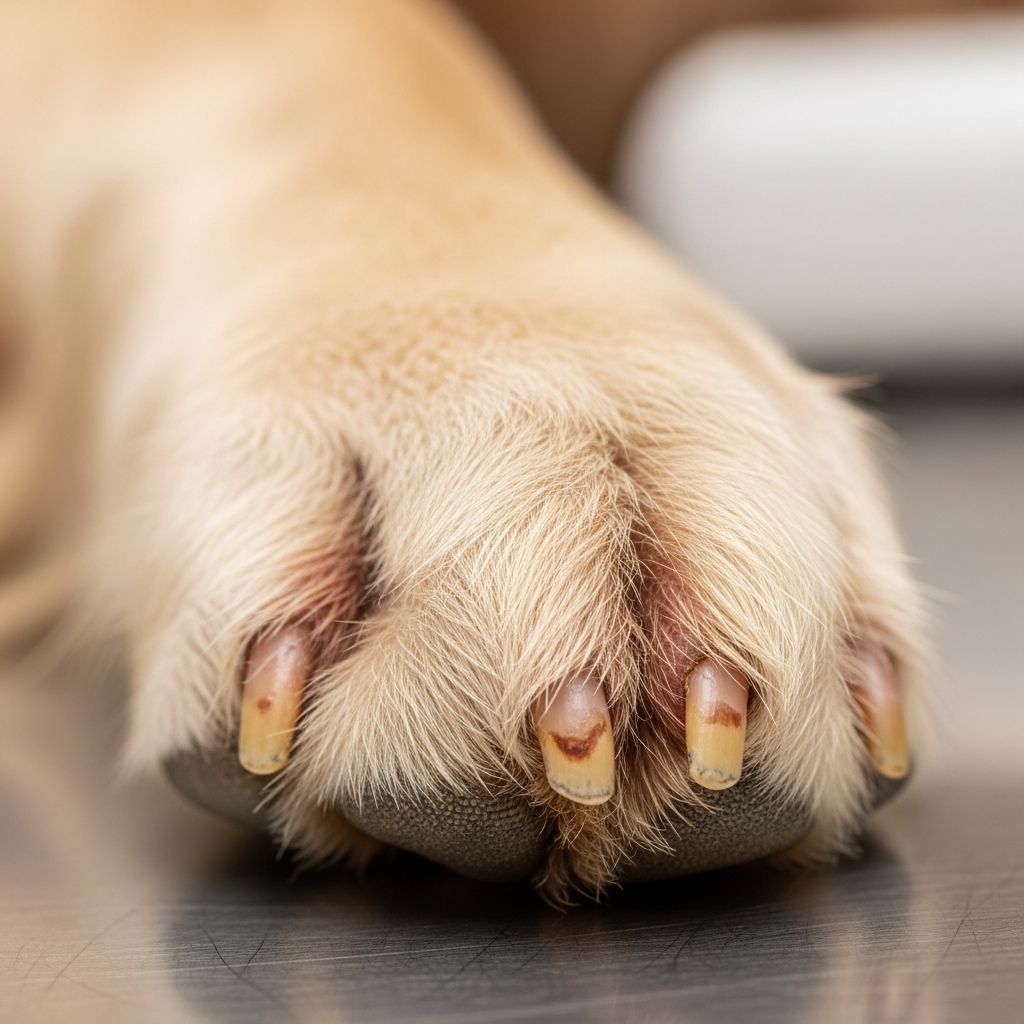
Yeast infections on a dog’s paws represent a frequent dermatological challenge that can lead to considerable discomfort if not managed promptly. These infections arise from an overgrowth of naturally occurring yeast, primarily Malassezia pachydermatis, which disrupts the skin’s balance and triggers inflammation. Pet owners often notice initial signs during routine paw inspections or when their dog begins excessive grooming behaviors. Addressing this condition requires understanding its origins, manifestations, and management approaches to restore paw integrity and prevent recurrence.
Understanding the Nature of Yeast Overgrowth in Canine Paws
Yeast organisms exist harmlessly on canine skin in moderation, but certain disruptions allow them to proliferate unchecked. This overgrowth typically targets moisture-prone areas like the interdigital spaces and paw pads, where warmth and humidity create an ideal breeding ground. Factors such as environmental humidity, frequent paw wetting from walks or baths, and underlying health issues contribute to this imbalance. Unlike bacterial infections, yeast issues produce distinct visual and olfactory cues that aid in differentiation during home assessments.
The paws’ unique anatomy exacerbates vulnerability. Thick pads and furred spaces trap moisture, while constant ground contact introduces allergens and irritants. Dogs with pendulous ears or skin folds elsewhere may show similar patterns, indicating a systemic predisposition rather than isolated paw problems.1
Key Indicators of Yeast-Related Paw Problems
Recognizing yeast infections early hinges on observing behavioral and physical changes. Dogs instinctively lick irritated areas, perpetuating a cycle of moisture and further yeast growth. Common signals include:
- Intense paw licking or chewing, often focused between toes or on pads.
- Visible redness or pinkish hues, particularly noticeable on lighter-coated paws.
- A pungent, musty aroma resembling corn chips or stale cheese emanating from the feet.
- Rusty-brown staining on fur from saliva accumulation during grooming.
- Thickened, scaly, or greasy skin texture around affected zones.
- Hair thinning or loss due to persistent trauma from licking.
- Limping or paw aversion when touched, signaling pain or hypersensitivity.
These symptoms often cluster, with odor serving as a reliable hallmark.2 Progression can lead to secondary bacterial involvement or cracked skin, complicating recovery.
Root Causes Behind Paw Yeast Proliferation
Yeast infections rarely occur in isolation; they stem from predisposing conditions that compromise skin barriers. Allergies top the list, including atopy (environmental sensitivities), food intolerances, or flea reactions, which provoke initial itching and moisture from licking. Endocrine disorders like hypothyroidism reduce immune vigilance, allowing opportunistic yeast to thrive. Immunosuppressive states from medications or illnesses further heighten risk.
Environmental contributors play a significant role. Humid climates, rainy weather, or indoor dampness from wet paws post-exercise foster growth. Breeds with webbed feet or heavy coats, such as Labradors or Spaniels, face elevated susceptibility due to poor drying. Bacterial pyoderma or wounds provide entry points, while seborrhea (oily skin) supplies nutrients for yeast.3
| Category | Examples | Impact on Paws |
|---|---|---|
| Allergies | Pollen, food, fleas | Triggers licking, moisture buildup |
| Endocrine | Hypothyroidism | Weakens skin defenses |
| Environmental | Humidity, wet feet | Promotes yeast multiplication |
| Breed Traits | Webbed toes, thick fur | Traps dampness |
| Other | Wounds, immune issues | Allows overgrowth entry |
Diagnostic Approaches for Accurate Identification
Veterinarians employ straightforward yet precise methods to confirm yeast involvement. A physical exam reveals characteristic changes, followed by cytology: scraping paw skin onto a slide, staining, and microscopic review to quantify yeast cells. This distinguishes yeast from mites, ringworm, or bacteria. Culture tests or biopsies address persistent cases or treatment failures. Allergy testing or bloodwork uncovers underlying triggers like thyroid dysfunction.4
Owners can assist by noting symptom onset, affected paws (often symmetric), and recent exposures like new foods or shampoos. Photographs document progression for vet consultations.
Effective Treatment Strategies for Relief
Treatment targets yeast reduction, inflammation control, and root causes. Topical therapies form the cornerstone:
- Medicated shampoos: Chlorhexidine or miconazole-based formulas cleanse and kill yeast; bathe paws 2-3 times weekly.
- Wipe solutions: Antifungal sprays or wipes for daily maintenance between baths.
- Creams/ointments: Prescription azoles or terbinafine applied post-cleaning.
Oral antifungals like fluconazole or ketoconazole tackle severe or widespread infections, monitored via blood tests for liver safety. Address allergies with hypoallergenic diets, antihistamines, or immunotherapy. Elizabethan collars prevent licking, breaking the irritation cycle.5 Improvement typically appears within 1-2 weeks, with full resolution in 4-6 weeks.
Preventive Measures to Maintain Healthy Paws
Proactive steps minimize recurrence risk:
- Dry paws thoroughly after wetting using towels or low-heat blow dryers.
- Trim fur between toes to enhance airflow.
- Use breathable boots in wet conditions.
- Maintain allergy management through diet trials and flea preventives.
- Schedule regular vet check-ups for at-risk breeds or dogs.
- Incorporate paw soaks with diluted apple cider vinegar (1:10 ratio) weekly as a natural adjunct.
Holistic supports like omega-3 supplements bolster skin health, reducing inflammation proneness.6
When to Seek Professional Veterinary Care
Consult a vet immediately if symptoms persist beyond 48 hours of home care, worsen despite treatment, or include systemic signs like lethargy or appetite loss. Non-healing wounds, spreading redness, or nail base discharge warrant urgent attention to avert complications like deep infections.
Frequently Asked Questions (FAQs)
What does a yeast-infected dog paw smell like?
A classic musty, corn chip-like odor distinguishes yeast from other paw issues.
Can I treat my dog’s paw yeast at home?
Mild cases may respond to antifungal wipes and drying, but vet diagnosis ensures proper therapy and rules out primaries.
Are certain dog breeds more prone?
Yes, those with oily skin, allergies, or toe anatomy like Cocker Spaniels, Westies, and Retrievers.
How long does treatment take?
Typically 2-6 weeks, with follow-up cytology confirming clearance.
Does diet influence paw yeast infections?
Absolutely; high-carb diets may exacerbate via immune effects, while hypoallergenic formulas help allergy-linked cases.
References
- Yeast Dermatitis in Dogs — VCA Animal Hospitals. 2023. https://vcahospitals.com/know-your-pet/yeast-dermatitis-in-dogs
- Yeast Infections in Dogs Ears, Skin, and Paws — PetMD. 2024. https://www.petmd.com/dog/conditions/skin/yeast-infections-dogs
- Dog Paw Yeast Infection — ToeGrips. 2023. https://toegrips.com/dog-paw-yeast-infection/
- Dog Paw Pad Yeast Infections: Symptoms & Treatment — Arrowhead Vets. 2024. https://arrowheadvets.com/blog/dog-paw-pad-yeast-infections-symptoms-treatment/
- Dog Paw Yeast Infection: A Guide to Relief and Prevention — Lagniappe Animal Health. 2024. https://lagniappeanimalhealth.com/blog/dog-paw-yeast-infection/
- Dog Paw Pad Yeast Infection: Signs and Treatment — Dundee Vet Clinic. 2023. https://dundeevetclinic.com/blog/dog-paw-pad-yeast-infection/
Similar Articles








Read full bio of medha deb




