

Understanding Yeast Infections in Cats
Yeast infections are a common health concern for cat owners, affecting feline companions of all ages and breeds. These uncomfortable infections occur when naturally occurring yeast on a cat’s skin, ears, or other body areas overgrows and causes inflammation and irritation. While yeast is normally present on a cat’s skin in harmless quantities, an imbalance in the body’s microbial environment can lead to problematic overgrowth. Understanding the nature of these infections, their causes, and available treatments can help you recognize problems early and seek appropriate veterinary care for your beloved pet.
Yeast infections in cats are caused by two primary types of yeast: Malassezia and Candida species. Malassezia is the most common culprit behind feline yeast infections and is naturally present on a cat’s skin in low numbers. When conditions favor its multiplication, it can rapidly proliferate and cause significant discomfort. Candida albicans infections are less common and typically occur in immunocompromised cats. Regardless of the type, these infections create an environment of inflammation and itching that requires proper medical attention.
Types of Yeast Infections in Cats
Yeast infections can manifest in different locations on your cat’s body, each presenting unique characteristics and symptoms.
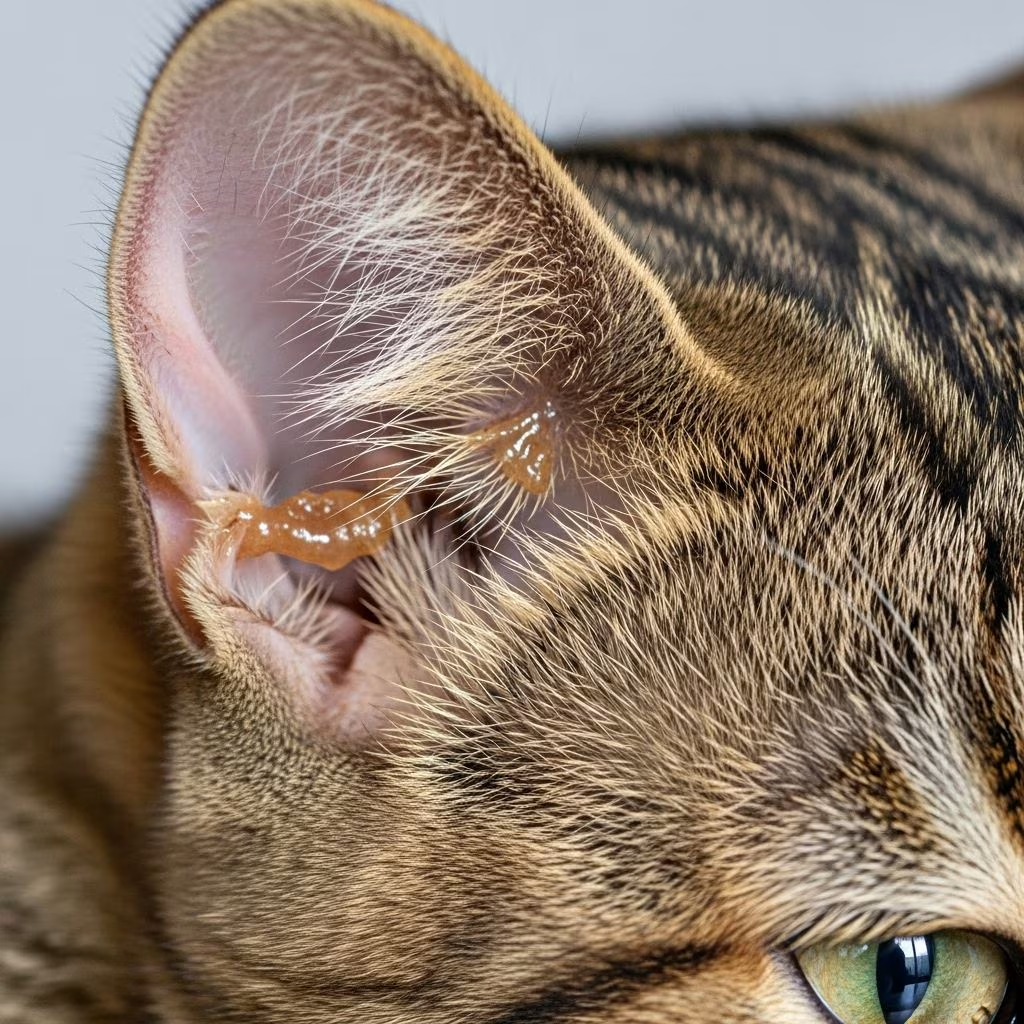
- Otitis: This ear infection causes the ears to become itchy, red, and inflamed. It’s one of the most common presentations of feline yeast infections and can be quite uncomfortable for affected cats.
- Dermatitis: A skin infection that makes the skin itchy and flaky, dermatitis can occur on various parts of the body and is often accompanied by excessive grooming.
- Cystitis: When yeast overgrows in the bladder, it can lead to urinary tract infections and problems with urination.
- Thrush: This type of yeast infection occurs in the mouth and is characterized by white plaques or spots on the inside of the mouth or esophagus.
- Paw Infections: Yeast can also colonize the paw pads and claw folds, causing localized inflammation and discomfort.
Recognizing the Symptoms of Yeast Infections
Early recognition of yeast infection symptoms is crucial for prompt treatment and your cat’s comfort. Symptoms vary depending on the location of the infection and can range from mild to severe.
Ear Yeast Infection Symptoms
Ear infections are among the most common presentations of feline yeast infections. If your cat has an ear yeast infection, you may observe:
- Dark brown or black waxy debris in the ears
- Brown discoloration of the hair around the ears
- Pruritis, or excessive itching
- Irritability and head shyness
- Head shaking or scratching at the ears
- Lowered ears or ear position changes
Paw Yeast Infection Symptoms
Yeast infections affecting the paws present distinct signs that may be noticeable during grooming or playtime:
- Red and itchy paws
- Accumulation of brown waxy debris in the claw folds
- Brown discoloration of the claws
- Excessive licking of paw pads
- Swollen and red nail beds
- Repeated foot shaking as if paws are wet
Skin and Systemic Symptoms
General yeast dermatitis can cause a variety of skin-related symptoms:
- Itchy skin and persistent scratching
- Rash or inflamed skin
- Excessive licking or grooming
- Persistent acne or pustules
- Scaly, crusty, or flaky skin
- Discolored or dull fur
- Foul odor emanating from the skin
- Greasy skin and coat
Cats with Candida albicans infections may present with more generalized symptoms including decreased appetite, weight loss, fever, and gastrointestinal signs. It’s important to note that yeast infection itching will not respond to standard allergy treatments; the infection must be addressed directly with appropriate antifungal therapy.
Underlying Causes of Yeast Infections in Cats
Understanding what causes yeast infections helps in both prevention and treatment. Yeast dermatitis is an opportunistic infection, meaning it develops when underlying conditions create an environment favorable for yeast overgrowth.
Immune System Compromise
A weakened immune system is one of the primary factors contributing to yeast infections in cats. Several conditions can suppress immune function:
- Chronic Diseases: Conditions such as cancer and diabetes can compromise immune function and allow yeast to proliferate.
- Immunosuppressive Conditions: FIV (Feline Immunodeficiency Virus) and FeLV (Feline Leukemia Virus) infections significantly weaken the immune system.
- Poor Diet and Stress: Inadequate nutrition and chronic stress can diminish immune response and increase susceptibility to infections.
Medication-Related Causes
Certain medications commonly prescribed for cats can inadvertently create conditions favorable for yeast overgrowth:
- Antibiotics: While treating bacterial infections, antibiotics can also kill beneficial bacteria in the gut, disrupting the microbial balance and allowing yeast to flourish.
- Steroids: Immunosuppressive steroid medications can weaken the immune system and alter the balance of microorganisms on the skin, promoting yeast overgrowth.
Allergies and Skin Trauma
Allergic reactions and resulting skin damage create pathways for yeast infection development. Both environmental allergies and food allergies can lead to excessive scratching, creating open wounds that yeast can penetrate. Flea allergy dermatitis similarly causes skin trauma that allows yeast to establish infection. When a cat scratches due to allergic itching, the resulting wounds provide an entry point for yeast organisms.
Hormonal Imbalances
Endocrine disorders can create internal environments conducive to yeast overgrowth. Conditions such as diabetes and hyperthyroidism alter the body’s internal chemistry, promoting yeast growth and increasing infection risk.
Diagnosis of Yeast Infections
Professional veterinary diagnosis is essential for confirming yeast infections and determining the appropriate treatment plan. Your veterinarian will typically perform a thorough physical examination and may conduct additional diagnostic tests. Direct observation of ear discharge, skin samples, or fungal cultures can confirm the presence of yeast. Importantly, your vet will also investigate underlying causes of the infection, as addressing these root causes is essential for preventing recurrence.
Treatment Options for Feline Yeast Infections
Yeast infections are generally curable with appropriate veterinary treatment, though recovery timelines vary based on infection severity and your cat’s overall health. A comprehensive treatment approach addressing both the infection and underlying causes offers the best outcomes.
Antifungal Medications
Antifungal medications form the cornerstone of yeast infection treatment:
- Topical Antifungals: Applied directly to affected skin or ear canals, topical medications target localized infections and may include compounds like 1% iodine or other antifungal agents.
- Oral Antifungals: Systemic oral medications are prescribed for widespread infections or when topical application alone is insufficient. Amphotericin B is one example of an oral antifungal that may be prescribed.
- Combined Approach: Many cases benefit from both oral and topical antifungal medications used simultaneously for comprehensive treatment.
Medicated Shampoos and Baths
Medicated shampoos are often recommended as part of comprehensive treatment protocols. These specialized formulations help reduce yeast populations on the skin surface and are typically used in conjunction with topical or oral medications. Regular medicated baths can help manage symptoms and prevent recurrence when continued as directed by your veterinarian.
Antibiotics for Secondary Infections
If your cat has developed a secondary bacterial infection alongside the yeast infection, your veterinarian may prescribe antibiotics. This combined approach addresses both infections simultaneously for more effective healing.
Anti-Itch Medications
Medications to control itching provide comfort during treatment and prevent further skin damage from excessive scratching. These may include antihistamines or other anti-inflammatory agents prescribed by your veterinarian.
Managing Underlying Conditions
Addressing the root causes of yeast overgrowth is critical for successful long-term management. This may involve:
- Discontinuing or adjusting immunosuppressive medications when medically appropriate
- Managing chronic diseases like diabetes through proper diet and medication
- Treating allergies with environmental controls or dietary changes
- Supporting immune function through improved nutrition
Recovery Timeline and Ongoing Care
The duration of treatment varies significantly based on the type and severity of infection:
- Ear infections and urinary bladder infections typically resolve within 7 to 10 days with appropriate treatment.
- Yeast infections of the skin or mouth may require 4 to 6 weeks or longer for complete healing.
- General treatment typically lasts 2 to 4 weeks, depending on severity.
Strict adherence to your veterinarian’s treatment instructions is essential for optimal recovery. Continue administering medications exactly as prescribed, even after symptoms disappear, to ensure the yeast is thoroughly eliminated and prevent recurrence. If improvement is not evident within a month, consult your veterinarian for additional evaluation and alternative treatment approaches.
Prevention Strategies
While not all yeast infections are preventable, several strategies can reduce your cat’s risk:
- Maintain a Healthy Diet: Provide high-quality nutrition with appropriate protein and limited carbohydrates, as high-carbohydrate diets can feed yeast and contribute to overgrowth.
- Regular Ear Cleaning: For cats prone to ear infections, gentle regular cleaning can help prevent yeast accumulation.
- Allergy Management: Address allergies promptly to prevent excessive scratching and skin trauma.
- Stress Reduction: Minimize stress through environmental enrichment and stable routines.
- Proper Hygiene: Keep your cat’s living environment clean and dry.
Natural Supplements and Complementary Approaches
While veterinary antifungal medications remain the gold standard for treatment, some cat owners explore complementary approaches alongside prescribed treatments:
- Probiotics: These beneficial bacteria support healthy gut flora and may help maintain microbial balance.
- Digestive Enzymes: These supplements can strengthen the immune system and reduce inflammation.
- Antifungal Supplements: Certain natural minerals may help fight yeast within the gut and balance pH levels.
Always consult with your veterinarian before introducing supplements, as they may interact with prescribed medications or underlying conditions.
Frequently Asked Questions
Q: How do you get rid of a yeast infection in a cat?
A: Yeast infections must be treated by a veterinarian using antifungal medications, which may be topical, oral, or both. Medicated shampoos and anti-itch medications are often recommended as part of comprehensive treatment plans.
Q: What does yeast look like on a cat?
A: Yeast is a microscopic organism that cannot be seen with the naked eye. However, visible signs of yeast infection include dark brown or black waxy debris in ears, brown discoloration of hair, and scaly or flaky skin. The most obvious indicator is intense itching that doesn’t respond to allergy treatments.
Q: Can yeast infections in cats be cured?
A: Yes, yeast infections in cats are generally curable with proper veterinary treatment. Recovery timelines vary from 7 to 10 days for ear and urinary infections to 4 to 6 weeks or longer for skin infections, depending on severity and overall cat health.
Q: Are yeast infections contagious to other cats or humans?
A: While yeast exists naturally on all animals’ skin, direct transmission of feline yeast infections to other cats or humans is unlikely. However, good hygiene practices when handling an infected cat are always recommended.
Q: Why does my cat keep getting yeast infections?
A: Recurring yeast infections typically indicate an underlying health issue or environmental factor that hasn’t been addressed. These may include allergies, immune system compromise, chronic disease, medication side effects, or dietary deficiencies. Your veterinarian must identify and treat the root cause to prevent recurrence.
Q: How long should I continue treatment after symptoms disappear?
A: It’s crucial to continue treatment exactly as prescribed by your veterinarian, even after symptoms clear up. Stopping treatment prematurely can allow remaining yeast to regrow and restart the infection cycle.
References
- Yeast Infections in Cats: Common Causes, Symptoms & Treatments — Purina. https://www.purina.com/articles/cat/health/skin-fur-ears/yeast-infection-in-cats
- How to Prevent and Treat Yeast Skin Infections in Cats — Vetster. https://vetster.com/en/wellness/how-to-prevent-and-treat-yeast-skin-infections-in-cats
- Yeast Infections in Cats: Symptoms, Causes, and More — PetMD. https://www.petmd.com/cat/conditions/infectious-parasitic/yeast-infections-cats-symptoms-causes-and-more
- Yeast Infections In Cats: Symptoms, Causes & Natural Remedies — Two Crazy Cat Ladies. https://twocrazycatladies.com/yeast-infections-in-cats/
- Yeast Infections in Dogs and Cats — Paoli Vetcare. https://www.paolivet.com/health/yeast-infections-in-dogs-and-cats/
- Yeast Infection and Thrush in Cats – Symptoms, Causes, Diagnosis — Wag Walking. https://wagwalking.com/cat/condition/yeast-infection-thrush



