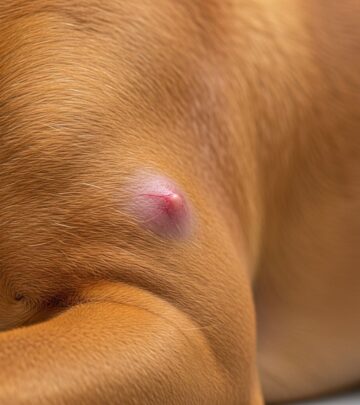
Yeast Dermatitis in Dogs: Causes, Symptoms & Treatment
Complete guide to understanding yeast dermatitis in dogs, from causes to effective treatment options.
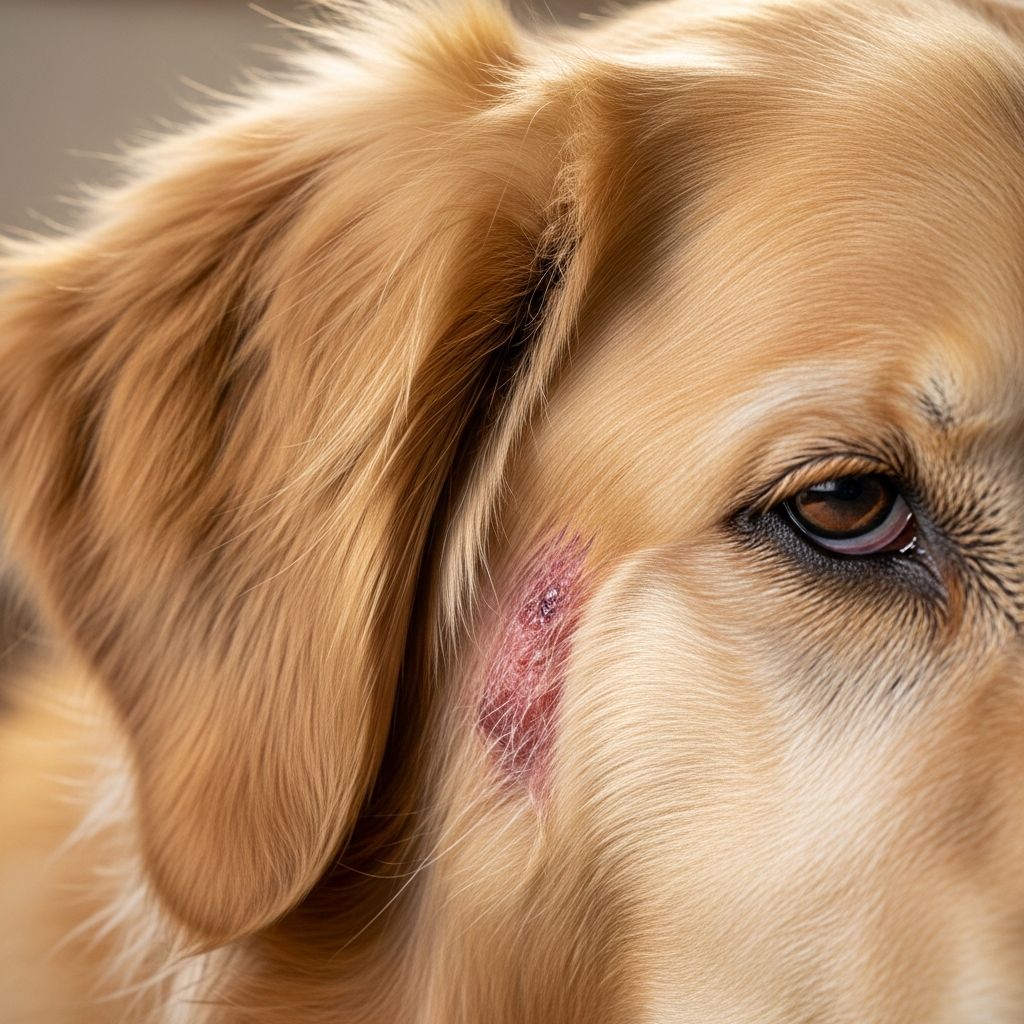
Understanding Yeast Dermatitis in Dogs
Yeast dermatitis, medically known as Malassezia dermatitis, is a common fungal skin condition that affects many dogs. This infection occurs when yeast organisms multiply excessively on your dog’s skin, causing discomfort, irritation, and various visible symptoms. While yeast naturally exists on a dog’s skin in small amounts, certain conditions can cause it to proliferate, leading to a treatable but sometimes persistent infection. Understanding this condition is essential for dog owners to recognize when their pets need veterinary care and how to manage the condition effectively.
What Causes Yeast Dermatitis in Dogs?
Yeast dermatitis develops when the normal balance of microorganisms on your dog’s skin is disrupted. Several underlying factors can contribute to the development of this condition:
Underlying Health Conditions
Dogs with compromised immune systems are particularly susceptible to yeast infections. Conditions such as allergies, whether environmental or food-related, significantly increase the risk of developing yeast dermatitis. Metabolic diseases, including endocrine disorders, can also predispose dogs to fungal infections. Additionally, dogs with chronic otitis externa or other recurring skin conditions may experience secondary yeast infections as a complication.
Environmental Factors
Warm, moist environments provide ideal conditions for yeast growth. Dogs living in humid climates or those with skin folds that trap moisture are at higher risk. Poor grooming practices and infrequent bathing can also contribute to yeast proliferation. Dogs that spend time in water frequently or have ear issues that retain moisture are particularly vulnerable to yeast infections in affected areas.
Nutritional and Immunological Factors
Poor nutrition can weaken your dog’s immune system, making them more susceptible to fungal infections. Dogs with existing parasitic infections or those receiving prolonged antibiotic therapy may experience disrupted skin flora, allowing yeast to overgrow. Stress and other immunosuppressive factors can also play a role in the development of this condition.
Recognizing Symptoms of Yeast Dermatitis
Identifying yeast dermatitis early is crucial for prompt treatment. The symptoms can vary depending on the severity and location of the infection, but common signs include:
Skin-Related Symptoms
- Red, inflamed, and irritated skin
- Intense itching and scratching behavior
- Crusty, flaky, or scaly skin
- Greasy or oily hair coat
- Sores or lesions on the skin
- Dark pigmentation or black spots on affected areas
- Thickened skin with an elephant-like texture
- Patches of hair loss or baldness
- Musty or yeasty odor
Ear-Specific Symptoms
When yeast infections affect the ear canal, dogs may exhibit additional symptoms including head tilting, frequent ear shaking, ear rubbing, brown discharge from the ears, and in severe cases, hearing loss. Some dogs may also experience chronic or recurring ear infections if the underlying yeast condition is not properly managed.
Paw Symptoms
Yeast infections concentrated on the paws and between the toes may present with excessive licking and chewing of the feet, redness and moisture between the paw pads, and brown discoloration of the skin and fur around the affected areas.
How Vets Diagnose Yeast Dermatitis
A proper diagnosis is essential before beginning treatment. Veterinarians employ several diagnostic methods to confirm yeast dermatitis:
Clinical Examination
Your veterinarian will perform a thorough physical examination, observing visible symptoms and taking a detailed history of your dog’s health and any recurring skin issues. They will examine affected areas carefully, looking for characteristic signs of yeast infection.
Diagnostic Tests
The most common diagnostic test is a skin scrape, where the veterinarian uses a blade to gently scrape the skin surface to collect yeast organisms for microscopic examination. Cytology samples may also be taken by tape strips or swabs from affected areas, allowing the veterinarian to identify the presence and type of yeast. In some cases, fungal culture may be recommended, particularly for stubborn or recurring infections.
In-Clinic Testing
Many veterinary clinics can perform in-clinic diagnostic tests, providing quick results that allow for immediate treatment initiation. These rapid diagnostics help confirm the presence of Malassezia and differentiate yeast infections from other skin conditions such as bacterial infections or allergies.
Treatment Options for Yeast Dermatitis
Yeast dermatitis can be effectively managed through various treatment approaches. The specific treatment plan will depend on the severity of the infection, its location, and any underlying health conditions. Most cases respond well to appropriate therapy, though some dogs may experience recurring infections requiring long-term management strategies.
Topical Treatments
Topical therapy is often the first line of treatment for yeast dermatitis due to its effectiveness, relatively low cost, and minimal side effects. These treatments deliver high concentrations of antifungal medication directly to the affected areas.
Medicated Shampoos
An essential step in treating yeast dermatitis is using medicated shampoos containing antifungal agents. Shampoos with benzoyl peroxide or selenium sulfide are particularly effective. The typical protocol involves an initial degreasing cleansing session, followed by a therapeutic bath lasting at least 10 minutes with an antifungal shampoo. This intensive bathing regimen is usually repeated every 3 to 5 days for 2 to 12 weeks, depending on the severity of the infection. Consistency with this bathing schedule is crucial for successfully eradicating the infection.
Leave-In Treatments and Mousse
After initial treatment with medicated shampoos, veterinarians often recommend leave-in conditioners, mousse, or sprays containing antifungal ingredients like ketoconazole or chlorhexidine. These products are applied directly to the skin and left in place, providing continuous antifungal action between baths. Many dogs show improvement within one week of starting these treatments, with full recovery typically achieved after 3 to 4 weeks of consistent application.
Topical Ointments and Creams
For localized infections affecting isolated spots, skin folds, or paw pads, topical ointments or creams may be prescribed for daily application. These concentrated formulations provide targeted treatment to specific problem areas. Medicated wipes are also available for convenient application to affected regions, particularly useful for paw infections.
Oral Antifungal Medications
Oral antifungal medications are recommended for persistent, severe, or chronic cases of yeast dermatitis, particularly when the infection is widespread or concentrated in areas difficult to treat topically, such as nail beds. Common oral medications include ketoconazole, fluconazole, and itraconazole, which are typically prescribed for 21 to 30 days. In some cases, continued oral antifungal medication may be recommended at a reduced “pulse dose” administered a few times weekly for long-term management.
Important considerations for oral medications include the potential for side effects, particularly liver-related issues. Dogs receiving oral antifungals require routine blood tests and close veterinary monitoring throughout treatment to ensure safety. In severe cases with concurrent bacterial infections, oral antifungal medications may be combined with antibiotics, which can require 4 to 12 weeks of therapy.
Combination Therapy
For severe infections, veterinarians often recommend combining topical and oral treatments for maximum effectiveness. This approach addresses the infection from multiple angles and often produces faster and more complete resolution of symptoms. Additionally, treating any underlying health conditions—such as allergies, metabolic disorders, or parasitic infections—is crucial for long-term success and preventing recurrence.
Prognosis and Long-Term Management
Most cases of yeast dermatitis respond well to appropriate treatment, with owners often noticing decreased itching within the first week of starting prescribed therapy. However, the prognosis depends significantly on underlying health factors and the dog’s immune status.
Dogs with well-controlled underlying allergies or other health issues typically experience better outcomes with fewer recurrences. However, some dogs prone to allergies or immune-related issues may experience secondary yeast infections two to three times annually. For these chronic cases, veterinarians can develop customized long-term management plans incorporating regular medicated baths, topical treatments, and periodic oral medications as needed.
Rechecking the skin with cytology after completing treatment is recommended to ensure complete infection resolution before discontinuing medications. This verification helps prevent incomplete treatment and potential recurrence.
Prevention and Home Care
Preventing yeast dermatitis involves maintaining good skin health and managing underlying conditions. Regular grooming, appropriate bathing frequency with quality shampoos, and keeping skin folds clean and dry are important preventative measures. Addressing allergies promptly, maintaining proper nutrition, and managing any parasitic infections help support immune function and reduce yeast infection risk.
For dogs prone to ear yeast infections, regular ear cleaning and proper ear maintenance can help prevent infection development. Keeping the ears dry after bathing and avoiding excessive moisture buildup are particularly important preventative strategies.
Frequently Asked Questions
Q: How long does it take to treat yeast dermatitis in dogs?
A: Treatment duration varies depending on severity, typically ranging from 2 to 12 weeks with topical therapy. Most dogs show improvement within one week, with full recovery generally achieved after 3 to 4 weeks of consistent treatment. Oral medications are usually prescribed for 21 to 30 days.
Q: Can yeast dermatitis in dogs be completely cured?
A: Yes, yeast dermatitis can be treated successfully. However, dogs with underlying allergies or immune issues may experience recurring infections. These dogs benefit from customized management plans rather than permanent cures.
Q: Is yeast dermatitis contagious to other dogs or humans?
A: While Malassezia yeast naturally exists on skin, severe infections are unlikely to spread to other pets or humans. However, maintaining good hygiene practices is always recommended.
Q: What are the side effects of oral antifungal medications?
A: Oral antifungals can potentially affect liver function. This is why routine blood tests and veterinary monitoring are essential during treatment. Your veterinarian will discuss specific risks and benefits with you.
Q: Can I treat yeast dermatitis at home without veterinary care?
A: Proper diagnosis by a veterinarian is crucial, as symptoms can resemble other skin conditions. Self-treatment without diagnosis may delay appropriate care and allow the infection to worsen.
Q: How often should I bathe my dog during yeast dermatitis treatment?
A: Medicated baths are typically recommended every 3 to 5 days initially, following an initial intensive bathing protocol. Your veterinarian will provide specific bathing instructions based on your dog’s condition.
Q: What should I do if my dog’s yeast dermatitis keeps coming back?
A: Recurring infections warrant investigation into underlying causes such as allergies or immune issues. Your veterinarian can develop a long-term management strategy tailored to your dog’s specific needs.
References
- Fungal Dermatitis in Dogs: Signs, Symptoms & Treatments — Greensboro NC Veterinary. 2020-08-11. https://www.greensboroncvet.com/site/friendly-animal-clinic-blog/2020/08/11/fungal-dermatitis-dogs-signs-symptoms-treatments
- Yeast Dermatitis (Malassezia) in Dogs: Signs, Symptoms, and Treatment — American Kennel Club. Accessed 2024. https://www.akc.org/expert-advice/health/yeast-dermatitis-in-dogs/
- Yeast Infection in Dog Ears, Skin, and Paws — PetMD. Accessed 2024. https://www.petmd.com/dog/conditions/skin/yeast-infections-dogs
- Malassezia (Yeast Dermatitis) in Dogs and Cats — BluePearl Veterinary Partners. Accessed 2024. https://bluepearlvet.com/medical-articles-for-pet-owners/yeast-malassezia-dermatitis/
- Understanding Yeast Dermatitis in Dogs — Memphis Veterinary Specialists. 2024-04-15. https://www.memphisveterinaryspecialists.com/site/blog-cordova/2024/04/15/yeast-dermatitis-dogs
- Yeast Dermatitis in Dogs: Signs and Treatment — Miller Clark Animal Hospital. 2022-03-18. https://www.millerclarkanimalhospital.com/site/blog/2022/03/18/yeast-dermatitis-dogs
- How to Spot and Treat Yeast Infections in Dogs — Vets for Pets. Accessed 2024. https://www.vets4pets.com/pet-health-advice/dog-advice/yeast-infections-in-dogs/
Similar Articles







Read full bio of medha deb