

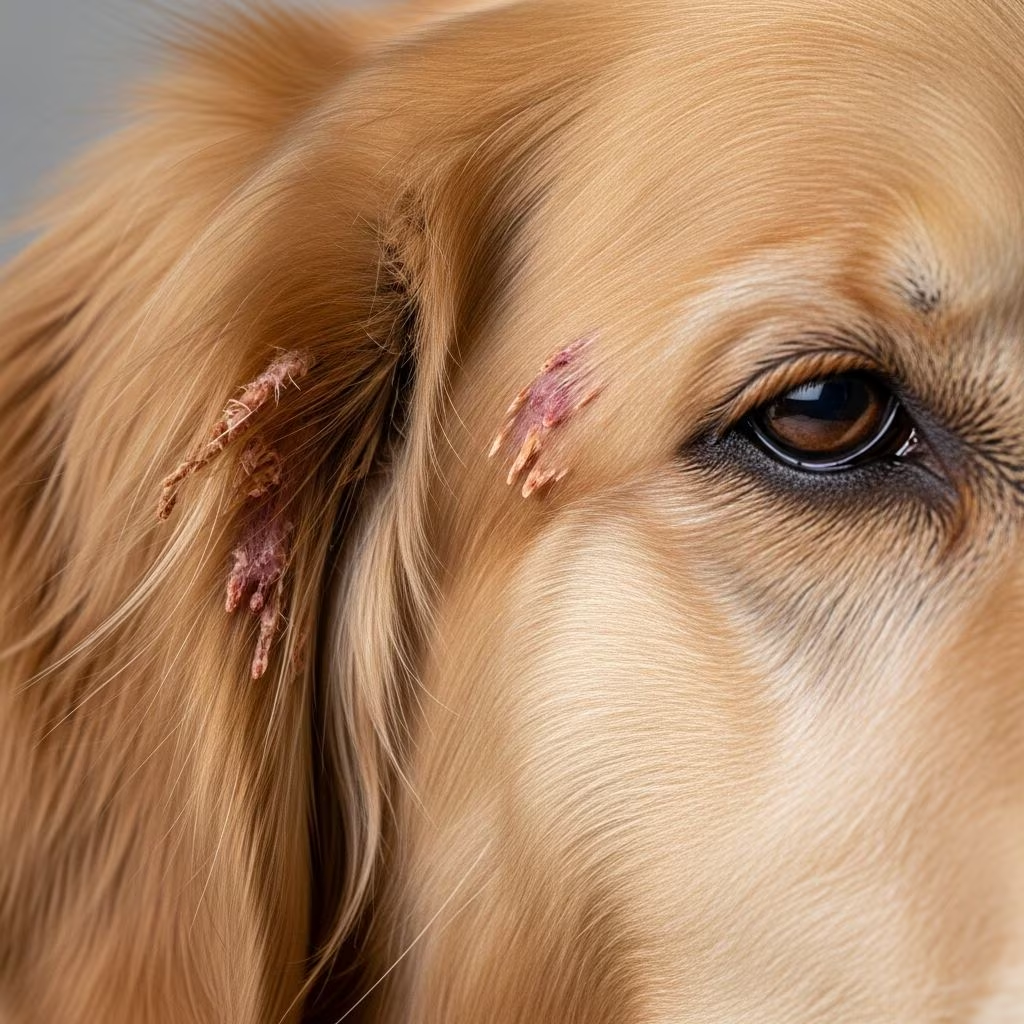
Yeast Dermatitis in Dogs: A Comprehensive Guide to Recognition and Treatment
Yeast dermatitis, medically known as Malassezia dermatitis, is a common fungal skin condition affecting dogs of all ages and breeds. This chronic or recurrent infection occurs when yeast organisms overgrow on the dog’s skin, leading to significant discomfort and various dermatological complications. Understanding the signs, causes, and treatment options can help dog owners better manage this condition and improve their pet’s quality of life.
What Is Yeast Dermatitis?
Yeast dermatitis is a skin infection caused by an overgrowth of Malassezia, a naturally occurring fungus found on the skin and ears of dogs. While small amounts of this yeast are normal and typically harmless, certain conditions can trigger excessive proliferation, resulting in infection. This condition is particularly prevalent in dogs with predisposing factors such as allergies, hormonal imbalances, or weakened immune systems. The infection can occur on various parts of the body, including the skin, paws, and ears.
Clinical Signs and Symptoms
Recognizing the clinical signs of yeast dermatitis is essential for early intervention and treatment. The symptoms can vary depending on the severity and location of the infection, but several characteristic signs typically appear:
Common Symptoms
- Itching and redness of affected areas
- Musty or yeasty odor emanating from the skin
- Scales and crusty, flaky skin
- Thickened skin with an appearance resembling elephant skin (acanthosis nigricans)
- Hyperpigmentation, characterized by darkly pigmented or discolored skin
- Chronic or recurrent ear infections and otitis externa
- Hair loss and bald patches in affected regions
- Sores or lesions on the skin surface
- Head tilting and ear shaking (indicating ear involvement)
Dogs suffering from yeast dermatitis often experience significant discomfort and may engage in excessive licking, scratching, and chewing at affected areas. This behavior can lead to secondary bacterial infections and further complications if left untreated.
Diagnostic Procedures
Accurate diagnosis is crucial for effective treatment. Veterinarians employ several diagnostic methods to confirm yeast dermatitis and rule out other skin conditions.
Skin Scraping
One common diagnostic technique involves performing a skin scrape, where the veterinarian gently scrapes the affected skin area with a blade to collect yeast organisms and cellular material. This sample is then examined under a microscope to identify the presence of Malassezia organisms and assess the severity of the infection.
Cytology Examination
Cytology is another essential diagnostic tool that involves taking a sample from the affected area and examining it microscopically. This procedure helps confirm the diagnosis and provides valuable information about the type and quantity of organisms present.
Treatment Options
Treating yeast dermatitis typically involves a multi-faceted approach combining various therapeutic modalities. Most dogs with advanced or chronic yeast dermatitis require a combination of oral and topical treatments to achieve optimal results.
Topical Treatment
Topical treatment forms the cornerstone of yeast dermatitis management. This approach offers several advantages, including higher concentration of antifungal agents directly at the infection site, fewer side effects, and lower costs compared to oral medications.
Medicated Shampoos
An essential step in treating yeast dermatitis involves using medicated shampoos containing specific antifungal agents. Dogs with greasy or oily skin typically require an initial “degreasing” cleansing session with a shampoo containing selenium sulfide or benzoyl peroxide. After this preliminary washing, bathing with an anti-fungal shampoo containing chlorhexidine, miconazole, or ketoconazole is recommended. The initial bathing session should last at least 10 minutes to allow adequate contact time between the medication and affected skin areas.
Effective topical treatment typically requires bathing every 3 to 5 days for 2 to 12 weeks to completely eradicate the infection. Some dogs may show improvement within one week of starting treatment, though complete recovery generally takes 3 to 4 weeks of consistent application.
Localized Treatments
If the yeast infection is localized to specific areas such as the ears or isolated skin spots, veterinarians may recommend topical ointments or antiseptic cleansers for daily application. These targeted treatments can be more convenient for owners managing localized infections.
Oral Antifungal Medications
For more severe, chronic, or persistent cases of yeast dermatitis, oral or systemic antifungal medications become necessary. These medications are particularly useful when the yeast is concentrated in difficult-to-treat areas such as nail beds or is widespread across the body.
Common Oral Antifungal Medications
Veterinarians frequently prescribe several oral antifungal medications, including:
- Ketoconazole
- Fluconazole
- Itraconazole
- Terbinafine
These medications typically require administration for 21 to 30 days, and rechecking the skin with cytology after treatment is always recommended to ensure complete infection resolution before discontinuing medications. While highly effective, oral antifungal medications can have potential side effects affecting liver function, so routine blood tests and close veterinary monitoring are essential during treatment.
Management of Secondary Infections
Many dogs with yeast dermatitis also develop secondary bacterial skin infections (pyoderma) that require concurrent treatment. Antibiotics are typically prescribed for 4 to 12 weeks to address these bacterial complications, often used alongside antifungal therapy.
Anti-Inflammatory Medications
To address the inflammation and intense itching while antifungal therapy takes effect, veterinarians may prescribe anti-inflammatory medications such as corticosteroids (prednisone), cyclosporine (Atopica), Apoquel, or Cytopoint. These medications provide symptomatic relief and help prevent further self-trauma from excessive scratching.
Immunotherapy
Dogs with yeast hypersensitivity often benefit significantly from immunotherapy, a treatment designed to reprogram the immune system so it no longer overreacts to naturally occurring yeast. This innovative approach can be administered through injections under the skin or oral administration, offering long-term disease management for prone individuals.
Treatment Duration and Recovery
The timeline for recovery from yeast dermatitis varies depending on the severity of infection and the individual dog’s response to treatment. Most dogs experience reduced itching within the first week of starting prescribed treatment. However, complete eradication of the infection typically requires several weeks of consistent therapy, with most cases requiring at least 3 to 4 weeks of continuous treatment.
Long-Term Management and Prognosis
The prognosis for yeast dermatitis depends largely on identifying and managing underlying predisposing factors. Dogs with compromised immune systems, allergies, or other chronic conditions may experience recurrent infections, with some dogs developing secondary yeast or bacterial infections two to three times annually.
For these recurrent cases, veterinarians can develop customized treatment plans tailored to the individual dog’s needs. This might include ongoing topical maintenance therapy, periodic oral antifungal treatments, dietary modifications, and environmental management strategies to minimize triggers and reduce infection frequency.
Frequently Asked Questions About Yeast Dermatitis in Dogs
Q: How long does it take to treat yeast dermatitis in dogs?
A: Treatment duration varies, but most dogs require 3 to 12 weeks of consistent therapy. Topical treatments are typically applied every 3 to 5 days for 2 to 12 weeks, while oral medications are usually prescribed for 21 to 30 days. Many dogs show reduced itching within one week, though complete resolution takes longer.
Q: Can yeast dermatitis in dogs be cured permanently?
A: While yeast dermatitis can be treated and controlled effectively, permanent cure depends on underlying factors. Dogs with predisposing conditions like allergies or immune issues may experience recurrent infections. However, with proper management and addressing underlying causes, the frequency and severity of infections can be significantly reduced.
Q: What causes yeast dermatitis in dogs?
A: Yeast dermatitis develops when Malassezia organisms overgrow on the skin. Contributing factors include allergies, hormonal imbalances, poor hygiene, weak immune systems, and ear infections. Any condition that compromises skin integrity or immune function can increase susceptibility.
Q: Are topical treatments effective for yeast dermatitis?
A: Yes, topical treatments are highly effective and form the cornerstone of yeast dermatitis management. They offer advantages including higher antifungal concentration at the infection site, fewer side effects, and lower costs. However, severe or widespread infections often require combination topical and oral therapy.
Q: What should I do if my dog develops hearing loss from yeast infection?
A: In severe ear infections causing hearing loss, aggressive treatment with oral and topical antifungals is necessary. In rare cases where medical treatment fails to resolve chronic ear canal infections causing deafness, total ear canal ablation surgery may be considered as a last resort.
Q: Can I use home remedies to treat yeast dermatitis?
A: While some supportive care measures may help, yeast dermatitis requires professional veterinary diagnosis and treatment with prescription antifungal medications. Always consult your veterinarian before attempting home remedies, as improper treatment can allow the infection to worsen.
When to Seek Veterinary Care
Dog owners should contact their veterinarian if they notice persistent itching, musty odors, skin discoloration, or chronic ear problems in their pets. Early intervention significantly improves treatment outcomes and prevents the development of severe complications. Additionally, dogs requiring oral antifungal medications need regular veterinary monitoring through blood tests to ensure treatment safety.
References
- Fungal Dermatitis in Dogs: Signs, Symptoms & Treatments — Greensboro Veterinary Clinic. 2020-08-11. https://www.greensboroncvet.com/site/friendly-animal-clinic-blog/2020/08/11/fungal-dermatitis-dogs-signs-symptoms-treatments
- Yeast Dermatitis in Dogs — VCA Animal Hospitals. https://vcahospitals.com/know-your-pet/yeast-dermatitis-in-dogs
- Yeast Dermatitis (Malassezia) in Dogs: Signs, Symptoms, and Treatments — American Kennel Club. https://www.akc.org/expert-advice/health/yeast-dermatitis-in-dogs/
- Malassezia (Yeast Dermatitis) in Dogs and Cats — BluePearl Veterinary Partners. https://bluepearlvet.com/medical-articles-for-pet-owners/yeast-malassezia-dermatitis/
- Understanding Yeast Dermatitis in Dogs — Memphis Veterinary Specialists. 2024-04-15. https://www.memphisveterinaryspecialists.com/site/blog-cordova/2024/04/15/yeast-dermatitis-dogs



