

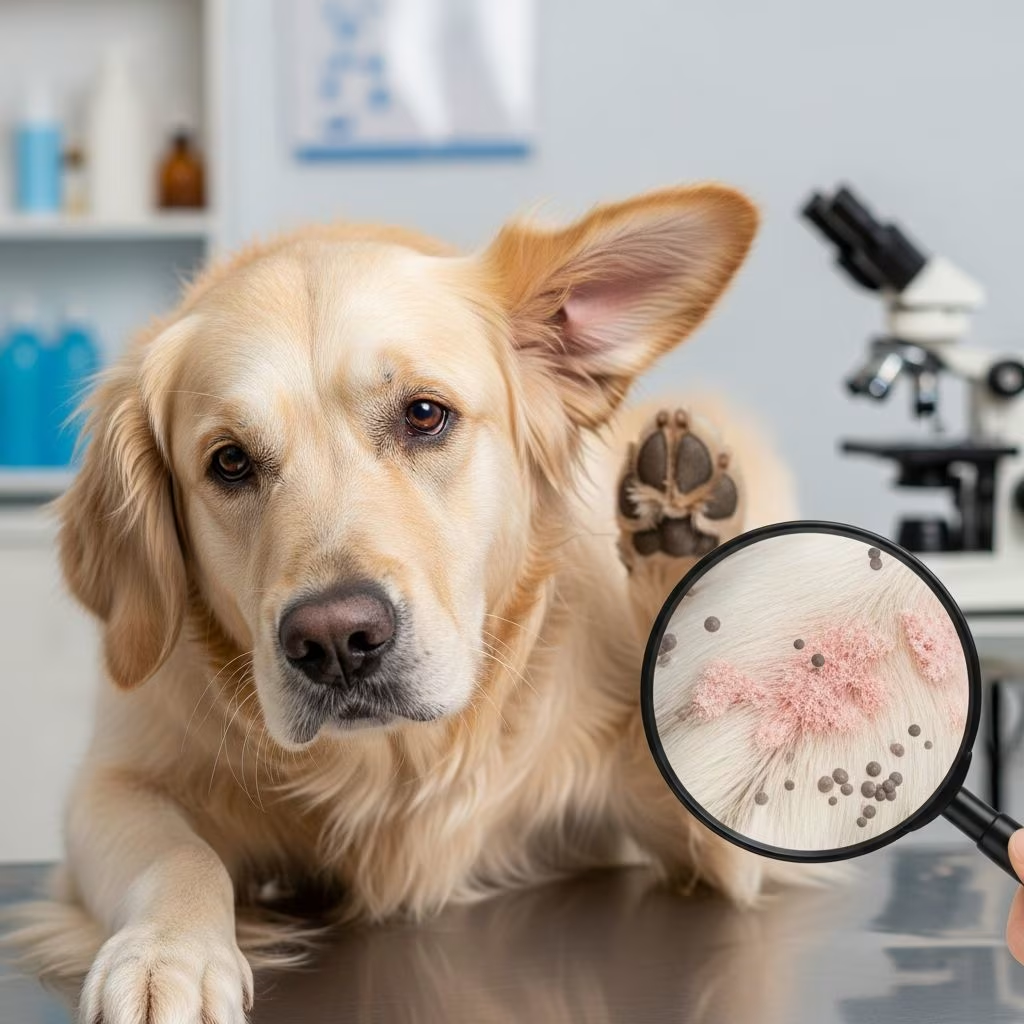
Yeast allergies in dogs represent a frequent yet often overlooked skin condition where an overgrowth of naturally occurring yeast triggers immune responses, leading to discomfort and visible symptoms. These issues primarily involve Malassezia or Candida species, which thrive in warm, moist environments on a dog’s body.
Understanding Yeast Overgrowth in Canine Skin
Yeast organisms are part of a dog’s normal skin flora, maintaining balance under healthy conditions. However, when factors disrupt this equilibrium, yeast proliferates excessively, provoking allergic reactions. This overgrowth, known as yeast dermatitis, often stems from underlying allergies—either environmental or food-related—that compromise the skin barrier.
Dogs with compromised immunity, such as those on prolonged antibiotics or suffering from endocrine disorders like hypothyroidism, face heightened risks. High-carbohydrate diets further fuel yeast by providing ideal nourishment, exacerbating the cycle of irritation and infection.
Common Manifestations of Yeast Allergies
Recognizing yeast allergies early can prevent escalation. Owners frequently notice a progression from mild irritation to pronounced symptoms across various body areas.
- Persistent Itching and Scratching: Dogs incessantly lick, chew, or scratch affected zones, particularly paws, ears, and underbelly, worsening inflammation.
- Foul, Musty Odor: A distinctive yeasty or greasy smell emanates from skin folds, ears, or coat, signaling overgrowth.
- Skin Discoloration and Texture Changes: Areas turn reddish-brown, thicken (resembling elephant skin), or develop flaky, crusty patches.[10]
- Hair Loss and Greasy Coat: Alopecia appears in bald spots, accompanied by oily fur that mats easily.
- Ear Involvement: Recurrent infections cause head shaking, discharge, and potential hearing loss if untreated.
Paw-specific signs include swelling between toes, constant licking leading to reddish staining, and heightened sensitivity, especially in humid climates.
Primary Causes Behind Yeast Proliferation
Multiple triggers converge to promote yeast allergies, often interacting in complex ways.
| Cause Category | Description | Examples |
|---|---|---|
| Allergies | Immune overreactions damage skin, allowing yeast entry | Pollen, dust mites, food proteins |
| Environmental Factors | Moisture and warmth create breeding grounds | Swimming, high humidity, skin folds |
| Dietary Influences | Sugars and starches feed yeast | High-carb kibble, treats with grains |
| Health Conditions | Weakened defenses enable overgrowth | Diabetes, hypothyroidism, long-term steroids |
| Hygiene Issues | Poor cleaning traps moisture and debris | Infrequent paw drying, ear wax buildup |
Allergies top the list, with dogs genetically predisposed to atopy experiencing frequent flares. Seasonal humidity spikes or frequent baths without proper drying compound these risks.
Diagnostic Approaches for Accurate Identification
Veterinarians employ targeted methods to differentiate yeast allergies from bacterial infections or pure allergies. A thorough history review precedes physical exams focusing on odor, skin scrapings, and cytology—microscopic slides revealing yeast numbers.
Culture tests confirm yeast types like Malassezia pachydermatis, while allergy panels or elimination diets pinpoint triggers. For ear cases, otoscopic exams and deep swabs guide therapy, ruling out foreign bodies or mites.
Comprehensive Treatment Strategies
Addressing yeast allergies demands a multifaceted plan tackling overgrowth, symptoms, and root causes. Topical therapies form the foundation for most cases.
- Medicated Shampoos and Wipes: Antifungal agents like ketoconazole or chlorhexidine reduce yeast loads during weekly baths.
- Topical Sprays and Creams: Applied to paws and folds, these deliver miconazole or terbinafine directly.
- Oral Antifungals: For chronic issues, fluconazole or itraconazole courses last 4-12 weeks, often paired with antibiotics for secondary pyoderma.
- Anti-Itch Medications: Apoquel, Cytopoint, or short-term steroids ease discomfort while antifungals work.
Immunotherapy offers long-term relief for allergy-driven cases, reprogramming immune responses via injections or drops. Dietary shifts to low-carb, hypoallergenic formulas starve yeast, with probiotics aiding gut recovery.
During die-off phases, temporary worsening—like increased discharge or lethargy—signals toxin release, typically resolving in days.
Preventive Measures for Long-Term Management
Proactive steps minimize recurrence, emphasizing lifestyle adjustments.
- Dry paws and ears meticulously post-swim or bath.
- Opt for grain-free, low-sugar diets rich in quality proteins.
- Maintain routine grooming with antifungal wipes weekly.
- Address allergies via hypoallergenic bedding and air purifiers.
- Monitor for early signs during humid seasons.
Regular vet check-ups ensure prompt intervention, potentially averting surgery for severe ear cases.
When to Seek Veterinary Care Urgently
Escalation warrants immediate attention: profound lethargy, balance loss, fever, or non-responsive infections signal systemic involvement. Prompt care prevents complications like chronic thickening or sepsis.
Frequently Asked Questions (FAQs)
Can yeast allergies resolve without treatment?
Rarely; untreated overgrowth perpetuates cycles, risking secondary issues. Veterinary intervention is essential.
Are home remedies effective for dog yeast infections?
Limited; vinegar rinses or coconut oil may soothe mildly but lack potency against heavy loads. Consult vets first.
How long do treatments take to show results?
Visible improvements emerge in 1-2 weeks, full resolution in 4-8 weeks depending on severity.
Do all itchy dogs have yeast allergies?
No; fleas, mange, or dry skin mimic symptoms. Diagnosis confirms yeast via cytology.
Is diet change alone sufficient?
Not typically; combine with antifungals for comprehensive control, especially in allergy cases.
Holistic Support and Future Outlook
Integrating omega-3 supplements bolsters skin barriers, while stress reduction via exercise curbs immune flares. Emerging therapies like targeted probiotics promise enhanced prevention.
With diligent management, most dogs achieve comfortable lives, free from recurrent torment. Owners play pivotal roles through vigilance and adherence to protocols.
References
- Yeast Dermatitis in Dogs — VCA Animal Hospitals. 2023. https://vcahospitals.com/know-your-pet/yeast-dermatitis-in-dogs
- Allergies or Yeast? How To Tell the Difference — Grand Dog. 2024. https://granddog.ca/blogs/news/allergies-or-yeast-how-to-tell-the-difference
- Yeast Dermatitis in Dogs: Signs and Treatment — Germantown Animal Hospital. 2022-03-15. https://www.germantownah.com/site/blog-memphis-vet/2022/03/15/yeast-dog-dermatitis
- Dog Paw Yeast Infection: Symptoms and Treatment — Comal Pet Hospital. 2024. https://comalpethospital.com/blog/dog-yeast-infection-paw/
- Yeast Infection due to Allergies in Dogs — WagWalking. 2023. https://wagwalking.com/condition/yeast-infection-due-to-allergies
- Yeast Dermatitis (Malassezia) in Dogs — American Kennel Club. 2024. https://www.akc.org/expert-advice/health/yeast-dermatitis-in-dogs/
- Yeast Infections in Dogs — Small Door Veterinary. 2024. https://www.smalldoorvet.com/learning-center/medical/yeast-infections-in-dogs



