

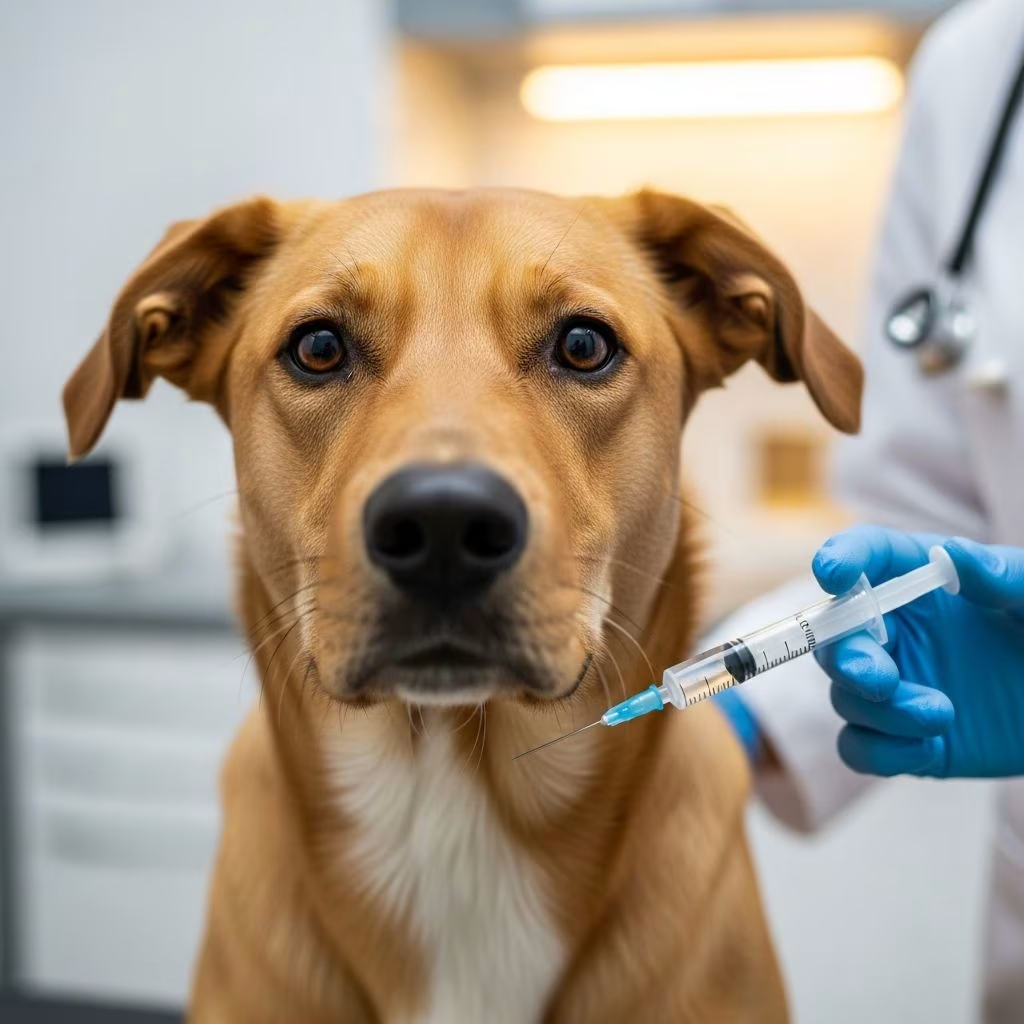
Dog vaccinations are a cornerstone of preventive healthcare in the UK, protecting pets from serious, potentially fatal diseases. While puppies require an initial course, the question arises: are yearly boosters truly essential for adult dogs, or has the schedule evolved? This article examines UK guidelines, vaccine durations, risks, and tailored recommendations to help owners make informed decisions.
Why Vaccinate Your Dog?
Vaccinations stimulate the immune system to produce antibodies against specific pathogens, preventing or reducing the severity of diseases like parvovirus, distemper, and leptospirosis. In the UK, core vaccines target highly contagious threats that persist in the environment or wildlife reservoirs. Regular boosters maintain immunity as antibody levels wane over time.
Beyond individual protection, vaccinations curb community spread in parks, kennels, and doggy daycares. Leptospirosis, for instance, is zoonotic—transmissible to humans via contaminated water or urine—making annual protection critical for public health.
Puppy Vaccination Schedule in the UK
Puppies have developing immune systems, making them vulnerable from birth. Maternal antibodies from colostrum provide temporary protection, but they decline by 6-8 weeks, necessitating early vaccination.
- First vaccine: At 8 weeks, covering distemper (CDV), hepatitis (CAV), and parvovirus (CPV)—known as the DHP vaccine.
- Second dose: 2-4 weeks later (10-12 weeks), often including leptospirosis (L) for DHP-L combo.
- First booster: At 12-16 months, confirming full immunity.
Many vets administer two puppy injections at 8 and 10 weeks for robust coverage. Optional vaccines like kennel cough (bordetella) may start here for social pups.
Adult Dog Booster Schedules: What’s Required?
Contrary to common belief, not all vaccines need annual administration. UK-authorised vaccines follow evidence-based intervals aligned with WSAVA guidelines.
| Vaccine | Diseases Protected | Frequency | Notes |
|---|---|---|---|
| DHP | Distemper, Hepatitis, Parvovirus | Every 3 years | Core protection; duration of immunity at least 3 years. |
| Leptospirosis (L) | Leptospira bacteria | Every 1 year | Zoonotic; short immunity due to wildlife exposure. |
| Kennel Cough | Bordetella, parainfluenza | Every 1 year | For social dogs; not always core. |
| Rabies | Rabies virus | Every 3 years (UK) | Required for travel; vet-administered only. |
Annual vet visits remain essential for health checks and any due boosters, even if not every vaccine is given yearly. This ‘tailored approach’ considers lifestyle, location, and risk factors.
Core Vaccines Explained
Distemper, Hepatitis, Parvovirus (DHP)
Canine Distemper: A viral disease spread via respiratory secretions, causing fever, coughing, seizures, and often death. Highly contagious in unvaccinated populations.
Canine Hepatitis: Attacks liver and kidneys via urine/faeces; symptoms include fever, abdominal pain. Rare now due to vaccination but fatal in pups.
Parvovirus: Brutal gastrointestinal virus from faeces; causes bloody diarrhoea, vomiting, dehydration. Mortality up to 90% in untreated puppies. Environmentally stable for months.
Immunity post-booster lasts 3+ years, per VMD and WSAVA.
Leptospirosis
Bacterial infection from rat urine in stagnant water. Causes kidney/liver failure, jaundice. Annual boosters essential as immunity fades quickly; endemic in UK.
Kennel Cough (Optional)
Highly contagious respiratory complex; causes hacking cough. Annual for boarded/social dogs, though recovery is usually quick.
Are Yearly Vaccinations Overkill? The Evidence
Studies show core DHP immunity persists 3-7 years or longer, challenging blanket annual protocols. However, leptospirosis requires yearly due to risk. Vets recommend titre testing (blood antibody checks) for low-risk dogs to avoid unnecessary boosters, though not routine in UK practices.
Annual visits provide holistic benefits: full examinations detect issues like dental disease, obesity, or lumps early. Many insurance policies and kennels mandate up-to-date vaccines.
Risks and Side Effects of Dog Vaccines
Vaccines are overwhelmingly safe, with serious reactions rare (1 in 10,000). Mild effects include lethargy or swelling at injection site for 24-48 hours.
- Allergic reactions: Facial swelling, hives, vomiting—seek immediate vet care.
- Rare severe: Anaphylaxis (breathing issues).
- Long-term concerns: No proven link to chronic diseases in peer-reviewed data; benefits far outweigh risks.
Monitor post-vaccination; report to vet. Over-vaccination risks are minimal compared to disease threats.
Tailoring Vaccinations to Your Dog’s Lifestyle
Not one-size-fits-all. Consider:
- Urban vs rural: Higher lepto risk near waterways.
- Social dogs: Kennel cough priority.
- Seniors/travel: Custom boosters + rabies.
- Titre testing: For DHP in low-risk pets.
Consult your vet for a risk assessment. Even non-social dogs face environmental threats like parvo.
What Happens If You Skip Boosters?
Unvaccinated dogs risk fatal illness; outbreaks occur in under-vaccinated areas. Boarding/insurance denials common. Zoonotics endanger families. Revaccination is always possible—no ‘too late’.
Cost of Dog Vaccinations in the UK
Expect £40-£60 per annual visit (booster + exam). Puppies: £80-£120 course. Multi-pet discounts available. Preventive care saves thousands vs treatment.
Frequently Asked Questions (FAQs)
Are yearly dog vaccinations necessary in the UK?
Not all components yearly—DHP every 3 years, lepto/kennel cough annually. Annual health checks required.
Do adult dogs need vaccines every year?
Yes for check-ups; boosters tailored. Leptospirosis mandates annual.
What injections does a puppy need?
DHP at 8/10 weeks, lepto optional. Booster at 1 year.
Is it too late to vaccinate an older dog?
No—start anytime after vet assessment.
Are dog vaccines safe?
Yes, side effects rare and mild.
Can I titre test instead of vaccinating?
Possible for DHP; discuss with vet.
Final Thoughts: Protect Responsibly
Yearly vet visits with tailored boosters balance protection and science. Partner with your vet for your dog’s optimal health plan—prevention trumps cure every time.
References
- Vaccinations For Dogs — AAS Vets. 2023. https://www.aasvets.co.uk/pet-advice/dogs/7-vaccinations-for-dogs
- Annual Dog Vaccines — Spinney Vets (Northampton Vets). 2024. https://www.northampton-vets.co.uk/annual-dog-vaccines
- Dog Yearly Vaccines — Blythwood Vets. 2023. https://www.blythwood.com/dog-yearly-vaccines
- What Vaccinations do Dogs Need? — Medivet Group. 2025-01-10. https://www.medivetgroup.com/vet-practice-services/vaccinations/dog-vaccinations/
- VMD Position on Vaccines for Dogs — GOV.UK (Veterinary Medicines Directorate). 2022. https://www.gov.uk/government/publications/vaccination-of-dogs/vmd-position-on-vaccines-for-dogs
- Dog Vaccinations — Beehive Vets. 2024. https://beehivevets.co.uk/dog-vaccinations/



