

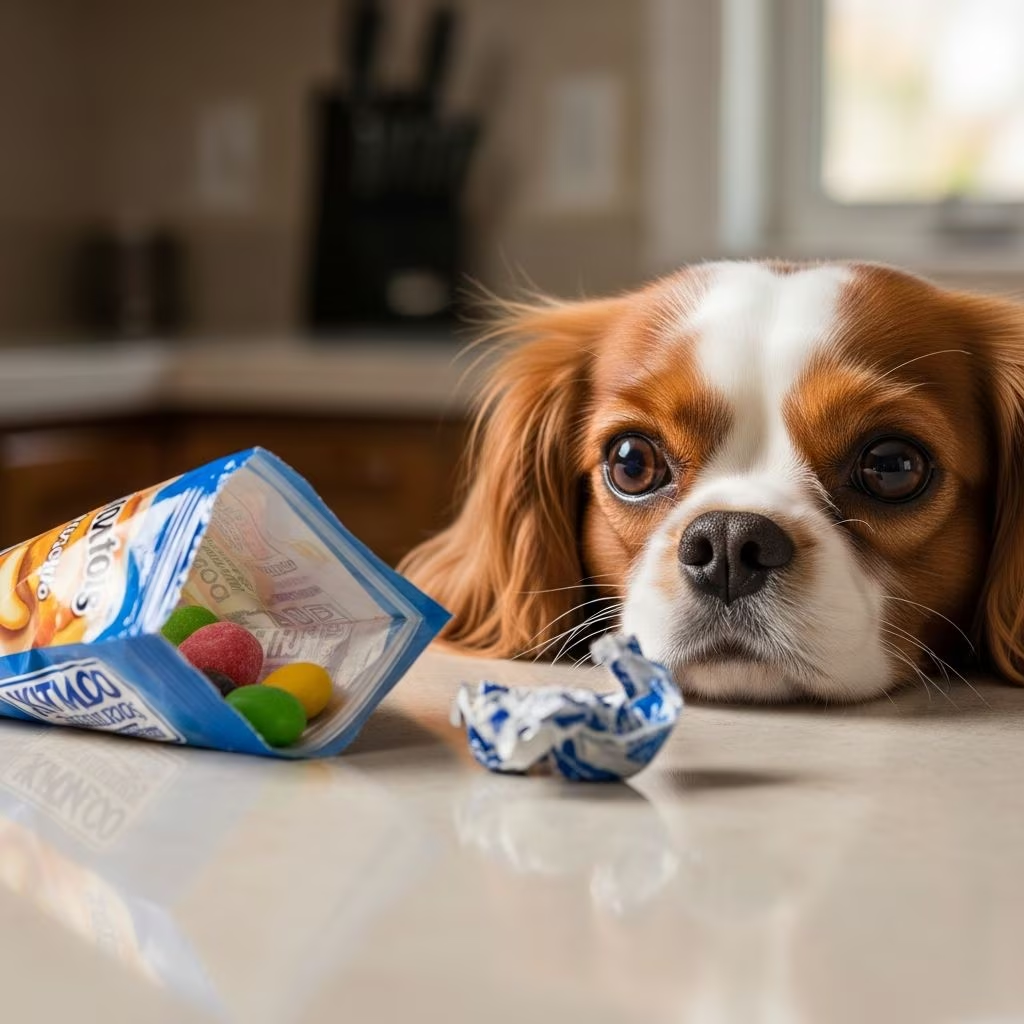
Xylitol, a popular sugar alcohol used as a sweetener in sugar-free products, is safe for humans but poses a severe and potentially fatal threat to dogs. When ingested by dogs, xylitol triggers a massive insulin release, causing profound hypoglycemia (low blood sugar) that can lead to seizures, coma, and death if untreated. Higher doses also risk acute liver failure. This toxicity affects thousands of dogs annually, with even tiny amounts—like a single piece of gum—dangerous for small breeds.
What Is Xylitol?
Xylitol is a naturally occurring sugar alcohol found in small amounts in fruits and vegetables, but commercial forms are synthetically produced for use in human products. It has 40% fewer calories than sugar and doesn’t promote tooth decay, making it ideal for gum, candies, baked goods, oral care products, and pharmaceuticals.
For humans, xylitol is metabolized slowly without significantly affecting insulin levels. However, dogs lack the enzymes to process it properly, leading to rapid absorption into the bloodstream and a potent insulin surge—up to 3-7 times normal levels. This dramatic drop in blood glucose occurs within 10-60 minutes of ingestion.
Why Is Xylitol Toxic to Dogs?
The mechanism of xylitol toxicity in dogs is straightforward yet devastating. Upon ingestion, xylitol is quickly absorbed from the gastrointestinal tract directly into the bloodstream. Unlike in humans, where it has minimal impact on insulin, in dogs it acts as a super-stimulant for pancreatic beta cells, causing explosive insulin release.
- Hypoglycemia phase: Insulin drives glucose into cells, plummeting blood sugar levels. Symptoms appear 30-60 minutes post-ingestion.
- Hepatotoxic phase: At higher doses, xylitol directly damages hepatocytes (liver cells), leading to elevated liver enzymes, failure, and coagulopathy 8-72 hours later.
Dogs metabolize xylitol differently due to species-specific enzyme deficiencies, explaining why cats and ferrets are less affected—cats dislike sweets, and ferrets show milder responses. Research from Michigan State University examined 192 cases, finding 63% required hospitalization and 15% developed hypoglycemia, but all survived with prompt care.
Sources of Xylitol
Xylitol hides in plain sight in everyday household items. Common sources include:
- Sugar-free chewing gum: Brands like Orbit, Trident, Ice Breakers (up to 1-2g per piece).
- Candies and mints: Sugar-free breath mints, hard candies.
- Baked goods and peanut butter: Low-sugar cookies, certain brands like Goobers or Hank’s.
- Oral care products: Toothpastes (e.g., some with 25-35% xylitol), mouthwashes, dental chews.
- Pharmaceuticals: Liquid medications, vitamins, throat sprays.
- Other: Nut butters, baked goods, skin care lotions (if licked), nicotine gums.
Product labels may list ‘xylitol’ or ‘birch sugar.’ Amounts vary widely—a 2g piece of gum could deliver a toxic dose to a 10lb dog. The FDA notes reports from gum packs, ‘skinny’ ice cream, and more.
Symptoms of Xylitol Poisoning
Clinical signs divide into hypoglycemia (early) and liver failure (later). Act immediately—symptoms can escalate rapidly.
Hypoglycemia Symptoms (10-60 minutes):
- Vomiting or retching
- Weakness, lethargy, ataxia (drunken gait)
- Depression, collapse
- Hypothermia, pale gums
- Seizures, tremors, coma
Liver Toxicity Symptoms (12-72 hours):
- Jaundice (yellow gums/eyes)
- Black/tarry stools (melena)
- Increased thirst/urination
- Bruising, petechiae
- DIC (disseminated intravascular coagulation)
In a PubMed-reviewed study, dogs ingesting >0.1g/kg risked hypoglycemia; >0.5g/kg faced liver failure. Cornell reports even small amounts cause severe effects.
Xylitol Dosage Chart for Dogs
Use body weight and estimated xylitol ingested to assess risk. Calculations: Dog weight (kg) x dose threshold.
| Dog Weight | Hypoglycemia Risk (>0.1g/kg) | Liver Failure Risk (>0.5g/kg) |
|---|---|---|
| 5 lbs (2.3 kg) | >0.23g (1 stick gum) | >1.15g (4-5 sticks) |
| 10 lbs (4.5 kg) | >0.45g (2 sticks) | >2.25g (8-10 sticks) |
| 20 lbs (9 kg) | >0.9g (3-4 sticks) | >4.5g (pack of gum) |
| 50 lbs (23 kg) | >2.3g (pack) | >11.5g (multiple packs) |
Note: Gum xylitol content varies 0.2-2g/piece. Always err on caution.
What to Do If Your Dog Eats Xylitol
Time is critical—hypoglycemia can onset in 30 minutes.
- Call poison control IMMEDIATELY: ASPCA (888-426-4435), Pet Poison Helpline (855-764-7661). Fees apply but save lives.
- Contact your vet/emergency clinic. Provide weight, product, amount, time ingested.
- Do NOT induce vomiting at home—xylitol absorbs fast; risk aspiration/seizures.
- Monitor closely: Watch for symptoms en route.
Vets use dose calculations to guide action.
Treatment for Xylitol Toxicity
Treatment is supportive and dose-dependent.
- Decontamination: Apomorphine or gastric lavage to induce vomiting if <30 min and stable.
- Hypoglycemia management: IV dextrose bolus, then CRI (constant rate infusion) for 12-24 hours. Monitor glucose q1-2h.
- Liver support: IV fluids, hepatoprotectants (SAMe, silymarin), monitor ALT/AST, bile acids, coagulation (24-72h).
- Monitoring: ECG, bloodwork, hospitalization 24-48h.
MSU study: 122/192 dogs hospitalized; all survived without liver failure. Prognosis excellent for hypoglycemia; guarded for severe hepatotoxicity.
Prevention Tips
- Store all xylitol products out of reach—purses, counters, trash.
- Choose xylitol-FREE gum, toothpaste (use enzymatic for dogs).
- Educate family: No sharing ‘people food.’
- Check labels: Avoid ‘sugar alcohol,’ xylitol.
- Small dogs at highest risk—secure tightly.
- Post poison hotline numbers visibly.
ASPCA logged 3,727 xylitol calls in one year, with fatalities. Prevention is key.
Frequently Asked Questions (FAQs)
Is xylitol in all sugar-free gum?
Not all, but many brands (Trident, Orbit, Ice Breakers) contain it. Always check ingredients.
How much xylitol is toxic to a small dog?
For a 10lb dog, >0.45g (2 pieces gum) risks hypoglycemia; >2g liver issues.
Can xylitol kill my dog?
Yes, untreated hypoglycemia or liver failure can be fatal, but prompt vet care saves most.
Is xylitol toxic to cats?
Less so; cats rarely ingest sweets. Ferrets at some risk.
What if my dog ate xylitol toothpaste?
Even a dab (25% xylitol) can toxify small dogs—call vet immediately.
References
- Koenigshof’s research on xylitol toxicity to dogs — Michigan State University College of Veterinary Medicine. 2015-01-01. https://cvm.msu.edu/news/2015/koenigshofs-research-on-xylitol-toxicity-to-dogs
- Xylitol toxicity in dogs — PubMed/NCBI. 2010-05-01. https://pubmed.ncbi.nlm.nih.gov/20473849/
- Xylitol toxicities — Cornell University College of Veterinary Medicine. 2023-01-01. https://www.vet.cornell.edu/departments-centers-and-institutes/riney-canine-health-center/canine-health-topics/xylitol-toxicities
- The Trident Incident – Xylitol Toxicity in Dogs — Friendship Hospital for Animals. 2020-01-01. https://friendshiphospital.com/friendship-news/trident-xylitol-toxicity-dogs/
- Paws Off Xylitol; It’s Dangerous for Dogs — U.S. Food and Drug Administration (FDA). 2022-01-01. https://www.fda.gov/consumers/consumer-updates/paws-xylitol-its-dangerous-dogs
- Lila’s Story – Xylitol Toxicity — Cornell University Veterinary Specialists. 2021-01-01. https://www.cuvs.org/blog/lilas_story_xylitol_toxicity



