Xylitol Toxicity in Dogs: Symptoms, Treatment & Prevention
Understand the dangers of xylitol for dogs and learn how to protect your pet from this toxic substance.
Understanding Xylitol Toxicity in Dogs
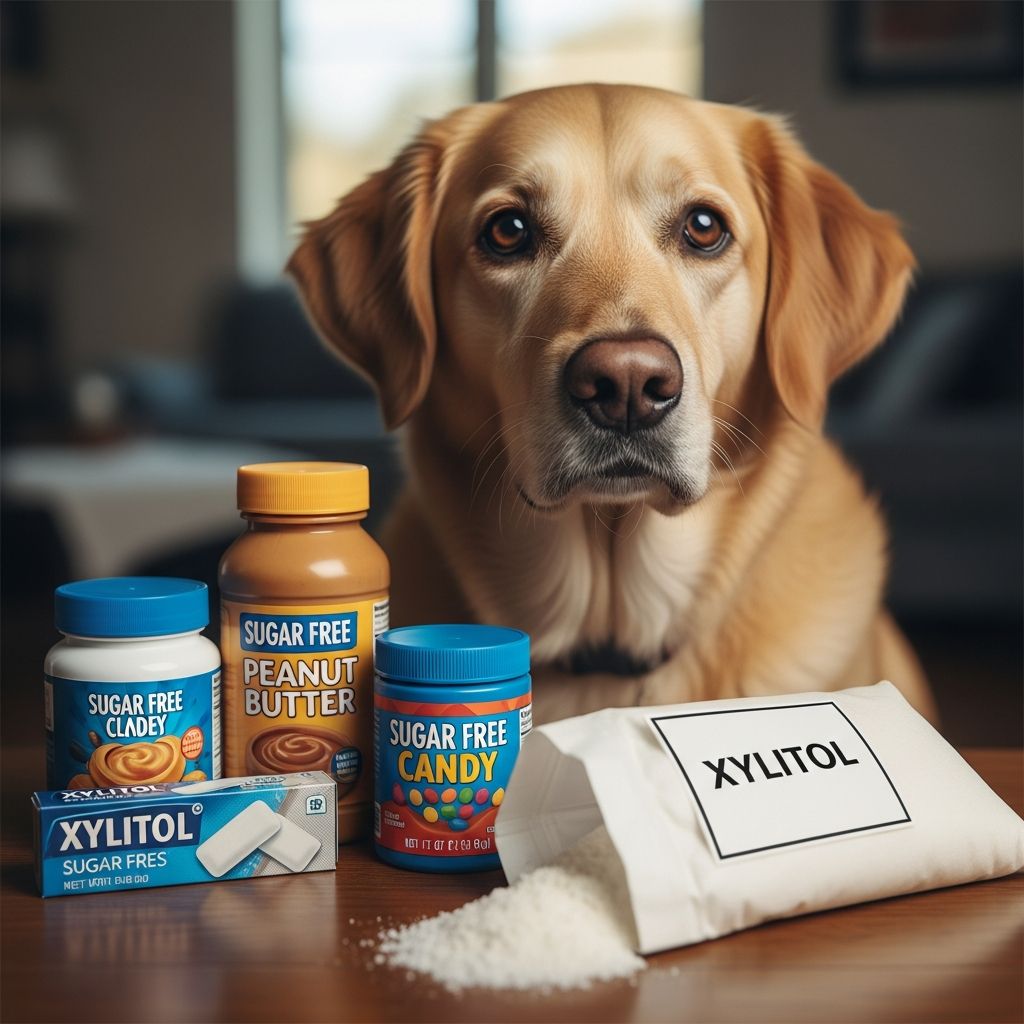
Xylitol is a sugar alcohol commonly found in sugar-free products such as chewing gum, candy, baked goods, and dental products. While it is safe for human consumption, xylitol poses a serious and potentially life-threatening danger to dogs. Even small amounts of xylitol can cause severe toxicity in canines, making it crucial for pet owners to understand the risks and take preventive measures to protect their furry companions.
Why is Xylitol Toxic to Dogs?
When dogs consume xylitol, their bodies process it differently than humans do. Xylitol is rapidly absorbed into the bloodstream, which triggers the pancreas to release insulin in excessive amounts. This sudden surge in insulin levels causes a dramatic and dangerous drop in blood sugar levels, a condition known as hypoglycemia. This rapid decrease in blood glucose can occur as quickly as 30 minutes to 2 hours after ingestion.
If left untreated, severe hypoglycemia can lead to seizures and can be life-threatening. Additionally, ingestion of higher levels of xylitol can cause increased liver enzymes within 12 to 48 hours of ingestion, potentially leading to acute liver failure within 24 to 48 hours. The exact mechanism of xylitol-induced liver damage remains unknown, but the damage can be severe and irreversible if not addressed promptly.
Recognizing the Signs of Xylitol Poisoning
Pet owners must be able to identify the early warning signs of xylitol toxicity, as prompt recognition can mean the difference between life and death. Symptoms typically appear within 10-60 minutes of ingestion, though they can be delayed up to 12-18 hours if the xylitol is contained in a product that slows absorption, such as certain gum formulations.
Initial Symptoms of Low Blood Sugar
The initial signs of xylitol poisoning are typically caused by hypoglycemia and may include:
- Vomiting
- Weakness and lethargy
- Lack of coordination or difficulty walking and standing
- Sluggishness or decreased activity
- Tremors or body shaking
- Seizures
- Coma in severe cases
Signs of Liver Damage
Some dogs may develop severe liver injury after xylitol ingestion. Dogs that develop liver failure may or may not show signs of hypoglycemia first. Clinical signs of liver injury include:
- Lethargy and depression
- Vomiting
- Jaundice (yellowish discoloration of the skin, gums, and whites of eyes)
- Pale gums
- Rapid breathing
- Unusual bleeding or bruising
- Confusion or disorientation
Liver failure may develop within 1-3 days after ingestion, and it can occur even if early symptoms seem to improve. This delayed progression makes professional veterinary care essential.
How Much Xylitol is Dangerous?
Even small amounts of xylitol can be toxic to dogs. The toxic dose begins at less than 50 milligrams per pound of body weight. This means that a single piece of sugar-free gum can potentially cause serious harm to dogs of any size. Because of this extremely low toxic threshold, pet owners should treat any xylitol ingestion as a potential emergency and seek veterinary care immediately, regardless of the amount consumed.
Immediate Steps to Take If Your Dog Ingests Xylitol
If you suspect your dog has consumed xylitol or a xylitol-containing product, taking immediate action is critical. Time is of the essence in these situations.
Step 1: Contact Your Veterinarian or Pet Poison Helpline Immediately
Call your veterinarian or Pet Poison Helpline as soon as you realize your dog has consumed xylitol. Even before symptoms appear, professional guidance is essential. Provide as much detail as possible about what was ingested, the approximate amount consumed, and when it happened. This information will help your veterinarian determine the level of urgency and appropriate treatment protocol.
Step 2: Gather Information About the Product
If possible, bring the product packaging with you to the veterinary clinic. This helps the veterinarian determine the concentration of xylitol and the total amount your dog may have consumed. The packaging information is invaluable for assessing the severity of the poisoning and determining treatment needs.
Step 3: Prepare for Safe Transport
Keep your dog calm during transport to minimize stress on their system. Use a carrier or secure your dog with a leash and harness. Drive carefully but quickly to the veterinary clinic. Avoid unnecessary delays, as every minute counts in xylitol poisoning cases.
Important: Never Induce Vomiting at Home
Never attempt to induce vomiting at home unless specifically directed by your veterinarian. While inducing vomiting may seem like a good approach, xylitol toxicosis may result in rapid onset of clinical signs, making professional supervision essential. Vomiting should only be induced under veterinary supervision in patients that remain clinically normal.
Veterinary Treatment and Management
As with all poisoning cases, early intervention is key to successful treatment outcomes. Treatment protocols depend on the severity of the poisoning and whether symptoms have already developed.
Gastrointestinal Decontamination
If your dog ate a toxic dose of xylitol and remains clinically normal, your veterinarian may induce vomiting to decrease xylitol absorption and minimize the amount entering the bloodstream. Decontamination is most effective when performed as soon as possible after ingestion.
Blood Work Monitoring
Your veterinarian will monitor critical blood values including:
- Blood glucose levels
- Liver enzyme activity (particularly alanine aminotransferase)
- Potassium and phosphorus levels
- Bilirubin levels and liver function markers
- Platelet counts to assess clotting ability
Fluid Support and Dextrose Administration
In most cases, dogs who have ingested toxic amounts of xylitol will require intravenous (IV) fluid therapy and IV dextrose administration to correct and maintain appropriate blood glucose levels. Dextrose supplementation is essential for treating hypoglycemia and preventing seizures and coma. Your veterinarian will carefully monitor glucose levels to adjust dextrose administration as needed.
Additional Treatment Considerations
Depending on the severity of the case, your veterinarian may recommend:
- Liver protectants to support liver function and prevent further damage
- Vitamin K administration to improve clotting ability
- Medications to stabilize electrolyte levels
- Blood transfusions if severe clotting problems develop
- Monitoring and management of hepatic insufficiency or failure if it develops
Hospitalization and Recovery
The length of hospitalization depends on the severity of your dog’s condition. Dogs with mild cases may require hospitalization through the day, while more severe cases may require several days of intensive care. Your dog will remain hospitalized until their liver is functioning normally and their blood glucose remains at ideal levels consistently.
If liver failure does occur, it can lead to abnormal bleeding, and your dog might need a blood transfusion. However, if an exposure is caught early and treated aggressively, dogs should recover well. The prognosis for dogs with uncomplicated hypoglycemia is generally good, whereas the prognosis for dogs that develop severe hepatotoxicosis is more guarded.
Post-Hospitalization Care
Once your dog is discharged from the hospital, continue monitoring is essential. Your dog might need to remain on a liver supplement formulated specifically for dogs for several weeks. Regular follow-up blood work will be necessary to monitor liver function and ensure that abnormalities have completely resolved. Continue veterinary follow-up appointments as recommended to ensure full recovery.
Prevention: Protecting Your Dog from Xylitol
The best way to protect your dog from xylitol toxicity is through prevention. Be aware of products that commonly contain xylitol and keep them out of reach of your pets.
Common Products Containing Xylitol
Xylitol is found in a wide variety of products, including:
- Sugar-free chewing gum
- Sugar-free candy and mints
- Sugar-free baked goods and desserts
- Dental products (toothpaste, mouth rinse)
- Sugar-free peanut butter and nut butters
- Diabetic-friendly foods
- Some medications and supplements
- Sugar-free pudding and gelatin
Prevention Strategies
Store all xylitol-containing products in secure cabinets or areas that are completely inaccessible to your dog. Be especially vigilant around holidays when candy and sugar-free treats are abundant. Check ingredient labels carefully when purchasing foods, particularly peanut butter, baked goods, and dental products. Inform family members, guests, and caregivers about the dangers of xylitol and ask them to be careful about leaving items within your dog’s reach.
Frequently Asked Questions About Xylitol Toxicity in Dogs
Q: What are the symptoms of xylitol poisoning in dogs?
A: Symptoms of xylitol poisoning in dogs may include vomiting, lethargy, weakness, body tremors, and seizures due to a drop in blood sugar. These symptoms can appear within 10-60 minutes of ingestion, though they may be delayed up to 12-18 hours in some cases.
Q: How much xylitol is poisonous to a dog?
A: Less than 50 mg for every pound of body weight is poisonous to a dog. This means even a single piece of sugar-free gum can be toxic to dogs of any size.
Q: How long does it take a dog to show signs of xylitol poisoning?
A: Signs can start as early as 10-60 minutes after ingestion, with vomiting usually being the first sign of poisoning. However, symptoms can be delayed up to 12-18 hours if the xylitol is in a product that slows absorption.
Q: What should I do if I suspect my dog has ingested xylitol?
A: Call your veterinarian or Pet Poison Helpline immediately, even if your dog hasn’t shown symptoms yet. Describe what was eaten, how much, and when it happened. Never induce vomiting at home unless specifically directed by your veterinarian. Transport your dog to the veterinary clinic immediately.
Q: Can dogs recover from xylitol poisoning?
A: Yes, if an exposure is caught early and treated aggressively, dogs should recover well. The prognosis for dogs with uncomplicated hypoglycemia is good. However, dogs that develop liver failure require intensive treatment, and the prognosis is more guarded in these cases.
Q: Is there a cure for xylitol toxicity?
A: There is no specific antidote for xylitol toxicity. Treatment focuses on supportive care, managing blood glucose levels with IV dextrose, monitoring liver function, and treating any complications that develop. Early intervention significantly improves outcomes.
Q: How long does a dog need to stay in the hospital for xylitol poisoning?
A: The hospitalization period depends on the severity of the case. Mild cases may require hospitalization through the day, while more severe cases may require several days of intensive care. Dogs remain hospitalized until their liver is functioning normally and blood glucose levels are stable.
Q: Can xylitol poisoning be fatal in dogs?
A: Yes, xylitol poisoning can be deadly if not treated promptly. However, if an exposure is caught early and treated aggressively with proper veterinary care, dogs should recover well. Seeking immediate veterinary attention is critical.
References
- Xylitol Toxicosis in Dogs – Toxicology — Merck Veterinary Manual. 2025. https://www.merckvetmanual.com/toxicology/food-hazards/xylitol-toxicosis-in-dogs
- Paws Off Xylitol; It’s Dangerous for Dogs — U.S. Food and Drug Administration (FDA). 2025. https://www.fda.gov/consumers/consumer-updates/paws-xylitol-its-dangerous-dogs
- Xylitol Poisoning in Dogs: Signs, Treatment, and Prevention — PetMD. 2025. https://www.petmd.com/dog/poisoning/xylitol-poisoning-in-dogs
- Xylitol toxicity in dogs — PubMed/NCBI (peer-reviewed). 2010. https://pubmed.ncbi.nlm.nih.gov/20473849/
- Xylitol Toxicity in Dogs — VetFolio (veterinary continuing education). 2025. https://www.vetfolio.com/learn/article/xylitol-toxicity-in-dogs
Similar Articles







Read full bio of Sneha Tete