

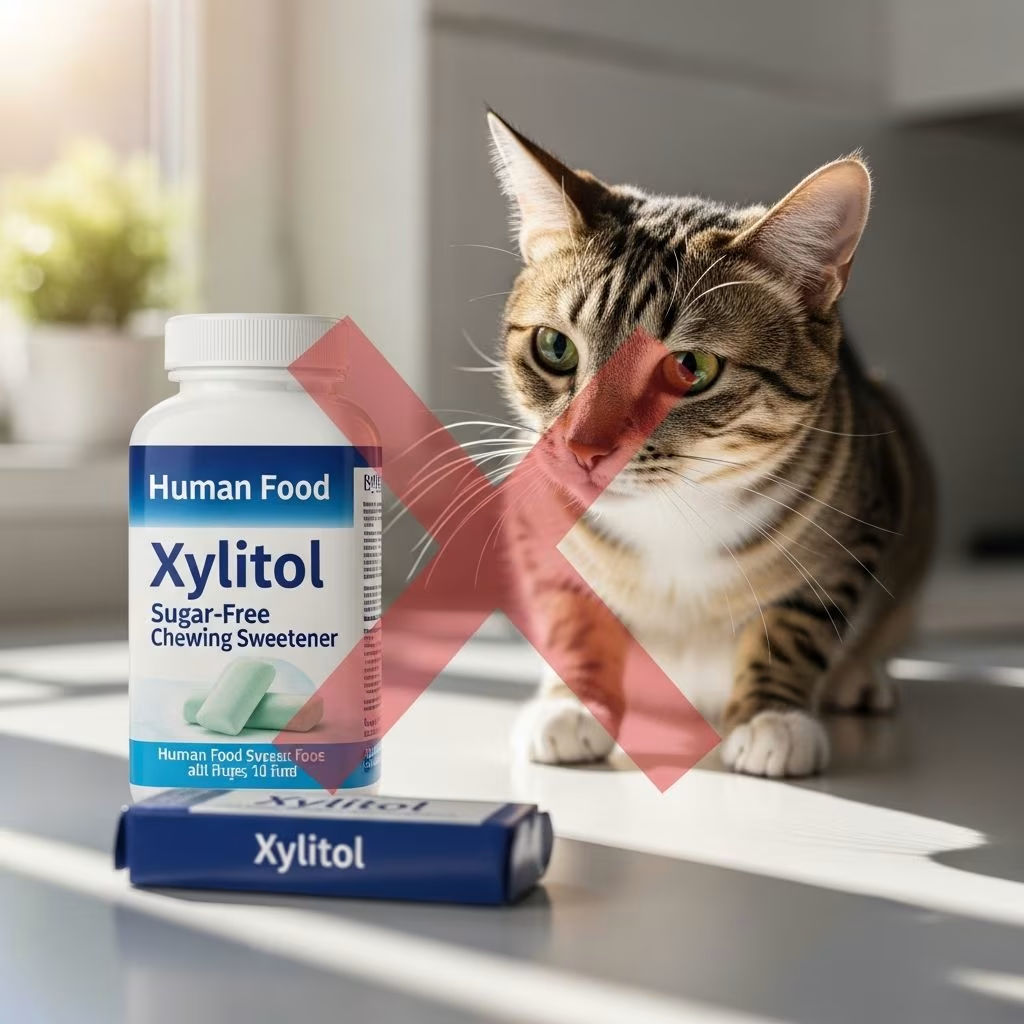
Xylitol, a popular sugar alcohol used in sugar-free gums, candies, baked goods, and oral care products, raises concerns for pet owners due to its well-documented toxicity in dogs. For cats, however, the picture is less clear, with scientific evidence suggesting minimal risk but urging caution nonetheless.
Understanding Xylitol’s Role in Everyday Products
Xylitol serves as a low-calorie sweetener that mimics sugar’s taste without spiking blood glucose in humans. Found in countless household items, it lurks in places cats might access, such as kitchen counters, purses, or bathroom cabinets. While dogs face severe consequences like hypoglycemia and liver failure from even small amounts, feline physiology appears to handle it differently.
- Common sources: Chewing gum, mints, peanut butter, toothpaste, and certain medications.
- Why it matters for cats: Curious felines often explore human foods, increasing accidental exposure risks.
Pet owners must recognize these products to prevent potential issues, even if feline toxicity remains rare.
Scientific Evidence on Xylitol’s Effects in Cats
Peer-reviewed research provides the strongest insights into xylitol’s impact on cats. A key study administered oral doses of 100, 500, and 1,000 mg/kg body weight—levels toxic to dogs—to six healthy middle-aged cats. Monitoring included blood glucose, complete blood counts, and liver enzymes like ALT, ALKP, and GGT over 72 hours.
Results showed no significant changes in hematological or biochemical parameters. Blood glucose remained stable, with only a mild, physiological increase at the highest dose. No signs of hypoglycemia or hepatic damage emerged, leading researchers to conclude xylitol does not induce toxic effects in cats.
| Dose (mg/kg) | Blood Glucose Change | Liver Enzymes | Overall Health |
|---|---|---|---|
| 100 | No change | Normal | Unaffected |
| 500 | No change | Normal | Unaffected |
| 1,000 | Mild increase (physiological) | Normal | Unaffected |
This controlled experiment contrasts with anecdotal reports and highlights why xylitol toxicity cases in cats are unreported to major poison control centers.
Why Cats Differ from Dogs in Xylitol Response
Dogs experience a massive insulin surge from xylitol, causing rapid blood sugar drops and potential liver necrosis. Cats lack this exaggerated response, possibly due to differences in pancreatic beta-cell receptors or metabolic pathways.
Veterinary sources note no confirmed feline cases of severe toxicosis, unlike dogs where even 0.1g/kg can trigger hypoglycemia. Some speculate minor liver risks exist, but evidence is lacking. Individual metabolism variations mean not all cats react identically, though studies show resilience.
Potential Symptoms and Observational Reports
Despite low toxicity evidence, vigilance is key. Hypothetical symptoms, drawn from general toxin responses or unverified claims, might include:
- Lethargy or weakness.
- Vomiting or gastrointestinal upset.
- Coordination issues (ataxia).
- In extreme, unconfirmed scenarios: tremors or seizures.
One case involved a cat named Lila ingesting 38 pieces of xylitol gum, prompting emergency care, but outcomes focused on dog-like risks without confirming feline harm. Most vets report symptoms as unknown or mild, emphasizing prompt care over panic.
When to Seek Veterinary Help
Any suspected xylitol ingestion warrants immediate vet contact. Do not induce vomiting at home—cats risk aspiration. Professionals may perform:
- Bloodwork for glucose, liver values, and electrolytes.
- Urinalysis for kidney function.
- Activated charcoal or IV fluids if needed.
Early intervention ensures safety, even if toxicity proves unlikely.
Prevention: Keeping Your Cat Safe
Proactive measures trump treatment. Secure xylitol products out of reach and educate household members.
- Store gum, candies, and toothpaste in high cabinets or locked drawers.
- Check labels on all sugar-free items.
- Clean surfaces after use to remove residues.
- Use pet-safe alternatives for dental care.
Multi-pet homes require extra diligence, as one animal’s access risks others.
Debunking Myths and Conflicting Information
Online sources sometimes equate cat and dog risks, claiming identical hypoglycemia dangers—a misconception. Peer-reviewed data refutes this. While some blogs hypothesize pancreatic overstimulation leading to staged symptoms like coma, these lack empirical backing in cats.
Reliable vets advise caution without alarmism: keep products inaccessible, but no need for hysteria.
Long-Term Health Considerations
Even if acute toxicity is rare, repeated low-level exposure’s effects remain unstudied. Monitor for subtle signs like appetite changes or unusual thirst. Annual vet checkups with liver panels provide peace of mind.
For survivors of potential exposures (though undocumented), prognosis excels with supportive care. No evidence suggests lasting damage from verified incidents.
FAQs on Xylitol and Feline Safety
Is xylitol as dangerous for cats as for dogs?
No, studies show cats do not develop hypoglycemia or liver failure from doses toxic to dogs.
What if my cat ate xylitol gum?
Contact your vet immediately for evaluation, even if symptoms are absent.
How much xylitol is safe for cats?
No safe amount is established; prevention is best.
Can xylitol cause vomiting in cats?
Possible but unconfirmed; gastrointestinal upset is more typical of general irritants.
Should I use xylitol toothpaste around my cat?
Opt for pet-specific products to avoid any risk.
Expert Recommendations for Cat Owners
Veterinarians from institutions like Cornell emphasize storage as primary defense. Integrate poison prevention into routines: label-free zones, child-proofing equivalents for pets, and poison hotline numbers handy (e.g., ASPCA Animal Poison Control).
Empower yourself with knowledge—xylitol’s feline risk is low, but zero exposure ensures zero worry.
References
- Xylitol Toxicosis in Cats – Causes, Treatment and … – Vetster — Vetster. 2023. https://vetster.com/en/conditions/cat/xylitol-toxicosis-in-cats
- Effects of p.o. administered xylitol in cats – PubMed — PubMed (John Wiley & Sons Ltd.). 2018-02-21. https://pubmed.ncbi.nlm.nih.gov/29430681/
- Effects of p.o. administered xylitol in cats – Semantic Scholar — Semantic Scholar. 2018. https://www.semanticscholar.org/paper/Effects-of-p.o.-administered-xylitol-in-cats-Jerzsele-Karancsi/f79fed39106e2c4f65dd72fcc8d622e6ba132f4b
- Ask a Vet with Dr. Sam: Is xylitol dangerous for cats too? – MRFRS — MRFRS. N/A. https://mrfrs.org/ask-a-vet-with-dr-sam-is-xylitol-dangerous-for-cats-too/
- Lila’s Story – Xylitol Toxicity | Cornell University Veterinary Specialists — Cornell University Veterinary Specialists. N/A. https://www.cuvs.org/blog/lilas_story_xylitol_toxicity
- Xylitol toxicities | Cornell University College of Veterinary Medicine — Cornell University College of Veterinary Medicine. N/A. https://www.vet.cornell.edu/departments-centers-and-institutes/riney-canine-health-center/canine-health-topics/xylitol-toxicities



