

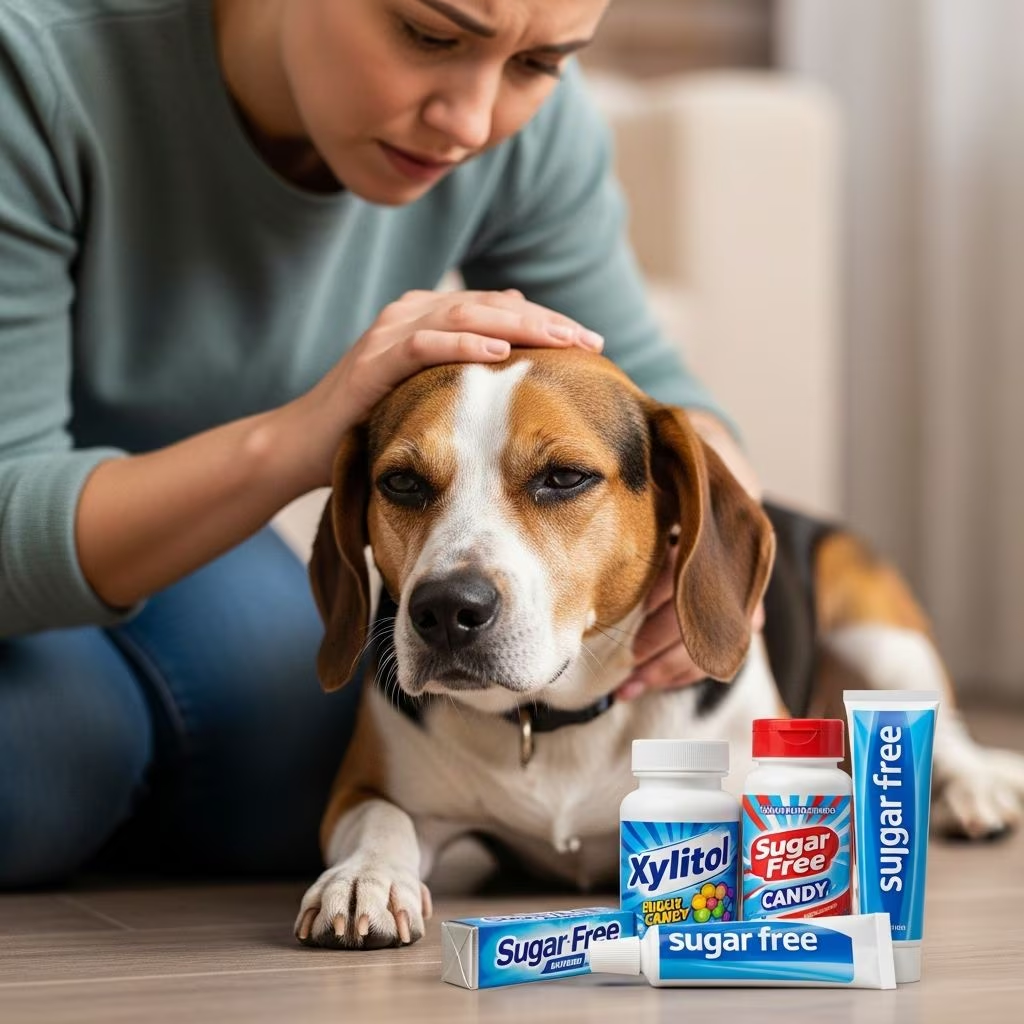
Understanding Xylitol Toxicity in Dogs
Xylitol is a sugar substitute commonly found in sugar-free products, including gum, candies, baked goods, peanut butter, and various other food items. While xylitol is safe for human consumption, it poses a serious and potentially life-threatening danger to dogs. Even small amounts of xylitol can cause rapid, severe health consequences in canines. Understanding what xylitol is, where it’s found, and how it affects dogs is crucial for pet owners who want to keep their companions safe.
When a dog ingests xylitol, their body rapidly absorbs the substance, triggering a dangerous cascade of physiological responses. Unlike humans, dogs metabolize xylitol differently, causing their pancreas to release large amounts of insulin. This insulin surge leads to a dramatic drop in blood glucose levels, creating a medical emergency that requires immediate veterinary attention. Additionally, xylitol can cause direct liver damage in dogs, making it one of the most dangerous substances a pet can accidentally consume.
What is Xylitol and Where Is It Found?
Xylitol is a five-carbon sugar alcohol used as a sweetening agent in many products marketed as sugar-free or diabetic-friendly alternatives. It contains fewer calories than regular sugar and has a lower glycemic index, making it attractive to health-conscious consumers. However, this same property that makes it beneficial for humans makes it exceptionally dangerous for dogs.
Pet owners should be aware that xylitol appears in numerous household products, often without obvious labeling. Common items containing xylitol include:
- Sugar-free chewing gum and mints
- Sugar-free candies and chocolates
- Sugar-free baked goods and desserts
- Certain brands of peanut butter and nut butters
- Protein bars and meal replacement products
- Toothpaste and mouthwash
- Certain medications and supplements
- Sugar-free puddings and gelatin products
The danger is heightened because xylitol-containing products are often stored in easily accessible locations or left in purses, bags, and desks where curious dogs might find them. Even a single piece of sugar-free gum or a small amount of xylitol-containing peanut butter can be toxic to dogs, regardless of their size.
How Xylitol Affects Dogs
The mechanism by which xylitol causes harm in dogs differs significantly from its effects in humans. When a dog ingests xylitol, the substance is rapidly absorbed from the gastrointestinal tract. This triggers the dog’s pancreas to release an excessive amount of insulin in response to what the body perceives as a glucose surge. This uncontrolled insulin release causes blood glucose levels to plummet dramatically, resulting in severe hypoglycemia.
Beyond the immediate hypoglycemic crisis, xylitol can cause hepatotoxicity, or liver damage, through a mechanism that researchers are still working to fully understand. Some dogs develop severe liver injury after xylitol ingestion, which may or may not be preceded by signs of low blood sugar. This makes xylitol particularly insidious, as liver damage can develop silently and progress rapidly without early intervention.
The severity of xylitol’s effects depends on several factors, including the amount ingested, the dog’s body weight, and the dog’s individual susceptibility. However, even small doses can be problematic. Generally, xylitol becomes dangerous at doses of 0.1 grams per kilogram of body weight, though some sources suggest that any amount should be considered potentially toxic.
Signs of Xylitol Poisoning
Recognizing the signs of xylitol poisoning is critical, as symptoms can develop rapidly and become life-threatening within hours. Understanding both early and severe signs helps pet owners act quickly when their dog may have been exposed to xylitol.
Early Signs of Hypoglycemia
The initial symptoms of xylitol toxicity typically appear within 10 to 30 minutes of ingestion, though in some cases, symptoms may be delayed up to 12 to 18 hours if the xylitol is contained in a substrate that slows absorption, such as certain gum products. Early signs of low blood sugar include:
- Vomiting
- Weakness or lethargy
- Lack of coordination or difficulty walking or standing
- Sluggishness or decreased activity
- Body tremors
- Rapid heart rate
- Restlessness or agitation
These early signs can appear deceptively mild, but they represent an emergency situation requiring immediate veterinary care. Pet owners should never assume that mild symptoms will resolve on their own.
Severe Signs of Toxicity
As blood glucose levels continue to drop and toxicity progresses, symptoms become increasingly severe and life-threatening:
- Seizures
- Collapse or inability to stand
- Coma
- Loss of consciousness
- Pale gums
- Rapid or labored breathing
- Confusion or disorientation
The progression from mild to severe symptoms can occur rapidly, sometimes within minutes to hours. Without aggressive veterinary treatment, severe xylitol toxicity can be fatal.
Signs of Liver Damage
In some cases, dogs may develop liver damage without first showing signs of hypoglycemia. This can occur due to a rebound increase in blood glucose, similar to the Somogyi response seen with insulin overdose. Signs of liver damage may not appear for several days after ingestion and can include:
- Jaundice (yellowing of the gums, eyes, and skin)
- Lethargy or depression
- Vomiting
- Loss of appetite
- Abdominal pain
- Unusual bleeding or bruising
- Dark-colored urine
Immediate Actions to Take
If you suspect your dog has ingested xylitol, immediate action is essential. Time is critical, and quick response can significantly improve your dog’s chances of recovery.
Step 1: Contact Your Veterinarian or Emergency Clinic Immediately
Call your veterinary clinic right away, even if your dog has not yet shown symptoms. Provide specific information about what was ingested, the approximate amount, when it was consumed, and your dog’s weight. If symptoms have already appeared, describe them in detail. Ask about wait times and confirm the clinic can see your dog immediately.
If your regular veterinary clinic is closed, contact an emergency veterinary clinic. Many areas have 24-hour emergency animal hospitals equipped to handle toxicity cases.
Step 2: Contact Animal Poison Control
You may also contact the Pet Poison Helpline or ASPCA Animal Poison Control Center. These services can provide immediate guidance and work with your veterinarian on treatment protocols. Have the product packaging available when you call so you can provide accurate information about the xylitol content.
Step 3: Prepare for Safe Transport
Keep your dog calm and avoid unnecessary stress during transport to the veterinary clinic. Use a secure carrier or leash and harness, and drive carefully but quickly. Bring the product packaging or any information about what your dog consumed. If your dog is conscious and not actively vomiting, you may offer small sips of water, but do not force your dog to drink.
Step 4: Do Not Induce Vomiting at Home
Never attempt to induce vomiting at home unless explicitly directed by your veterinarian. Since xylitol toxicity symptoms can develop very rapidly, trying to induce vomiting may waste precious time and could be dangerous. This procedure should only be performed under veterinary supervision in a controlled environment.
Veterinary Treatment and Care
Treatment for xylitol toxicity requires aggressive veterinary intervention and depends on the severity of the poisoning and which organs are affected.
Diagnostic Evaluation
Upon arrival at the veterinary clinic, your dog will undergo a thorough physical examination. The veterinarian will likely perform blood work to assess blood glucose levels, liver enzyme values (particularly alanine aminotransferase), and other markers of organ function. Blood work may include checking potassium and phosphorus levels, as these electrolytes are often affected by xylitol toxicity.
Gastrointestinal Decontamination
If your dog arrives at the clinic soon after ingestion and remains clinically normal, the veterinarian may induce vomiting to remove as much xylitol as possible from the stomach. This is typically done using specific medications under controlled conditions. However, because symptoms can develop so rapidly, this step may not always be feasible or necessary.
Blood Glucose Management
Correcting hypoglycemia is a primary focus of initial treatment. The veterinarian will administer intravenous (IV) dextrose to raise blood glucose levels to safe ranges. Blood glucose will be monitored frequently throughout treatment, as levels may continue to fluctuate. Your dog may require continuous IV dextrose administration depending on the severity of hypoglycemia.
Fluid and Electrolyte Support
IV fluid therapy is an essential component of treatment. Fluids help support organ function, dilute toxins, and deliver medications. The veterinarian will also monitor and correct electrolyte imbalances, particularly potassium and phosphorus levels, which are often affected by xylitol toxicity and hypoglycemia.
Liver Protection and Support
If liver damage is suspected or confirmed, the veterinarian may administer hepatoprotective medications and supplements to support liver function. Vitamin K may be given to address clotting abnormalities that can result from liver damage. If severe clotting problems develop, blood transfusions may be necessary.
Monitoring and Hospitalization
Dogs with mild xylitol toxicity may require hospitalization through the day with continuous monitoring. More severe cases may require hospitalization for several days or longer. During hospitalization, your dog’s blood glucose, liver enzymes, electrolytes, and overall condition will be monitored regularly. The veterinarian will adjust treatment protocols based on your dog’s response and laboratory values.
Recovery and Aftercare
Recovery from xylitol toxicity depends on the severity of poisoning and which organs were affected. Dogs that develop uncomplicated hypoglycemia typically have a good prognosis with appropriate treatment. However, dogs that develop severe liver damage have a more guarded prognosis, though many can recover with intensive care.
Once your dog is released from the hospital, follow-up care is essential. Your dog may need to remain on liver support supplements formulated specifically for dogs for several weeks following discharge. Blood work should be rechecked periodically to ensure that liver enzymes and other values have returned to normal. Some dogs may require dietary modifications to support liver health during recovery.
Monitor your dog closely for any signs of recurring illness. Contact your veterinarian immediately if your dog exhibits vomiting, lethargy, lack of appetite, jaundice, or any other concerning symptoms.
Preventing Xylitol Toxicity
Prevention is always better than treatment. Taking steps to prevent your dog’s exposure to xylitol is the most effective way to protect your pet.
Read Product Labels
Check the ingredient labels on any sugar-free products before bringing them into your home. Xylitol may be listed as an ingredient or may be part of a sweetener blend. Be particularly careful with sugar-free gum, candies, peanut butter, and baked goods.
Store Products Safely
Keep xylitol-containing products in secure, elevated storage locations that your dog cannot access. This includes storing them in cabinets, drawers, or closets rather than leaving them on countertops or in accessible bags or purses.
Educate Family and Visitors
Make sure all family members and visitors to your home understand the dangers of xylitol to dogs. Explain which products contain xylitol and ask them not to give your dog any treats or food items without your approval.
Be Aware During Social Situations
Be cautious at social gatherings, picnics, and other events where food and treats are present. Supervise your dog closely and ensure that guests do not inadvertently give your dog any xylitol-containing foods.
Choose Safe Alternatives
When shopping for treats or food items, look for products specifically formulated for dogs or those that use dog-safe sweeteners. Many pet-specific products are formulated with ingredients that are safe for canine consumption.
Frequently Asked Questions
Q: How much xylitol is toxic to dogs?
A: Xylitol becomes dangerous at doses of approximately 0.1 grams per kilogram of body weight. However, even smaller amounts can potentially cause problems, and no amount should be considered completely safe. A single piece of sugar-free gum can be toxic to many dogs.
Q: How quickly do symptoms of xylitol poisoning appear?
A: Symptoms can appear as quickly as 10 to 30 minutes after ingestion, with vomiting often being the first sign. However, symptoms may be delayed up to 12 to 18 hours if the xylitol is in a product that slows absorption.
Q: Can xylitol poisoning be treated successfully?
A: Yes, if caught early and treated aggressively, many dogs recover well from xylitol poisoning. Dogs with uncomplicated hypoglycemia typically have a good prognosis. However, dogs that develop severe liver damage have a more guarded prognosis, though many can recover with intensive care.
Q: What should I do if I think my dog ate xylitol?
A: Call your veterinarian or emergency veterinary clinic immediately, even if no symptoms are visible yet. Early intervention significantly improves treatment outcomes. Do not attempt to induce vomiting at home unless directed by a veterinarian.
Q: Are all dogs equally susceptible to xylitol toxicity?
A: While xylitol is dangerous for all dogs, smaller dogs are at greater risk from the same amount because the dose is calculated relative to body weight. However, dogs of any size can be poisoned by xylitol.
Q: Will my dog need to stay in the hospital after xylitol poisoning?
A: Dogs with mild cases may require hospitalization through the day, while more severe cases may require a hospital stay of several days or longer. The duration depends on the amount of xylitol ingested and the severity of symptoms and liver damage.
Key Takeaways
Xylitol toxicity in dogs is a serious medical emergency that requires immediate veterinary attention. Pet owners should be vigilant about identifying products containing xylitol, store these items safely away from dogs, and act quickly if ingestion is suspected. Understanding the signs of xylitol poisoning, knowing how to respond, and taking preventive measures can save your dog’s life. With early intervention and aggressive treatment, many dogs recover well from xylitol toxicity, but prevention through careful product management and education remains the best approach to protecting your beloved companion.
References
- Xylitol Toxicosis in Dogs – Toxicology — Merck Veterinary Manual. 2024. https://www.merckvetmanual.com/toxicology/food-hazards/xylitol-toxicosis-in-dogs
- Paws Off Xylitol; It’s Dangerous for Dogs — U.S. Food and Drug Administration. 2024. https://www.fda.gov/consumers/consumer-updates/paws-xylitol-its-dangerous-dogs
- Xylitol Poisoning in Dogs: Signs, Treatment, and Prevention — PetMD. 2024. https://www.petmd.com/dog/poisoning/xylitol-poisoning-in-dogs
- Xylitol toxicity in dogs — PubMed, National Library of Medicine. 2010. https://pubmed.ncbi.nlm.nih.gov/20473849/
- A Guide to Xylitol Toxicity in Pets — Veterinary Specialty & Emergency, Southern Arizona Veterinary Specialists. 2024. https://southernazvets.com/a-guide-to-xylitol-toxicity-in-pets/
- Xylitol Poisoning in Dogs: Emergency Signs & Critical Steps — Gulf Street Veterinary Services. 2024. https://gsvs.org/blog/xylitol-poisoning-dogs-emergency/



