
Xylitol Toxicity in Dogs: What Pet Owners Must Know
Understanding how this common sweetener poses a serious threat to canine health and safety.
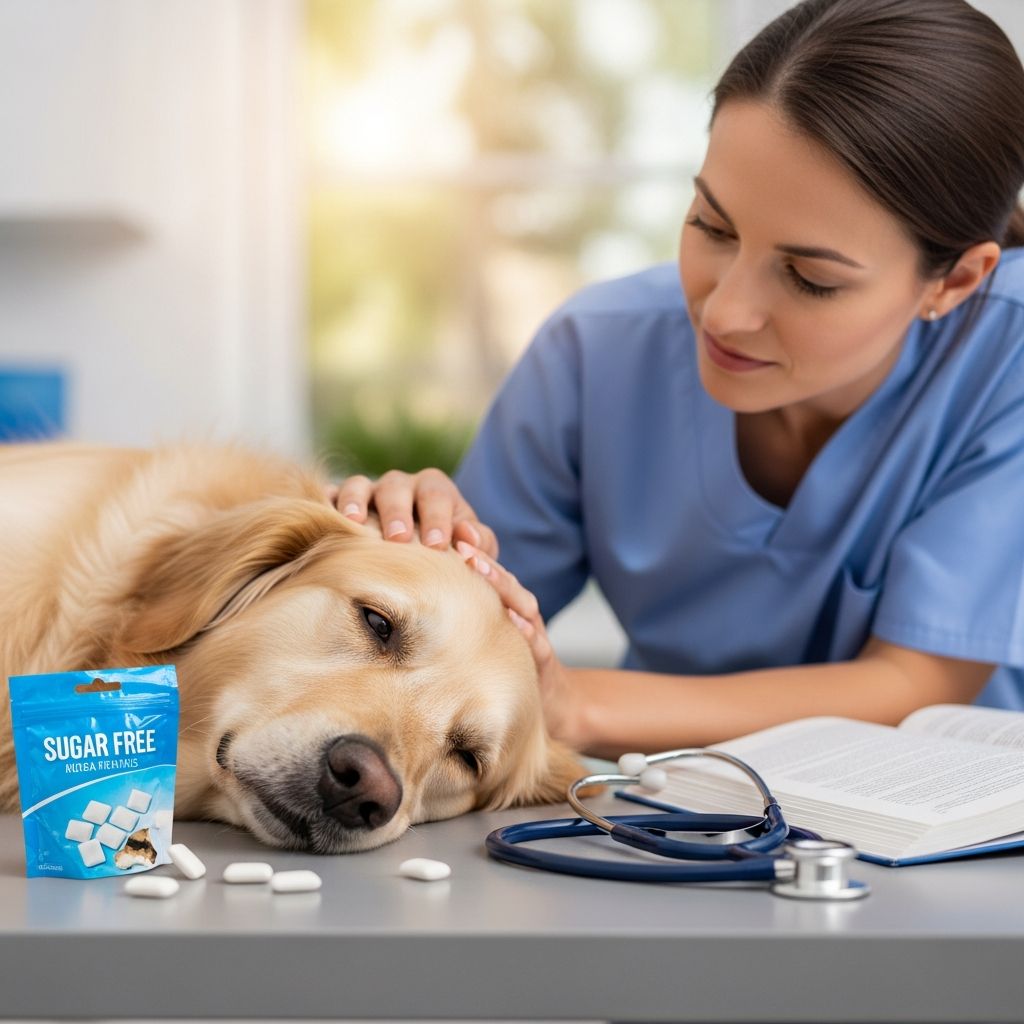
Xylitol, an artificial sweetener commonly found in sugar-free products, represents a significant health risk for dogs. Unlike humans, canines metabolize this compound differently, leading to severe and potentially fatal consequences. Understanding this threat is crucial for any dog owner who wants to protect their pet from accidental poisoning.
Understanding Xylitol and Its Sources
Xylitol is a five-carbon sugar alcohol used as a sugar substitute in numerous consumer products. It has become increasingly prevalent in modern food manufacturing due to its lower caloric content and reduced impact on blood glucose in humans. However, this same property that makes it attractive for human consumption creates a biological emergency in dogs.
The sweetener appears in a wide variety of everyday items beyond obvious candidates like gum and candy. Pet owners should remain vigilant about reading product labels on items such as sugar-free baked goods, peanut butter spreads, breath mints, desserts, and even some medications and vitamin supplements. Some dental products marketed for human use, including certain mouthwashes and toothpastes, may also contain this hazardous ingredient.
The Biochemical Mechanism of Xylitol Toxicity
The mechanism behind xylitol’s toxicity in dogs differs fundamentally from its effects in humans. When a dog ingests xylitol, the compound is rapidly absorbed into the bloodstream. The pancreas mistakes this absorption for a glucose surge and responds by releasing large quantities of insulin. This overproduction of insulin dramatically lowers blood sugar levels, creating a condition called hypoglycemia.
The timeline of this biochemical cascade is critical to understanding the urgency of treatment. Hypoglycemia can develop within 30 minutes to 2 hours following ingestion. In some cases, especially when xylitol is contained in products that slow absorption, such as certain gum formulations, symptoms may be delayed up to 12 to 18 hours.
Beyond the immediate hypoglycemic crisis, xylitol causes hepatotoxicity—damage to liver cells. Higher doses trigger liver enzyme elevations within 12 to 48 hours of ingestion, with potential liver failure occurring within 24 to 48 hours. Remarkably, some dogs develop liver injury without experiencing hypoglycemia first, due to a compensatory rebound increase in blood glucose known as the Somogyi response.
Recognizing Symptoms: The Critical Early Signs
Early identification of xylitol poisoning is essential because treatment efficacy depends heavily on prompt intervention. Vomiting is typically the first observable sign, often occurring within 20 minutes of ingestion. This initial symptom should prompt immediate veterinary attention, especially if the dog has had access to sugar-free products.
As hypoglycemia progresses, owners may notice a cascade of neurological symptoms reflecting the brain’s dependence on glucose:
- Lethargy and decreased activity levels
- Generalized weakness and muscle flaccidity
- Loss of coordination (ataxia) or difficulty walking
- Tremors or involuntary muscle contractions
- Seizures in severe cases
- Collapse or inability to stand
- Rapid heart rate
- Coma in untreated critical cases
Signs of liver injury may develop more insidiously, sometimes not appearing for several days after ingestion. These include persistent lethargy, vomiting, jaundice (yellowing of skin and mucous membranes), and abnormal bleeding or bruising due to coagulopathy.
Dosage and Risk Factors
Toxicity depends on the amount of xylitol consumed relative to the dog’s body weight. Veterinarians recommend administering dextrose to dogs that have ingested xylitol at doses exceeding 500 mg/kg (approximately 227 mg per pound of body weight), even if they currently appear asymptomatic. This threshold helps guide emergency treatment decisions when the exact quantity ingested is uncertain.
Smaller dogs face proportionally greater risk from the same absolute quantity of xylitol. A single piece of sugar-free gum, for example, may pose a critical threat to a small breed but might represent a lower-risk exposure in a large dog. However, this calculation does not provide safety assurance; even large dogs can suffer severe toxicity from sufficient quantities of the sweetener.
Emergency Treatment Protocols
If a dog has ingested or is suspected of ingesting xylitol, immediate veterinary care is non-negotiable. Pet owners should contact their veterinarian or a poison control hotline immediately rather than attempting home treatment. The veterinarian must balance several competing concerns when developing a treatment strategy.
Gastrointestinal Decontamination: Inducing vomiting may be considered, but only under strict veterinary supervision and only in dogs that remain clinically normal. Dogs already experiencing hypoglycemic symptoms may deteriorate further if vomiting is induced, making professional assessment essential.
Blood Glucose Management: Intravenous dextrose administration forms the cornerstone of treatment for hypoglycemic dogs. This approach directly counteracts the profound blood sugar depression that threatens neurological function. Monitoring blood glucose concentration throughout hospitalization guides ongoing dextrose administration and helps determine when glucose levels have stabilized.
Fluid and Electrolyte Support: Intravenous fluid therapy maintains hydration and helps correct electrolyte imbalances, particularly potassium and phosphorus abnormalities that often accompany xylitol toxicity. These electrolyte disturbances can themselves cause cardiac and neurological complications if not corrected.
Hepatoprotection: Liver protectants and vitamin K may be incorporated into treatment plans to minimize ongoing hepatic damage. Agents such as N-acetylcysteine, S-adenosylmethionine, and silymarin are sometimes administered, though their efficacy in preventing liver injury remains incompletely understood.
Management of Coagulopathy: If liver damage has progressed sufficiently to impair clotting factor synthesis, blood transfusions may become necessary to prevent life-threatening hemorrhage.
Hospitalization and Recovery Expectations
Dogs with mild xylitol toxicity may require hospitalization through the day for observation and supportive care. More severe cases typically necessitate multi-day hospital stays, with dogs remaining under continuous monitoring until liver function normalizes and blood glucose stabilizes consistently.
The prognosis for uncomplicated hypoglycemia is generally favorable when prompt treatment is initiated. However, prognosis becomes significantly more guarded when severe liver injury occurs. In one clinical study, 62.5% of dogs presenting with clinical signs of liver injury died or required euthanasia despite aggressive veterinary intervention. This sobering statistic underscores both the severity of xylitol toxicity and the importance of prevention.
Dogs recovering from xylitol poisoning may require extended supportive care after discharge from the hospital. Liver supplements formulated specifically for canine use often continue for several weeks, with periodic blood work monitoring to ensure that liver enzyme abnormalities have fully resolved.
Prevention: The Most Effective Strategy
Prevention remains far more effective than even the best emergency treatment. Pet owners should systematically review the contents of their homes for xylitol-containing products and store these items securely where dogs cannot access them.
Critical prevention measures include:
- Reading all product labels, particularly on sugar-free items
- Storing xylitol-containing gum, mints, and candy in sealed containers in high cabinets
- Informing visitors and family members about the danger
- Checking sugar-free peanut butter and other spreads before offering to dogs
- Reviewing medications and supplements for xylitol content
- Being cautious about homemade baked goods prepared with xylitol
- Keeping dental care products containing xylitol inaccessible
Common Sources of Accidental Exposure
Xylitol exposure often occurs through products that pet owners may not immediately recognize as dangerous. Sugar-free peanut butter has become an increasingly common culprit, as this popular dog treat may now be formulated with xylitol in certain brands. Baked goods, energy bars, and other human snacks left unattended present significant risks in households with curious dogs.
Medications, particularly those formulated as chewable tablets or liquid suspensions, may contain xylitol as a sweetening agent. Vitamin supplements marketed toward children or adults sometimes include this ingredient as well. Even products not primarily intended for consumption, such as sugar-free chewing gum, represent critical hazards given dogs’ propensity for investigating and ingesting foreign objects.
When to Seek Immediate Veterinary Care
Any suspected xylitol ingestion warrants immediate professional evaluation. If a dog vomits within an hour of potential exposure to a xylitol-containing product, or if any neurological symptoms develop, emergency veterinary care should be sought without delay. The narrow window between ingestion and symptom onset, combined with the potential for delayed liver injury, means that conservative “wait and see” approaches are inappropriate for this particular poisoning.
Frequently Asked Questions
Q: How much xylitol is toxic to dogs?
A: Toxicity begins at doses exceeding approximately 500 mg/kg (227 mg per pound of body weight). However, clinical signs can occur at lower doses, and any suspected ingestion should be evaluated professionally.
Q: Can xylitol poisoning be fatal?
A: Yes. Without treatment, severe hypoglycemia can lead to seizures, coma, and death. Even with aggressive treatment, liver failure may prove fatal in approximately 60% of severely affected dogs.
Q: Is there an antidote for xylitol toxicity?
A: There is no specific antidote. Treatment focuses on supportive care, blood glucose stabilization, and liver protection.
Q: How long after ingestion do symptoms appear?
A: Hypoglycemic symptoms can appear as early as 20 minutes, with most cases developing within 30 minutes to 2 hours. Liver-related signs may be delayed up to 12-48 hours.
Q: Can a dog recover from xylitol-induced liver failure?
A: Recovery is possible but requires intensive treatment and carries significant mortality risk. Dogs that do recover typically require extended supportive care and monitoring.
Conclusion: Vigilance and Awareness
Xylitol represents a clear and present danger to canine health, yet this hazard remains largely preventable through informed awareness and careful household management. The rapid onset of symptoms, combined with the potential for devastating liver damage, makes this sweetener fundamentally different from many other common toxins. Pet owners who understand xylitol’s mechanisms of toxicity, recognize early warning signs, and take preventive measures significantly enhance their dogs’ safety and well-being.
References
- A Guide to Xylitol Toxicity in Pets — Southern Arizona Veterinary Specialty & Emergency Care. Accessed 2026. https://southernazvets.com/a-guide-to-xylitol-toxicity-in-pets/
- Xylitol Toxicosis in Dogs — Merck Veterinary Manual (Cristine Hayes, DVM, ASPCA Animal Poison Control Center; reviewed by Ahna Brutlag, DVM). https://www.merckvetmanual.com/toxicology/food-hazards/xylitol-toxicosis-in-dogs
- Xylitol Toxicosis in Dogs — MSD Veterinary Manual (Cristine Hayes, DVM, ASPCA Animal Poison Control Center; reviewed by Ahna Brutlag, DVM). https://www.msdvetmanual.com/toxicology/food-hazards/xylitol-toxicosis-in-dogs
- Xylitol Poisoning in Dogs: Signs, Treatment, and Prevention — PetMD. https://www.petmd.com/dog/poisoning/xylitol-poisoning-in-dogs
- Xylitol Toxicity in Dogs — VCA Animal Hospitals. https://vcahospitals.com/know-your-pet/xylitol-toxicity-in-dogs
- Acute Hepatic Failure in a Dog after Xylitol Ingestion — PMC/NIH. https://pmc.ncbi.nlm.nih.gov/articles/PMC4880608/
- Paws Off Xylitol; It’s Dangerous for Dogs — U.S. Food and Drug Administration (FDA). https://www.fda.gov/consumers/consumer-updates/paws-xylitol-its-dangerous-dogs
Similar Articles








Read full bio of medha deb




