Xylitol Toxicity: Deadly Risk for Dogs and Ferrets
Discover why xylitol, a common sugar substitute, poses a life-threatening danger to dogs and ferrets, and learn how to protect your pets from hidden sources.
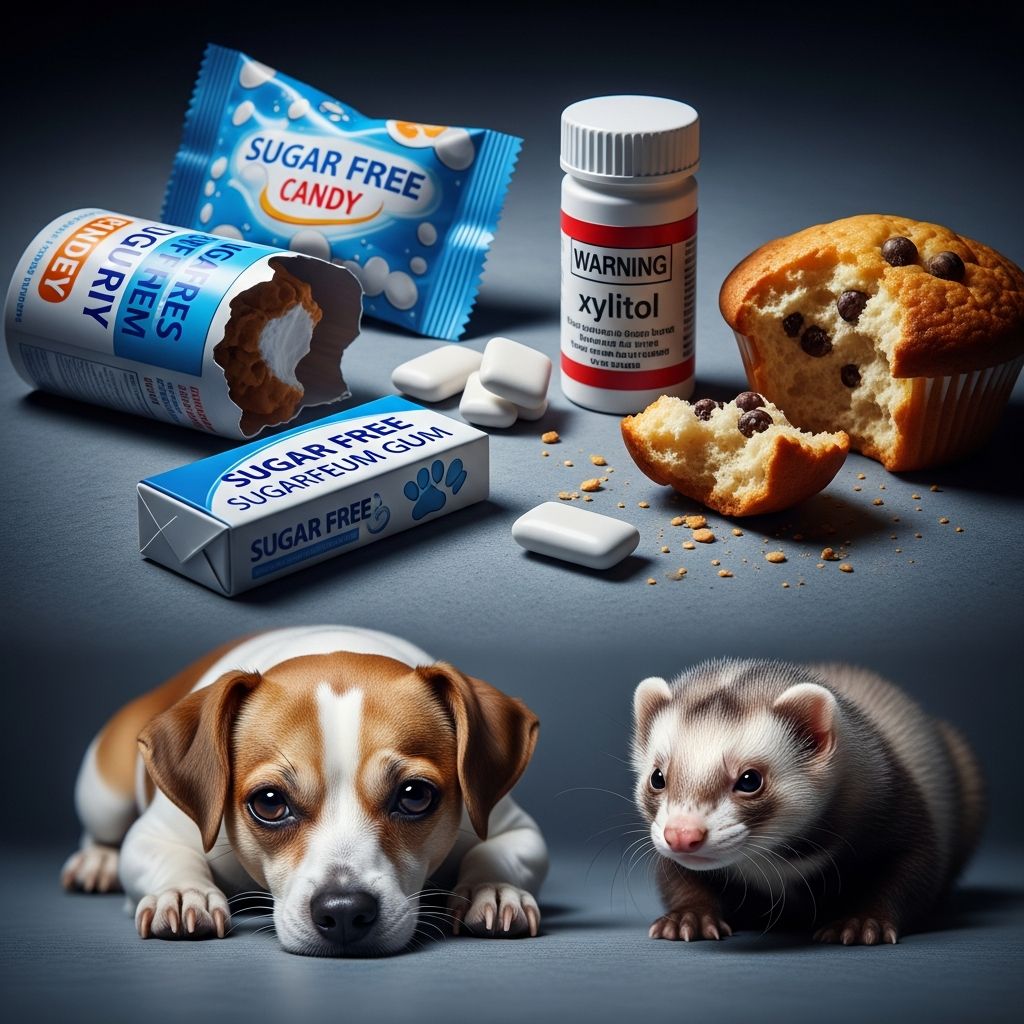
Xylitol, a popular sugar alcohol used in countless human products, triggers catastrophic health effects in dogs and ferrets. Even tiny amounts can lead to life-threatening hypoglycemia or liver damage, with symptoms appearing in as little as 30 minutes. Pet owners must recognize this hidden danger lurking in everyday items to prevent tragedy.
What Makes Xylitol So Dangerous for Pets?
In humans, xylitol serves as a low-calorie sweetener that doesn’t spike blood sugar and promotes dental health. Dogs and ferrets, however, metabolize it differently. Upon ingestion, xylitol prompts an explosive release of insulin from the pancreas, plummeting blood glucose levels dangerously low—a condition known as hypoglycemia. This can escalate to seizures, coma, or death if untreated. Higher doses assault the liver directly, causing enzyme spikes and potential failure within 24-48 hours.
Ferrets mirror dogs in vulnerability, experiencing similar insulin surges and low blood sugar, though research is less extensive. Cats and horses seem unaffected, possibly due to metabolic differences or disinterest in sweets.
Common Sources of Xylitol Exposure
Xylitol hides in plain sight across households. Awareness of these sources is crucial for prevention:
- Sugar-free chewing gum: Often the top culprit; 2-3 sticks can poison a 20-pound dog.
- Candies and mints: Hard candies, breath mints, and lozenges frequently list xylitol.
- Baked goods and desserts: Sugar-free cookies, cakes, and muffins.
- Peanut butter and spreads: Some brands use xylitol as a sweetener.
- Oral care products: Human toothpastes, mouthwashes, and dental floss.
- Medications and supplements: Liquid pain relievers, vitamins, and throat sprays.
- Other items: Protein bars, yogurts, nasal sprays, and even some face creams.
Product labels may list it simply as ‘xylitol’ or under aliases like ‘birch sugar.’ Always check ingredients, as concentrations vary widely—some gums contain up to 1-2 grams per piece.
Symptoms of Xylitol Poisoning: Act Fast
Signs unfold in phases, demanding immediate veterinary attention. Initial hypoglycemia symptoms hit within 30 minutes to 2 hours:
| Phase | Symptoms in Dogs | Symptoms in Ferrets |
|---|---|---|
| Hypoglycemia (Early) | Vomiting, lethargy, weakness, incoordination, tremors, seizures, collapse | Vomiting, lethargy, weakness, low blood sugar, seizures |
| Liver Failure (Later, 12-48 hours) | Jaundice, elevated liver enzymes, bleeding issues, coma, death | Similar GI distress, potential organ damage |
Pets may seem fine initially, masking the threat. In dogs, doses over 50 mg/lb (100 mg/kg) trigger hypoglycemia; above 225 mg/lb (500 mg/kg), liver failure risk soars. Mortality reaches 70% in liver cases without prompt care. Ferrets show comparable vomiting, diarrhea, and collapse.
Dosage Thresholds and Risk Levels
Understanding toxicity levels helps gauge urgency:
- Low dose (50-100 mg/kg): Hypoglycemia likely; monitor glucose closely.
- Moderate (100-500 mg/kg): Severe hypoglycemia plus early liver signs.
- High (>500 mg/kg): Acute liver necrosis, high fatality even with treatment.
For a 10-lb dog, one piece of high-xylitol gum (1g) exceeds the hypoglycemia threshold. Ferrets, smaller and more sensitive, face amplified risks from minuscule amounts.
Emergency Response: What to Do If Exposure Occurs
Suspected ingestion demands split-second action—do not wait for symptoms:
- Contact professionals immediately: Call your vet, ASPCA Poison Control (888-426-4435), or Pet Poison Helpline (800-213-6680).
- Provide details: Note product, amount ingested, pet’s weight, and time of exposure.
- Do not induce vomiting: Xylitol absorbs too quickly; it risks aspiration.
- Rush to vet: Treatment includes IV dextrose for blood sugar, liver protectants, monitoring for 48+ hours.
Early intervention reverses hypoglycemia in most cases, but liver damage prognosis worsens over time. Decontamination like activated charcoal shows limited efficacy.
Prevention Strategies for Pet Owners
Proactive steps safeguard your companions:
- Secure storage: Keep all xylitol products in high cabinets or locked areas.
- Educate household: Inform family, especially children, about risks; check purses and gym bags.
- Pet-safe alternatives: Use veterinary toothpastes (e.g., enzymatic formulas) and avoid human oral products.
- Label vigilance: Scan every new item; opt for xylitol-free options.
- Awareness campaigns: Share info with neighbors and at pet events.
The FDA urges pet owners to treat xylitol like chocolate for dogs—strictly off-limits.
Why Ferrets Face Similar Perils
Though less studied, ferrets react like dogs: rapid insulin response causes hypoglycemia, vomiting, and seizures. Limited cases confirm toxicity, urging identical precautions. Their curious nature heightens scavenging risks from discarded gum or candies.
Veterinary Insights and Recent Warnings
The FDA’s consumer alerts highlight rising cases, driven by xylitol’s ubiquity in sugar-free trends. Vets report dogs surviving with aggressive care but stress prevention. Emerging data notes some dogs suffer liver failure sans initial hypoglycemia, appearing ill at 48 hours. Ferret owners must heed parallels, as small size amplifies lethality.
FAQs: Xylitol and Pet Safety
Q: Is xylitol toxic to cats?
A: No significant reports; cats rarely ingest it due to sweet aversion.
Q: How quickly do symptoms start in dogs?
A: Hypoglycemia within 30 minutes-2 hours; liver issues 12-48 hours.
Q: Can my pet recover from xylitol poisoning?
A: Yes, with immediate vet care for hypoglycemia; liver failure has ~70% mortality.
Q: What if my ferret ate a small amount?
A: Treat as emergency—call poison control regardless of quantity.
Q: Are there safe sweeteners for pets?
A: Stick to pet-formulated products; avoid all human sugar alcohols.
Long-Term Health Implications
Survivors of mild cases often recover fully, but liver-compromised pets require lifelong monitoring. Repeated low exposures may sensitize organs, though data is sparse. Prevention remains paramount over treatment costs and stress.
References
- FDA issues new warning about xylitol poisoning in dogs, ferrets — dvm360. 2011. https://www.dvm360.com/view/fda-issues-new-warning-about-xylitol-poisoning-dogs-ferrets
- Xylitol Food Additive Harmful to Household Pets — Cooperstown Veterinary Clinic. N/A. https://cooperstownveterinaryclinic.com/articles/general/418888-xylitol-food-additive-harmful-to-household-pets
- What is Xylitol Poisoning — Centre Animal Hospital. N/A. https://www.centreanimalhospital.com/blog/what-is-xylitol-poisoning.html
- Xylitol Poisoning in Dogs — VCA Animal Hospitals. N/A. https://vcahospitals.com/know-your-pet/xylitol-toxicity-in-dogs
- Paws Off Xylitol; It’s Dangerous for Dogs — U.S. Food and Drug Administration. N/A. https://www.fda.gov/consumers/consumer-updates/paws-xylitol-its-dangerous-dogs
Similar Articles







Read full bio of Sneha Tete